Business
Ukraine Delegation to Discuss Trump-Linked Peace Plan in U.S. Talks
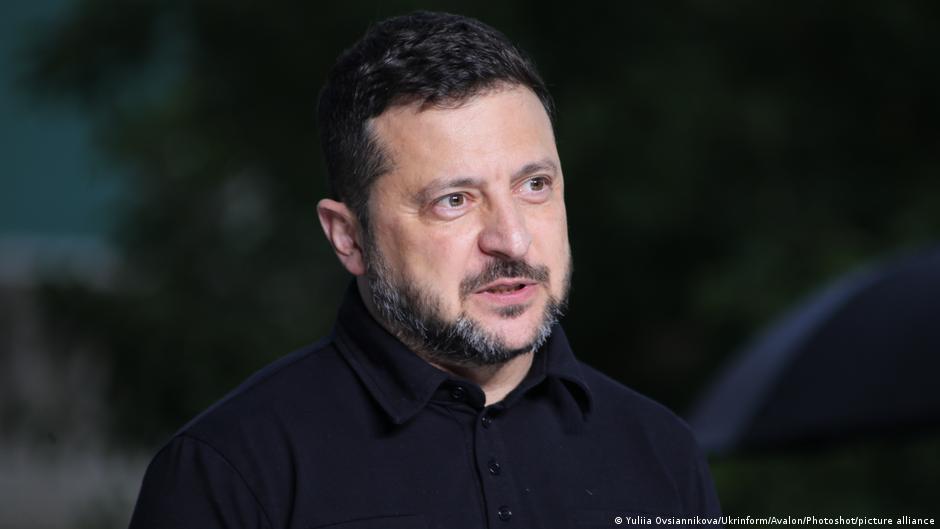
Ukraine will discuss a new U.S.-linked peace proposal as Kyiv urges tougher sanctions on Russia and broader Starlink access.
By Editorial Team — October 9, 2026
Ukraine will discuss a new U.S.-linked peace proposal as Kyiv urges tougher sanctions on Russia and broader Starlink access.
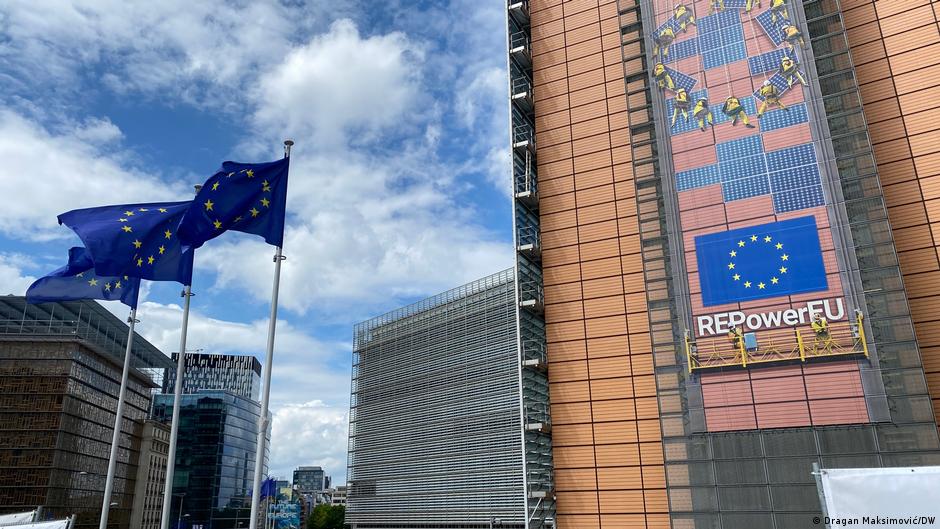
EU lawmakers approved a €115 million Agile programme to support small defence technology firms and accelerate innovation from 2027.
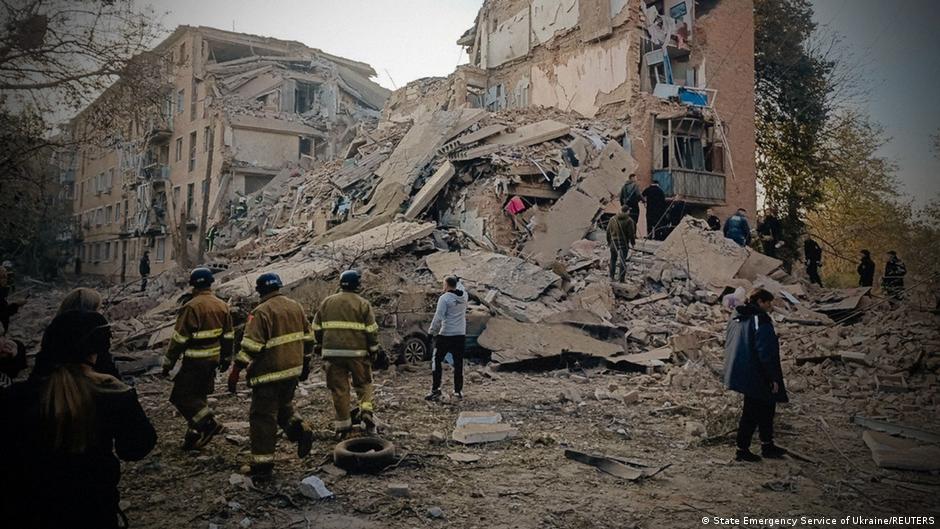
Ukraine says 28 people were killed in a Russian missile and drone barrage, renewing Kyiv’s warning that oil revenues and weak sanctions prolong the war.
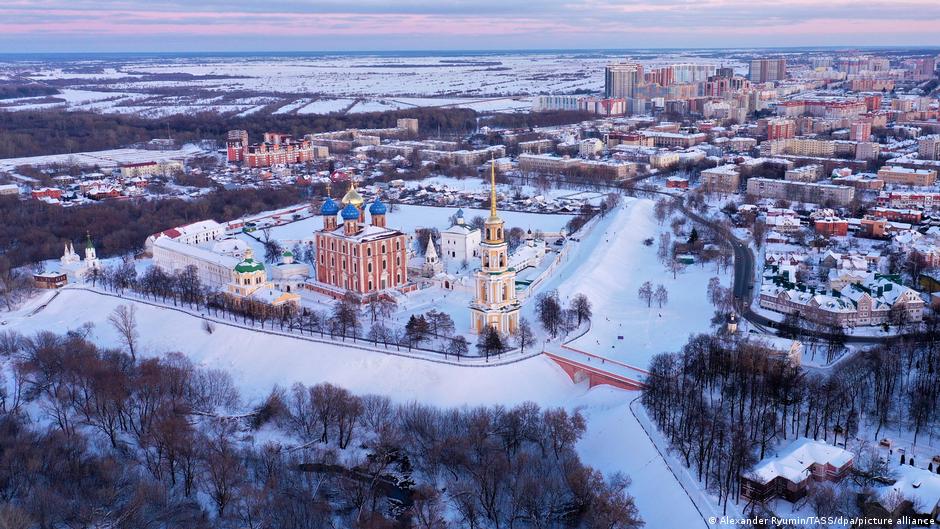
A reported fire at a sanctioned Ryazan machine-tool plant hosting a Yandex data center highlights infrastructure risks in wartime economies.

A tanker fire off Sochi adds to concerns over Black Sea shipping risk, Russian oil logistics, sanctions enforcement, and energy trade routes.
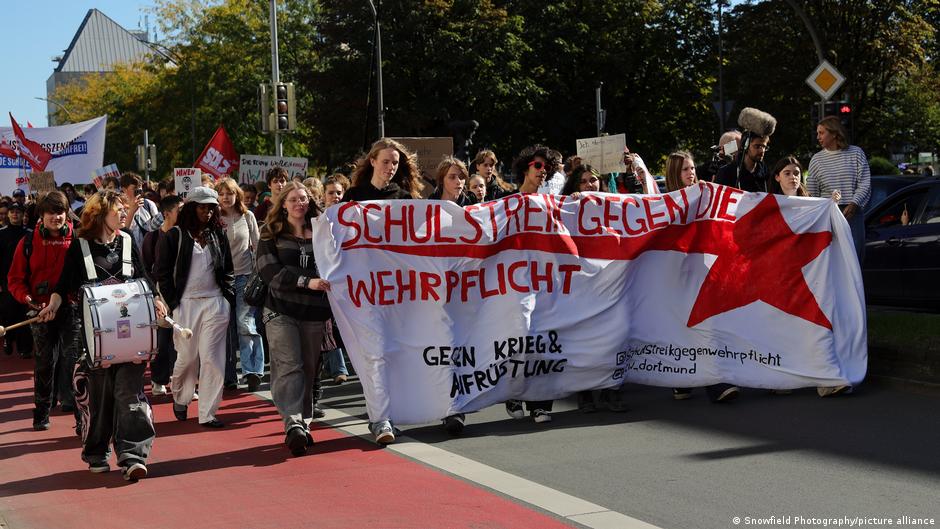
German military opt-out claims tripled in eight months, highlighting manpower, fiscal and labor-market pressures behind Berlin’s defense expansion.
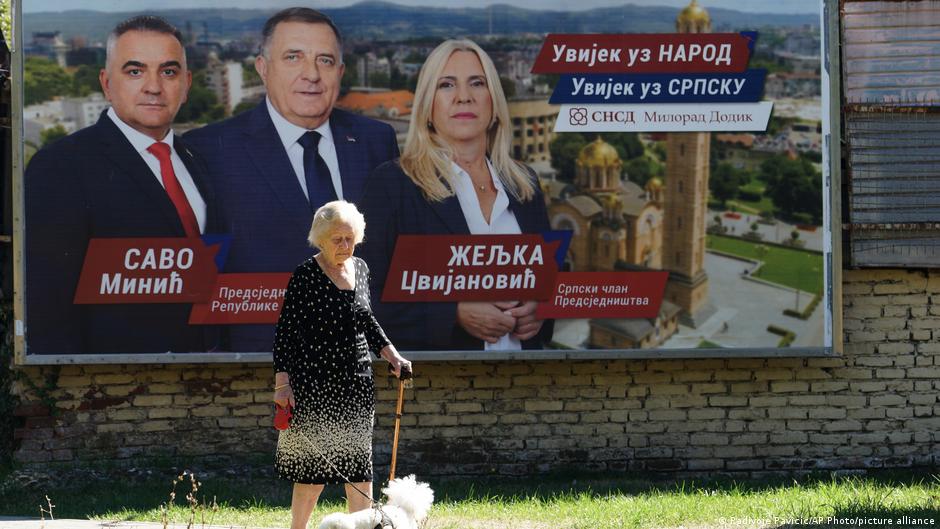
Preliminary results show ruling-party candidates and Dodik allies strengthening their hold across Bosnia and Herzegovina’s institutions.
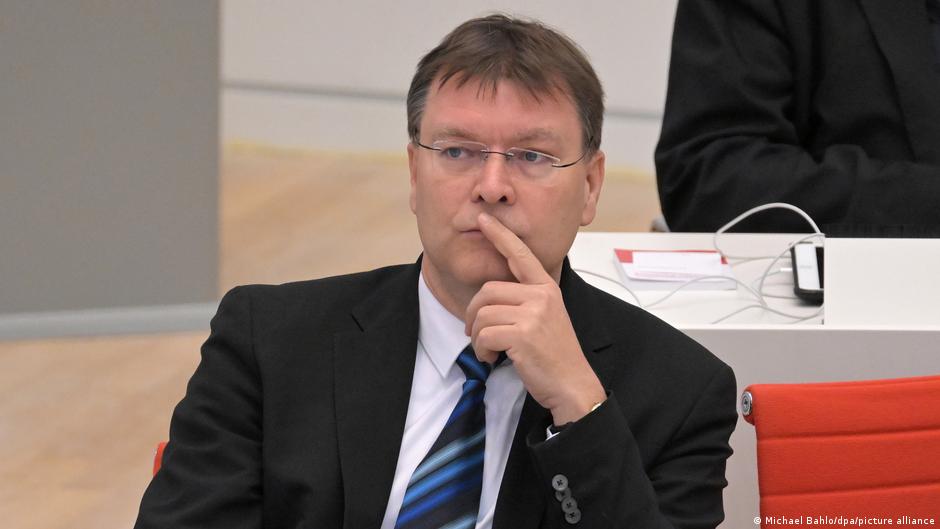
BSW lawmaker Sven Hornauf plans delegations to Belarus and Russia, testing Germany’s local ties amid strategic rupture with Moscow and Minsk.
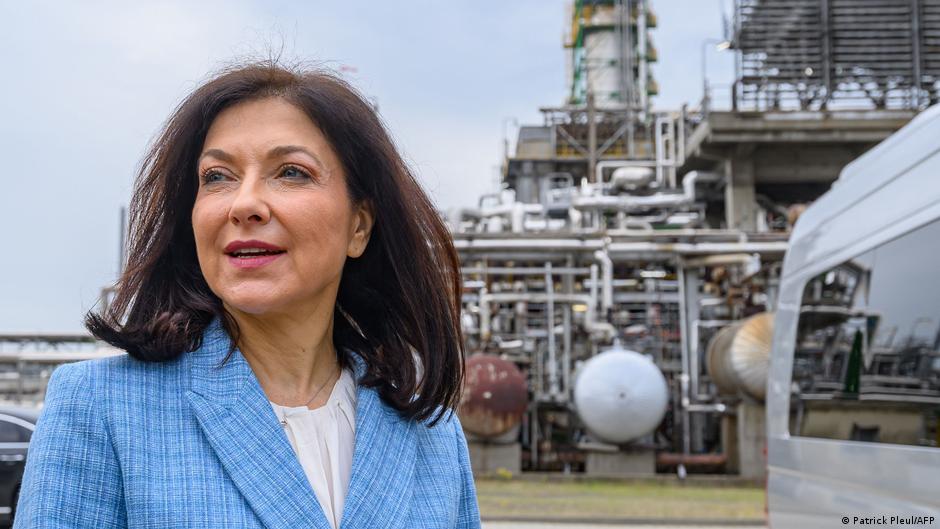
Katherina Reiche warned that Left Party gains in Berlin could weaken Germany’s investment appeal and raise concerns over property rights.
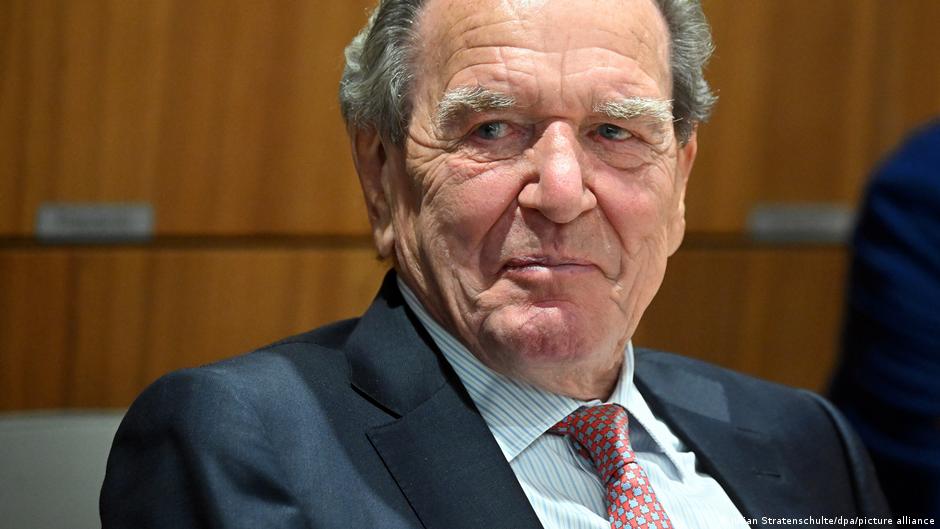
Gerhard Schröder’s new role at Hyperglobus in Russia has drawn German criticism and renewed scrutiny of Western-linked corporate exposure.
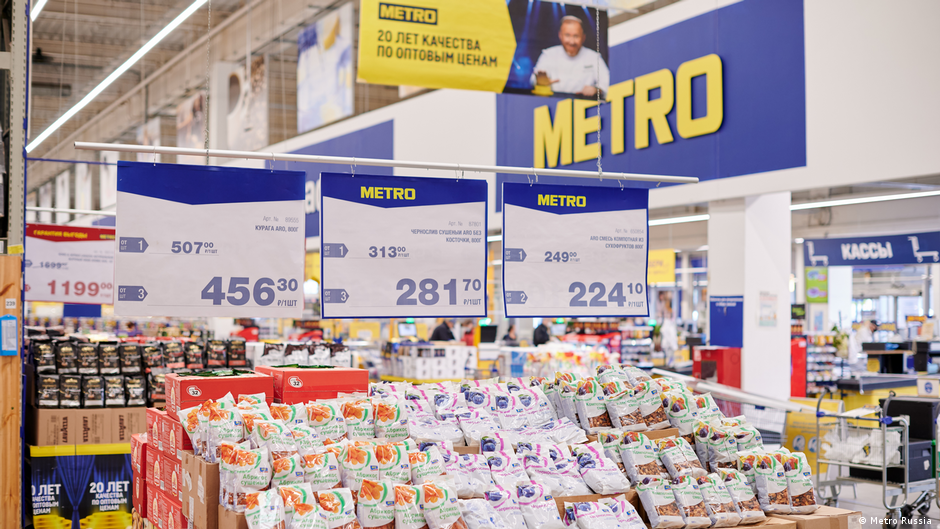
Foreign retailers in Russia face rising asset-control risks as temporary management measures reshape the investment landscape.
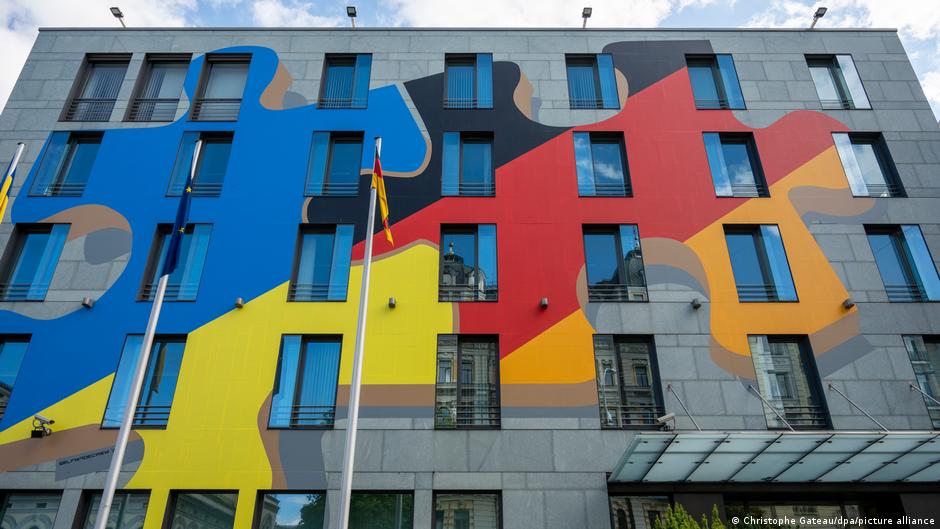
Western contingency plans to move embassies from Kyiv point to rising concern over Ukraine’s winter energy resilience and economic stability.

Maria Kolesnikova urged the EU to use diplomacy and sanctions leverage to free Belarusian political prisoners and reduce Moscow’s influence.
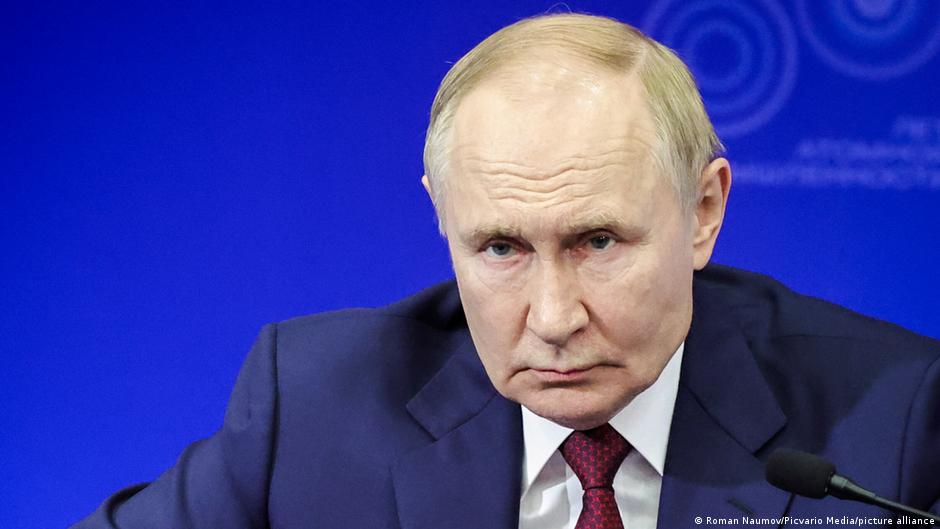
Putin’s Valdai speech sharpened nuclear rhetoric and blamed the West, reinforcing Europe’s long-term geopolitical and economic risk outlook.
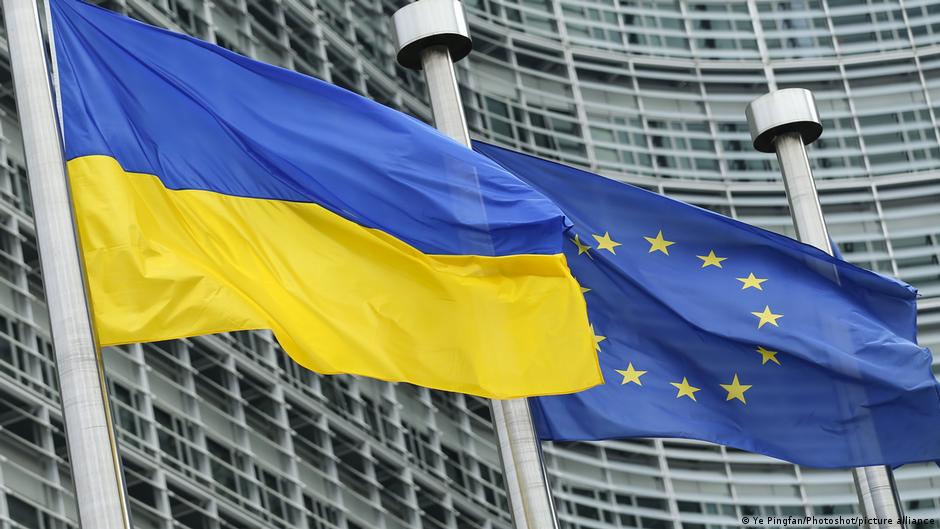
The EU declined to accelerate part of a €90 billion Ukraine loan, seeking wider partner support and reforms as Kyiv faces large funding gaps.
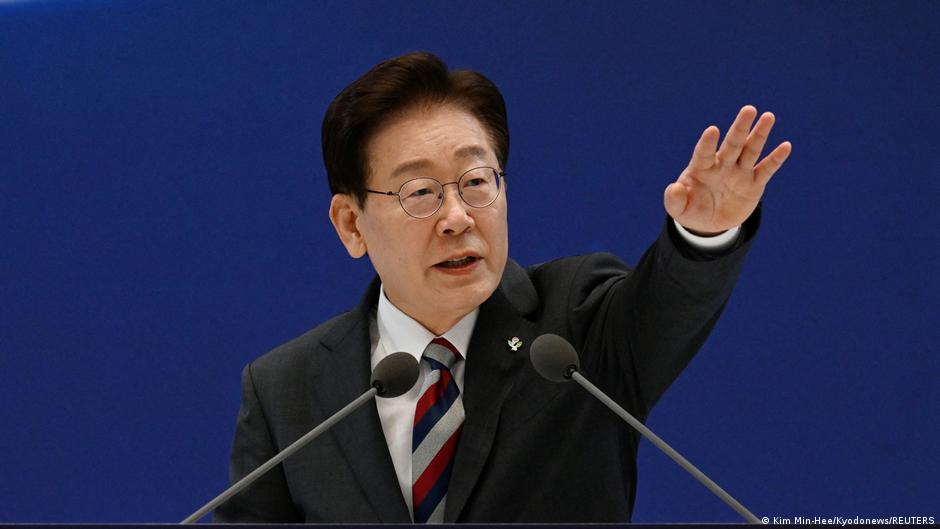
Seoul’s dispute with Kyiv over two North Korean prisoners raises risks for Ukraine support, defense policy and Northeast Asian stability.
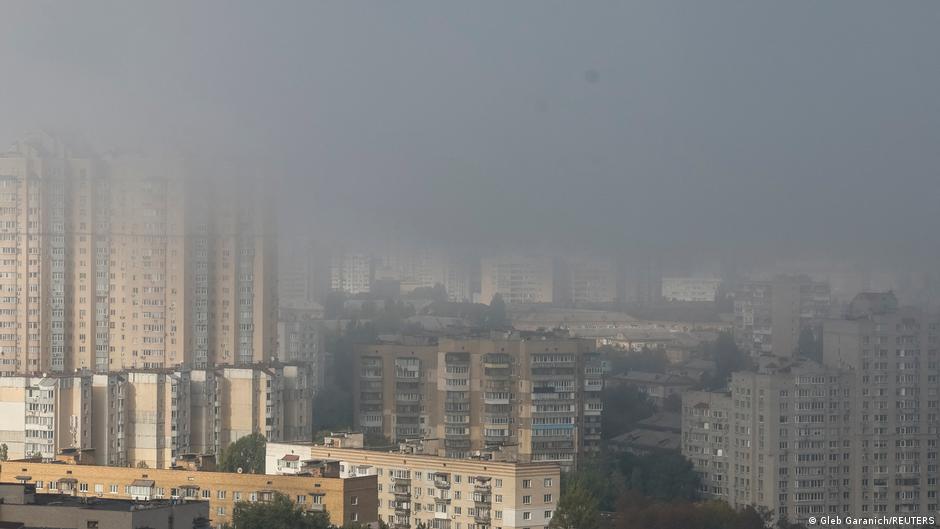
Russian attacks damaged property in Kyiv, Odesa, Sumy and Kyiv region while forcing new electricity limits across parts of Ukraine.
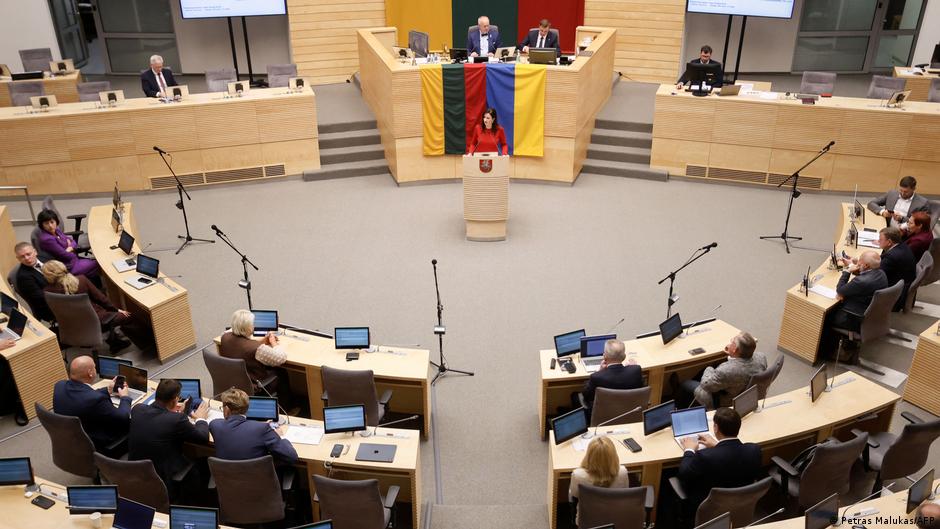
Lithuania’s planned property curbs signal how security policy is reshaping real estate, residency and foreign capital rules in Europe’s east.
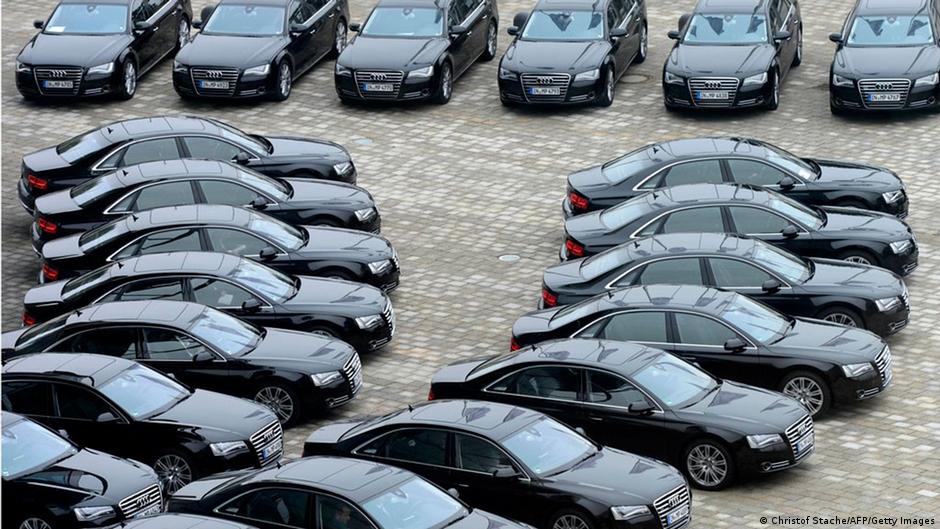
Raids in Germany and Austria over alleged vehicle exports to Russia expose persistent loopholes in EU sanctions enforcement.
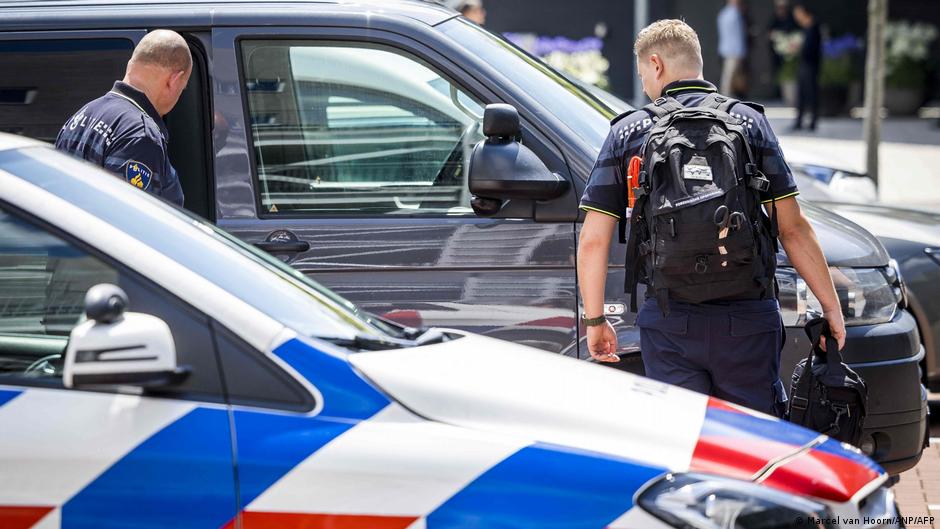
Dutch police detained an Amsterdam cybersecurity worker in a ShinyHunters probe, raising wider questions about cyber risk and governance.
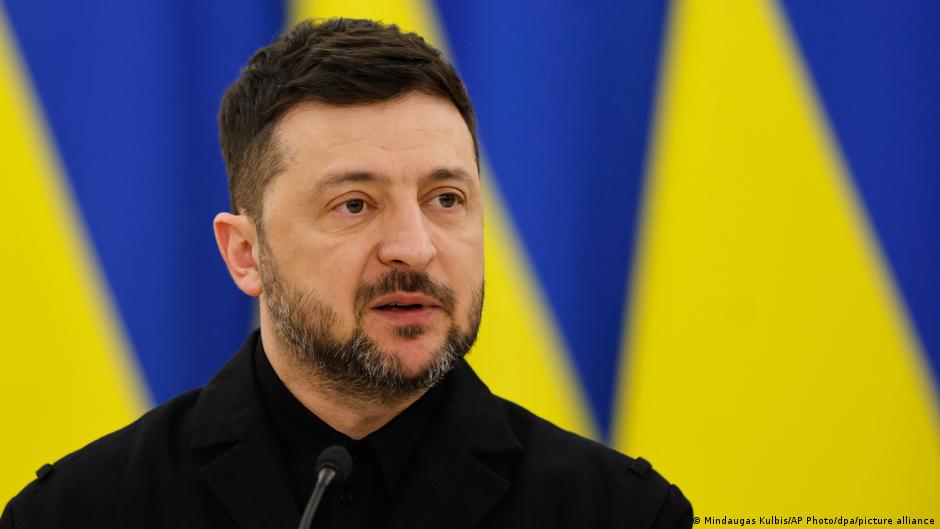
Zelensky says North Korea plans to send about 10,000 more troops to Russia, deepening concerns over Moscow-Pyongyang cooperation.
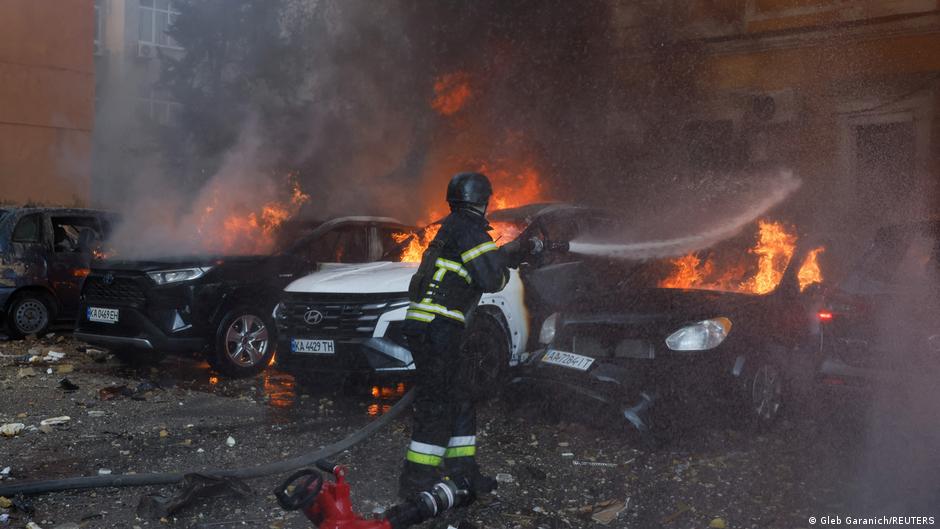
Russian strikes on Kyiv killed two people during the day and continued overnight, adding pressure to Ukraine’s urban economy and public finances.
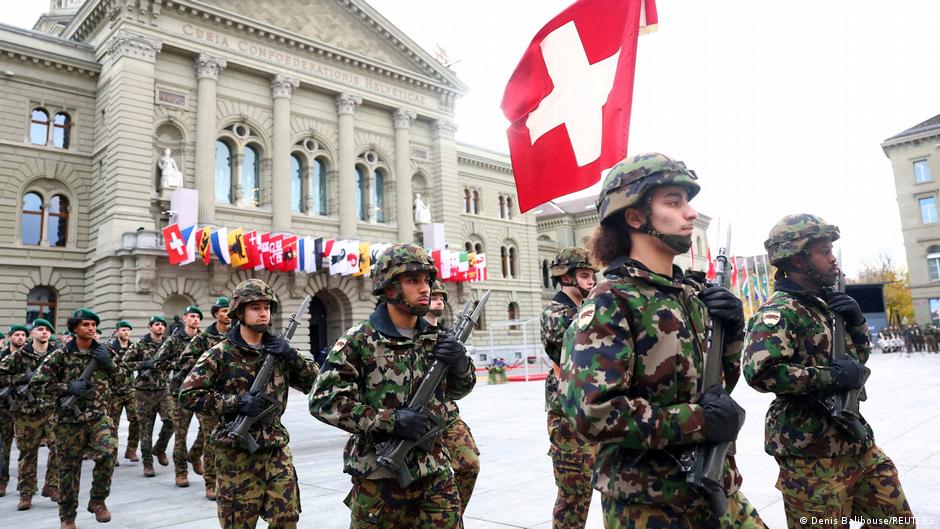
Swiss voters rejected a neutrality initiative that would have sharply limited sanctions policy, preserving Bern’s flexibility on economic statecraft.
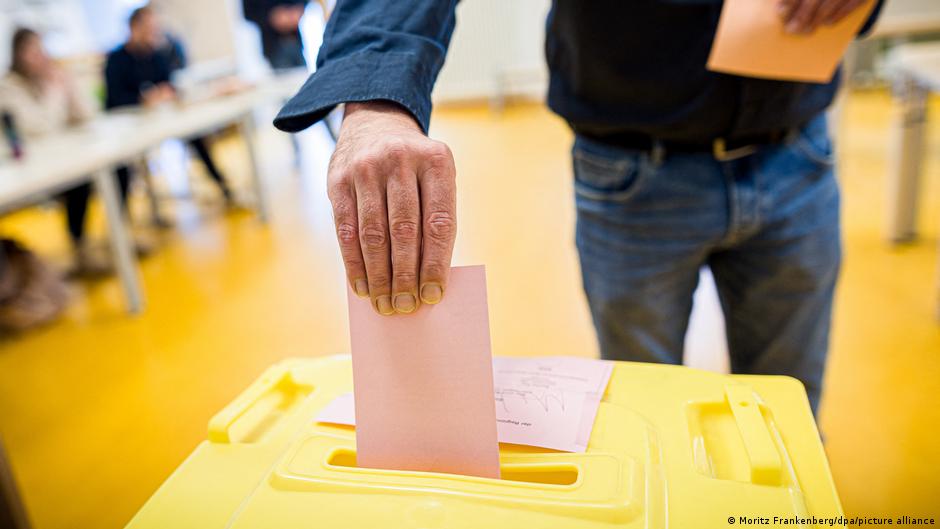
Lower Saxony’s municipal runoffs saw the AfD lose three executive races while Greens held Hanover and gained other urban posts.
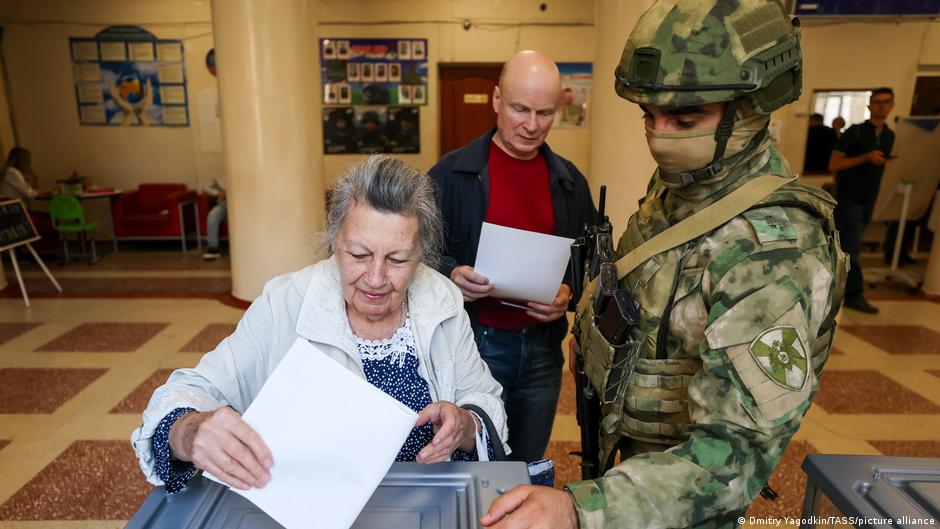
Ukraine sanctioned 44 people linked to Russian Duma voting in occupied regions, as the EU signals readiness for similar measures.
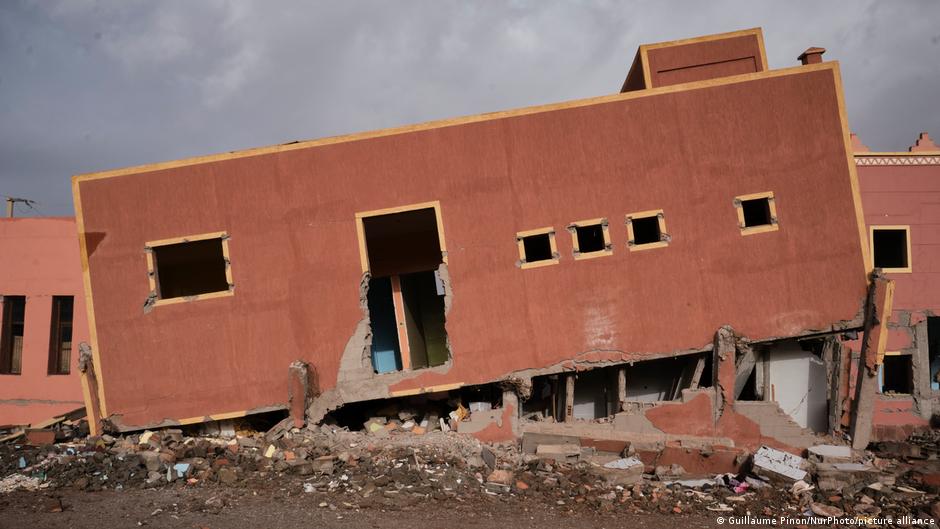
The EU’s new €710 million aid package links humanitarian relief with migration management, regional stability and long-term fiscal risk.
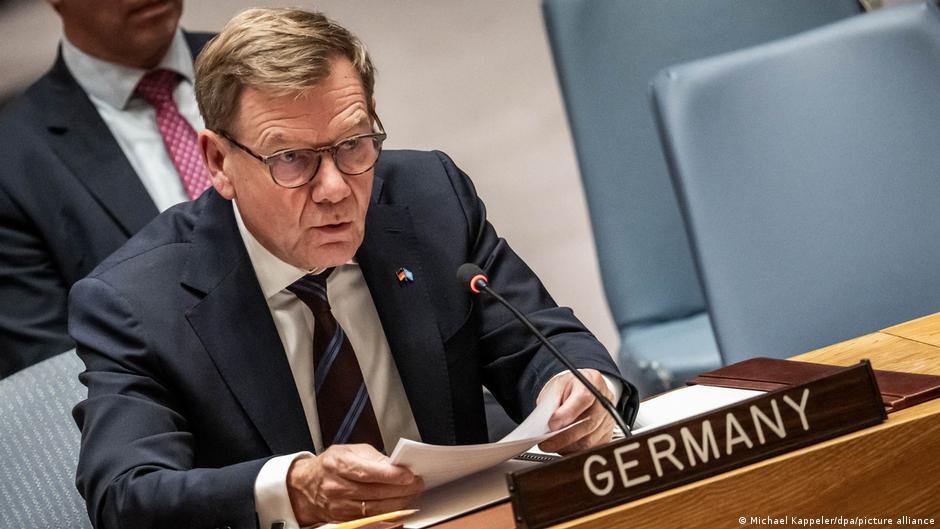
Germany says Putin’s possible G20 appearance would test Moscow’s readiness for Ukraine talks, with sanctions and global governance at stake.
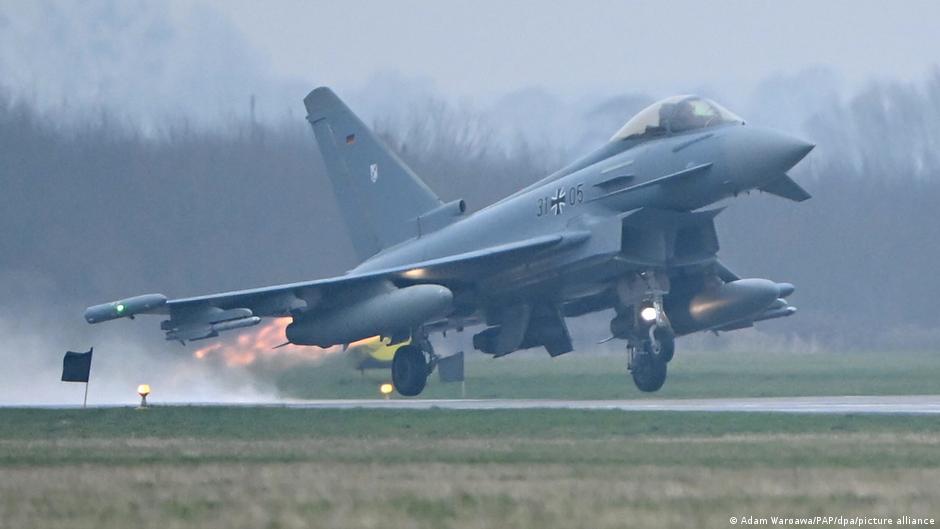
Germany sent four Eurofighters to Latvia for election-period air security, reinforcing NATO’s Baltic deterrence posture amid repeated airspace violations.
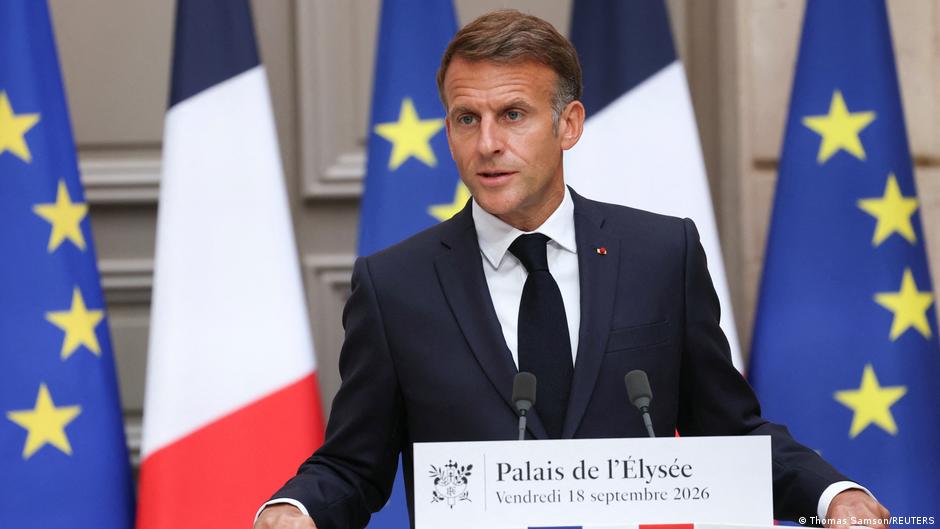
Macron says France sees a Russian mobilization of about 300,000 people as plausible, warning Europe could face wider hybrid pressure.
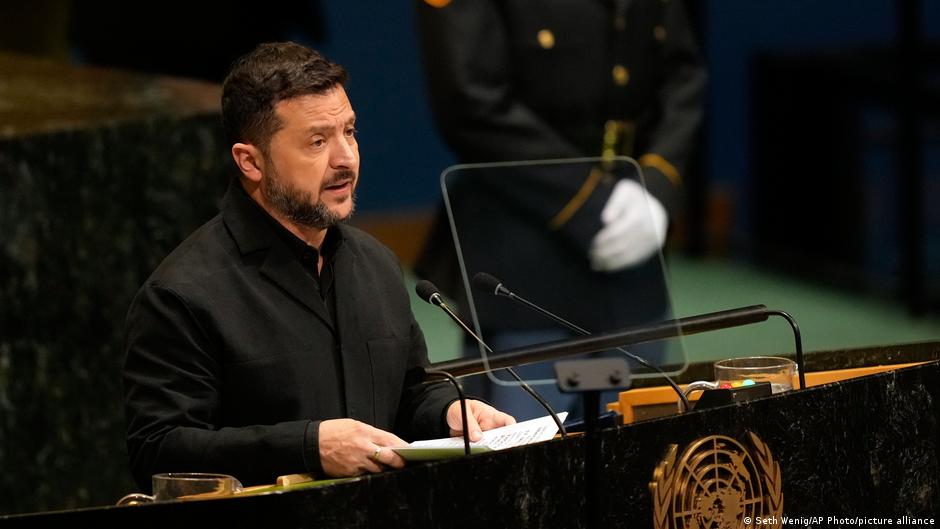
Zelenskyy used his UN address to link Russia’s war to energy revenues, global instability, AI risks and the long-term economic costs of conflict.
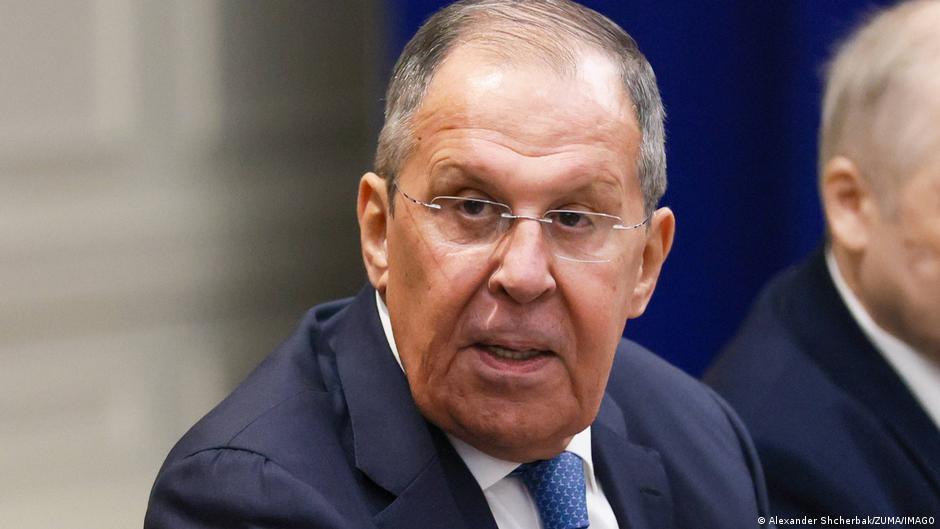
Russia says it will not pause operations for Ukraine talks, even as Washington offers to support ceasefire efforts and keeps channels open.
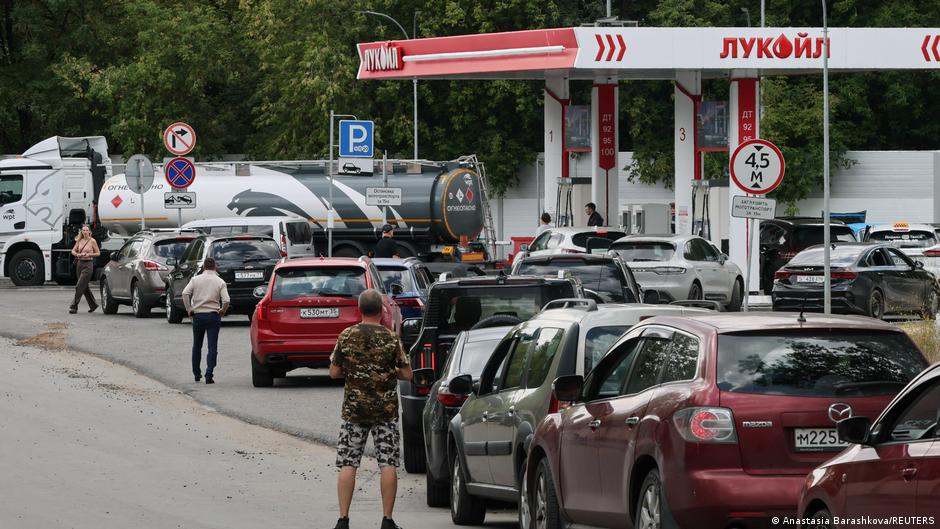
Kaluga and Zabaykalsky are restoring petrol limits as refinery strikes deepen Russia's second wave of fuel shortages.
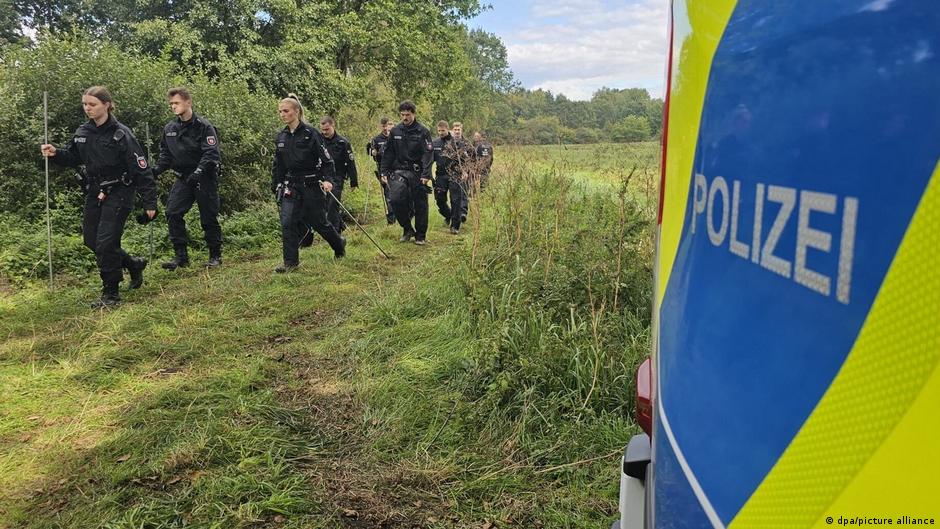
German investigators are probing whether a crashed drone near the Wunstorf air base involved explosives, raising wider infrastructure-risk concerns.
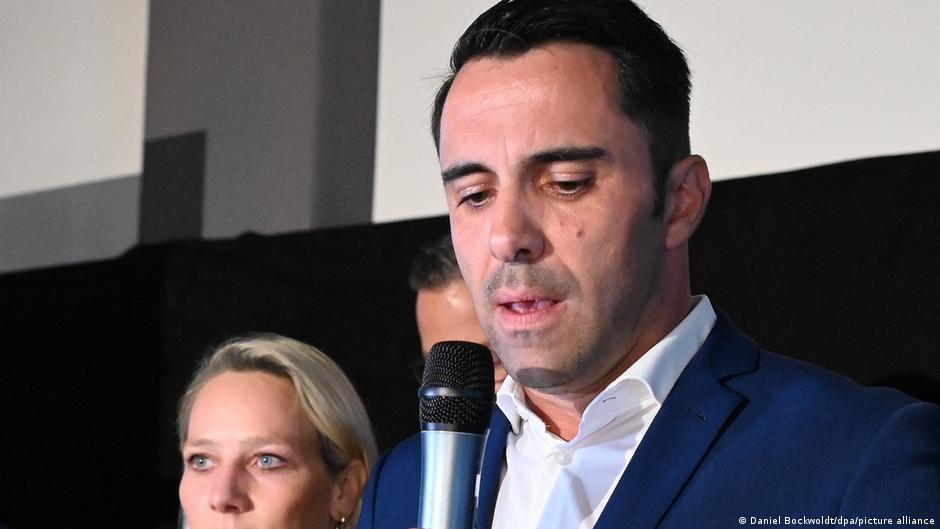
Daniel Peters resigned after the CDU won 4.9 percent in Mecklenburg-Western Pomerania, missing a state parliament for the first time.
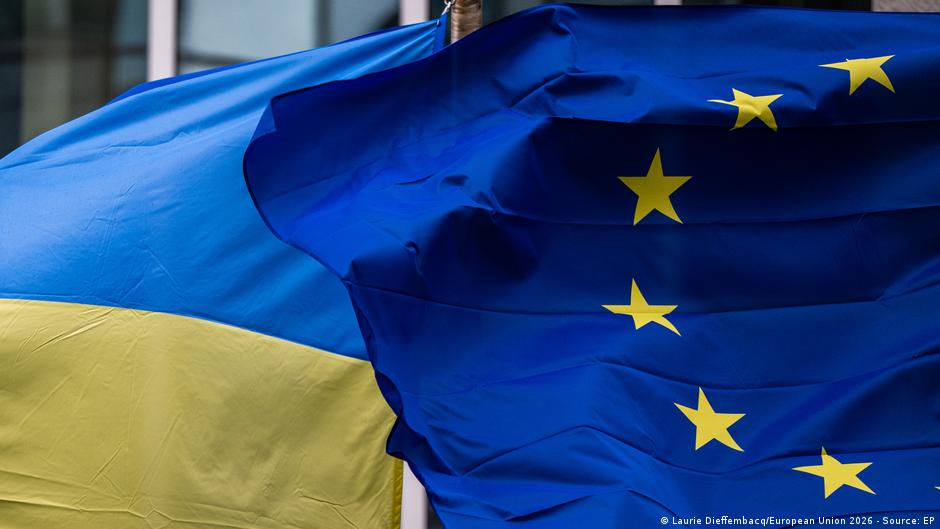
Kaja Kallas urged EU envoys to extend Russia sanctions as disputes over Usmanov and Fridman test the bloc’s policy cohesion.
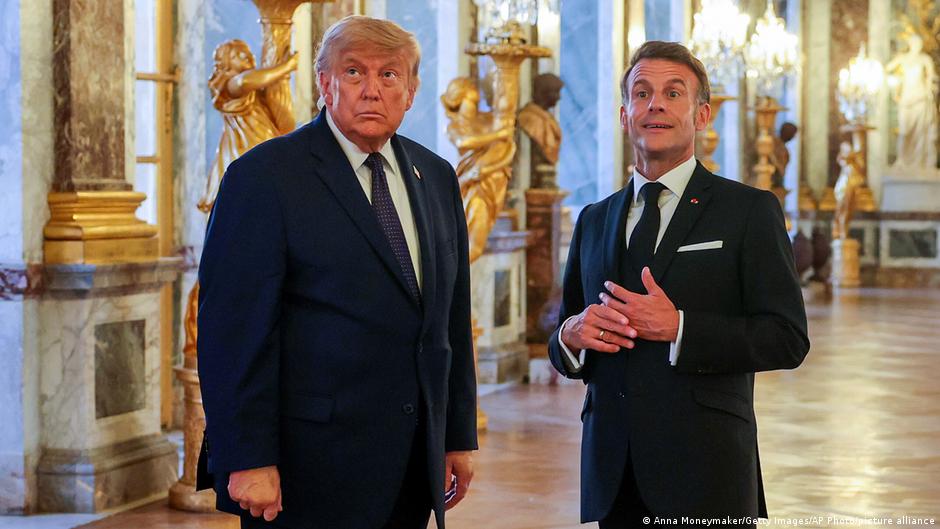
Macron and Trump discussed a moratorium on strikes against Ukraine’s energy and civilian infrastructure and stronger air defenses for Kyiv.

The Left Party’s Berlin victory puts housing expropriation and coalition risk at the center of Germany’s capital politics.
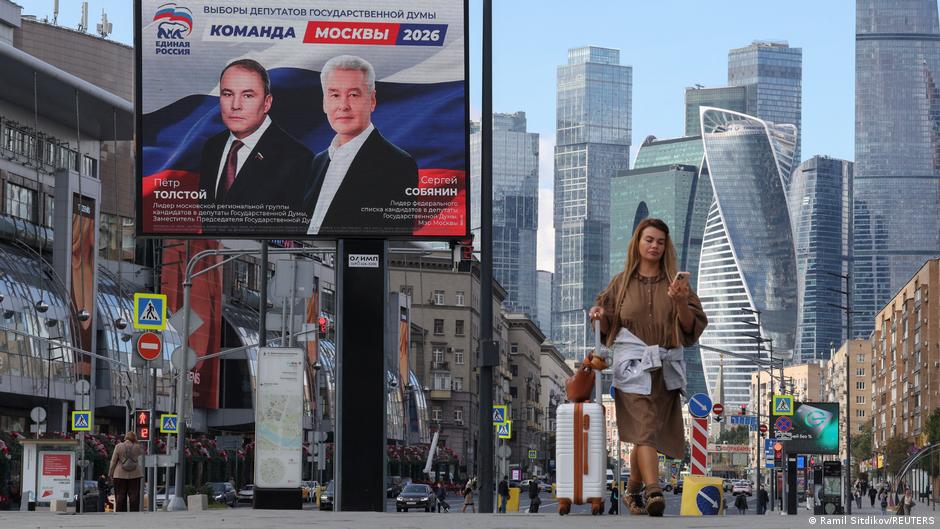
United Russia’s early Duma lead points to a constitutional majority, reinforcing policy continuity and Western sanctions risk.
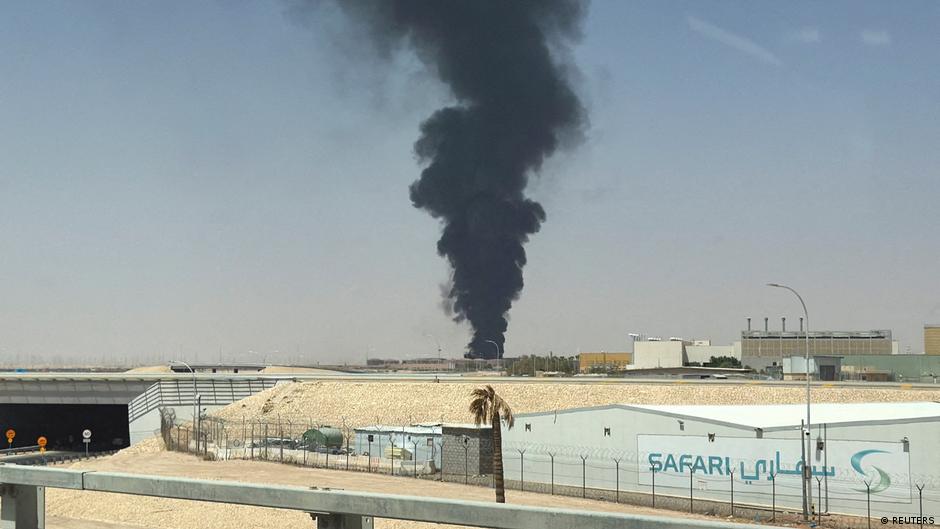
Saudi Arabia says it intercepted a Houthi ballistic missile aimed at Riyadh as attacks intensify around oil infrastructure and Red Sea trade routes.
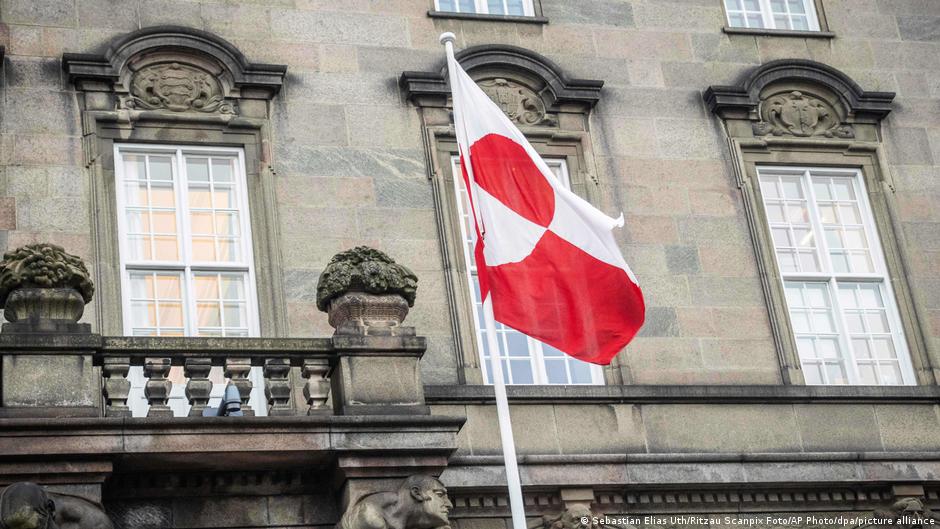
The expected Greenland security deal would expand U.S. military influence in the Arctic while shaping investment and resource policy.
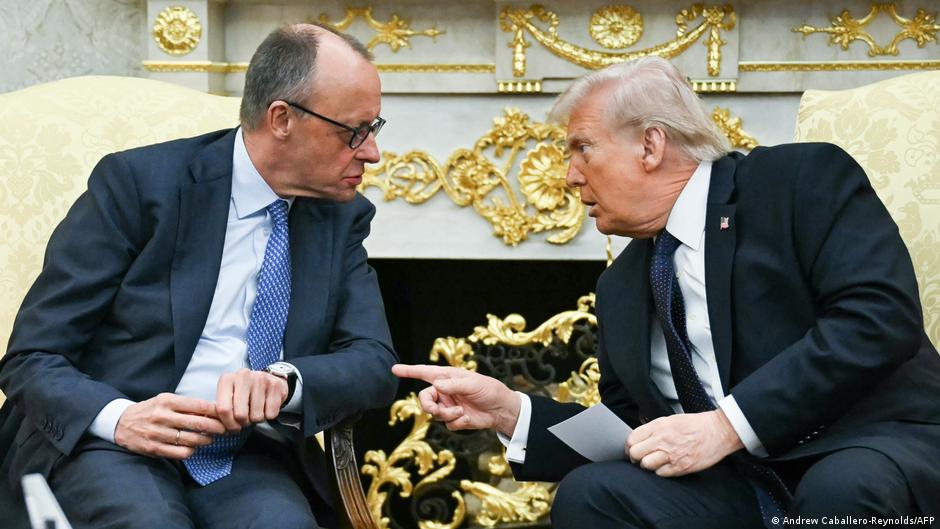
Friedrich Merz says unconditional transatlantic friendship may be over, framing U.S.-German tensions as a strategic test for Germany’s economy.
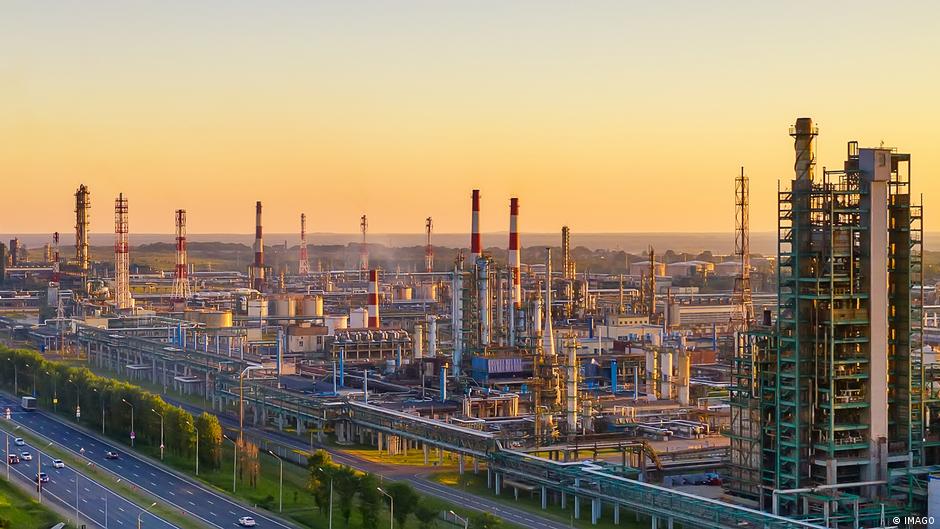
The halt at Yaroslavl’s YANOS refinery deepens Russia’s fuel shortages and exposes rising wartime risks to its energy infrastructure.
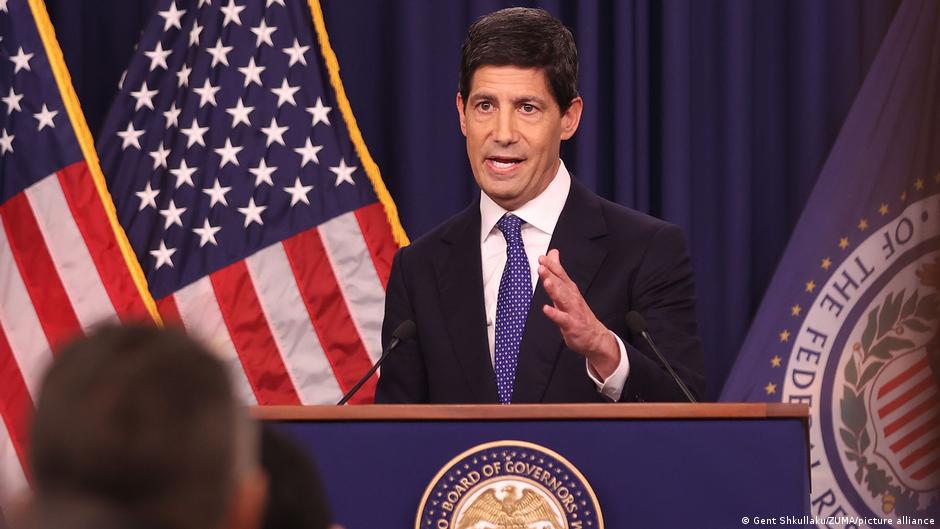
The Fed lifted rates to 3.75-4.0 percent, reversing years of cuts as persistent inflation and energy shocks reshape policy risks.
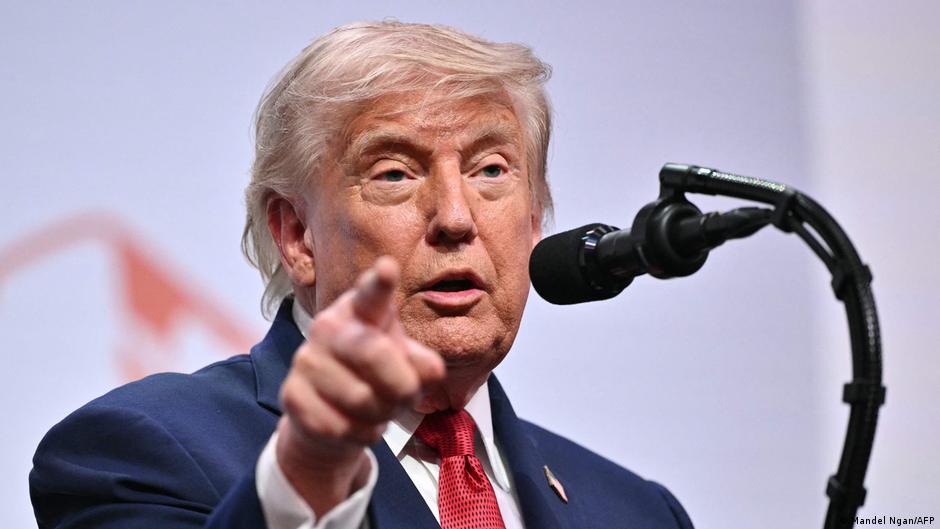
Trump’s warning over EU-Canada ties highlights rising trade fragmentation and the growing use of tariffs as geopolitical leverage.
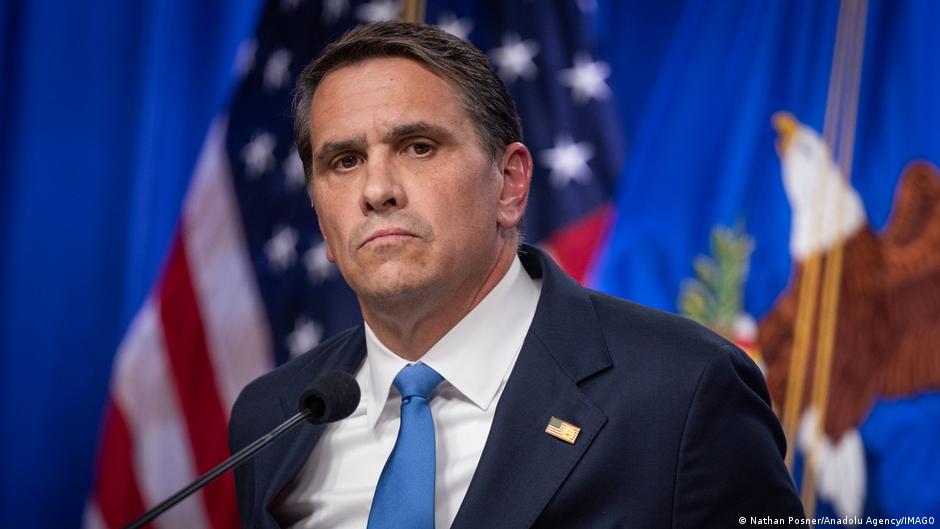
U.S. prosecutors accused Russian-linked figures of financing terrorism and plotting killings, widening the economic and policy stakes of the Ukraine conflict.
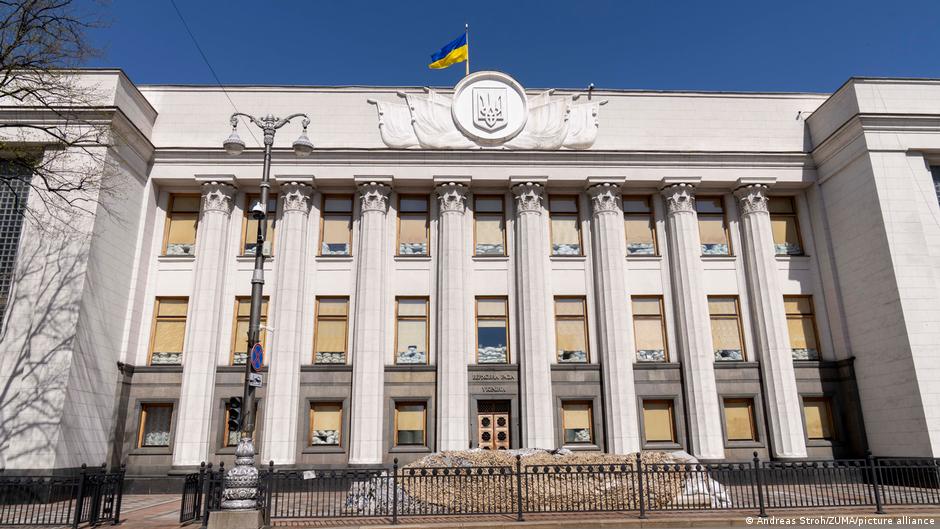
Ukraine’s parliament will consider seven difficult bills tied to Western financing as Kyiv seeks to close a major defense budget gap.
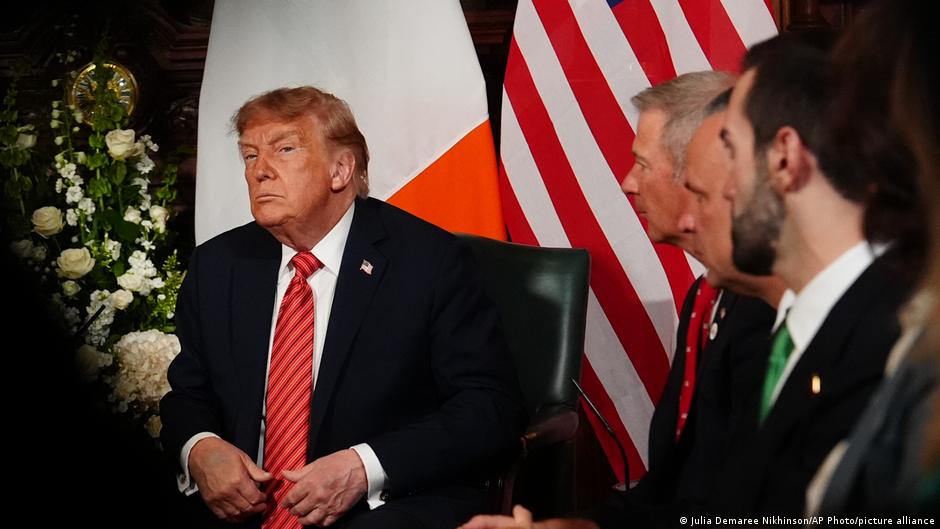
Trump said the U.S. will scrap a 10 percent tariff on Irish whiskey, signaling a targeted shift inside broader duties on EU wine and spirits.
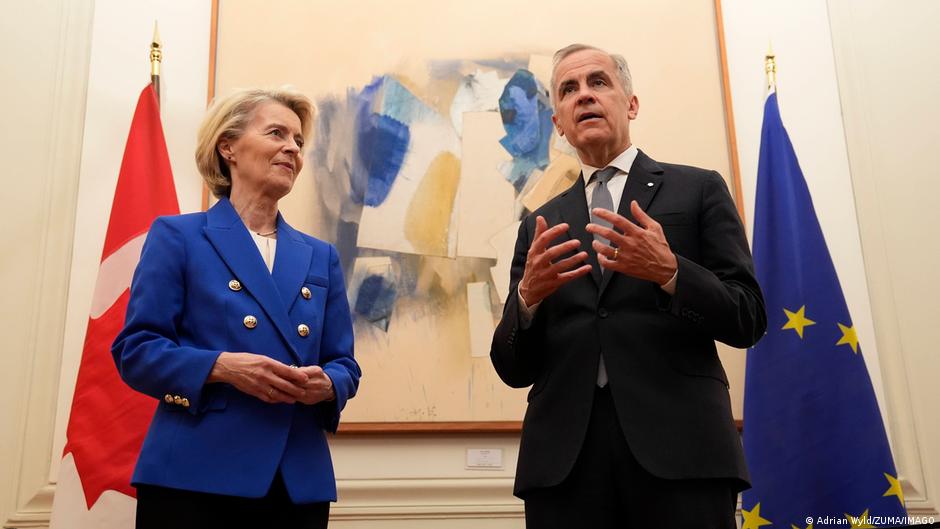
Canada is in talks to join the EU’s €90 billion Ukraine loan as Ottawa seeks deeper ties with Europe and less dependence on the United States.
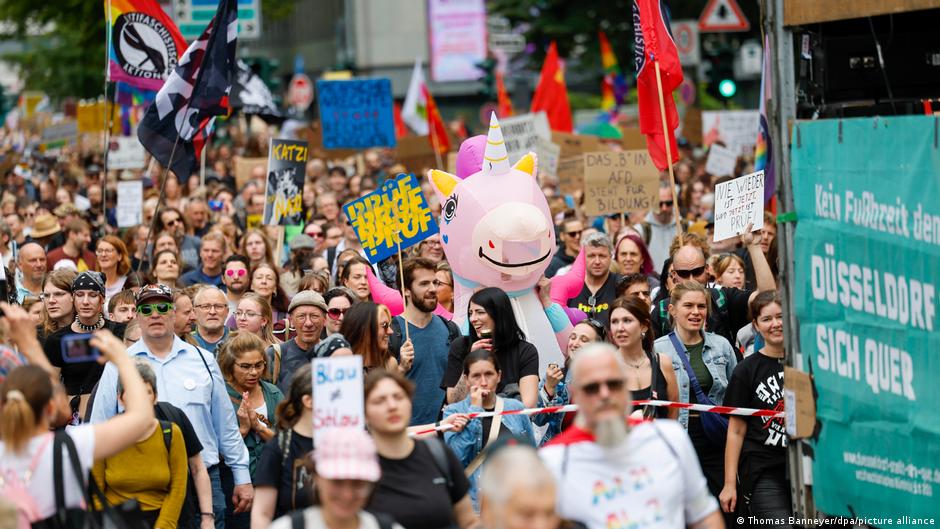
Mass protests across Germany reveal mounting political strain as the AfD gains ground and debate intensifies over bans and cooperation barriers.

Russia is expected at G20 energy talks in Houston as governments weigh energy security, sanctions and Red Sea risks.