Zelenskyy Tells UN Putin Is Spreading War as an Economic Contagion
Ukraine’s president linked Russia’s war strategy to energy markets, fiscal pressure and emerging security risks from artificial intelligence.
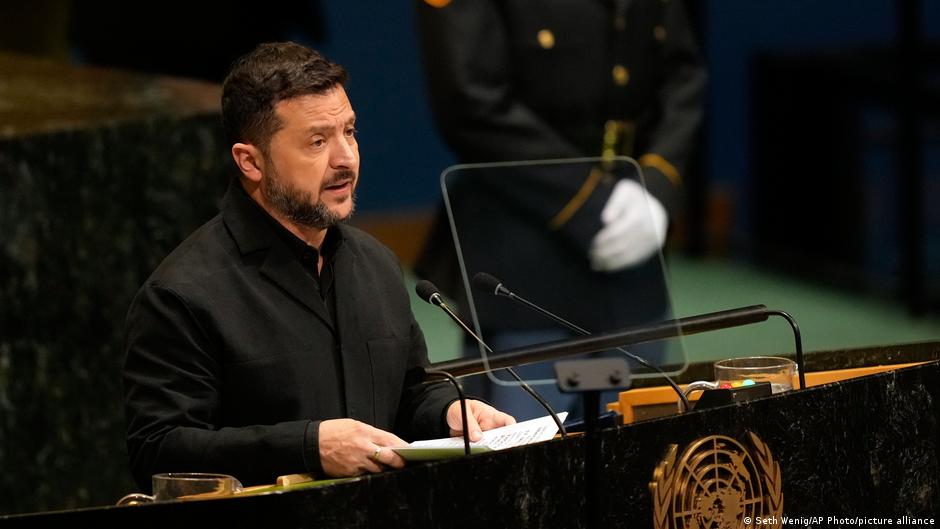
Ukrainian President Volodymyr Zelenskyy used his address to the UN General Assembly in New York on Wednesday, September 23, to frame Russia’s war not only as a military conflict but as a systemic threat to global stability, energy security and the economic order that underpins international decision-making.
Zelenskyy described Russian President Vladimir Putin as a “patient zero” from whom the idea of war is spreading around the world. Wherever that idea travels, he said, it brings “only pain, instability, new risks and, of course, new crises.” His message to governments and institutions was that containing Russia’s capacity to wage war is now part of managing broader global risk.
“He must not be allowed to act and must not be given the opportunity to spread this evil further,” Zelenskyy said, referring to Putin.
For senior policymakers and corporate leaders, the address carried a clear macroeconomic warning: the war’s effects are no longer confined to Ukraine’s borders or to the defense sector. Zelenskyy connected the battlefield to energy infrastructure, oil revenues, winter heating, labor losses, and the potential arrival of artificial intelligence as a decision-making force in combat. Together, those issues point to a long conflict with widening economic consequences.
Energy Revenues Become the Central Economic Battlefield
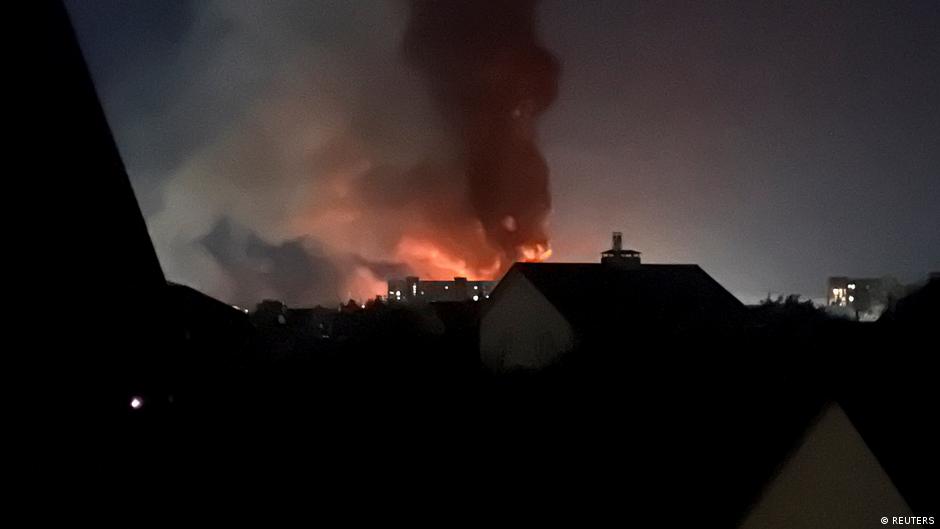
Zelenskyy said that, for the first time in Russia’s history, what he called the country’s “pride” — its oil industry — is operating “on its last legs.” He characterized that as a humiliating defeat for a country that holds a permanent seat on the UN Security Council and has long taken pride in its oil exports.
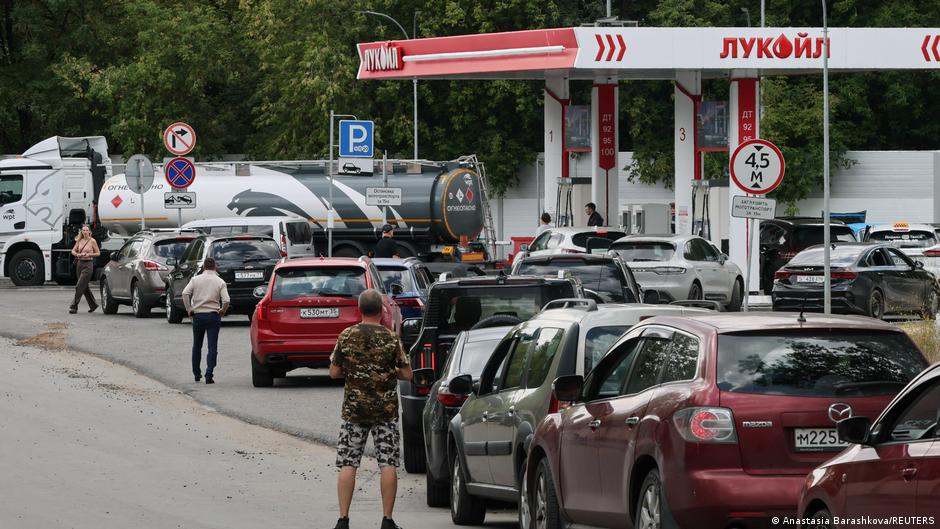
Yet he stressed that Ukraine’s aim is not oil itself, nor gasoline, diesel fuel, refineries or ports as standalone targets. The strategic objective, he said, is Russia’s ability to finance and prolong the war. That distinction matters for economic analysis because it places energy infrastructure at the heart of fiscal sustainability, wartime liquidity and Russia’s capacity to absorb sanctions, battlefield costs and domestic pressure.
Russia’s oil and fuel systems have become a proxy for the larger question of how long Moscow can fund a war of attrition. If export revenues, refinery operations or fuel logistics are constrained, the economic effect extends beyond physical damage. It can influence budget planning, military procurement, inflationary pressure, and the government’s ability to maintain social spending while sustaining the campaign in Ukraine.
Zelenskyy also warned that if Russia continues attacking Ukraine’s energy grid and heating systems, Kyiv will try to ensure that Russia’s “General Frost” switches sides this winter, a reference to the possibility of retaliatory strikes. The comment underscored the likelihood that energy systems will remain central to the war as colder months approach, with potential consequences for electricity supply, heating, repair budgets, industrial output and civilian resilience.
Human Losses and the Cost of Territorial Gains
Zelenskyy said that from January through August, the Russian armed forces lost 248,964 personnel on the battlefield in Ukraine. He argued that Putin is paying with 248 people for every kilometer gained, asking whether anyone still considers such a leader rational. He also said citizens of 47 other countries are fighting on Russia’s side and are also dying on the battlefield.
The figures, as presented by Ukraine’s president, place the economic burden of manpower at the center of the conflict. Even without assigning a monetary value to the casualties, sustained losses on that scale would have implications for recruitment, compensation, training capacity, demographics and labor availability. For Russia, the battlefield cost interacts with a broader wartime economy in which manpower, capital and industrial capacity are increasingly directed toward military objectives.
For other governments, the reference to fighters from 47 countries adds another layer of strategic risk. The war is drawing in foreign nationals and spreading security consequences across borders. That can complicate diplomatic relations, migration controls, sanctions enforcement and domestic political calculations in countries whose citizens become involved in the conflict.
AI and the Risk of Faster Escalation
Zelenskyy also warned that as soon as next year there is a real possibility that artificial intelligence, not only humans, could begin making decisions on the battlefield. “We need peace before we reach that point,” he said.
That warning shifts the debate from conventional war costs to the governance of emerging military technologies. If autonomous or AI-assisted systems begin shaping operational decisions, the speed of escalation could increase, while accountability and verification become more difficult. For policymakers, this raises questions about arms control, defense procurement, export controls, and the capacity of existing international institutions to regulate technologies that may soon influence lethal decisions.
The economic implications are also significant. Defense budgets may increasingly prioritize AI-enabled systems, drones, sensors and data infrastructure. Private technology firms could face deeper entanglement with national security policy. Investors and regulators may need to reassess the risks attached to dual-use technologies, particularly where innovation cycles move faster than legal frameworks.
No Pause in Fighting
The address came against a backdrop of intensified Russian strikes. According to an AFP analysis cited in the source account, the first 18 days of September saw more Russian attacks than any full month since the beginning of the war in Ukraine, with the exception of March 2022.
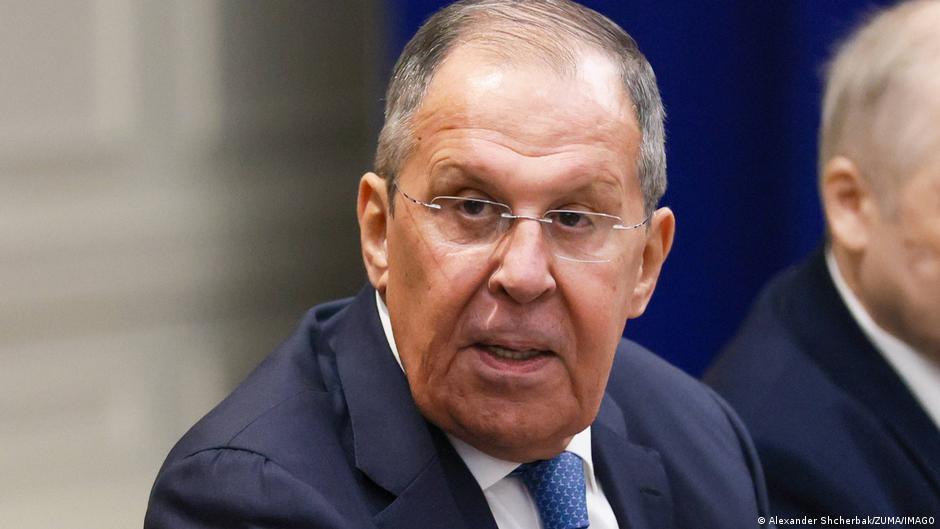
At the same time, Russian Foreign Minister Sergei Lavrov told the UN Security Council that there would be no “pause” in hostilities. That statement reinforces the prospect of continued pressure on Ukraine’s infrastructure and public finances, as well as persistent uncertainty for European security planning, energy markets and global diplomatic coordination.
Zelenskyy’s broader argument was that allowing Russia to maintain the means to continue the war will generate further crises beyond Ukraine. For decision-makers, the speech framed the conflict as a test of whether economic pressure, energy resilience and international policy can contain a war that Kyiv says is already spreading instability across regions and sectors.