Russia Rejects Negotiating Pause as U.S. Keeps Diplomatic Channel Open
Sergey Lavrov said Moscow would not halt operations for talks with Kyiv, while Marco Rubio signaled U.S. readiness to support a ceasefire.
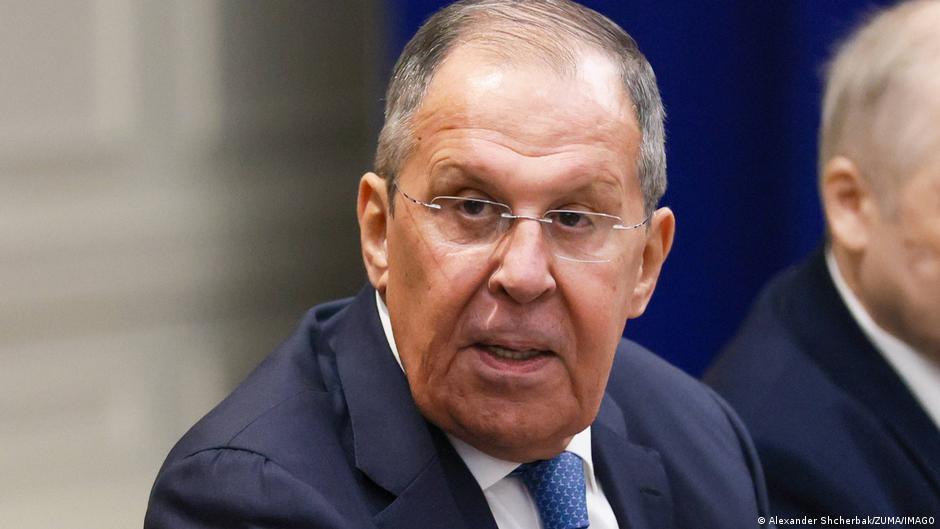
Russia has ruled out any negotiating “pause” with Ukraine, underscoring the limited near-term scope for de-escalation even as Washington continues to present itself as a potential facilitator of a ceasefire. The position was set out by Russian Foreign Minister Sergey Lavrov on Wednesday, September 23, during a meeting of the United Nations Security Council in New York, where the UN General Assembly is taking place.
Lavrov said Russia would not suspend its actions for negotiations with Ukraine in any format. According to Russia’s Foreign Ministry, he argued that Europe was seeking precisely such a pause, with the aim of giving Kyiv time to recover and replenish depleted military arsenals. At the same time, Lavrov stated that Moscow was ready for talks aimed at achieving what he described as a “sustainable just peace.”
Russia will not make a “pause” for negotiations with Ukraine in any format, Lavrov said, according to the Russian Foreign Ministry.
The message is significant for policymakers and investors because it indicates that Moscow is seeking to separate the idea of negotiations from any halt in military activity. That stance narrows the operational meaning of diplomacy: talks may continue, but they would not automatically reduce immediate security risks or ease pressure on Ukraine’s military, public finances, or infrastructure. For Europe, it also implies continued demands for defense spending, munitions procurement and fiscal coordination at a time when governments are already balancing security commitments against domestic budget constraints.
Diplomacy Without a Pause
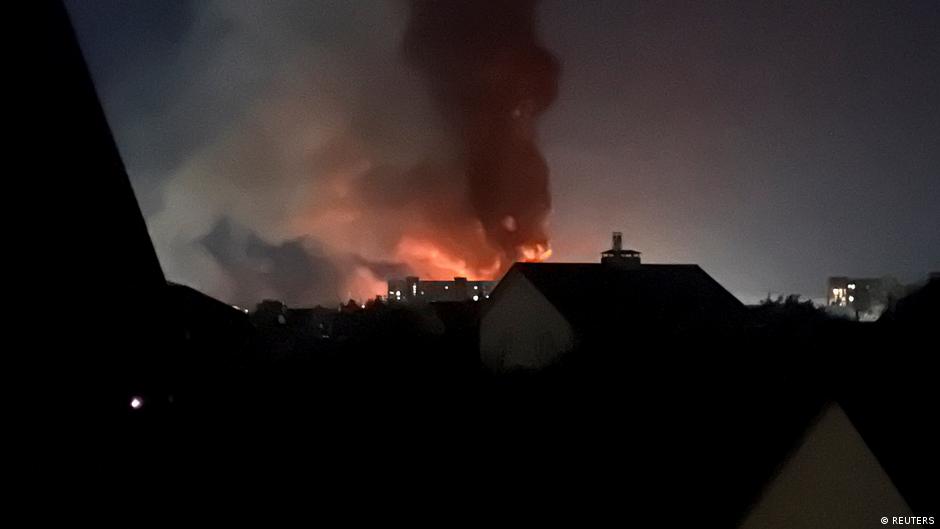
The statement came as Moscow continued strikes on Kyiv, highlighting the gap between diplomatic messaging and battlefield realities. Lavrov met U.S. Secretary of State Marco Rubio in New York before his Security Council remarks. Their talks lasted about an hour, according to Interfax. It was the fifth meeting between the foreign ministers of the two countries since 2025.
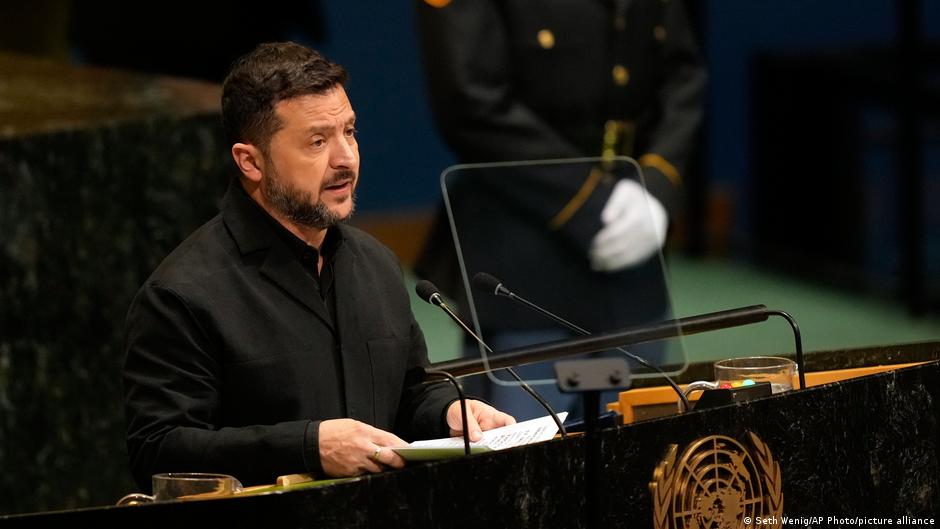
Rubio, speaking at the UN General Assembly in New York, again said Washington was prepared to play a constructive role in achieving a ceasefire. The U.S. posture points to continued engagement with Moscow despite deep disagreements. For senior decision-makers, the practical question is whether diplomatic contact can contain escalation risks without creating expectations of a rapid settlement.
The sequence of events suggests that both sides are maintaining channels of communication while defining them differently. Washington is emphasizing the possibility of a ceasefire and constructive mediation. Moscow is saying it is open to talks, but not to a pause that would reduce pressure on Kyiv. That distinction matters for markets and governments because ceasefire expectations can influence assumptions about energy security, defense production, reconstruction planning and the broader risk premium attached to Europe.
Economic Stakes Beyond the Battlefield
For Ukraine, the absence of a negotiating pause points to continued strain on state capacity and external financing needs. Ongoing strikes on Kyiv reinforce the risk that infrastructure, business confidence and household resilience remain under pressure. Even without new figures, the macroeconomic direction is clear: a prolonged conflict environment tends to increase dependence on partners, complicate fiscal planning and delay the conditions required for large-scale private investment.
For Europe, Lavrov’s framing directly targets the policy logic behind support for Kyiv. By accusing Europe of seeking time to replenish Ukraine’s military stocks, Moscow is acknowledging the central role of defense supply chains in the war’s next phase. That places industrial policy, procurement coordination and fiscal sustainability at the center of Europe’s strategic agenda. The longer talks proceed without a pause in hostilities, the more European governments may have to plan for defense commitments as a structural budget item rather than a temporary emergency measure.
The U.S. role is also evolving in ways that carry economic implications. Rubio previously said the United States had invited Russian President Vladimir Putin to attend the G20 summit scheduled for December in Miami. He said that to solve problems, it is necessary to meet people with whom there are disagreements or certain frictions, explaining the invitation on those grounds. Rubio also noted that the Miami summit could provide Putin with an opportunity to meet U.S. President Donald Trump and other world leaders, adding that Washington hoped he would accept the invitation.
A possible Putin appearance at the G20 would not, by itself, imply a diplomatic breakthrough. But it would signal that major powers are keeping high-level forums open even amid war. For global economic governance, that matters. The G20 is a venue where security disputes can spill into discussions over trade, energy, food security and financial stability. The invitation therefore sits at the intersection of diplomacy and economic risk management.
Lavrov’s refusal to pause for negotiations suggests that any future diplomatic process may be prolonged, conditional and disconnected from immediate military restraint. For corporate boards, ministries of finance and central banks, the key implication is not simply geopolitical tension, but planning uncertainty. Defense spending, sanctions policy, energy security and reconstruction assumptions all depend on whether talks become a path to de-escalation or merely another track running alongside continued attacks.
The New York meetings show that dialogue remains active, but they also show how limited its economic reassurance may be. A ceasefire remains an objective Washington says it is prepared to help pursue. Moscow says it is ready for talks on a sustainable just peace, while rejecting a pause in any format. That combination leaves decision-makers facing a conflict that remains diplomatically engaged, militarily active and economically consequential.