Fed Raises Rates for First Time in Three Years as Inflation Pressure Persists
The 25-basis-point increase signals a policy shift with implications for credit markets, energy costs and global monetary conditions.
The U.S. Federal Reserve has raised the federal funds rate by 25 basis points, lifting the target range to 3.75-4.0 percent annually in its first rate increase in three years. The decision, announced on Wednesday evening, September 16, was justified by the central bank as a necessary response to persistent inflation in the United States.
All 12 members of the Federal Open Market Committee voted in favor of the increase, according to the publication. The move marks a reversal after a period of monetary easing: the Fed had lowered rates three times in 2024 and three more times in 2025. For senior policymakers and corporate decision-makers, the shift is significant not only because of the immediate rise in borrowing costs, but because it signals that the Fed is again prioritizing inflation control even as political pressure mounts for easier credit conditions.
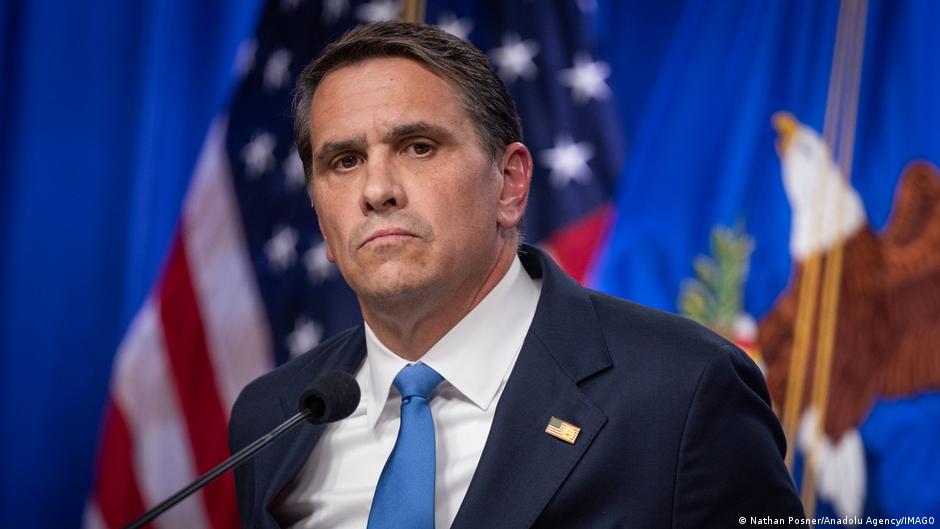
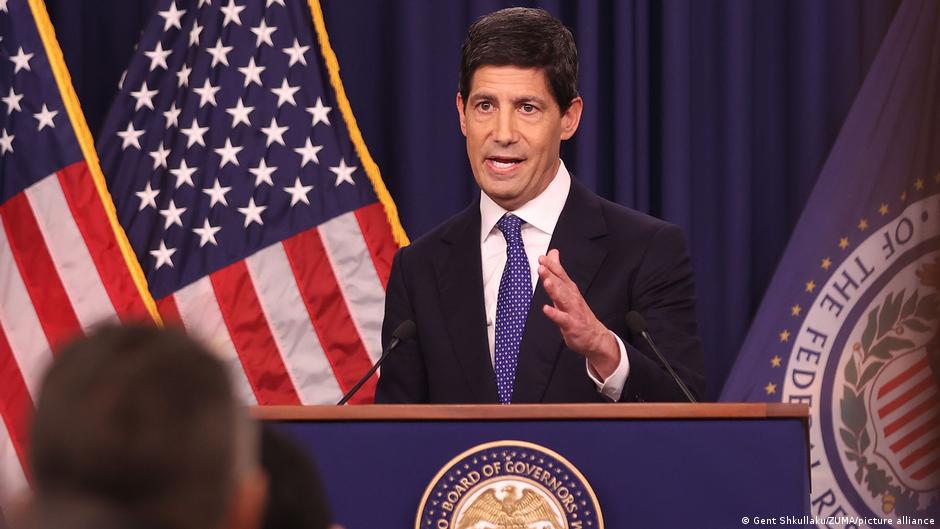
Fed Chair Kevin Warsh framed the decision squarely in terms of price stability, emphasizing that inflation has remained above the central bank’s comfort zone for an extended period.
“Simply put, inflation is too high, and it has continued for too long. That is a fact,” Warsh said at a press conference.
Unlike the European Central Bank, based in Frankfurt am Main, the U.S. Federal Reserve operates under a dual mandate: to ensure price stability and a strong labor market. That dual mandate makes the latest decision economically and politically consequential. By raising rates despite expectations that Warsh would favor a low-rate policy, the Fed has signaled that inflation risks may outweigh near-term concerns over credit affordability and growth.
A Policy Turn With Global Consequences
The rate increase is likely to reverberate beyond the United States. Higher U.S. rates can tighten global financial conditions, influence capital flows and complicate debt management for economies exposed to dollar-denominated borrowing. For businesses, the policy turn may feed into higher financing costs, stricter credit terms and weaker appetite for leveraged investment. For governments, it may reinforce the challenge of balancing inflation control against growth support.
The increase also comes against a volatile geopolitical and commodity backdrop. According to AFP, U.S. President Donald Trump had expected Warsh, once installed as Fed chair, to preserve low interest rates, including to make real estate loans more affordable. However, the war waged by the United States and Israel against Iran since late February has led to a sharp rise in energy prices and, in turn, has fueled inflationary pressure.
Energy-driven inflation carries broader macroeconomic consequences than a conventional demand surge. It can compress household purchasing power, raise input costs for industry and force central banks into more difficult trade-offs. If the Fed tightens policy while energy prices remain elevated, the result could be slower credit growth without an immediate resolution of the underlying supply-side pressure. That combination is a central risk for executives planning capital expenditure, pricing strategy and cross-border financing.
Warsh noted at the September 16 press conference that U.S. inflation has exceeded the Fed’s 2.0 percent target for five years. In July and August of the current year, inflation stood at 3.4 percent. While that level is far below crisis-era peaks in many economies, its persistence matters. A long period of above-target inflation can alter wage expectations, contract negotiations and investment assumptions, making it harder for policymakers to restore price stability without a more restrictive stance.
Warsh’s background adds another layer to the policy shift. He was nominated to lead the Federal Reserve by President Trump and took office in mid-May. From 2006 to 2011, he served on the Fed’s Board of Governors. Before that, he worked as a banker at Morgan Stanley, specializing in mergers and acquisitions. He also advised Trump on economic policy.
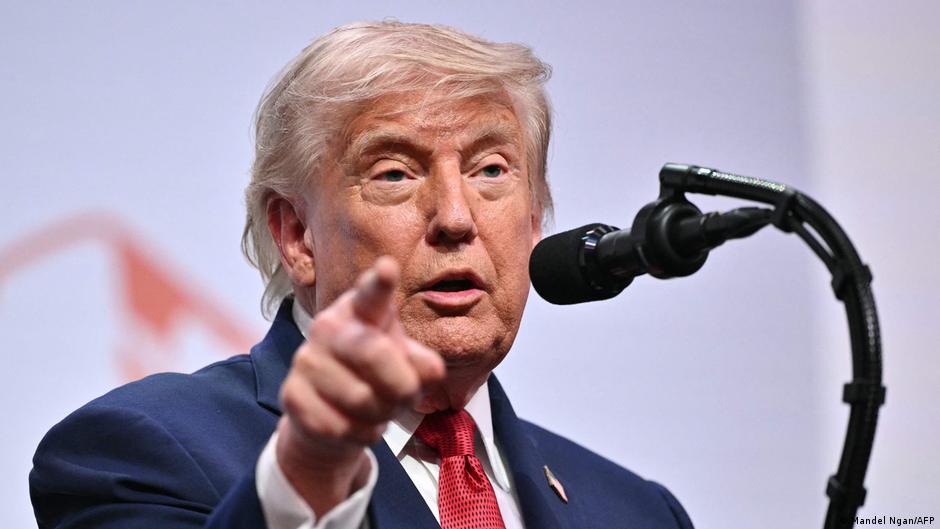
Those connections made the rate increase politically sensitive. Trump sharply criticized the FOMC decision, saying it was driven by “political motives.” Speaking to reporters in North Carolina on September 16, he said Warsh was “a good person,” but argued that, regardless of how well he performed his role, he had to deal with hostile leadership. Trump added that FOMC members were raising the key rate to inflict as much damage on him as possible and were doing so for political reasons.
For markets, the dispute underscores a familiar but important risk: central bank independence may become a more prominent issue as inflation remains above target and rate-sensitive sectors face pressure. If political criticism intensifies, investors may watch closely for signs that policy decisions remain anchored in inflation data rather than electoral considerations.
The immediate economic message is clear. The Fed is no longer operating in an easing cycle, and its willingness to raise rates after six cuts across the previous two years suggests that the inflation environment has changed the policy calculus. For global decision-makers, the rate move should be read less as a single adjustment and more as a warning that the cost of capital may remain structurally higher if energy shocks, geopolitical instability and above-target inflation continue to reinforce one another.