Russian Overnight Strikes Hit Kyiv, Odesa and Sumy, Injuring Children
The attacks on Ukrainian cities underscore the continuing economic strain of Russia’s war on urban infrastructure, public services and civilian resilience.
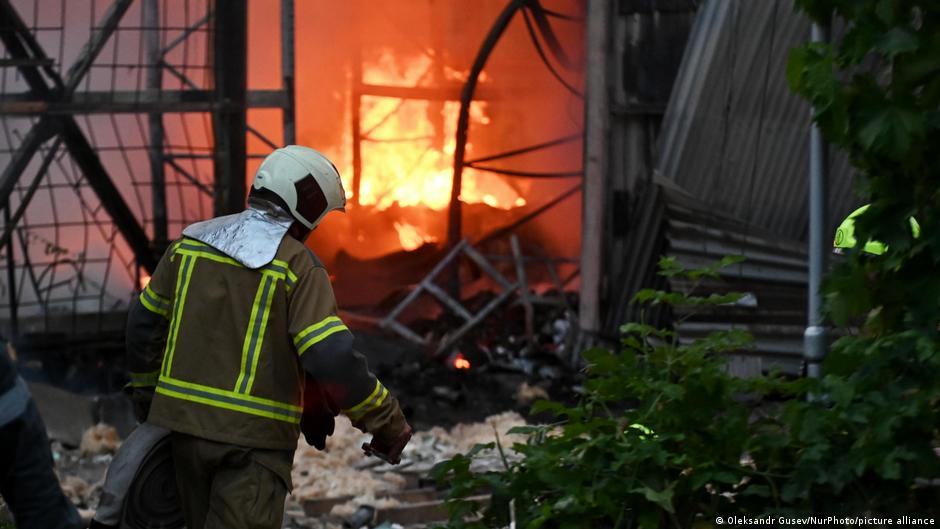
Russia carried out overnight attacks on Kyiv and Odesa, while separate strikes on Sumy left one person dead, Ukrainian officials reported, in a further reminder that the war’s human toll is inseparable from its economic consequences. The latest attacks damaged residential, educational, office and storage facilities, adding to the cumulative pressure on Ukraine’s cities, emergency services and reconstruction needs.
In Kyiv, at least 12 people were injured in Russian strikes overnight into Thursday, September 17, according to the city’s mayor, Vitali Klitschko, who wrote on Telegram that the wounded included children aged 10 and 12. Klitschko said nine of the injured were in hospitals.
The Kyiv City Military Administration earlier reported on Telegram that the 10-year-old child injured in the Russian attack was a girl. The city also reported damage by morning to warehouse premises in the Solomianskyi and Dniprovskyi districts of the Ukrainian capital. In the Dniprovskyi district, a residential building was also damaged, according to the city administration.
Klitschko said that in the Dniprovskyi district, the glazing and facade of a three-story office building were damaged. Windows were blown out in several residential buildings. In the Sviatoshynskyi district, he said, a non-residential building was damaged.
Ukraine’s State Emergency Service reported that in Kyiv’s Holosiivskyi district, the facade and glazing of a four-story university building were damaged. The name of the educational institution was not specified. According to the report, there were no deaths or injuries in that incident.
Ukraine’s Air Force had reported on Telegram during the night of September 17 that missiles were moving toward Kyiv.
Urban Damage Adds to Ukraine’s Long-Term Economic Burden
For senior economic decision-makers watching the war, the significance of such attacks extends beyond the immediate battlefield. Strikes on residential areas, offices, warehouses, educational buildings and transport-linked urban districts compound Ukraine’s already substantial recovery challenge. Every damaged facade, shattered window, ruined storage site or destroyed private home carries costs that are dispersed across households, municipalities, insurers, businesses and the state budget.
The attacks also reinforce the policy dilemma facing Ukraine and its international partners: how to finance immediate protection and repair while sustaining longer-term reconstruction, public services and economic activity. Damage to warehouses can disrupt local supply chains and inventories. Damage to offices and residential buildings can interrupt work, displace families and raise the fiscal burden on city authorities. Damage to a university building, even without casualties, points to the war’s impact on human capital and the institutions needed for postwar recovery.
These are not isolated economic effects. Repeated attacks on major cities can influence labor mobility, business continuity, local tax revenues and investment confidence. They also raise the opportunity cost for the Ukrainian state, which must balance emergency medical care, civil defense, repair works and military spending against development priorities. For foreign governments and lenders, each new wave of damage adds to the scale and urgency of reconstruction planning.
“In hospitals are nine of the injured,” Klitschko said in a Telegram post cited in the source report.
In Odesa, the head of the city military administration, Serhii Lysak, said the same night that at least three people were injured in a Russian attack on the city, including a four-year-old child. “All are receiving the necessary medical assistance,” his post said. Earlier, Lysak reported that a multi-story building had been damaged in the Russian attack on Odesa.
Odesa’s strategic and economic importance gives such incidents wider relevance. The city is a major urban center with a role in Ukraine’s commercial and maritime economy. Even when reports do not specify industrial or port-related damage, attacks on housing and city infrastructure contribute to uncertainty around the operating environment in southern Ukraine. That uncertainty matters for businesses, logistics providers, public administrators and foreign partners assessing the country’s medium-term resilience.
The preceding evening, Ukraine’s State Emergency Service reported that Russian airstrikes in Sumy killed one person and injured nine others, including two children. According to the agency, guided aerial bomb attacks destroyed and damaged private residential homes, outbuildings and civilian vehicles.
The Sumy reports highlight another economic pattern of the war: damage is spread not only across Ukraine’s largest cities but also across regional communities where private homes, agricultural-related outbuildings and vehicles form part of household wealth and local productivity. The destruction of civilian property can deepen vulnerability at the household level, forcing families to divert savings or rely on public support while local governments face repair and relief demands.
Policy Implications Beyond the Immediate Casualties
The latest reported casualties include children in Kyiv, Odesa and Sumy, underscoring the civilian exposure created by the ongoing Russian attacks. For policymakers, the human impact is central, but it also shapes economic planning. Injuries require emergency and hospital capacity. Damaged homes increase demand for temporary support. Disrupted buildings and public institutions reduce the reliability of daily economic life.
Ukraine’s partners have already treated air defense, fiscal support and reconstruction as linked priorities. Reports of missiles moving toward Kyiv and of damage across multiple districts will reinforce arguments that civilian protection is also an economic stabilization tool. The less predictable urban life becomes, the more difficult it is to sustain employment, education, local commerce and investor confidence.
The attacks reported for September 17 therefore fit into a broader macroeconomic picture: Russia’s war continues to impose recurring costs on Ukraine’s public finances, fixed assets and human capital. The immediate figures are stark: 12 injured in Kyiv, including two children; at least three injured in Odesa, including a four-year-old child; one dead and nine injured in Sumy, including two children. Behind those figures is a growing stock of damaged property and interrupted civic infrastructure that will shape Ukraine’s recovery needs long after emergency crews leave the sites.