House Advances Graham Bill Linking Russia Energy Trade to 100% Tariffs
The measure would broaden presidential tariff powers against buyers of Russian energy while extending existing U.S. sanctions on Iran.
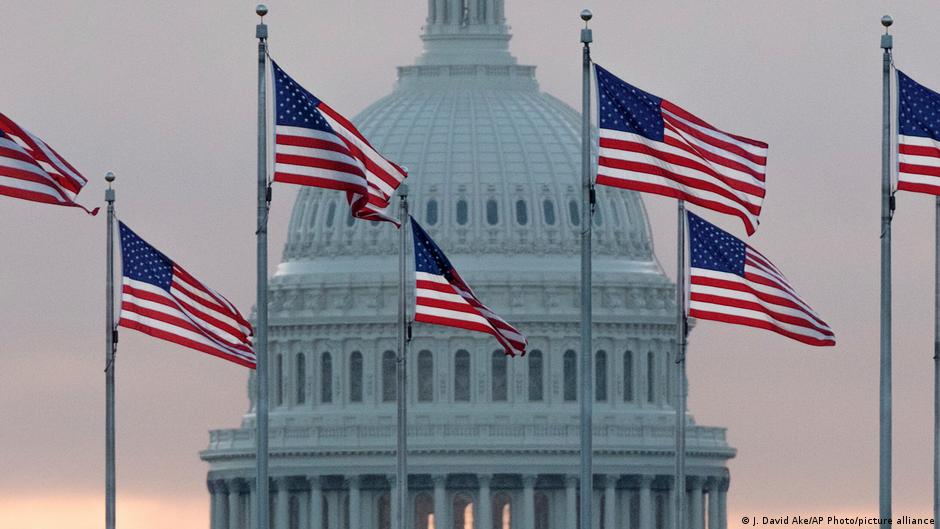
The U.S. House of Representatives has cleared the way for substantive debate on a bill associated with the late Senator Lindsey Graham that would allow President Donald Trump to impose steep tariffs on countries purchasing Russian energy resources. The procedural vote, held on Tuesday, September 15, marks a significant step toward a broader sanctions and trade package with direct implications for global energy markets, U.S. tariff policy and the economic architecture surrounding Russia’s war economy.
The measure, described by media outlets as the “Graham bill,” would authorize the U.S. president to levy 100% tariffs on the five largest buyers of Russian oil and gas, as well as on five countries accused of helping Russia circumvent energy sanctions. It also extends existing U.S. sanctions against Iran, tying together two long-running strands of American economic statecraft: pressure on Moscow’s energy revenues and continued restrictions on Tehran.
For senior policymakers and corporate decision-makers, the bill’s significance lies less in the procedural vote itself than in the potential shift it signals. If enacted, Washington would move further toward using tariffs not simply as trade instruments, but as secondary economic pressure tools aimed at third countries that continue to transact with sanctioned economies.
A Narrow Vote With Broad Economic Stakes
According to The Hill, the rule governing consideration of the bill was approved after two Democrats broke with their party’s position. The final vote was 214 in favor and 211 against, giving Republican backers enough support to open debate on the substance of the legislation.
The procedural result does not enact the tariffs. It does, however, move the bill into a phase where lawmakers can debate the underlying measure and potentially send it to the full House for a final vote. That vote is expected before the end of the current week. If the bill receives support at that stage, it would be sent to Trump for signature. Trump has previously said he supports the initiative.
The narrow margin highlights a deeper divide in Washington over how far the executive branch should be empowered to use tariffs in pursuit of geopolitical goals. Supporters frame the bill as a strategic message to Moscow and Beijing. Critics warn that it could raise costs for U.S. consumers and weaken support for Ukraine over time.
Democratic critics warned that the measure would “sharply expand” Trump’s tariff powers without requiring mandatory sanctions against Russia.
That tension is central to the bill’s macroeconomic relevance. Tariffs of 100% on major buyers of Russian oil and gas would represent a potentially disruptive intervention in global commodity flows. Even if used selectively, the authority could reshape expectations among energy importers, insurers, shipping firms and refiners that rely on predictable access to crude and gas markets.
Energy Markets and Secondary Pressure
The bill targets not only Russia, but also the countries that continue to purchase Russian energy. By focusing on the five largest buyers of Russian oil and gas, the legislation would place U.S. trade policy directly into the supply decisions of major energy-importing economies. It would also cover five countries deemed to be helping Russia evade energy sanctions.
That design reflects a broader evolution in sanctions policy. Rather than relying only on direct restrictions against Russian entities, the measure would create a tariff-based penalty for third-country behavior. Such a framework could increase compliance pressure beyond the formal sanctions coalition, but it could also introduce new frictions into global trade relationships.
For multinational firms, the economic question would be whether the risk of punitive U.S. tariffs changes procurement, financing or routing decisions. Companies operating across energy, logistics, finance and manufacturing would need to assess exposure not only to Russian-origin commodities, but also to counterparties in countries that may fall within the bill’s scope.
The possible impact on inflation is also politically salient. Democratic lawmakers Don Beyer, Gregory Meeks and Richard Neal warned that the bill would lead to higher prices for Americans and, over the long term, undermine support for Ukraine. Their argument places consumer costs at the center of the debate: a sanctions tool designed to pressure Russia could also raise the domestic price burden if it disrupts supply chains or contributes to higher energy and import costs.
Ukraine, Taiwan and the Strategic Signal
Supporters have cast the measure in strategic terms extending beyond Russia. On Monday, September 14, during hearings before the House Rules Committee, Republican Representative Michael McCaul of Texas described the next day’s vote as exceptionally important. He said it would send a message to Russian President Vladimir Putin about U.S. support for Ukraine, while also warning Chinese President Xi Jinping against attempting aggression toward Taiwan.
That linkage is economically meaningful. By connecting Ukraine and Taiwan in the same political argument, supporters are presenting the bill as part of a wider deterrence framework. The underlying assumption is that credible economic penalties can shape the calculations of rival powers beyond the immediate theater of conflict.
For markets, such signaling matters because it suggests that trade policy may become more tightly integrated with security policy. Tariff authorities, sanctions extensions and energy restrictions are increasingly being treated as tools in the same strategic toolkit. This can raise the cost of geopolitical risk for companies with exposure to sensitive jurisdictions, especially where supply chains intersect with energy, technology or dual-use sectors.
The inclusion of Iran-related sanctions in the same bill reinforces that trend. Extending existing U.S. sanctions against Iran alongside new Russia-related tariff powers would consolidate pressure on two major sanctioned states within one legislative package. That may appeal to lawmakers seeking a tougher posture, but it also increases the complexity for businesses and governments trying to interpret Washington’s policy direction.
The next key test will be the full House vote expected before the end of the week. If the legislation advances again, the debate will shift from congressional procedure to executive implementation. The central uncertainty would then be how Trump might use the authority: whether as a bargaining tool, a targeted pressure mechanism, or a broader tariff threat against major Russian energy buyers.
For global decision-makers, the bill is therefore less a narrow sanctions story than a sign of where economic policy is moving. Energy trade, tariffs and national security are becoming increasingly intertwined. If enacted, the Graham bill could expand the reach of U.S. economic pressure while also raising questions about inflation, alliance management and the durability of political support for Ukraine.