Zelenskyy Signals Difficult Budget Laws as Ukraine Seeks Western Aid
Ukraine’s parliament is set to consider seven bills tied to billions of dollars in external financing as Kyiv confronts a widening defense budget gap.
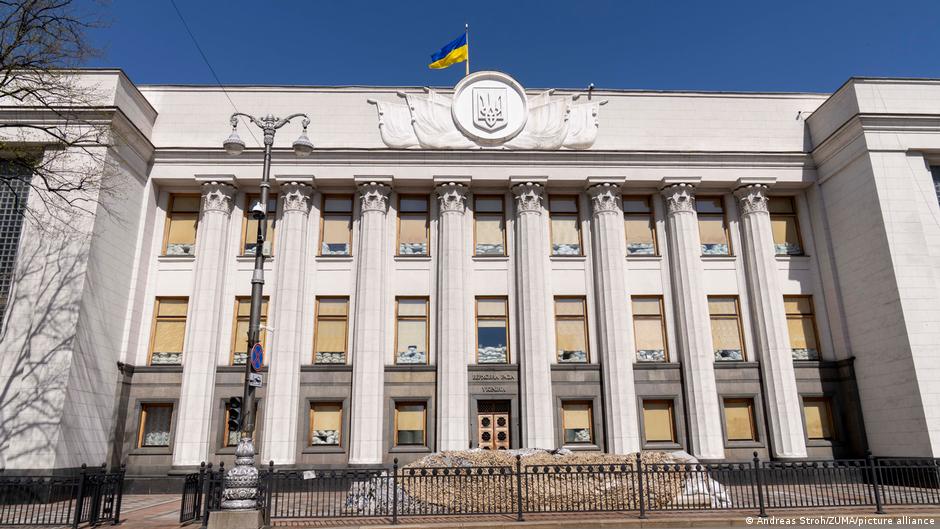
Ukraine’s parliament will this week consider a package of seven bills that President Volodymyr Zelenskyy described as necessary to close a gap in the state budget and unlock billions of dollars in support from Western partners.
Writing on Telegram on the evening of Tuesday, September 15, Zelenskyy said the draft laws were all linked to “money for Ukraine from its partners.” Most of the initiatives are expected to be reviewed in a first reading, according to his post.
The measures, he indicated, may be politically difficult but are being presented by Kyiv as essential to sustaining the country’s war economy. For senior policymakers and investors watching Ukraine’s fiscal position, the message is clear: the next phase of external support is increasingly conditional on domestic legislative action, even when the required steps are unpopular.
“Some of these things may be difficult, unpleasant and unpopular,” Zelenskyy wrote, adding that without them Ukraine could not meet its defense needs or preserve its capacity for recovery.
Fiscal Strain Meets Conditional Financing
Zelenskyy framed the bills as issues of national importance. If lawmakers support them, Kyiv could receive assistance amounting to several billion U.S. dollars, based on his statement. The precise structure of the legislation was not detailed in the source article, but the president’s remarks connect parliamentary approval directly with disbursements from Ukraine’s international partners.
That linkage matters beyond Ukraine’s domestic politics. Since Russia’s full-scale invasion, the Ukrainian state has become heavily dependent on external financing to fund defense, stabilize public finances and maintain basic government functions. The war has turned Ukraine into a test case for long-duration allied budget support, where fiscal credibility, military requirements and reform conditionality are intertwined.
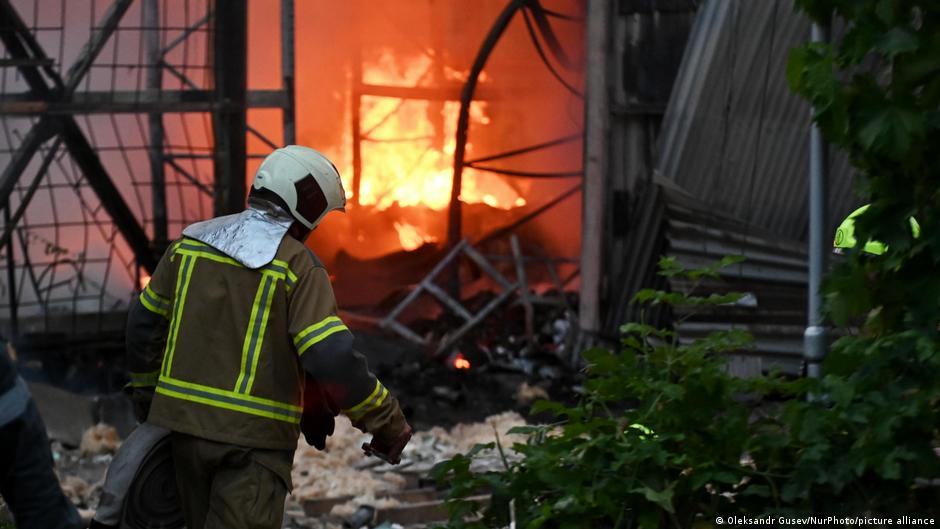
AFP has noted that Ukraine’s budget shortfall has been shaped mainly by an estimated 23 billion euro equivalent gap in the defense sector. The agency also reported that Ukraine faces a deteriorating economic situation, with Russian attacks damaging industry, particularly metallurgy, and reducing agricultural export volumes. Those sectors are central to Ukraine’s foreign-currency earnings and its ability to generate domestic revenue.
The macroeconomic implications are significant. A weakened export base reduces the government’s room to finance expenditure internally, while wartime defense obligations continue to rise. That combination increases reliance on official creditors and allied governments. It also means that parliamentary votes in Kyiv can carry consequences for broader European security financing and the credibility of Western commitments.
Defense Needs Drive the Policy Calendar
Zelenskyy’s latest remarks follow comments he made in late August during a visit to Kyiv by the leaders of Denmark, Latvia, Lithuania, Norway, Finland and Estonia. At that time, he said he expected 30 billion euros from the European Union as part of a two-year, 90 billion euro loan arrangement.
He also said the allocation of those funds was tied to the adoption of corresponding legislation. Zelenskyy stressed that the entire parliament, including the opposition, needed to work because the 30 billion euros were not available either to the government or to the opposition, but were needed for the defense of the whole country.
At the same time, the Ukrainian president estimated the Defense Ministry’s budget deficit at 27 billion dollars, or more than 23.1 billion euros. He said the gap had emerged in part because of overspending in the first half of the year. Ukraine, he added, needs 8 billion to 10 billion dollars to prepare the army for January 2027 and nearly 20 billion dollars for needs including military salaries and payments to the families of those killed.
For decision-makers in Europe and the United States, these figures underline the scale and persistence of Ukraine’s wartime financing problem. The requirement is not a one-off stabilization package but a rolling funding challenge extending into 2027. That horizon raises questions about the durability of donor coalitions, the balance between loans and grants, and the domestic political costs of attaching conditions to emergency security assistance.
The proposed legislation also reflects a broader policy shift. Ukraine’s partners appear to be using financing packages not only to support Kyiv’s immediate defense needs but also to reinforce budget governance and legislative discipline. For Ukraine, the trade-off is acute: unpopular measures may be required to secure the resources needed to sustain the war effort and maintain recovery capacity.
For global markets, the direct spillovers remain concentrated in commodities and regional risk. Damage to metallurgy and constrained agricultural exports can affect supply patterns, while Ukraine’s dependence on external support keeps sovereign financing risk closely tied to Western political calendars. Any delay in aid disbursement could intensify pressure on public finances, though the source article does not report such a delay.
The immediate test is now in the Verkhovna Rada. If lawmakers advance the bills, Kyiv may move closer to unlocking several billion dollars in partner funding. If the process stalls, it would expose the tension at the center of Ukraine’s war economy: the country’s defense and recovery needs are expanding, while the financing needed to meet them depends increasingly on coordinated action between domestic institutions and foreign backers.