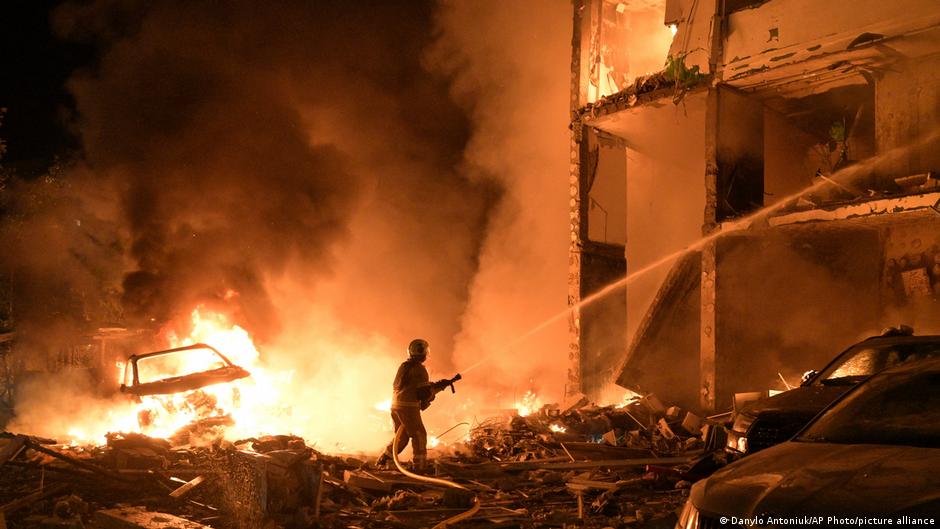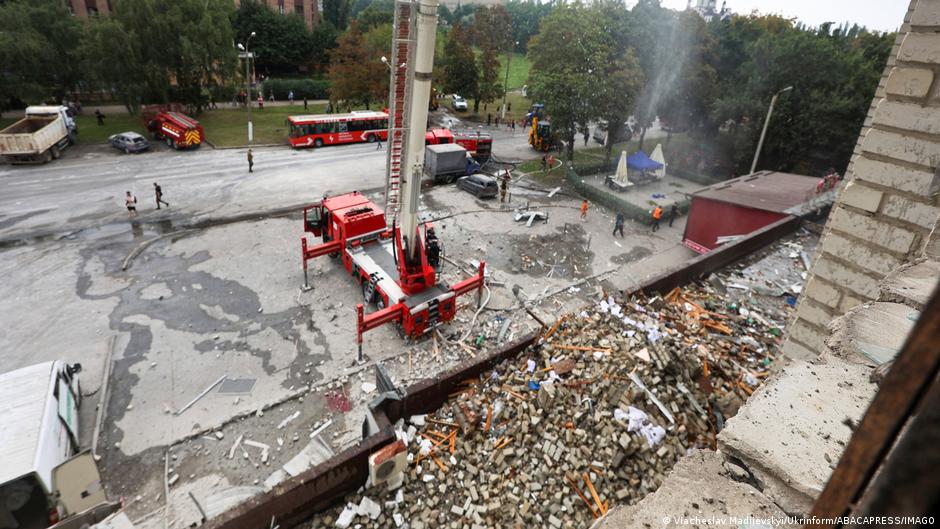
Russian Strikes Across Ukraine Kill 20, Disrupt Urban Infrastructure
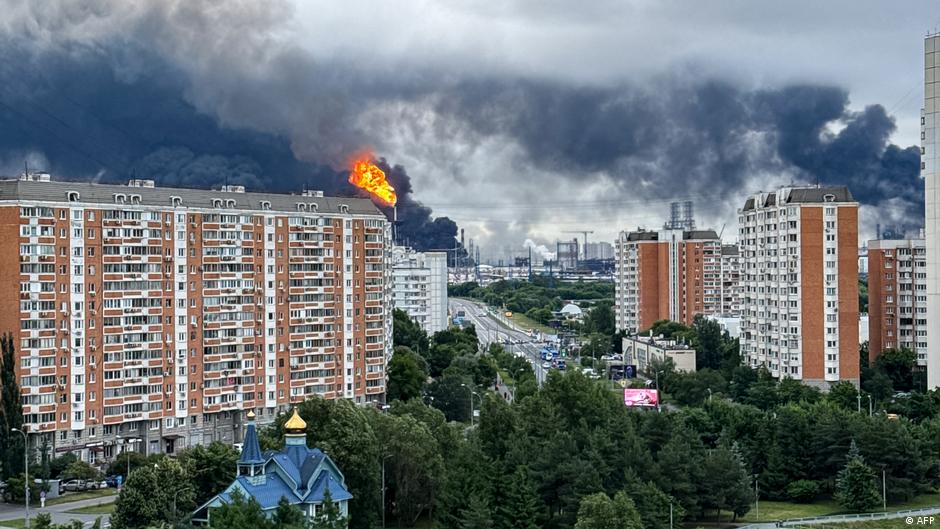
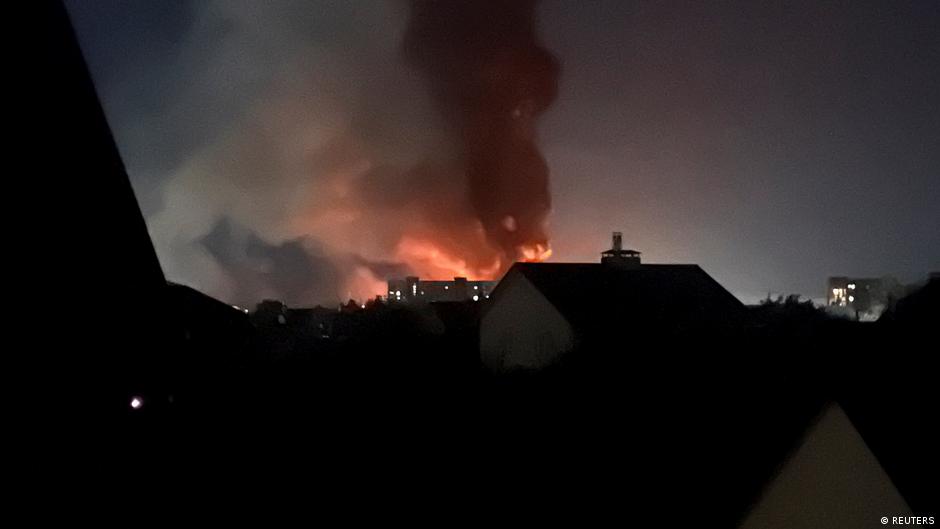
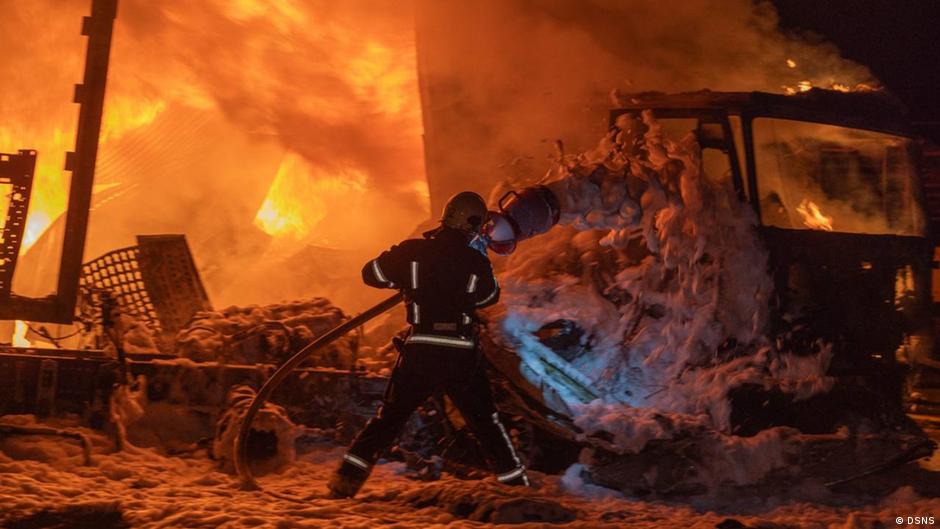
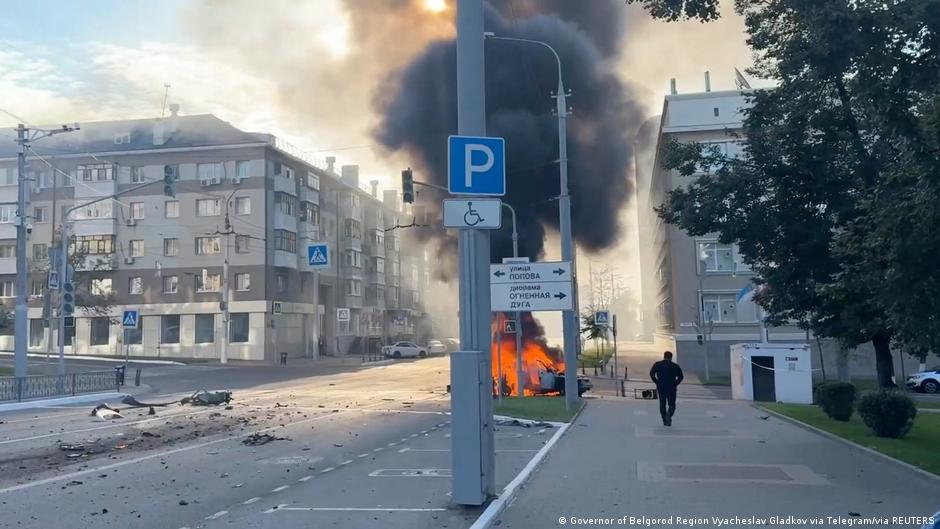
Russian strikes killed at least 20 people across Ukraine and damaged rail, warehouse, residential and industrial assets, intensifying economic pressures.

Russian strikes killed at least 20 people across Ukraine and damaged rail, warehouse, residential and industrial assets, intensifying economic pressures.

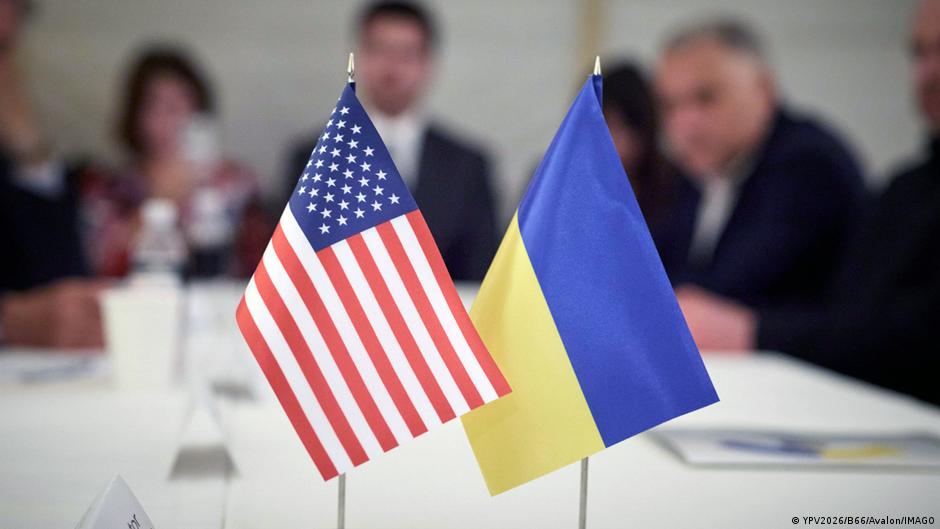
Ukraine’s reported refinery-strike pause shows how US electoral pressure, fuel prices and dependence on American technology are reshaping wartime strategy.

Washington is reviewing sanctions on Russia’s RDIF as proposed diesel shipments bring energy prices, investment ties and sanctions policy into the same negotiation.

Lula won Brazil’s runoff with 51.8%, but Flávio Bolsonaro’s demand to annul the result adds institutional risk to an already fragile economic outlook.

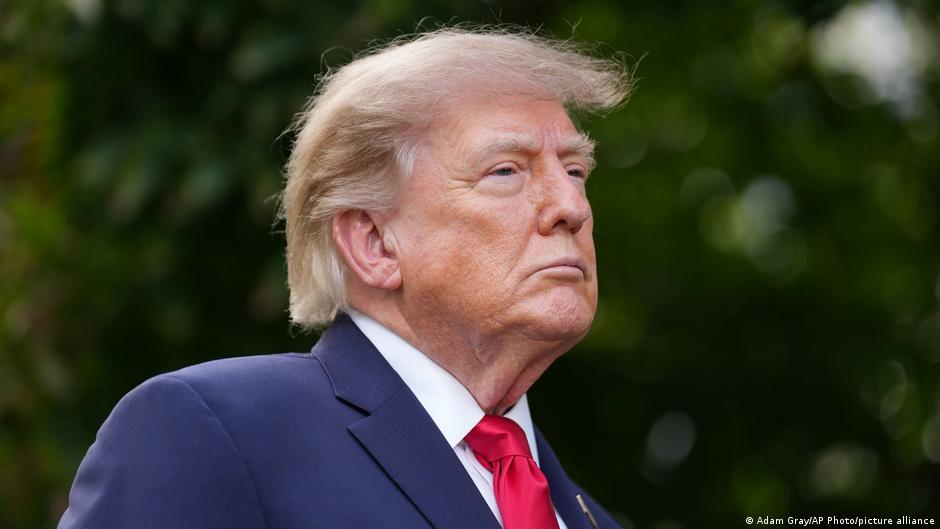
Trump has postponed sweeping Russia-linked tariffs, citing Ukraine negotiations, Moscow’s limited support for Iran and risks to global diesel markets.

Washington’s reported threat to block a Ukraine arms channel highlights the growing economic stakes of energy infrastructure strikes.

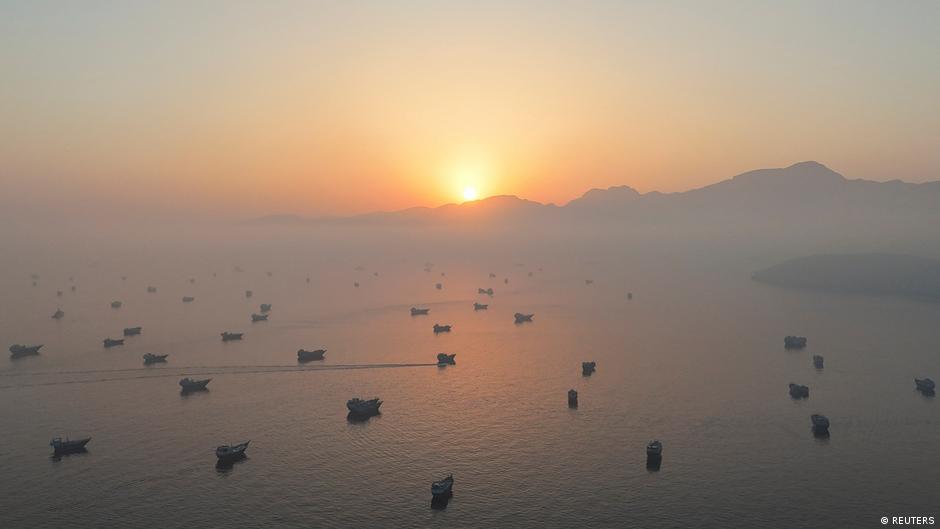
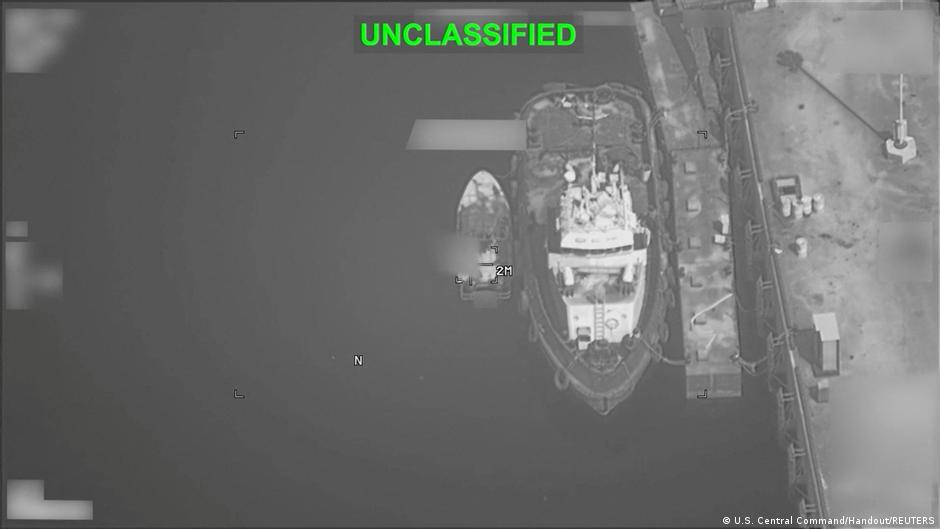
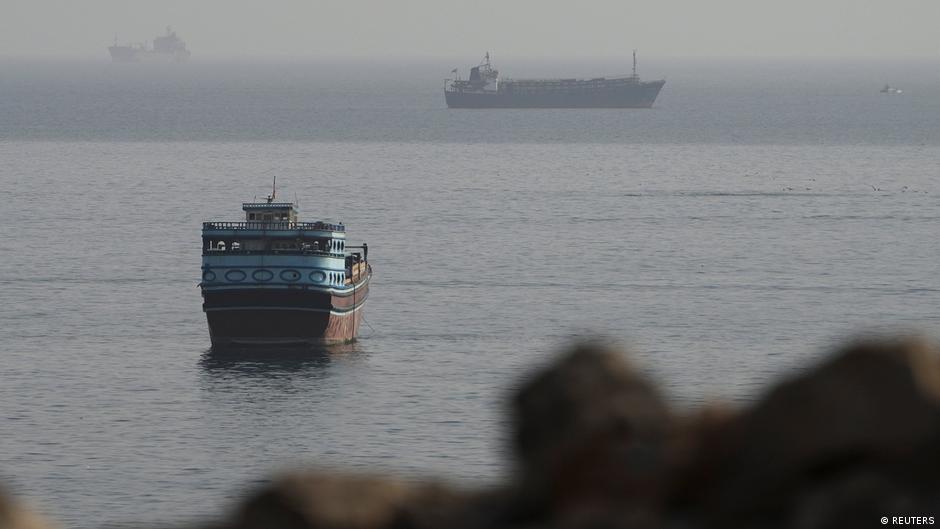
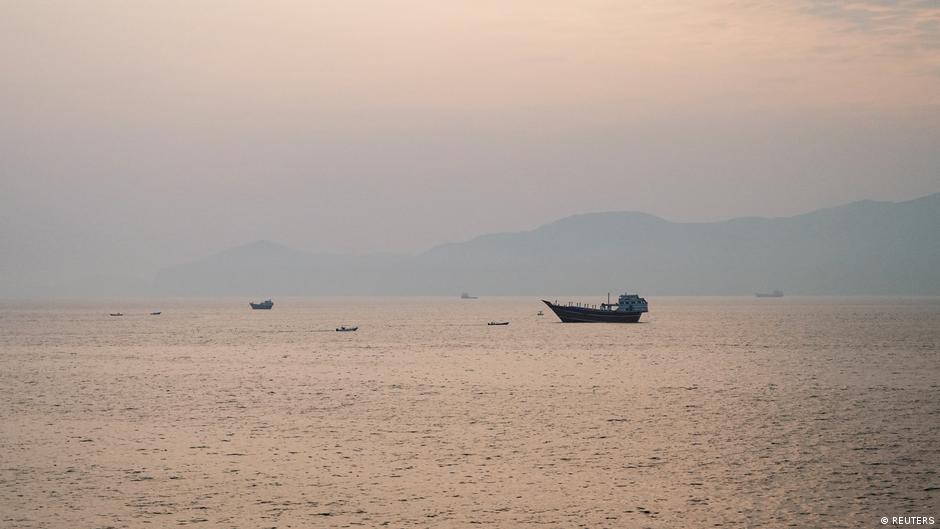
A U.S. strike disabled a Panama-flagged vessel near Iran, highlighting rising energy, trade and policy risks around the Strait of Hormuz.

A bipartisan House bill would seek to ban Russian oil purchases, challenging Trump’s reported diesel supply agreement with Moscow.

Zelensky warned that easing Russian diesel export limits without de-escalation would strengthen Moscow and risk prolonging the war.

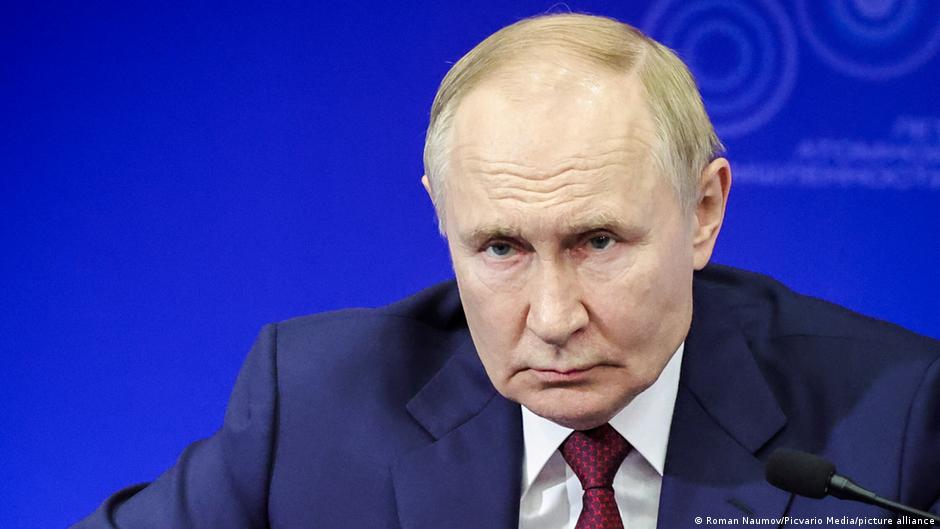
Putin’s Valdai speech sharpened nuclear rhetoric and blamed the West, reinforcing Europe’s long-term geopolitical and economic risk outlook.

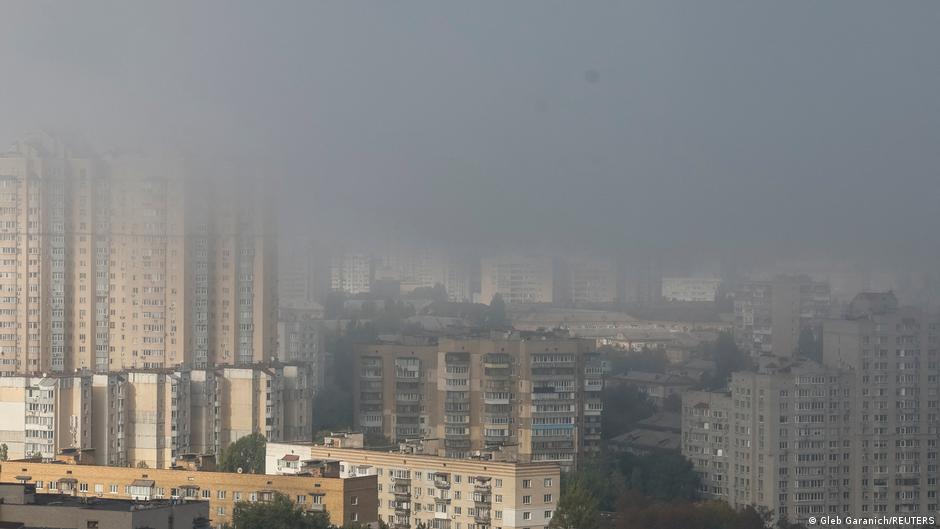
Russian attacks damaged property in Kyiv, Odesa, Sumy and Kyiv region while forcing new electricity limits across parts of Ukraine.

Trump expects new Iran talks as Washington rejects Tehran’s Hormuz plan, keeping energy markets and regional escalation risks in focus.

Kyiv denied that Trump proposed Moscow talks for Zelensky as U.S. diplomacy focuses on energy strikes and rising diesel prices.

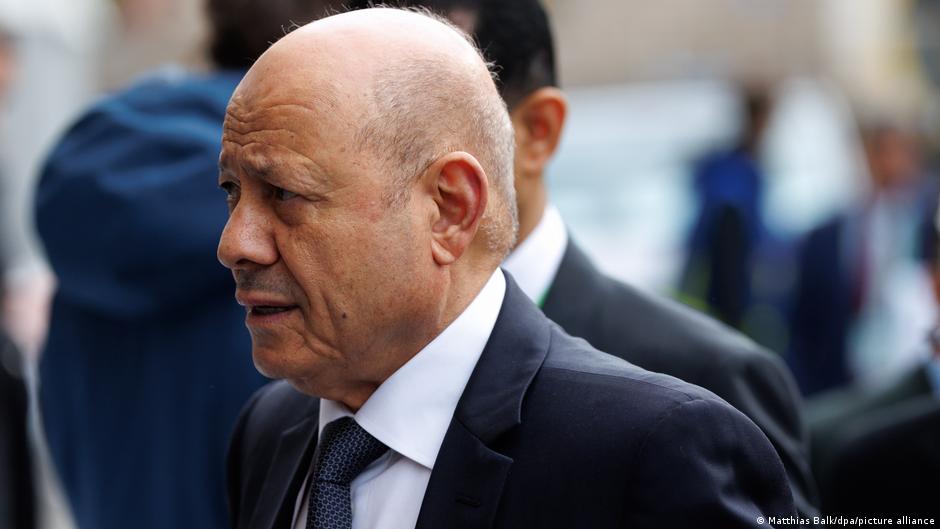
Yemen’s mobilization call underscores rising risks to energy flows, Red Sea trade routes and Gulf export stability as Houthi forces advance.

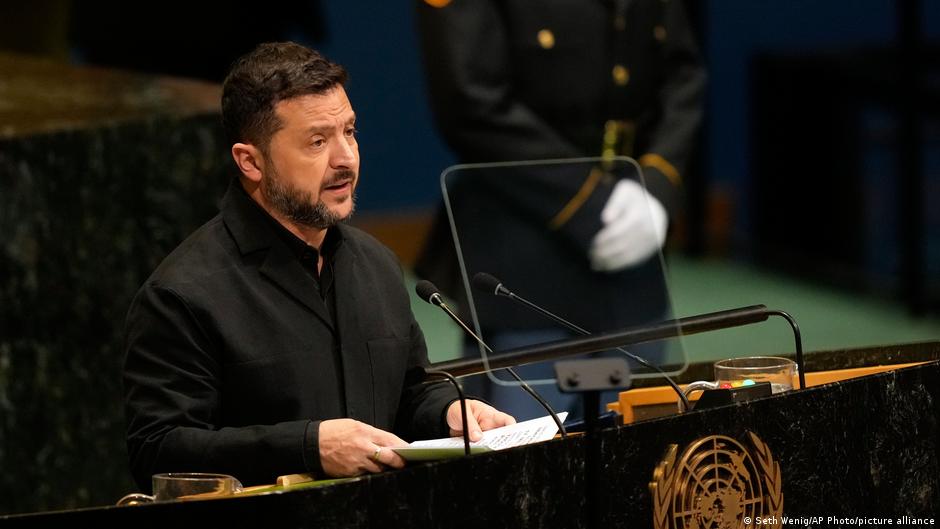
Zelenskyy used his UN address to link Russia’s war to energy revenues, global instability, AI risks and the long-term economic costs of conflict.

Two people were killed and six injured in Kyiv as Russian strikes damaged urban infrastructure, including areas near medical facilities.

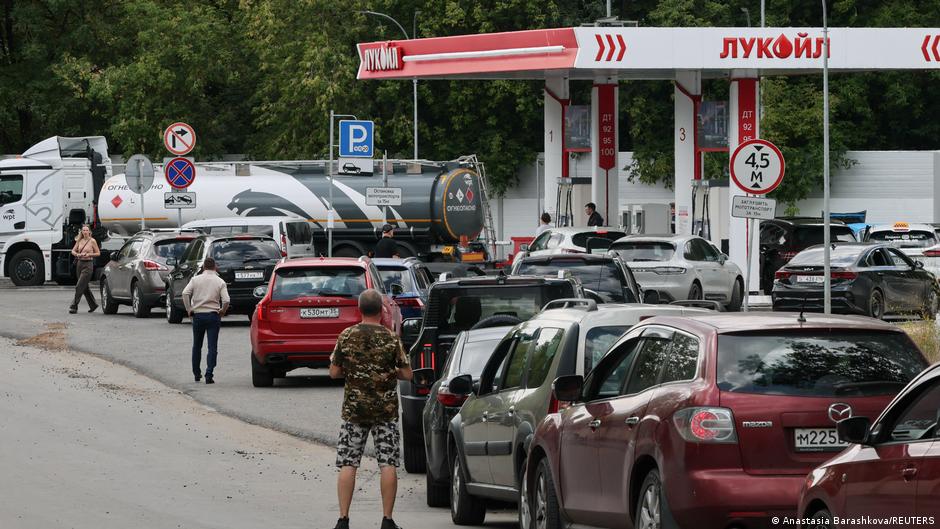
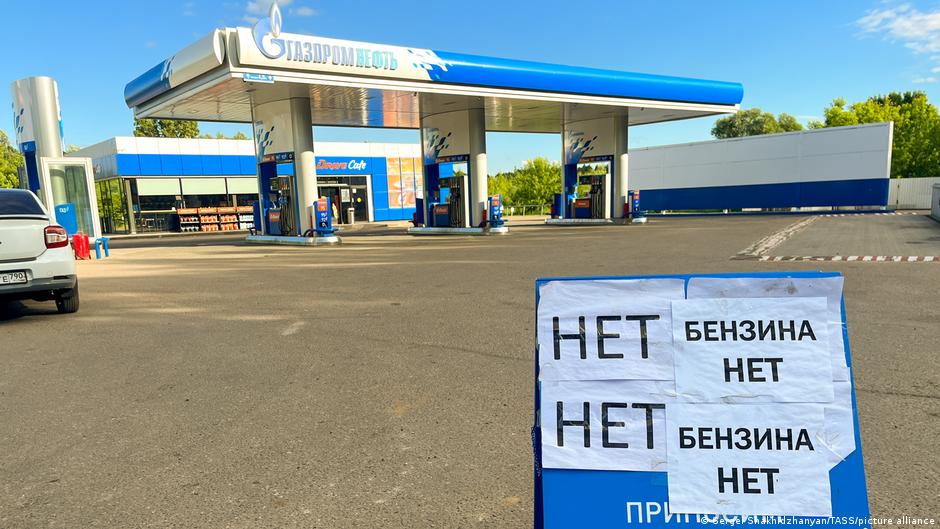
Kaluga and Zabaykalsky are restoring petrol limits as refinery strikes deepen Russia's second wave of fuel shortages.

U.S.-Iran talks in New York may reopen diplomacy on sanctions, Hormuz shipping and Gulf security after Trump’s renewed threats.

United Russia’s early Duma lead points to a constitutional majority, reinforcing policy continuity and Western sanctions risk.

Trump signed the Graham sanctions law, giving the U.S. broad tariff powers over major buyers of Russian energy and sanctions evasion networks.

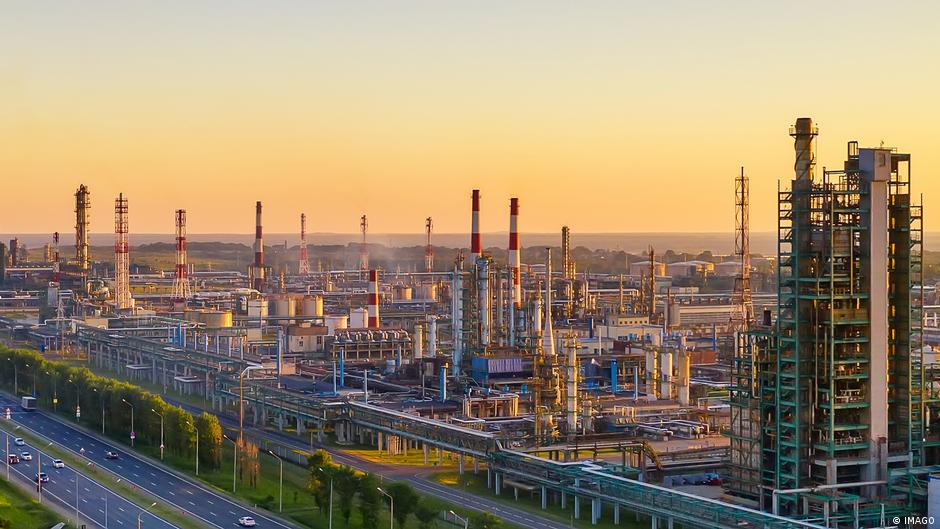
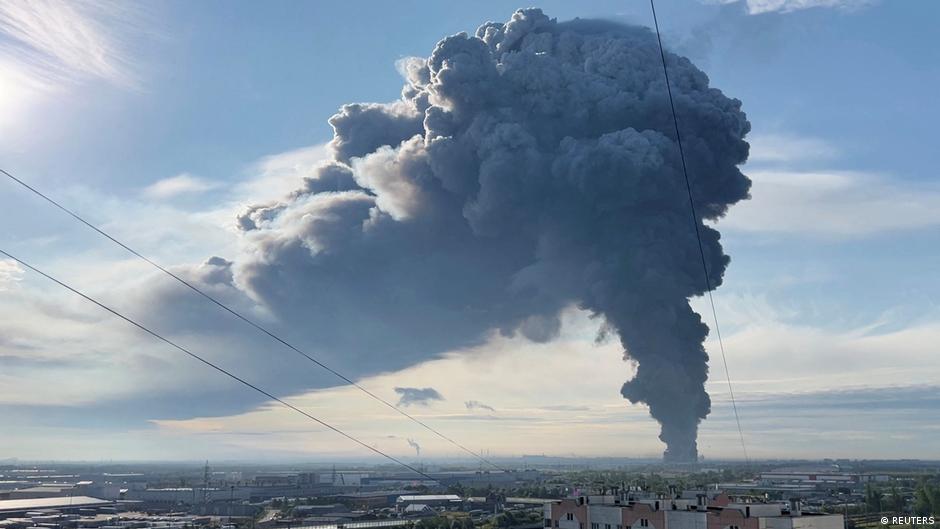
The halt at Yaroslavl’s YANOS refinery deepens Russia’s fuel shortages and exposes rising wartime risks to its energy infrastructure.

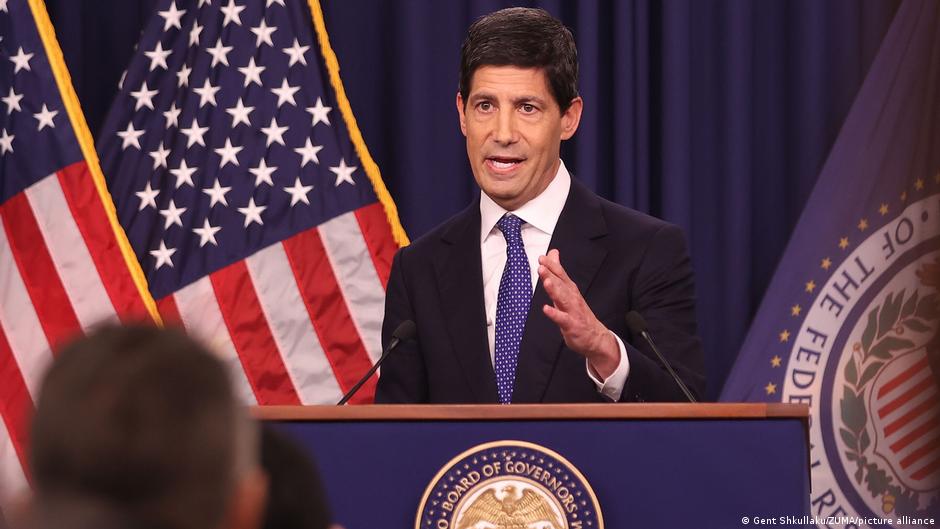
The Fed lifted rates to 3.75-4.0 percent, reversing years of cuts as persistent inflation and energy shocks reshape policy risks.

The House opened debate on a bill allowing 100% tariffs on major Russian energy buyers, raising stakes for energy markets and U.S. policy.

Saudi Arabia’s East-West pipeline shutdown could cut global oil supplies by 4% if repairs drag on, raising energy and inflation risks.

Mass protests across Germany reveal mounting political strain as the AfD gains ground and debate intensifies over bans and cooperation barriers.

Russia is expected at G20 energy talks in Houston as governments weigh energy security, sanctions and Red Sea risks.

The Houthi capture of Mocha strengthens their position near Bab el-Mandeb, increasing risks to oil flows, prices and U.S. policy options.

Zelensky expects late-September US talks on food and energy security as Ukraine warns of Black Sea export disruption and infrastructure attacks.

Russian strikes killed civilians in Sumy and Mykolaiv while damaging port, warehouse, postal and civilian infrastructure, deepening Ukraine’s economic exposure.

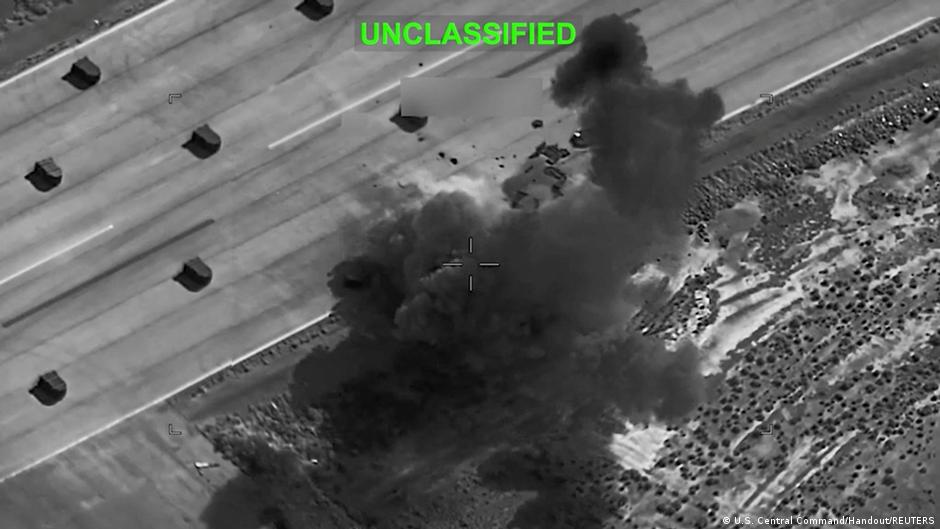
CENTCOM said it destroyed five Iranian oil tankers after IRGC missile attacks, deepening risks around Gulf shipping and oil markets.

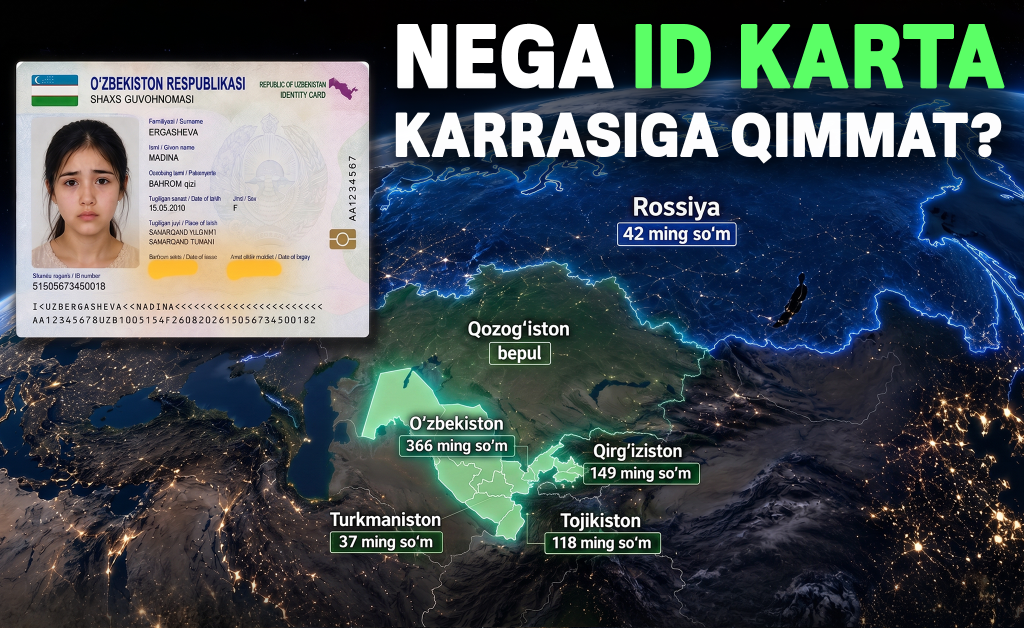
A debate over Uzbekistan's first ID card fee is widening as regional peers charge less or waive first-time costs, raising questions about access and policy design.

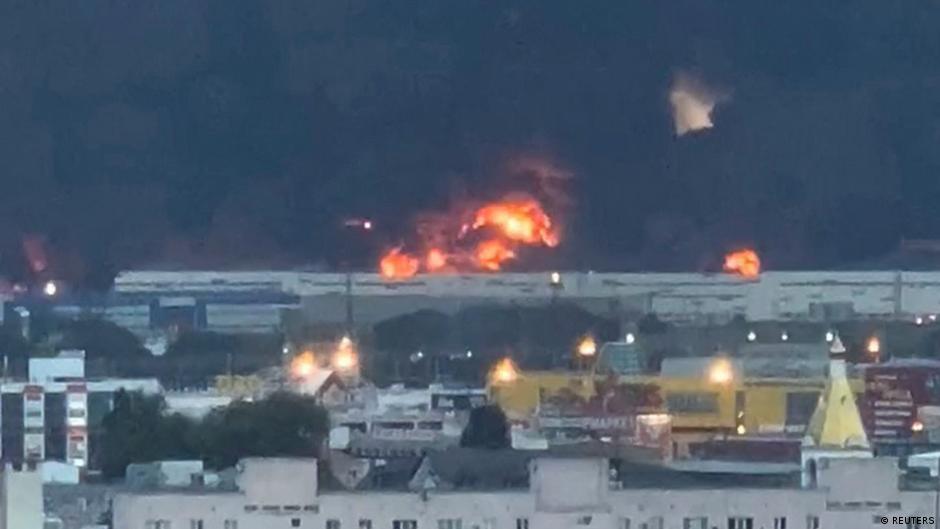
Drone strikes on Ozon logistics centers in Krasnodar and Stavropol caused fires, casualties, and supply chain disruptions, exposing vulnerabilities in critical Russian infrastructure.

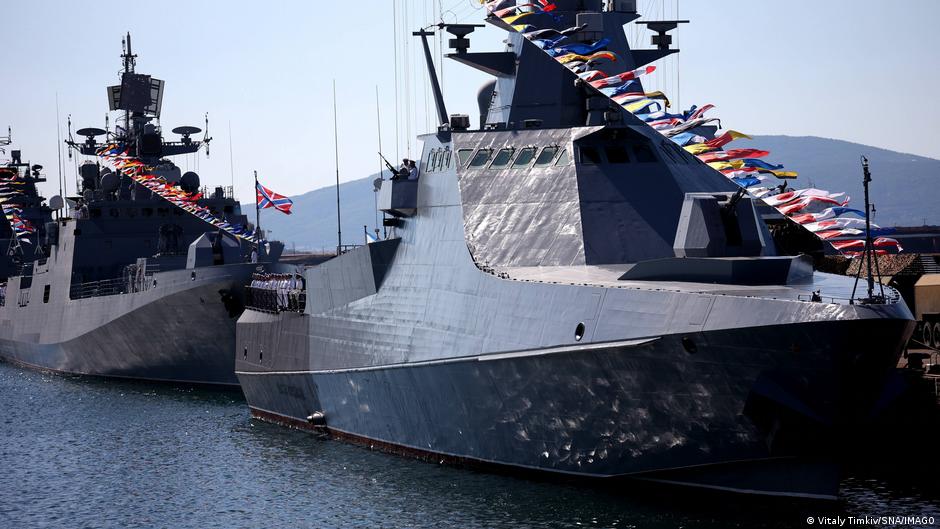
Ukraine claims successful strikes on Russian naval vessels and key infrastructure in Novorossiysk, impacting military capabilities and critical export terminals.

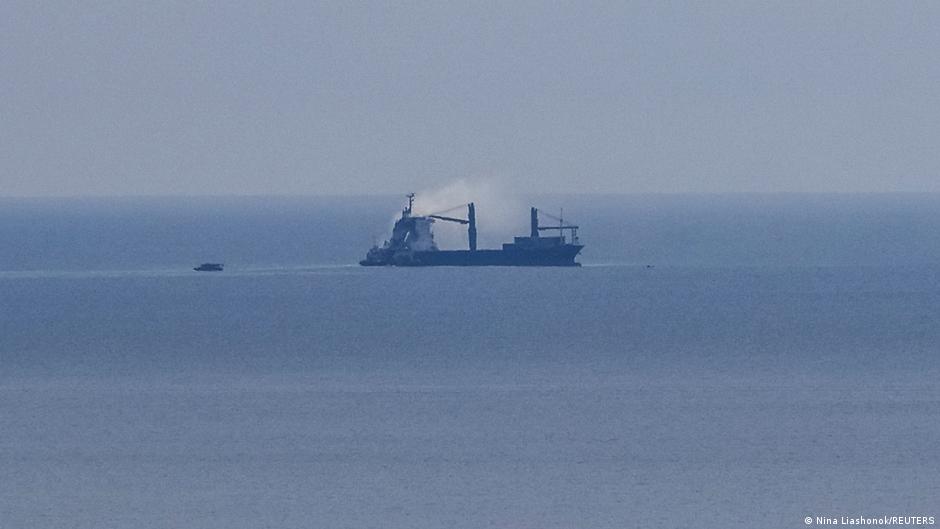
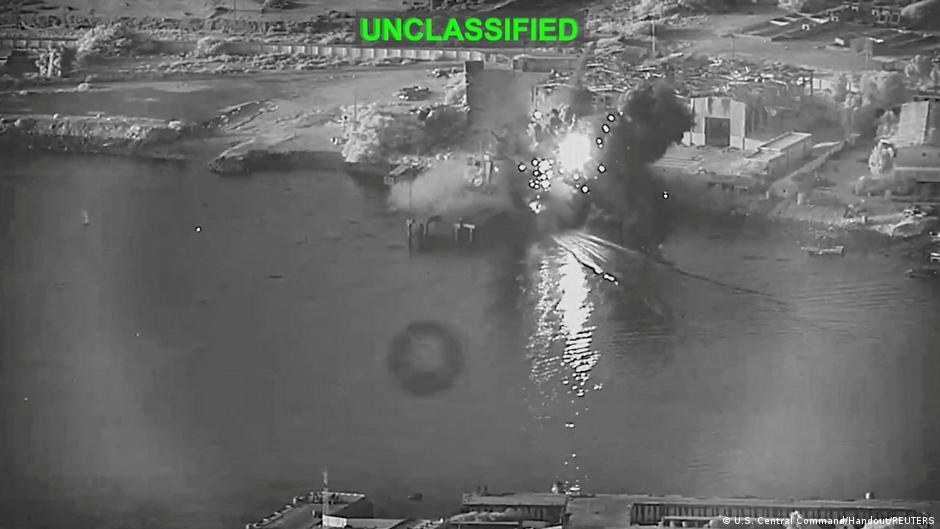
The US disabled a Panama-flagged cargo ship attempting to breach Iran's blockade, reinforcing Washington's strategic control over the Strait of Hormuz amidst rising regional tensions.

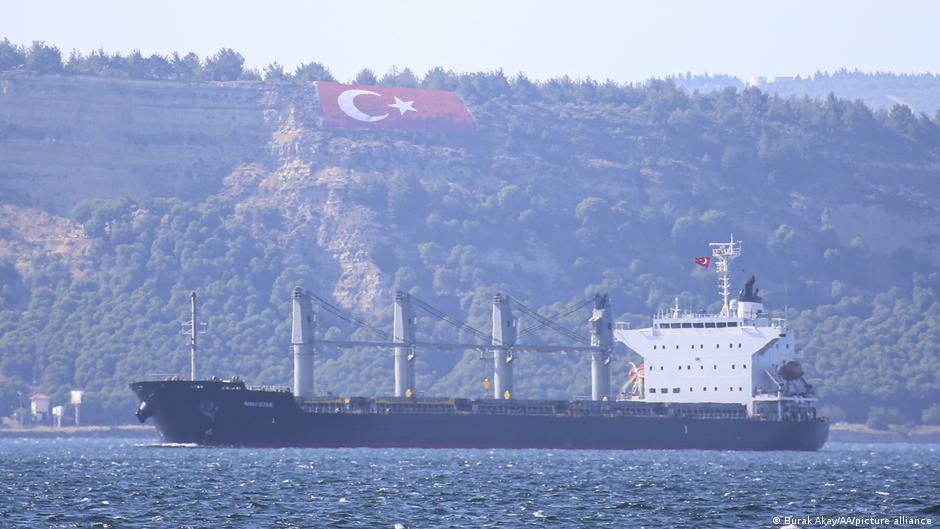
Turkey has lifted temporary restrictions on commercial ship passage through the Dardanelles Strait, responding to Black Sea security concerns amid regional conflicts.

Ukraine’s 40-day security operation has targeted over 100 strategic Russian sites and energy infrastructure, signaling a calculated effort to weaken Russia’s military and economic capabilities.

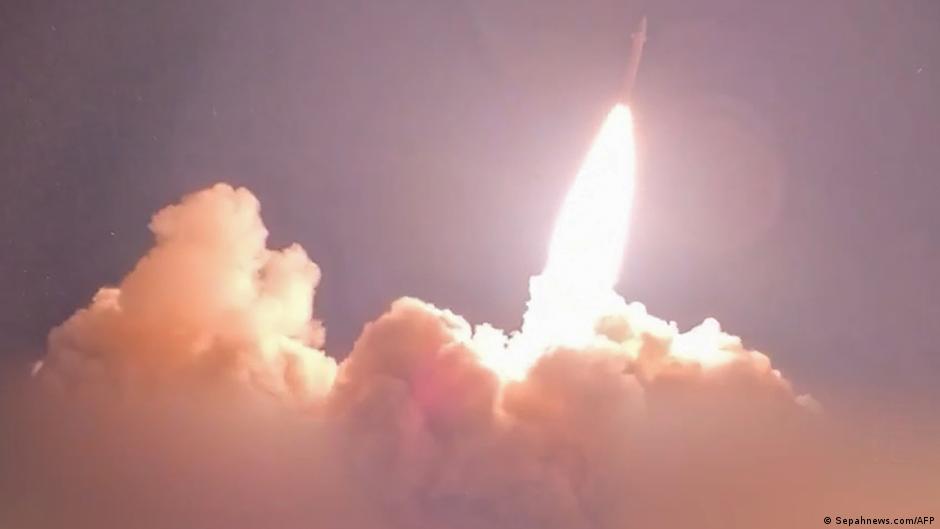
US forces intercepted Iranian ballistic missiles targeting American troops in the Middle East, underscoring rising regional tensions and global economic risks linked to energy supply security.

Recent drone attacks between Russia and Ukraine have caused civilian casualties and infrastructure damage, signaling escalating conflict with significant economic and policy consequences.

Drone strikes on Russian cities Belgorod, Rostov-on-Don, and Engels highlight increasing security risks and potential economic disruptions to critical infrastructure.

Ukraine urges a UN Security Council meeting as Russian attacks on Black Sea trade vessels threaten global food security and disrupt critical maritime routes.

Russia’s oil product production fell nearly 22% in June amid intensified attacks on its refining infrastructure, triggering fuel shortages and price volatility with global economic implications.

Iran’s IRGC mined an oil tanker near the Strait of Hormuz, escalating maritime tensions and threatening global oil supply chains in a critical transit corridor.

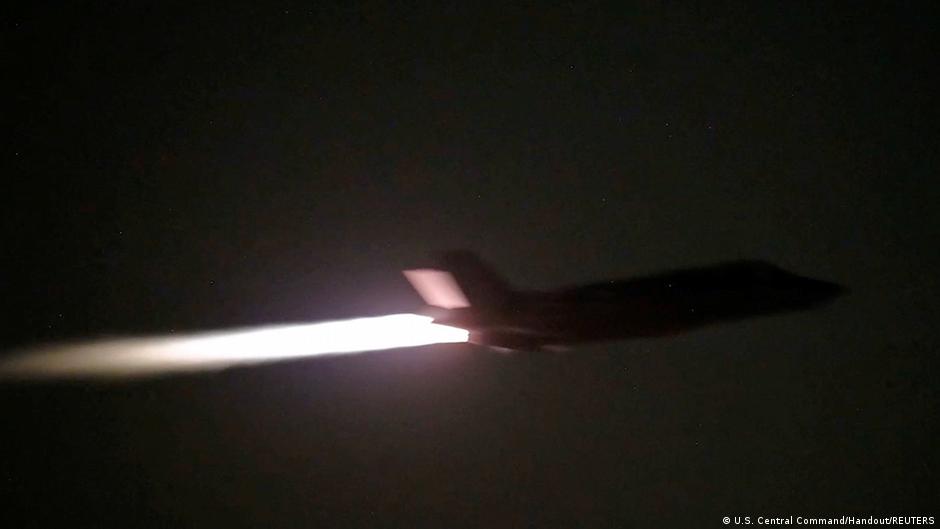
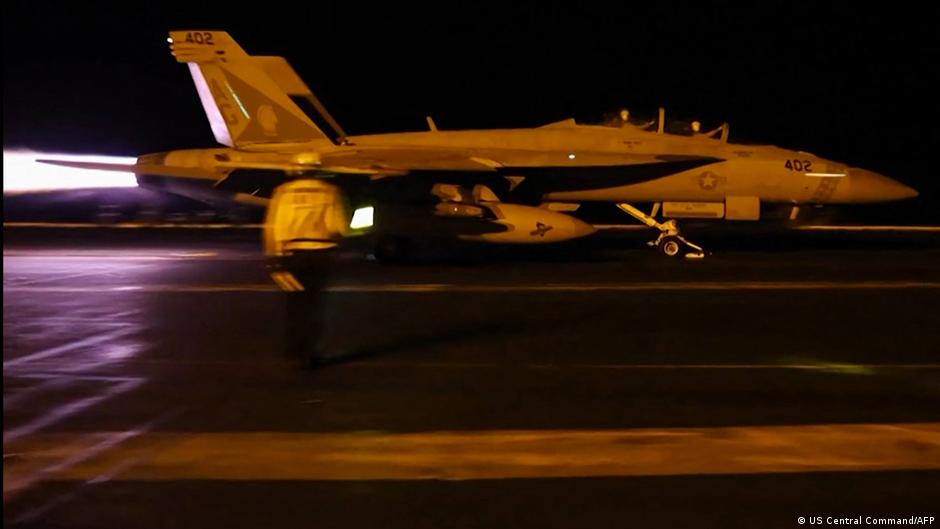
The US has conducted 11 consecutive nights of strikes against Iranian military targets, escalating tensions in the Gulf and threatening key global energy routes.

The US military continues its offensive against Iran, targeting strategic sites in the Strait of Hormuz amid escalating regional tensions with significant global economic implications.

US military casualties in the Iran conflict have risen to 17, accompanied by increased US military deployments and retaliatory strikes, impacting global economic and security dynamics.

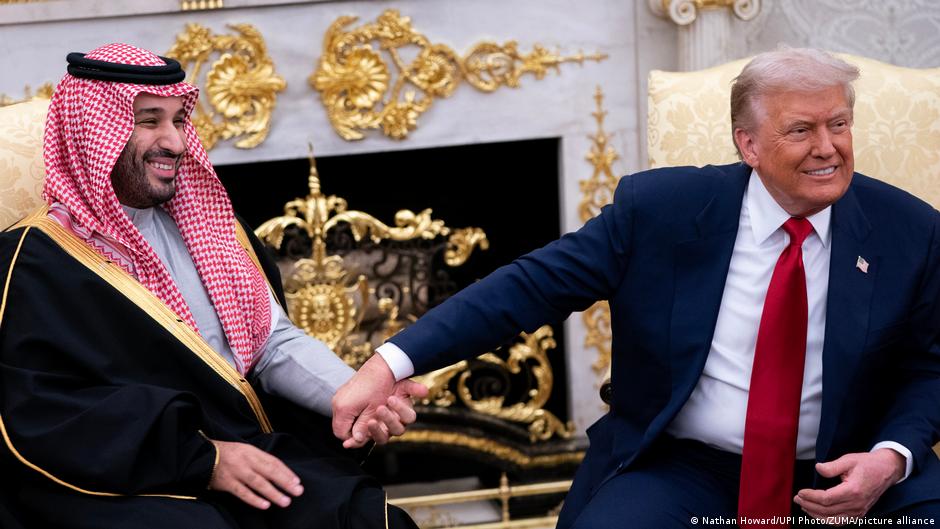
The US administration is poised to allow Saudi Arabia to enrich uranium without enhanced IAEA safeguards, raising concerns over nuclear proliferation and regional stability.

US strikes on Iranian infrastructure escalate tensions, risking broader regional instability and disruptions to global energy markets critical to economic stability.

US military strikes on Iranian military and infrastructure sites have escalated tensions in the Persian Gulf, prompting retaliatory Iranian attacks on American bases.

US military strikes on Iran escalate after attacks in the Strait of Hormuz, closing this key oil export route and raising global economic risks.

Russia’s missile strikes on Kyiv intensify civilian casualties amid rising hostilities, with major implications for regional stability and global energy markets.