Turkey Resumes Ship Transit Through Straits Amid Black Sea Security Concerns
Turkey has reopened its straits to commercial vessels bound for Black Sea ports after temporary restrictions due to regional security threats.
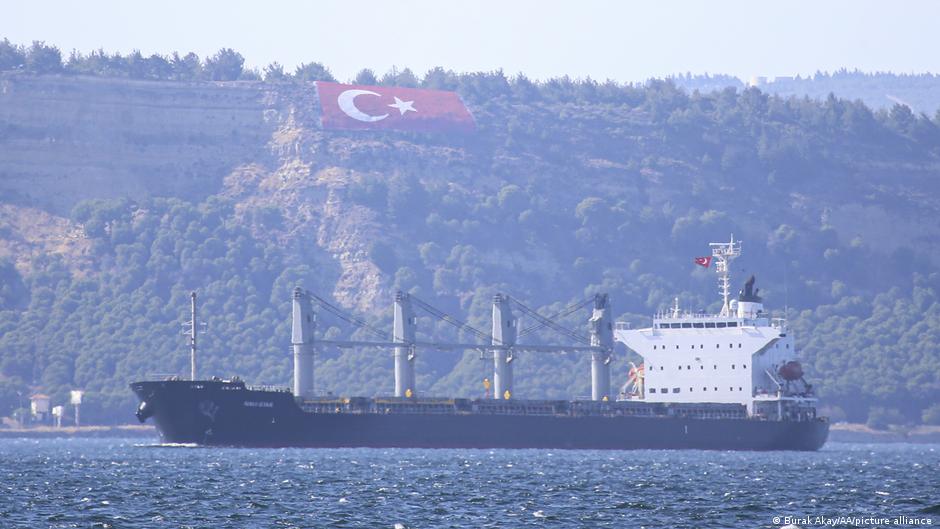
On August 9, Turkey permitted the passage of commercial vessels through the strategic Dardanelles Strait, signaling a critical shift in maritime transit policies amid ongoing regional security challenges in the Black Sea. The oil tanker Aegean Dream, en route to the Russian port of Novorossiysk, and the container ship Mehmet Kahveci A both transited the strait after several days of delay, according to shipping monitoring data.
Strategic Implications of Turkey’s Strait Policy Shift
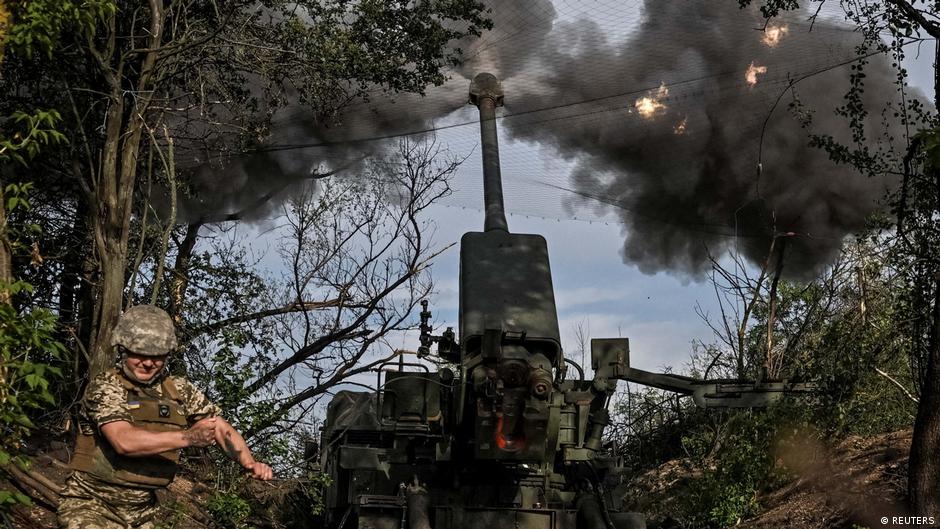
Turkey’s initial decision to restrict passage through the Bosporus and Dardanelles straits earlier in August was prompted by a marked increase in attacks on commercial shipping involving both Russian and Ukrainian forces. These measures temporarily halted transit for ships heading to key Black Sea ports, notably Novorossiysk and Ukrainian harbors, creating significant disruption to regional maritime logistics.
"We have proposed a series of measures to our president and are beginning to implement them," stated Turkey's Foreign Minister Hakan Fidan, emphasizing Ankara’s active engagement in managing the escalating maritime security risks.
While the Turkish government has not publicly detailed the rationale behind the transit restrictions, analysts point to Ankara’s growing concerns over the safety of vessels amid a surge in drone and missile strikes targeting commercial ships in the region. The Ministry of Transport declined to comment on the developments.
This policy reversal comes amid diplomatic overtures by Turkey seeking a moratorium on attacks in the Black Sea. Ankara has called on both Russia and Ukraine to agree to cease hostilities affecting maritime traffic, underscoring the broader implications for global trade and regional stability.
Broader Economic and Geopolitical Consequences
Since early July, the escalation in maritime attacks has severely disrupted Ukraine’s agricultural exports and Russian shipping activities. Ukrainian drone forces have reportedly targeted at least 75 Russian tankers in operations designed to undermine Moscow’s logistical capabilities in the Black Sea. Concurrently, Russia has launched numerous strikes against Ukrainian ports, severely constraining the flow of goods and threatening food security.
The suspension and subsequent resumption of strait transit highlight the vulnerability of the Black Sea maritime corridor, a vital artery for global energy supplies and grain exports. Prolonged disruptions could exacerbate inflationary pressures on commodity prices and induce supply chain realignments that ripple through global markets.
Turkey’s role as gatekeeper of the Bosporus and Dardanelles straits positions it as a pivotal actor in balancing regional military tensions with the imperatives of international trade. Ankara’s efforts to negotiate safe passage agreements and implement protective measures reflect a strategic calculus aimed at mitigating economic fallout while navigating complex geopolitical dynamics.
Looking ahead, sustained instability in the Black Sea will likely prompt policymakers worldwide to reassess maritime security frameworks, diversify energy and agricultural supply routes, and consider the broader implications for global economic resilience.