Trump Expects Iran Talks as Hormuz Dispute Raises Global Economic Stakes
Washington and Tehran appear headed for renewed talks, but the Strait of Hormuz, sanctions relief and Iran’s nuclear program remain unresolved.
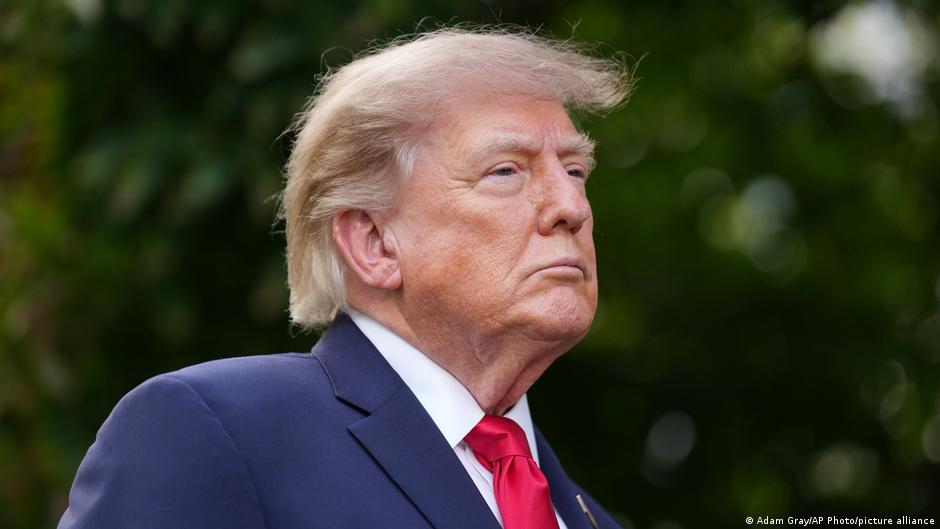
U.S. President Donald Trump said he expects negotiations with Iran to resume in the coming days, setting up a potentially consequential week for energy markets, maritime trade and regional risk pricing. His comments followed the White House’s rejection of a seven-day Iranian proposal to reopen the Strait of Hormuz, a chokepoint whose disruption has immediate implications for oil flows and global inflation expectations.
Trump made the remarks on Sunday, September 27, in a telephone interview with the U.S. news outlet Axios. He said he expected new talks with Iran in the coming week, while signaling that Washington and Tehran remain far apart on the substance of any settlement.
“They want to make a deal, but it is not the deal I want to make,” Trump said, according to the report.
The president added that such terms might have been acceptable a year earlier, but said Iranian officials had “overestimated their strength.” Asked whether he was considering renewed strikes on Iran, Trump replied that he “always” thinks about that possibility. The statement keeps military escalation on the table even as diplomatic channels appear to be reopening.
Hormuz Becomes the Immediate Economic Pressure Point
The immediate dispute centers on the Strait of Hormuz and the U.S. maritime blockade. Tehran wants any talks to focus on fully reopening the strait and lifting the blockade, while Washington is pressing for a broader agreement that includes concessions on Iran’s nuclear program. That divergence matters beyond the region: a prolonged closure or restricted passage through Hormuz would feed into shipping costs, energy prices and the monetary policy outlook in oil-importing economies.
Axios cited two regional sources, who asked not to be named, as confirming Trump’s comments about the possible resumption of talks. Those sources expect Qatari mediators, who previously took part in meetings between representatives of Washington and Tehran, to meet on September 28 with Iranian Foreign Minister Abbas Araghchi and U.S. presidential special envoy Steven Witkoff.
Qatar’s role underscores the importance of intermediary diplomacy in a crisis where direct concessions are politically costly for both sides. For senior economic decision-makers, the key issue is whether mediation can turn a narrow maritime arrangement into a durable framework, or whether it merely postpones another round of escalation.
Several days earlier, Araghchi said Tehran had proposed restoring ship traffic through the Strait of Hormuz within a week if certain conditions were met, alongside renewed talks on a long-term settlement of the conflict. Media reports listed those conditions as an end to fighting on all fronts, including Lebanon; the lifting of the blockade on Iranian ports; the unfreezing of Tehran’s assets; and the removal of restrictions on Iranian oil exports.
Those terms would carry direct macroeconomic consequences. Easing restrictions on Iranian oil exports could add supply to the market and relieve some price pressure, while unfreezing assets would alter Tehran’s financial position. Conversely, a rejected proposal keeps a significant geopolitical risk premium embedded in energy and shipping markets.
Washington Pushes for a Broader Settlement
On September 26, Trump said he had rejected Iran’s offer. He argued that Tehran wanted an immediate reopening of the strait because it was suffering severe losses, but described the proposed arrangement as unacceptable. The president said he also likes making deals, but that this deal would not meet Washington’s requirements.
The White House position, as described in the report, is that a narrow agreement on Hormuz and maritime access is insufficient. Washington wants any settlement to address Iran’s nuclear program, while Tehran is trying to keep the discussion focused on the blockade and the strait. That mismatch creates a familiar negotiating problem: one side is seeking de-escalation through a limited economic and logistical bargain, while the other is seeking strategic concessions with longer-term security implications.
The Wall Street Journal had earlier reported, citing unnamed sources, that Trump rejected Iran’s proposal. According to the newspaper, the U.S. president also told aides he intended to resume bombing Iran after the congressional midterm elections in November. The report said Trump considers a new military operation “highly likely” because he is skeptical that Tehran is ready to meet his demand for a complete abandonment of its nuclear program.
For markets and policymakers, the timing matters. If negotiations restart while the threat of renewed strikes remains active, businesses exposed to energy, transport and regional finance will have to plan around two competing scenarios: a limited easing of maritime constraints or a renewed military phase after November. That uncertainty can affect hedging strategies, inventory decisions, insurance costs and the investment climate across the Gulf.
The dispute also intersects with broader global policy questions. Central banks assessing inflation risks must weigh whether any energy price shock would prove temporary or persistent. Governments dependent on imported oil must consider fiscal buffers and strategic reserves. Exporters, meanwhile, face the possibility that any restoration of Iranian oil flows could shift supply balances, even if only under tightly negotiated conditions.
The next round of diplomacy, if it proceeds as expected, will therefore be more than a bilateral test between Washington and Tehran. It will be watched as an indicator of whether a critical trade artery can be stabilized without a wider political settlement, and whether the United States can convert maritime pressure into nuclear concessions. For now, Trump’s comments point to talks, but not yet to a deal capable of reducing the global economic risks attached to Hormuz.