EU Adds €710 Million in Aid as Crises Raise Fiscal and Migration Pressures
The package signals Brussels’ effort to manage humanitarian shocks with direct implications for migration, regional stability and budget priorities.
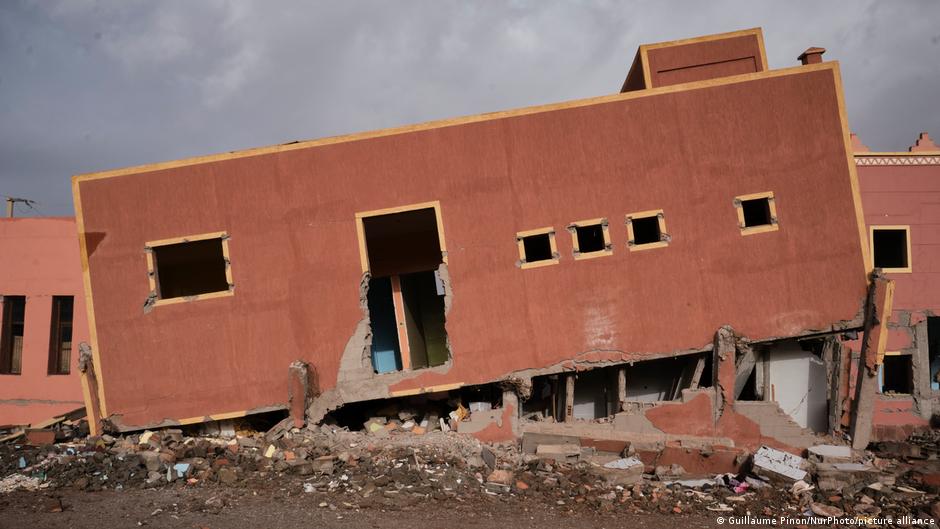
The European Union will allocate an additional €710 million in humanitarian assistance for people affected by conflicts, natural disasters and other crises around the world, European Commission President Ursula von der Leyen said on Saturday, September 26.
The announcement, delivered in a video address to participants of the Global Citizen Festival in New York before the event was later canceled because of bad weather, comes as Brussels faces widening demands on its external aid budget. The package is notable not only for its humanitarian scope, but also for the way it links crisis response with migration management, regional resilience and the EU’s long-term economic exposure to instability beyond its borders.
According to von der Leyen, special attention in distributing the funds will be given to Africa, as well as to forcibly displaced people and the communities hosting them. Around €380 million will be directed to migration-related measures in sub-Saharan African countries, including support for the most vulnerable groups of migrants, as well as their return home and reintegration.
Special attention will be given to Africa, forcibly displaced people and the communities hosting them, according to the European Commission president.
A further €252 million will go toward emergency aid linked to active armed conflicts, forced displacement, epidemics and natural disasters. Of that amount, €97 million will be allocated to countries in sub-Saharan Africa, €103 million to the Palestinian territories and Lebanon, and €52 million to Ukraine, including winter preparedness.
Aid Policy Meets Migration Strategy
For senior policymakers and business leaders, the structure of the package points to an increasingly integrated EU approach: humanitarian aid is being used not only to address immediate suffering, but also to limit the spillover effects of crises that can reshape labor markets, border policy, public spending and political risk inside Europe.
The largest component, the roughly €380 million for migration-related measures in sub-Saharan Africa, underscores how migration has become a macroeconomic and governance priority for the EU. Support for vulnerable migrants, voluntary returns and reintegration programs is designed to stabilize communities under strain and reduce the likelihood that unmanaged displacement turns into broader regional pressure.
This approach reflects a policy shift in which humanitarian spending, development objectives and migration policy increasingly overlap. The EU is seeking to prevent humanitarian emergencies from becoming larger economic shocks, particularly in regions where state capacity is limited and where climate events, conflict and food insecurity can quickly combine.
The emphasis on host communities is also economically significant. Countries and regions receiving displaced populations often face immediate pressure on housing, health systems, education, jobs and local infrastructure. Aid directed only to displaced people can generate tensions with local populations; support that also reaches host communities can help preserve social stability and reduce the fiscal strain on fragile governments.
Regional Allocations Reflect Strategic Risk
The allocation of €97 million in emergency aid for sub-Saharan Africa sits alongside broader EU budget priorities for 2026. The EU has budgeted around €1.9 billion for humanitarian assistance worldwide next year, according to European Commission data. The largest spending lines are €557 million for sub-Saharan African countries and €463 million for the Middle East and North Africa.
Those figures reflect where Brussels sees both acute humanitarian needs and long-term strategic exposure. Sub-Saharan Africa is central to EU concerns over migration, food security, demographic growth and climate vulnerability. The Middle East and North Africa remain critical because crises there can affect energy routes, regional trade, security policy and migration flows toward Europe.
The package also includes smaller amounts for the Great Lakes region of Africa and for efforts to combat an Ebola outbreak in the eastern Democratic Republic of Congo. While limited in size compared with the headline allocations, such spending addresses risks that can escalate rapidly if not contained. Epidemic response is particularly relevant for economic planning because health shocks can disrupt cross-border trade, labor mobility and already fragile public finances.
The €103 million directed to the Palestinian territories and Lebanon comes at a time when instability in the region continues to carry broader economic consequences. Humanitarian deterioration can increase pressure on neighboring states, complicate reconstruction prospects and add to the fiscal burden of governments already managing weak growth, debt stress or institutional fragility.
Ukraine Funding and Europe’s Fiscal Horizon
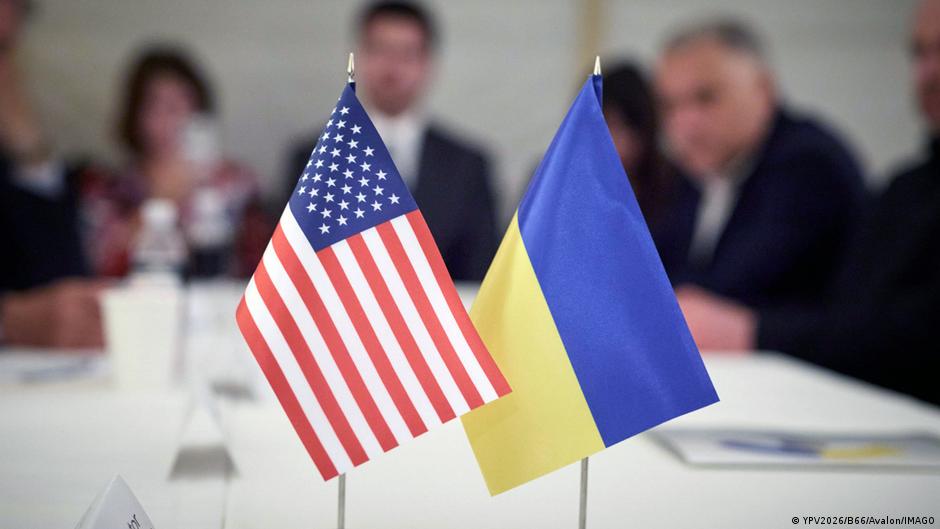
Ukraine remains a separate and continuing priority within EU humanitarian policy. The latest package includes €52 million for Ukraine, including funds for winter preparedness. For 2026, the EU initially planned €145 million in humanitarian assistance for Ukraine. In recent months, however, the volume of humanitarian aid for Ukraine and Moldova was increased to €248 million.
The money is intended for food procurement, medical assistance, housing reconstruction, cash payments and preparation for winter. Since the start of the full-scale war launched by Russia’s authorities, the European Commission has allocated more than €1.4 billion to humanitarian assistance programs for Ukraine.
For Europe, humanitarian support to Ukraine is also part of a wider economic and security calculation. Winter preparedness, housing reconstruction and cash assistance are measures that can help reduce additional displacement, stabilize households and keep basic services functioning under wartime conditions. The alternative would be greater pressure on neighboring countries, larger refugee-related costs and deeper disruption to Ukraine’s already damaged economic base.
The EU’s decision to raise funding for Ukraine and Moldova during recent months also illustrates the budgetary uncertainty facing Brussels. Humanitarian needs are not static, and crisis-related spending often rises after initial allocations are set. That creates a challenge for EU institutions and member states as they balance external commitments with domestic fiscal constraints, defense spending demands and the cost of economic adjustment.
The additional €710 million therefore represents more than emergency relief. It is a signal of how the EU is positioning its budget against a more volatile global environment. Conflicts, epidemics, climate-related disasters and migration pressures are increasingly treated as connected risks with direct implications for European economic management.
For decision-makers, the key takeaway is that humanitarian finance is becoming part of the EU’s broader stability architecture. The amounts involved are modest compared with defense, energy or industrial policy spending, but their preventive role can be economically consequential. By directing funds toward regions where crises can spill across borders, Brussels is attempting to reduce future costs that could otherwise appear in the form of migration surges, security expenditures, disrupted trade and higher reconstruction bills.