G20 Invitation Tests Putin’s Appetite for Ukraine Talks, Germany Says
Berlin frames a possible Miami summit appearance by Russia’s president as a diplomatic signal with consequences for Ukraine, sanctions and global governance.
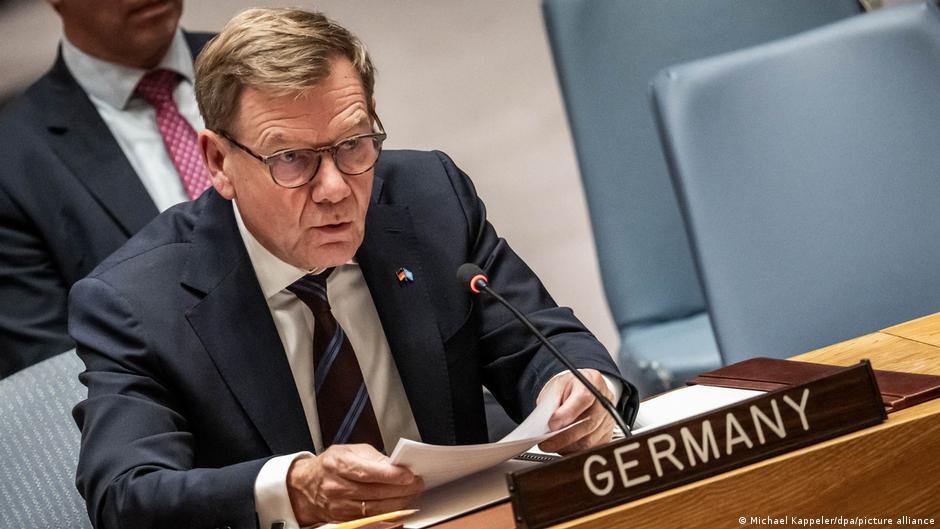
Germany’s foreign minister has described a U.S. invitation for Russian President Vladimir Putin to attend the December G20 summit as a “litmus test” of the Kremlin’s willingness to enter serious negotiations on ending the war in Ukraine, placing a high-profile economic forum at the center of a wider debate over diplomacy, sanctions and international legitimacy.
Johann Wadephul made the remarks on Friday, September 25, during a meeting in Ottawa with Canadian Foreign Minister Anita Anand. He said a possible Russian ceasefire in Ukraine would be the clearest indication that Moscow is prepared for substantive negotiations with Kyiv. Germany and other Western supporters of Ukraine, he said, have repeatedly called on Russian authorities and Putin personally to come to the negotiating table.
“Russia must negotiate, the sooner the better,” Wadephul said.
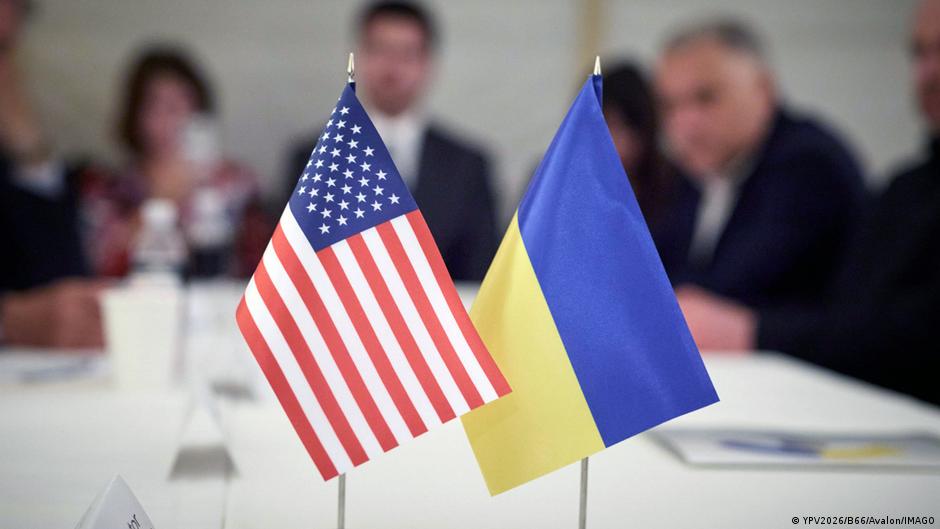
The comments come after U.S. Secretary of State Marco Rubio said Putin had been invited to the G20 summit, which is scheduled to take place in December in Miami. According to Rubio, the visit would give the Russian leader an opportunity to hold talks with U.S. President Donald Trump and other heads of state and government. The Kremlin has not yet decided how to respond to the invitation.
A Diplomatic Test With Economic Stakes
For senior economic decision-makers, the dispute is not only about protocol. The G20 is one of the few forums where the world’s largest economies discuss financial stability, trade, energy, debt and development policy in the same room. Whether Putin attends, and under what conditions, could influence how far Western governments are willing to use global economic institutions as venues for negotiation rather than isolation.
Wadephul’s framing suggests that Berlin sees participation not as a concession in itself, but as a measure of whether Moscow is ready to move toward de-escalation. A ceasefire would be read as a signal that Russia is prepared for talks with tangible content. Continued fighting, by contrast, would sharpen the argument that attendance at the summit risks normalizing a government still pursuing military action in Ukraine.
Asked whether countries should boycott the G20 summit if Putin continues the fighting, the German foreign minister stressed that Russian participation remains “very hypothetical” and urged observers to wait for developments in the coming weeks. That position reflects a cautious balance: keeping diplomatic channels open while avoiding a premature split among Ukraine’s allies over summit attendance.
Anand also said Putin’s potential participation would not be a reason to boycott the G20. Diplomacy, she argued, requires countries to remain at the table and conduct difficult conversations. Her stance underscores a broader policy dilemma for Western governments: how to sustain pressure on Russia while preserving forums where conflict-ending diplomacy might occur.
Sanctions, Legitimacy and the G20’s Role
The invitation has already prompted opposition in Washington. The Washington Post reported that a bipartisan group of 14 U.S. senators urged Trump to withdraw the invitation. In an appeal to the White House, Republican and Democratic senators argued that Putin bears sole responsibility for Russia’s full-scale war of aggression against Ukraine and warned that allowing him to attend a G20 summit in the United States raises serious concerns about legitimizing and normalizing authorities that continue to strike civilian targets in Ukraine on a daily basis.
The senators also noted that Putin and other members of the Russian delegation are under U.S. sanctions for actions Washington considers a threat to national security. In their view, if Putin is not isolated from the international community, he will have less incentive to end the war in Ukraine.
That argument captures the sanctions-policy risk now facing Washington and its partners. Sanctions are designed not only to impose costs, but also to signal that certain conduct carries durable diplomatic and economic consequences. A summit appearance by Putin could therefore be interpreted in competing ways: as a chance to test whether sanctions and military pressure have created room for negotiation, or as a weakening of isolation before Russia has taken concrete steps toward ending the war.
The economic consequences extend beyond Russia and Ukraine. The war has reshaped energy markets, defense budgets, food security policy and fiscal planning across Europe and beyond. A credible ceasefire signal would affect risk assessments in commodity markets, infrastructure planning and public finance. Conversely, a failed diplomatic opening could reinforce expectations of prolonged conflict, sustained sanctions, higher security spending and continued fragmentation in global economic governance.
The G20’s credibility is also at stake. The forum includes Western economies, major emerging markets and countries that have often resisted choosing sides in the confrontation over Ukraine. If the Miami summit becomes a stage for a confrontation over Russia’s presence, it could expose the limits of consensus among the world’s leading economies. If it produces even preliminary engagement tied to a ceasefire, it could demonstrate that global economic forums still have utility in managing geopolitical crises with direct macroeconomic effects.
For now, the central variable remains Moscow’s response. Wadephul’s message was that attendance alone will not be enough to prove seriousness. The meaningful signal, in Berlin’s view, would be a ceasefire in Ukraine and a readiness for concrete negotiations. Until then, the invitation functions less as a diplomatic breakthrough than as a test of whether Russia intends to use the G20 as a platform for negotiation or as a venue for renewed international acceptance without policy change.