Ukraine Denies Trump Proposed Moscow Talks as Energy Risks Shape Diplomacy
Kyiv rejected a Bloomberg report that Trump urged Zelensky to meet Putin in Moscow, as Washington presses for limits on energy strikes.
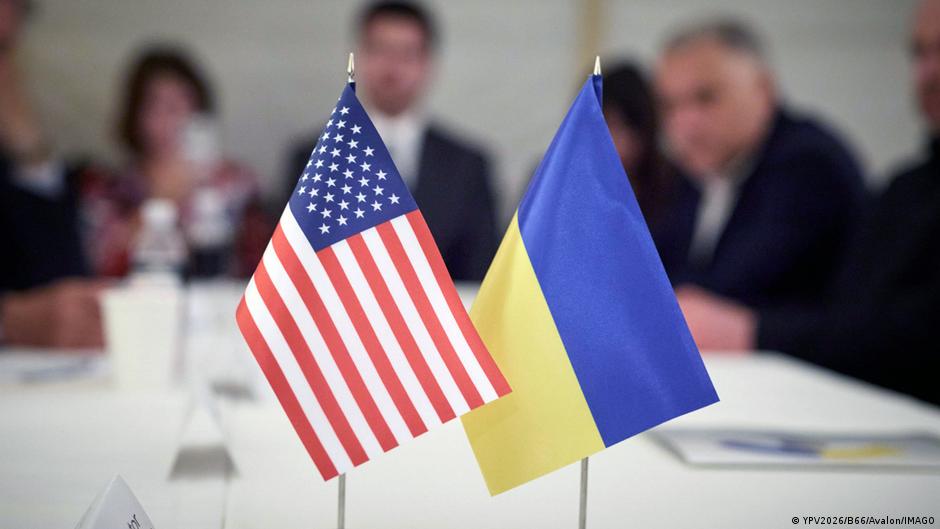
Ukraine’s presidential office has denied a report that U.S. President Donald Trump proposed that President Volodymyr Zelensky travel to Moscow for talks with Russian President Vladimir Putin, a claim that, if accurate, would have marked a striking shift in the diplomatic choreography around the war.
The denial followed a Bloomberg report citing sources who said Trump made the suggestion during a meeting with Zelensky on the sidelines of the United Nations General Assembly in New York. According to the report, Zelensky refused the proposal, and people close to the Ukrainian leader said he was upset by it. Ukrainian outlet Ukrainska Pravda reported on Friday, September 25, that the office of the Ukrainian president rejected Bloomberg’s account.
“This is false information,” Dmytro Lytvyn, an adviser to the Ukrainian president on communications, told the Ukrainian publication.
The dispute over whether such a proposal was made underscores the sensitivity of any potential direct talks between Kyiv and Moscow, especially when the venue itself carries political meaning. Russia has repeatedly stated that a meeting between Putin and Zelensky could take place only in Moscow. For Ukraine, accepting such a framework would carry major symbolic and security implications at a time when its negotiating position remains closely tied to Western military, financial and diplomatic support.
Energy Pressure Enters the Diplomatic Channel
The report comes as diplomacy around the war is increasingly intersecting with concerns over energy markets. This week, Zelensky and Russian Foreign Minister Sergei Lavrov held separate meetings in New York with representatives of the Trump administration. Bloomberg reported that Washington was pressing Moscow and Kyiv to agree to stop attacks on energy facilities against the backdrop of rising global diesel prices.
For senior economic decision-makers, that detail may be more consequential than the dispute over the reported Moscow proposal. The war has long affected energy markets through direct supply risks, sanctions, infrastructure damage and shifting trade flows. A U.S. push to curb attacks on energy assets suggests that Washington is weighing the conflict’s inflationary spillovers alongside battlefield and diplomatic considerations.
Diesel prices are particularly important because they feed directly into freight, agriculture, mining, construction and industrial production costs. Sustained increases can pressure corporate margins, complicate central bank disinflation efforts and raise fiscal costs for governments that subsidize fuel or transport. Even limited energy de-escalation, if credible, could reduce some risk premia in refined product markets, though any market response would depend on verification, enforcement and the durability of commitments by both sides.
The diplomatic track remains uncertain. Zelensky said on September 25 that trilateral technical-level talks involving the United States, Ukraine and Russia could take place in the United Arab Emirates. That potential format would avoid the symbolism of Moscow while providing a venue for practical discussions. The Kremlin, however, has rejected Kyiv’s recent proposal to hold talks on ending the war during the G20 summit in Miami, where Washington had invited Putin.
Russia’s position on a Putin-Zelensky meeting has been consistent. On September 23, Kremlin spokesman Dmitry Peskov said the Ukrainian president, “if he wants, can come to Moscow,” adding that he would be provided with the necessary security guarantees. That formulation leaves little room for neutral-ground diplomacy at the leaders’ level and increases the importance of technical talks, intermediary channels and U.S.-led efforts to shape interim arrangements.
Policy Signals and Long-Term Economic Consequences
The episode also reflects a broader shift in how economic policy and wartime diplomacy are becoming intertwined. If Washington is prioritizing an agreement to halt attacks on energy infrastructure, it may signal a pragmatic attempt to manage the global economic costs of the war even before any broader political settlement is within reach. Such an approach would be consistent with efforts to contain market shocks while preserving leverage over the final terms of peace talks.
For Ukraine, any negotiation format must balance immediate economic needs with long-term sovereignty concerns. A technical process in the UAE could offer a narrower agenda focused on energy security or de-escalation measures. But the risk for Kyiv is that incremental arrangements could be interpreted by markets, allies or Moscow as movement toward a settlement framework that Ukraine has not accepted. That makes messaging around venue, agenda and participants economically relevant as well as politically sensitive.
For Russia, insisting on Moscow as the venue for direct leader-level talks reinforces its preferred diplomatic hierarchy. It also allows the Kremlin to frame negotiations as occurring on terms it controls. The economic dimension is that any reduction in attacks on energy infrastructure could stabilize parts of the fuel market while potentially preserving Russia’s ability to use political conditions to delay broader settlement talks.
The history of back-channel contact remains part of the backdrop. In June, Putin said Zelensky had asked him for a personal meeting through a Russian businessman. Zelensky later said he had conveyed a message to the Kremlin leader through Roman Abramovich. Those accounts point to a diplomatic environment in which formal positions are rigid, but indirect messaging continues.
For global markets, the immediate takeaway is not that a peace process has gained momentum, but that energy infrastructure has moved closer to the center of U.S. diplomatic priorities. That matters for inflation forecasts, fuel-sensitive sectors and government policy planning. If technical talks proceed in the UAE, investors and policymakers will watch less for headline symbolism than for signs of enforceable restraint around energy targets, because that is where the macroeconomic transmission channel is clearest.