Business
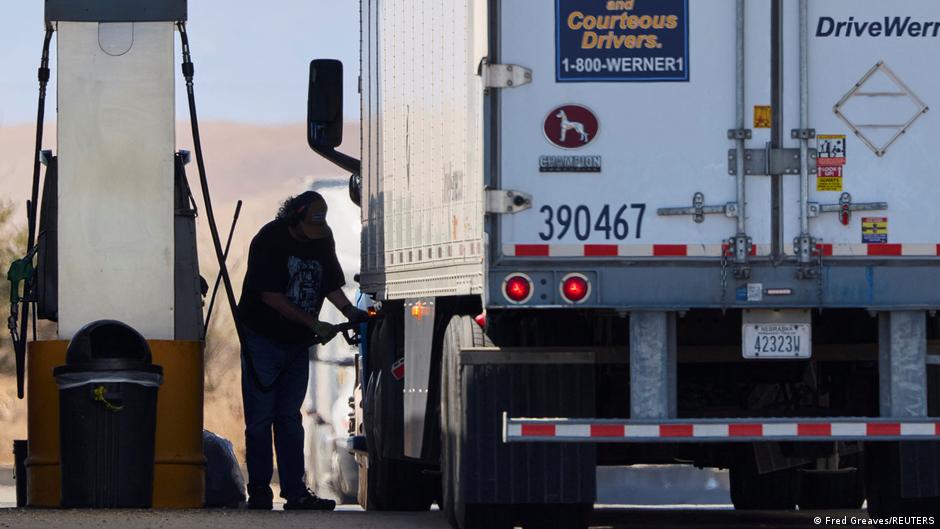
US Senators Urge Trump to Reverse Russian Diesel Deal With Putin
A bipartisan Senate group says Trump’s Russian diesel deal would offer little price relief while funding Moscow’s war effort.
By Editorial Team — October 14, 2026
A bipartisan Senate group says Trump’s Russian diesel deal would offer little price relief while funding Moscow’s war effort.
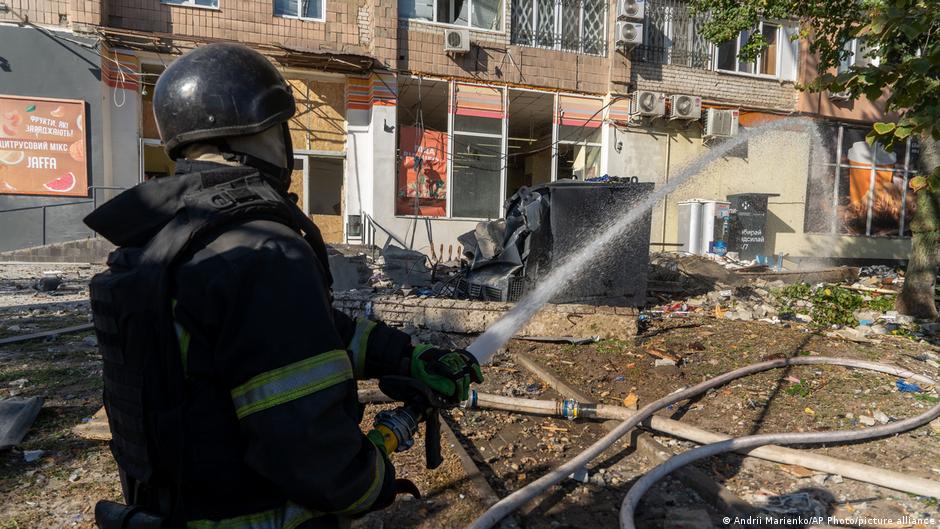
Trump said Putin is more interested than Zelensky in a Ukraine peace deal as Kyiv urged U.S. pressure over an energy ceasefire.
Washington’s reported threat to block a Ukraine arms channel highlights the growing economic stakes of energy infrastructure strikes.
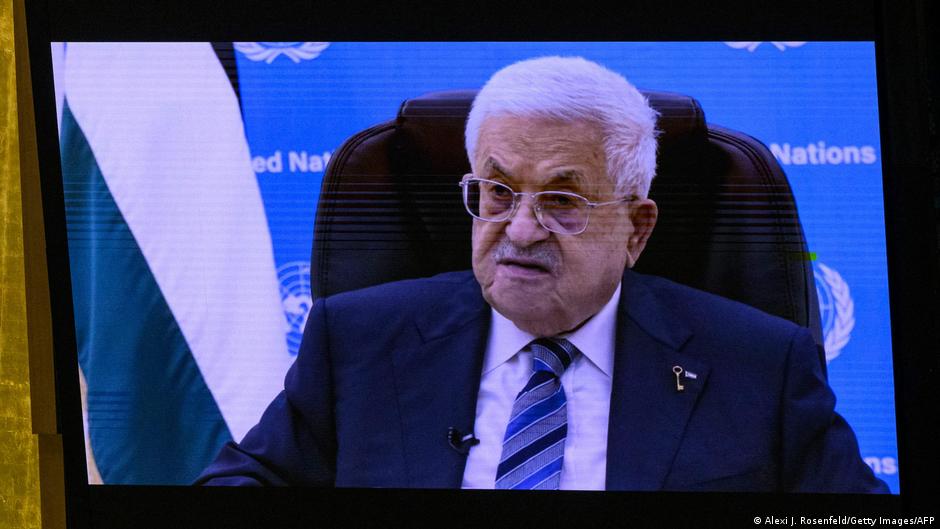
Mahmoud Abbas postponed Palestinian national elections to September 2027, adding governance risk to Gaza’s reconstruction and ceasefire framework.
A bipartisan House bill would seek to ban Russian oil purchases, challenging Trump’s reported diesel supply agreement with Moscow.
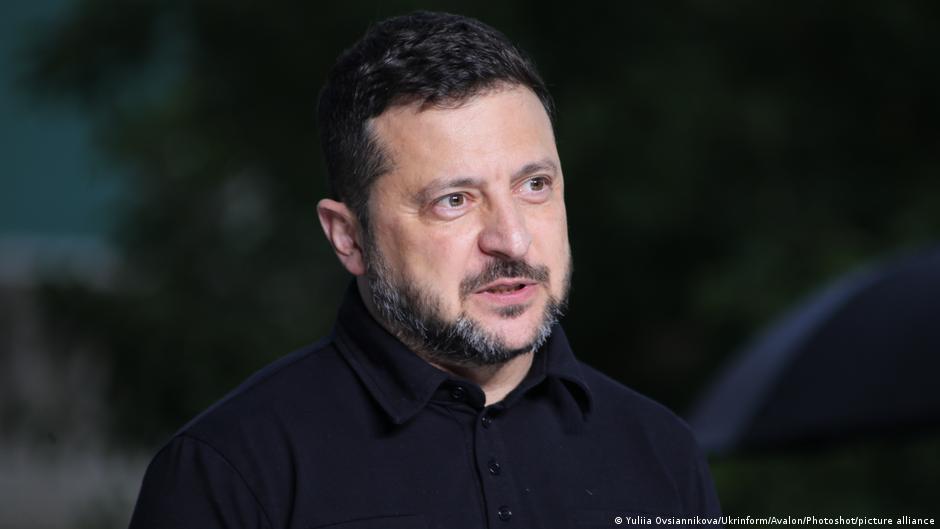
Zelensky warned that easing Russian diesel export limits without de-escalation would strengthen Moscow and risk prolonging the war.

Two Latvian citizens were detained after entering RAF Molesworth, raising wider questions about UK military-site security and resilience costs.
Ukraine will discuss a new U.S.-linked peace proposal as Kyiv urges tougher sanctions on Russia and broader Starlink access.
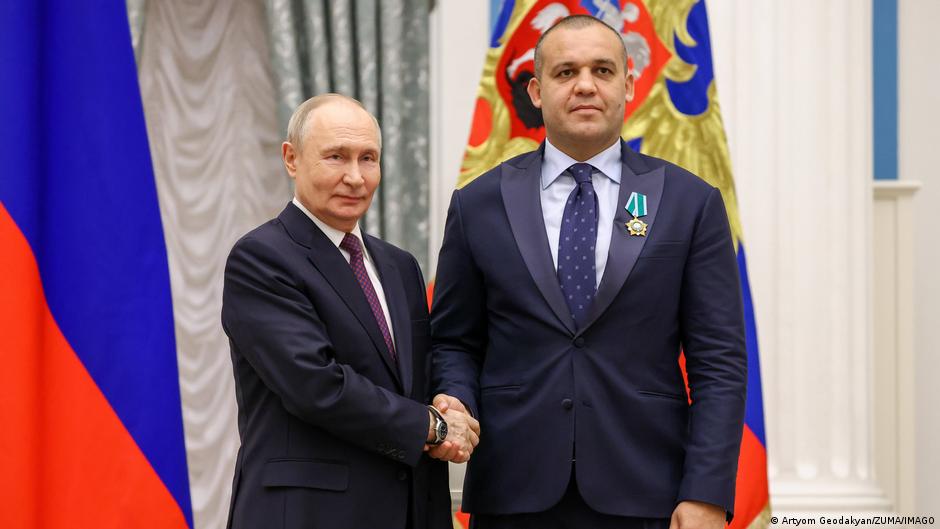
Umar Kremlev says Donald Trump Jr. repaid wedding event costs, intensifying scrutiny over foreign ties, ethics and U.S. policy risk.
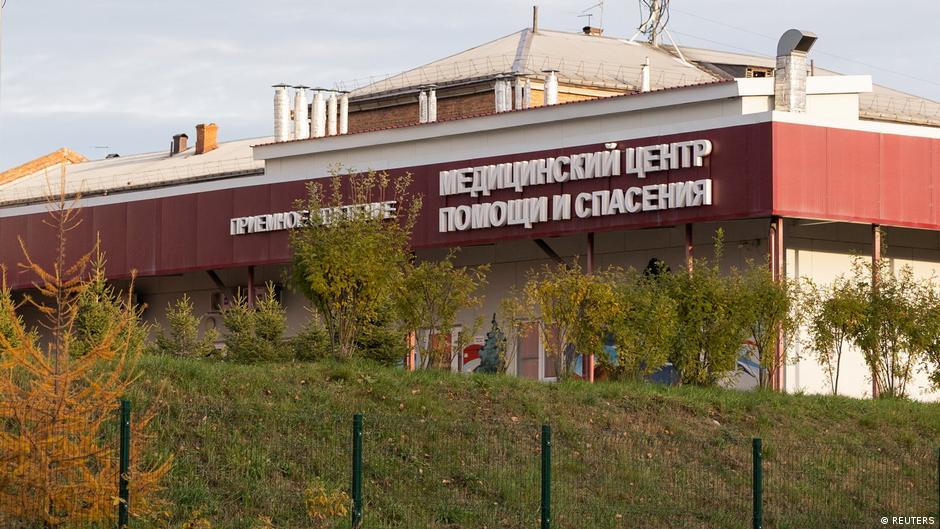
Trump plans a Putin call as WHO seeks details from Russia over reports tied to a possible plague-related death in Irkutsk.

The White House is monitoring reports from Irkutsk as neighboring states tighten health controls and Trump offers U.S. assistance.
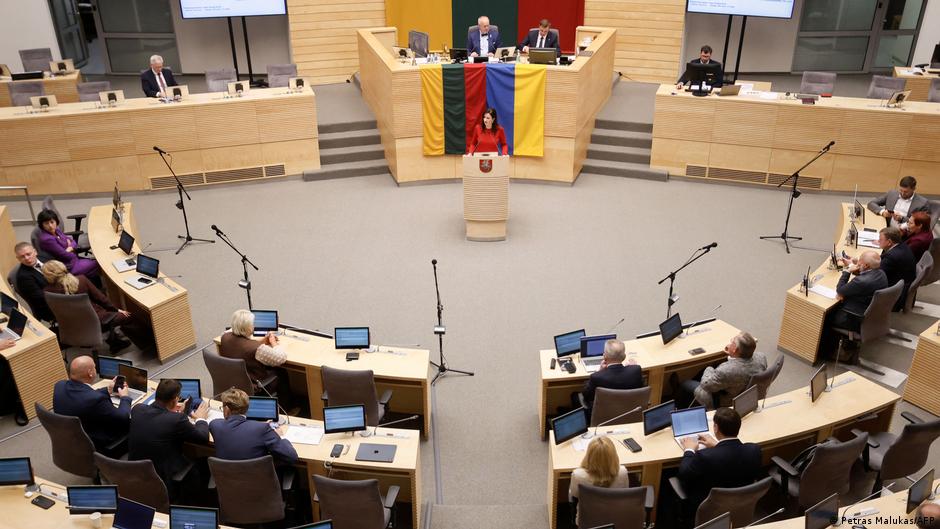
Lithuania’s planned property curbs signal how security policy is reshaping real estate, residency and foreign capital rules in Europe’s east.
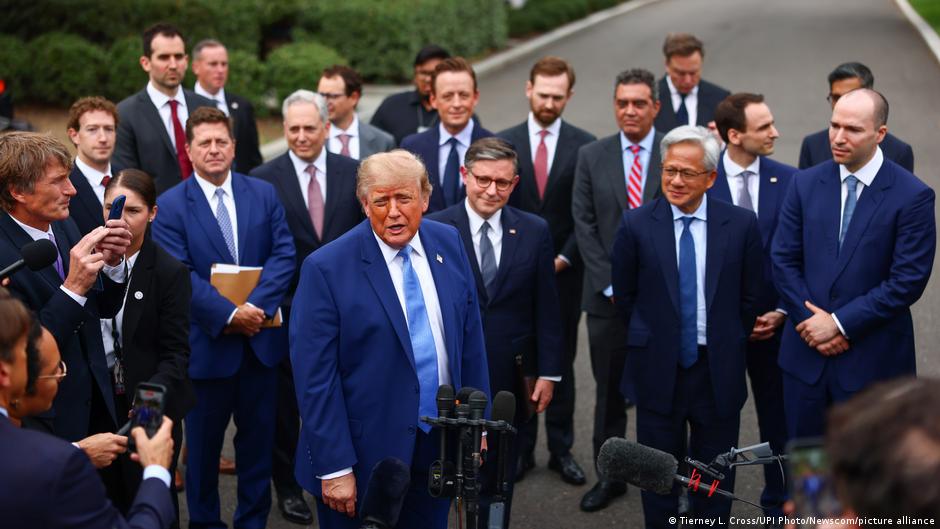
A White House AI agreement gives leading developers a central role in safety oversight while leaving open future regulation.
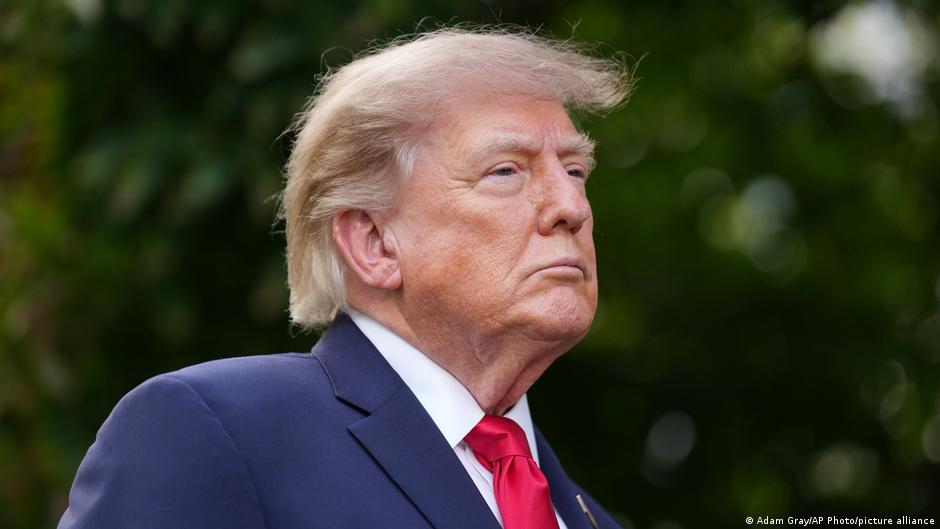
Trump expects new Iran talks as Washington rejects Tehran’s Hormuz plan, keeping energy markets and regional escalation risks in focus.
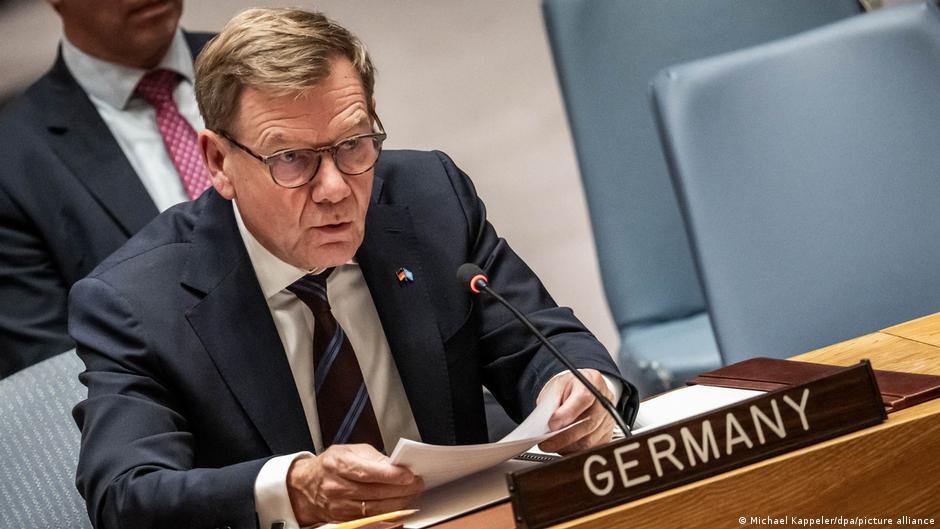
Germany says Putin’s possible G20 appearance would test Moscow’s readiness for Ukraine talks, with sanctions and global governance at stake.
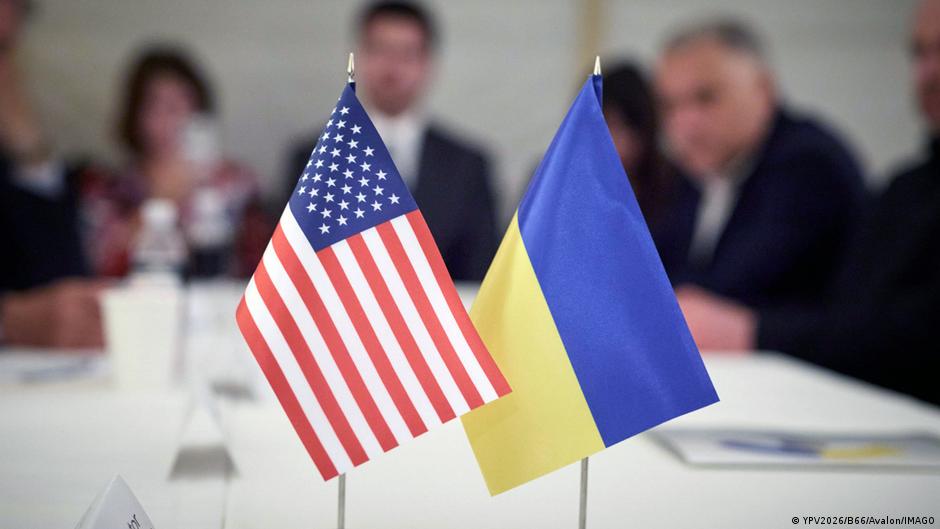
Kyiv denied that Trump proposed Moscow talks for Zelensky as U.S. diplomacy focuses on energy strikes and rising diesel prices.
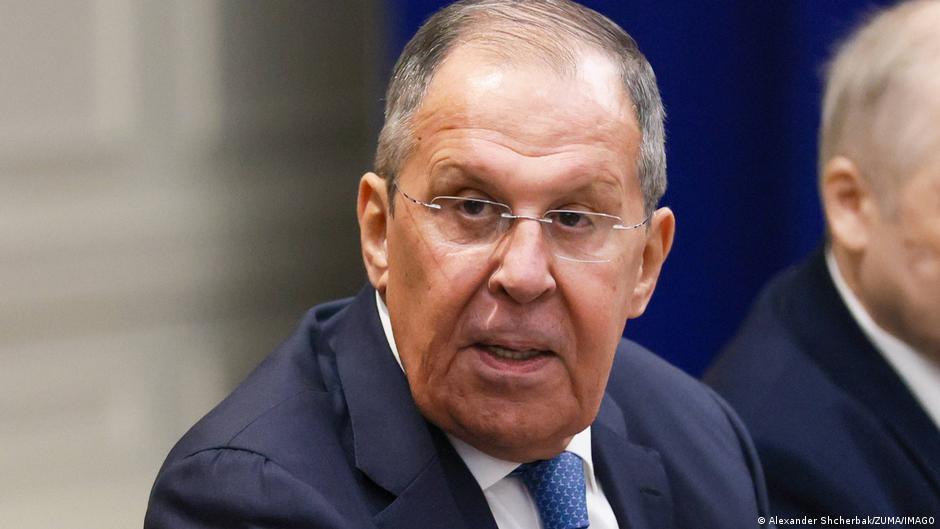
Russia says it will not pause operations for Ukraine talks, even as Washington offers to support ceasefire efforts and keeps channels open.
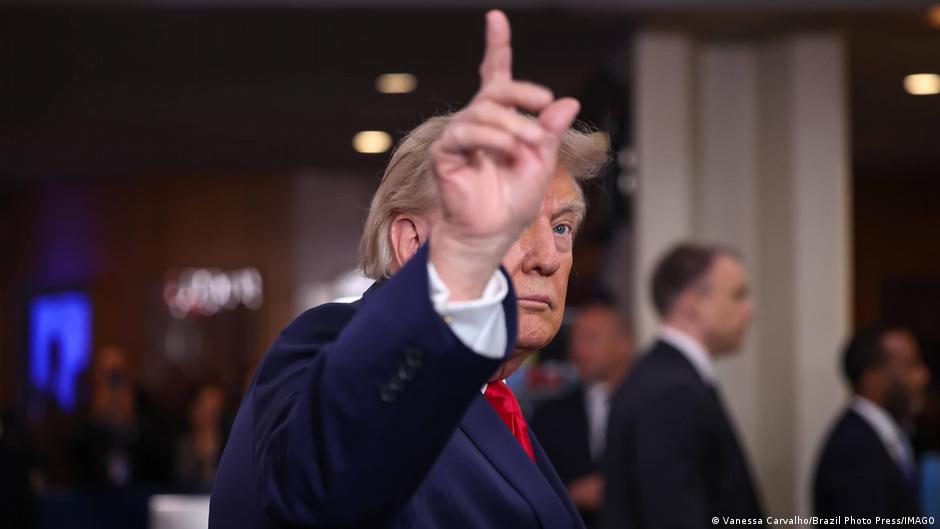
U.S.-Iran talks in New York may reopen diplomacy on sanctions, Hormuz shipping and Gulf security after Trump’s renewed threats.
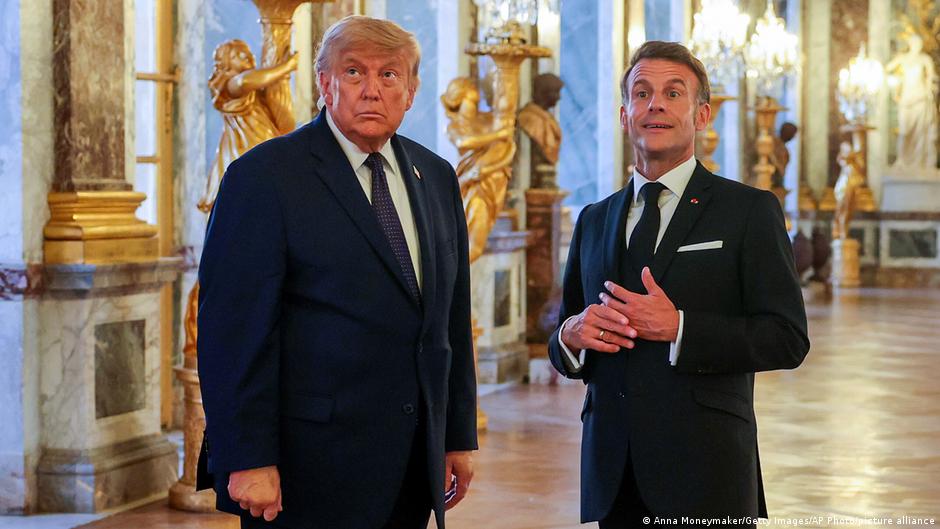
Macron and Trump discussed a moratorium on strikes against Ukraine’s energy and civilian infrastructure and stronger air defenses for Kyiv.
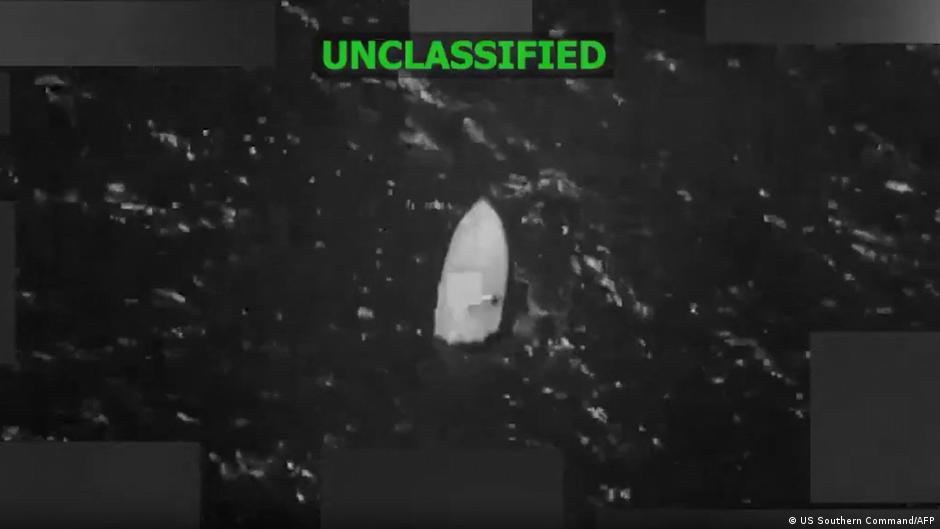
A new U.S. strike on an alleged drug vessel in the Caribbean adds to legal, diplomatic and economic questions around a year-long campaign.
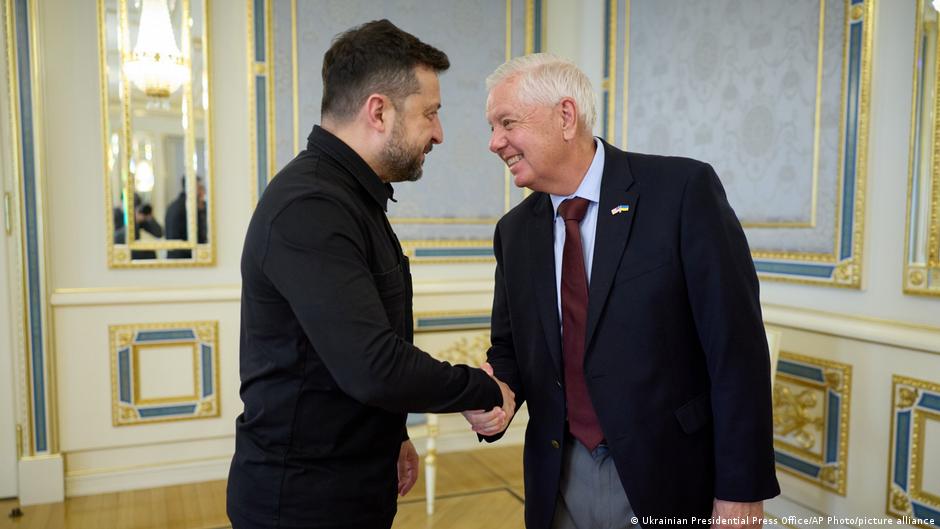
Trump signed the Graham sanctions law, giving the U.S. broad tariff powers over major buyers of Russian energy and sanctions evasion networks.
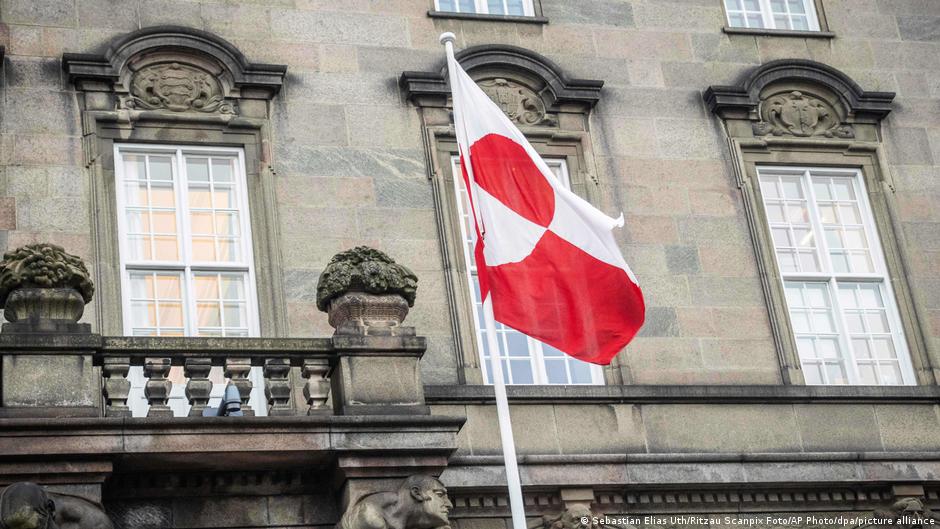
The expected Greenland security deal would expand U.S. military influence in the Arctic while shaping investment and resource policy.
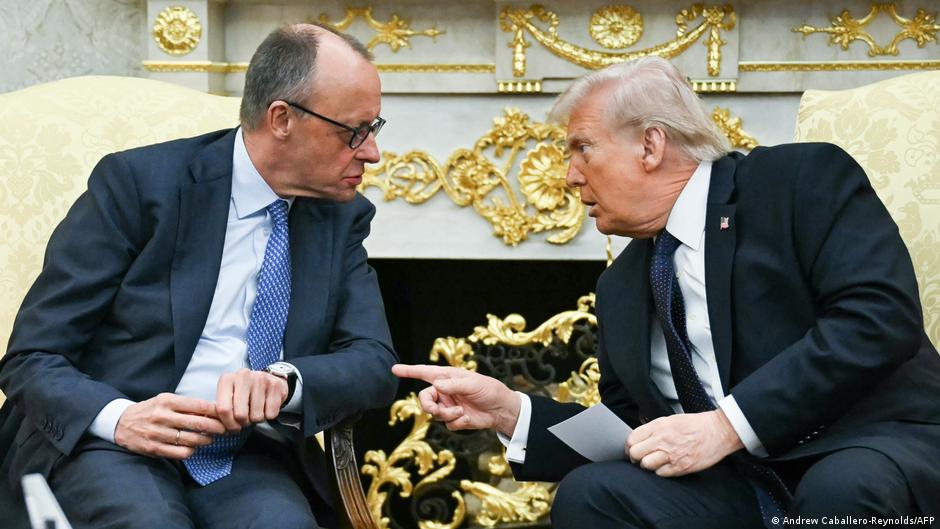
Friedrich Merz says unconditional transatlantic friendship may be over, framing U.S.-German tensions as a strategic test for Germany’s economy.
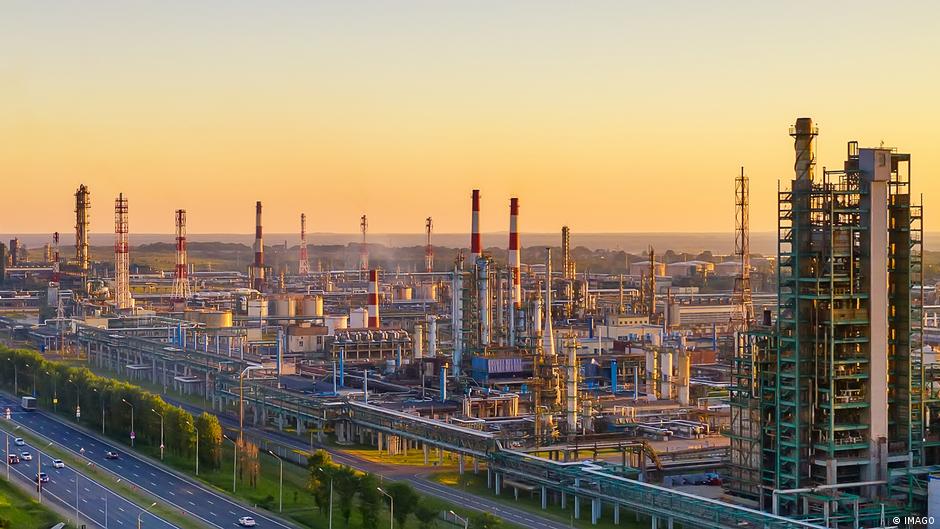
The halt at Yaroslavl’s YANOS refinery deepens Russia’s fuel shortages and exposes rising wartime risks to its energy infrastructure.
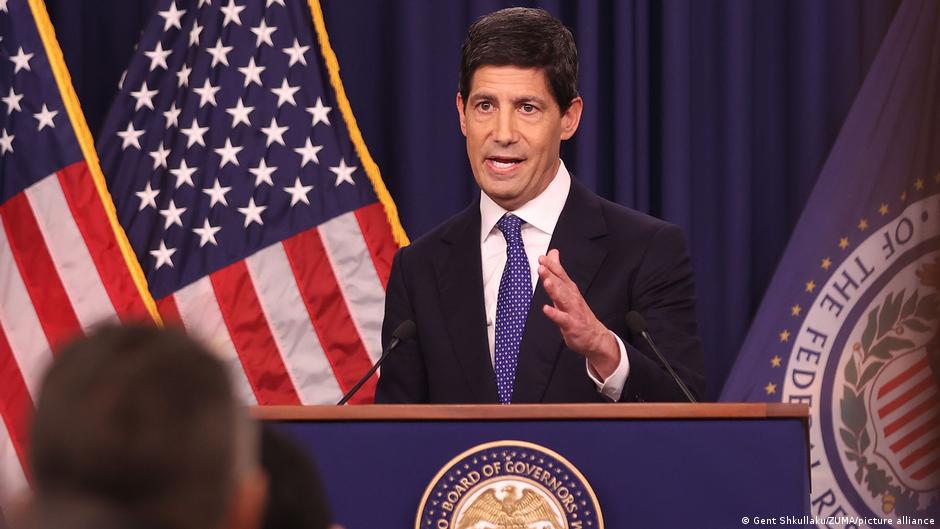
The Fed lifted rates to 3.75-4.0 percent, reversing years of cuts as persistent inflation and energy shocks reshape policy risks.
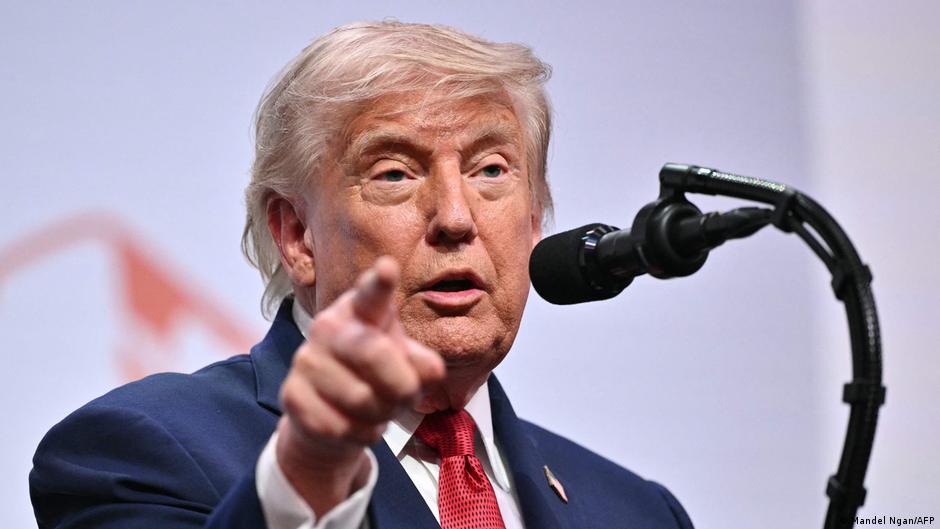
Trump’s warning over EU-Canada ties highlights rising trade fragmentation and the growing use of tariffs as geopolitical leverage.
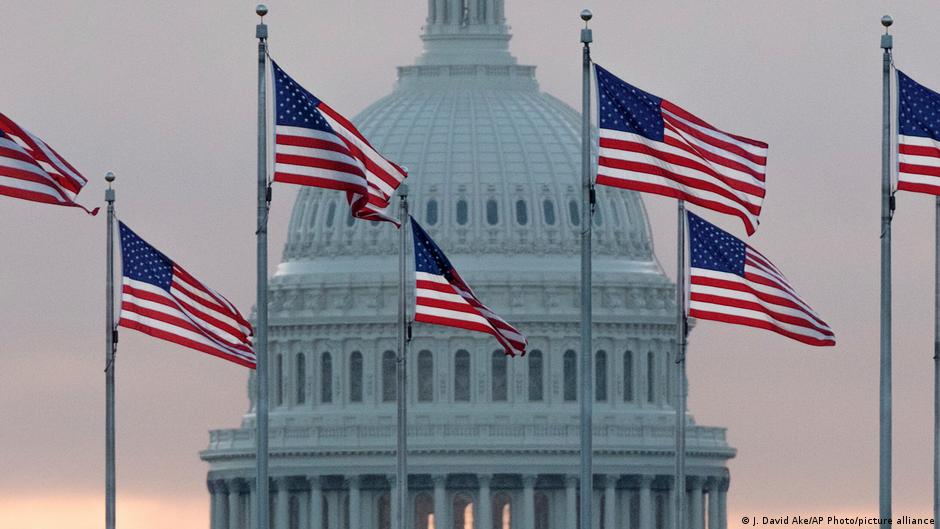
The House opened debate on a bill allowing 100% tariffs on major Russian energy buyers, raising stakes for energy markets and U.S. policy.
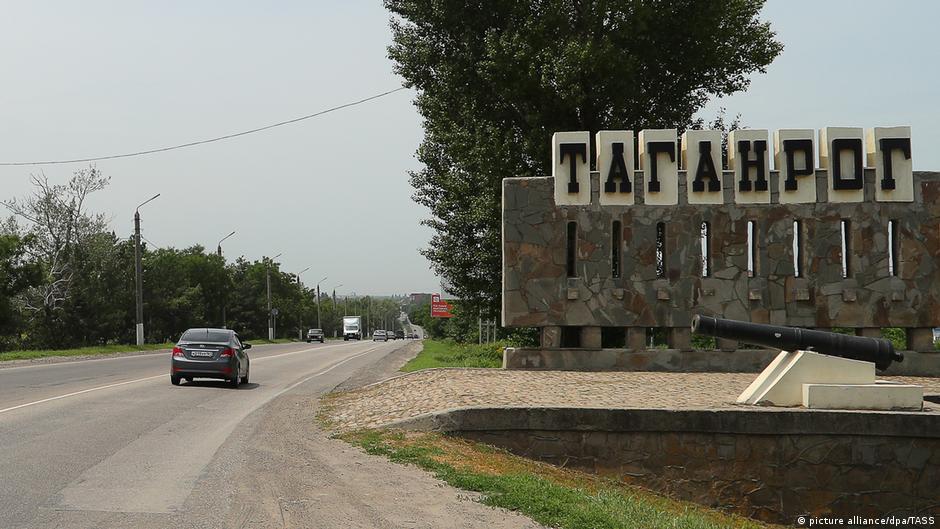
Strikes on Syzran refinery and Taganrog sites show how the war’s economic pressure is extending into Russia’s energy and industrial infrastructure.
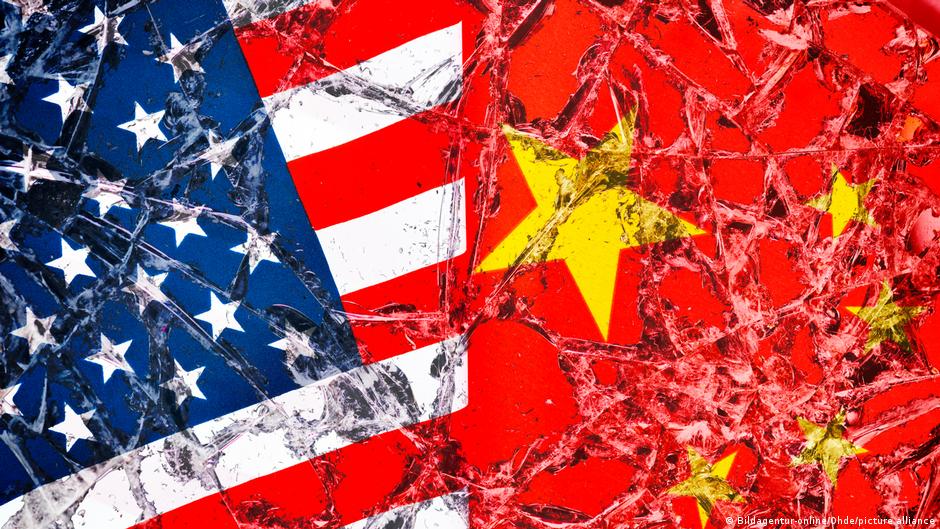
China warned the U.S. against preparing for space warfare after Washington confirmed orbital weapons with offensive and defensive uses.
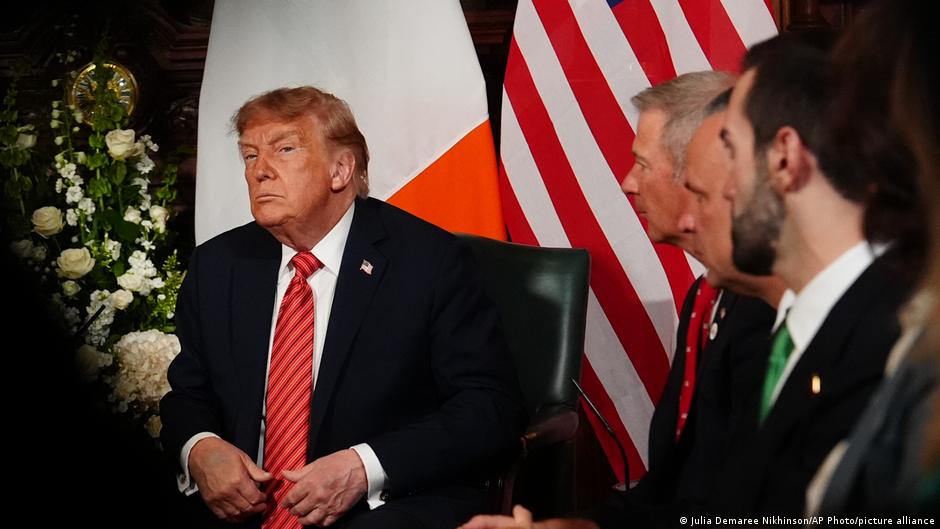
Trump said the U.S. will scrap a 10 percent tariff on Irish whiskey, signaling a targeted shift inside broader duties on EU wine and spirits.
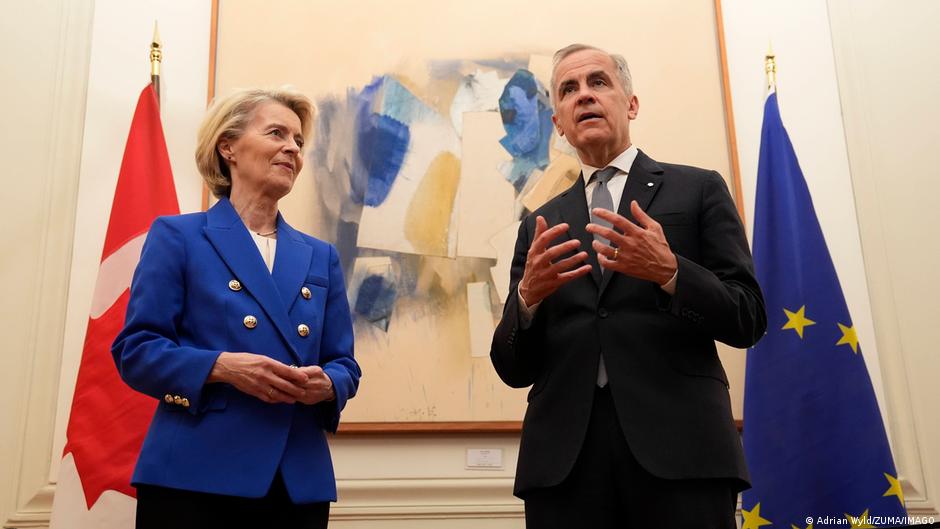
Canada is in talks to join the EU’s €90 billion Ukraine loan as Ottawa seeks deeper ties with Europe and less dependence on the United States.

Russia is expected at G20 energy talks in Houston as governments weigh energy security, sanctions and Red Sea risks.

The Houthi capture of Mocha strengthens their position near Bab el-Mandeb, increasing risks to oil flows, prices and U.S. policy options.

Zelensky expects late-September US talks on food and energy security as Ukraine warns of Black Sea export disruption and infrastructure attacks.
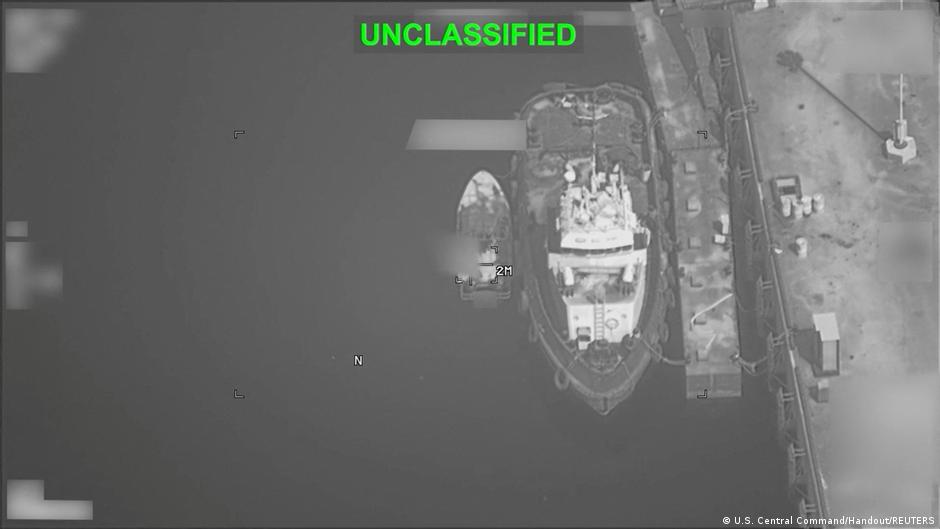
CENTCOM said it destroyed five Iranian oil tankers after IRGC missile attacks, deepening risks around Gulf shipping and oil markets.
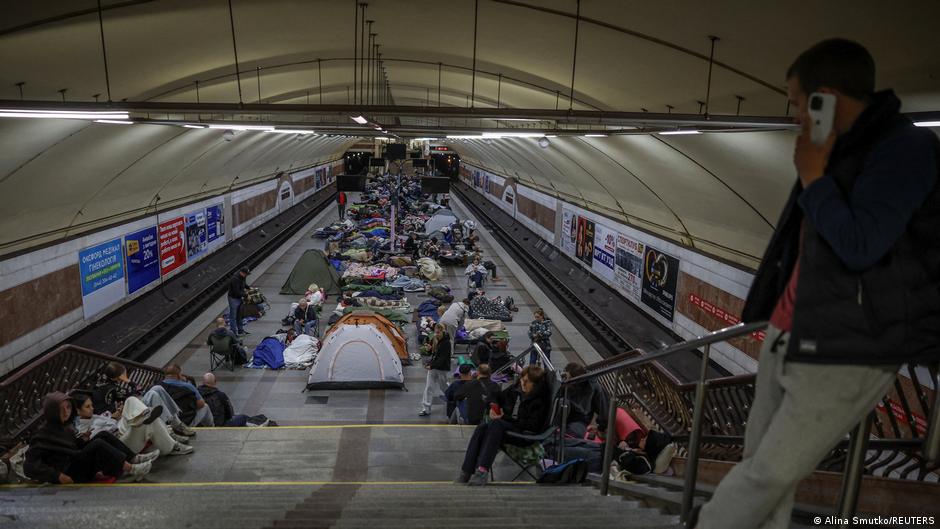
Russian drone and missile strikes hit Kyiv and nearby industrial sites as Ukraine and Russia signal openness to a possible trilateral talks format.
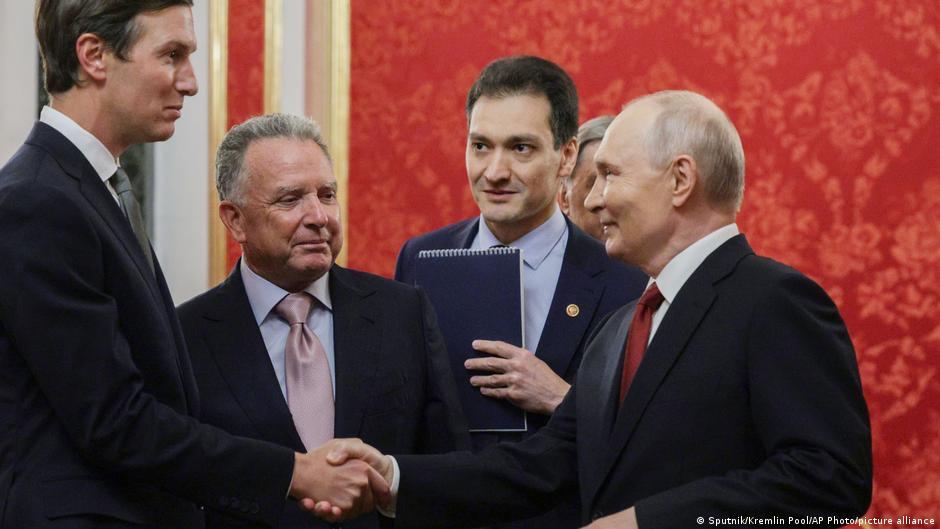
U.S. envoys discussed concrete Ukraine peace plans with Putin before Kyiv talks, raising major questions for sanctions, security and markets.
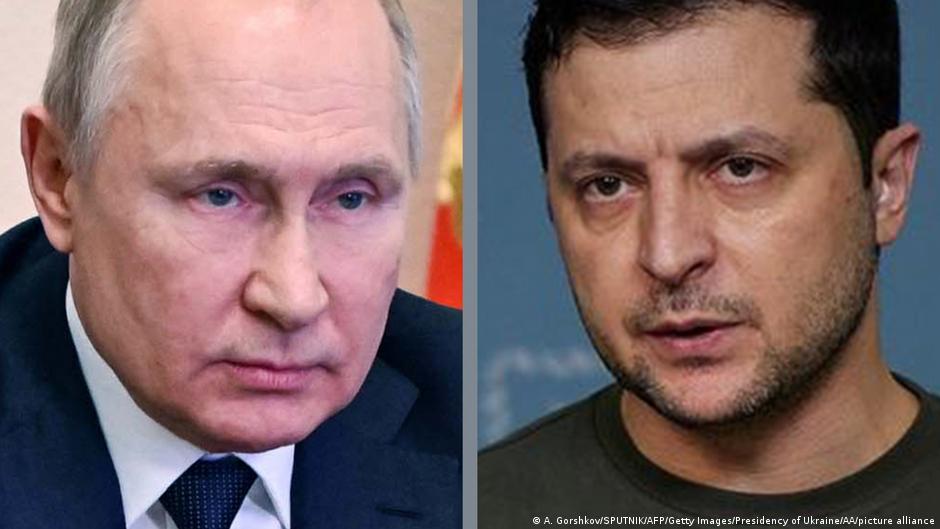
Putin and Zelensky signaled possible diplomatic movement as U.S. envoys prepare visits that could influence sanctions, trade risk and Europe’s economic outlook.
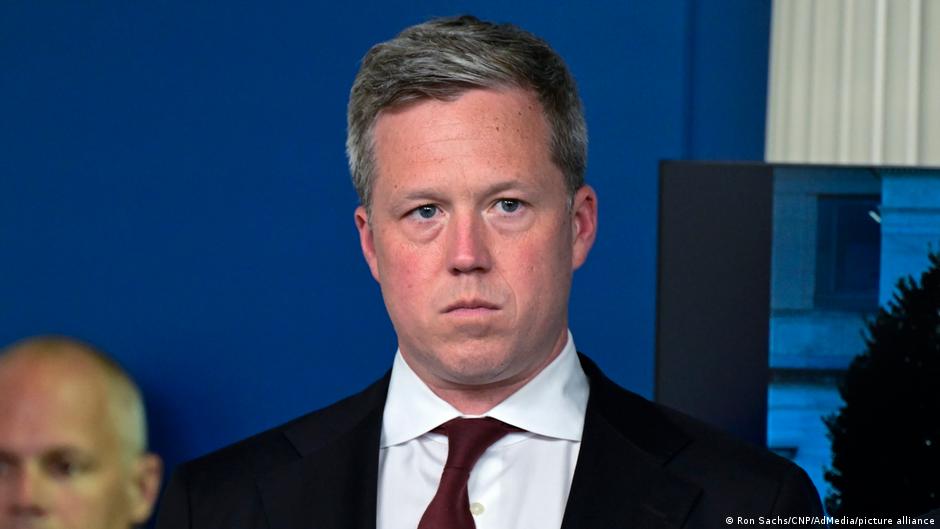
Daniel Driscoll’s reported resignation adds to Pentagon turnover and raises questions over U.S. defense policy, procurement priorities and wider economic effects.
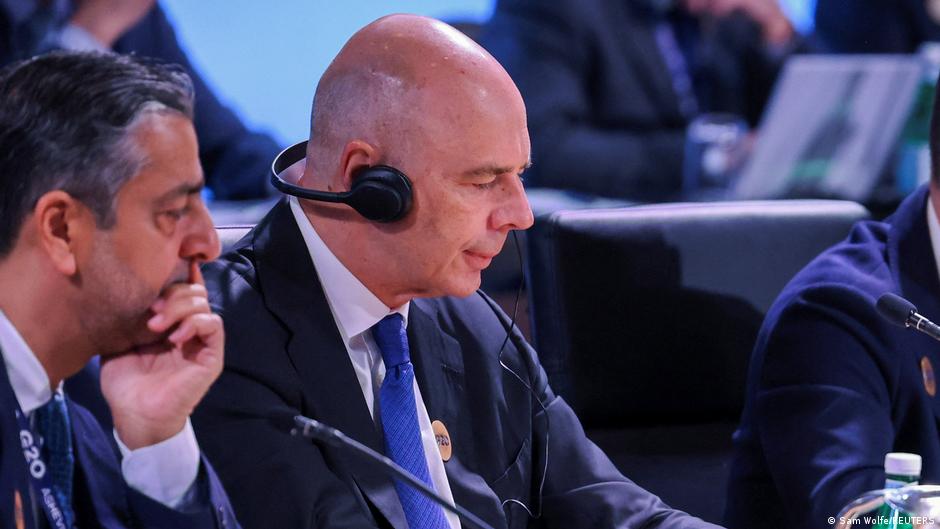
US Treasury Secretary Scott Bessent reportedly told Russia that sanctions pressure will not ease before the war in Ukraine ends.
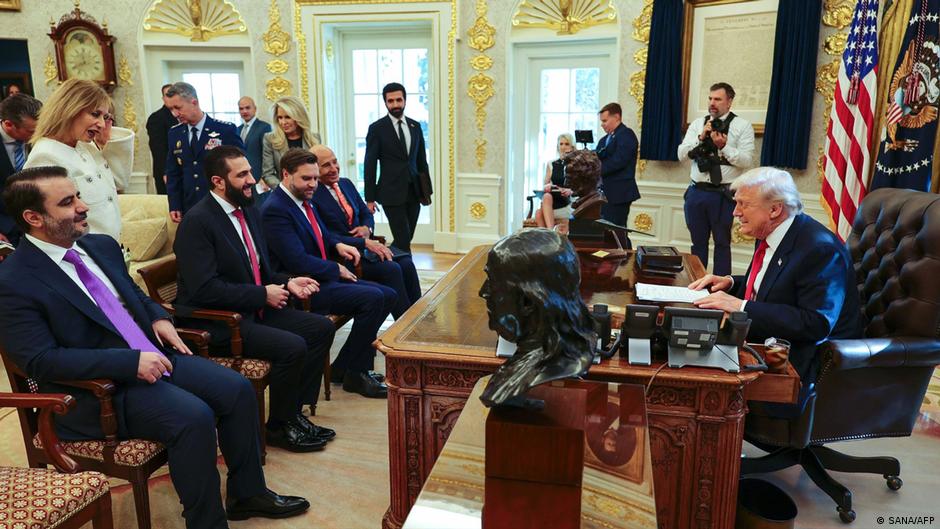
The US has removed Syria from its terrorism sponsor list, opening new economic and geopolitical avenues amid ongoing regional tensions and shifting alliances.
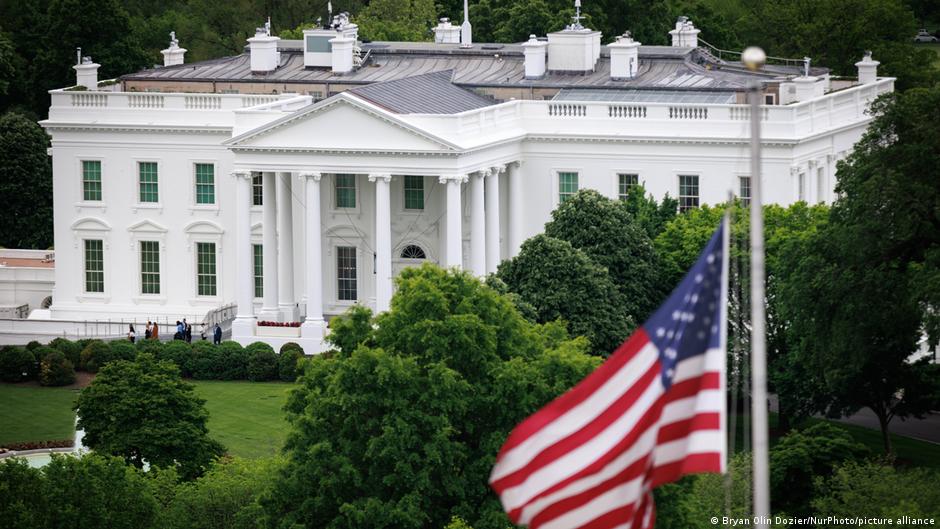
The US Supreme Court allows President Trump to resume White House renovations, including a new ballroom and military bunker, overturning lower court injunctions amid debates on executive authority.
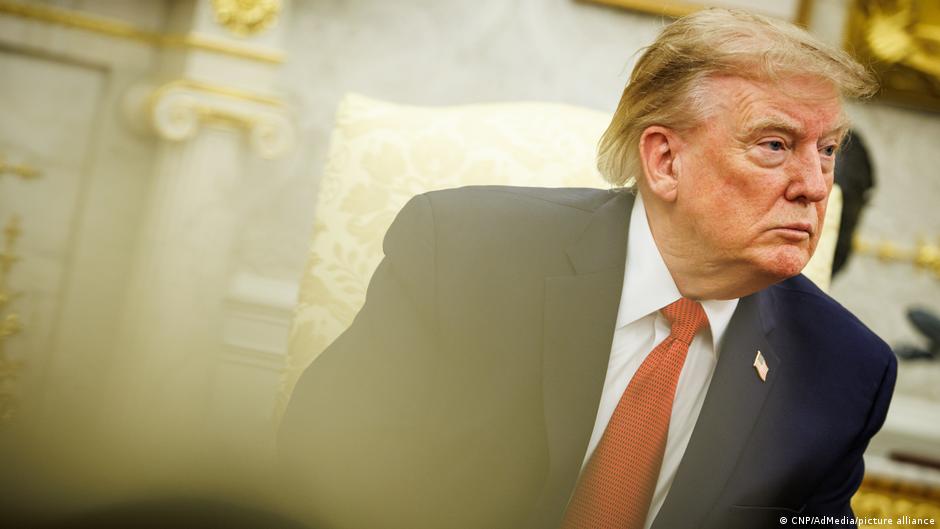
US President Trump announces an unprecedented economic war on Iran, threatening sanctions on any country supporting Tehran, intensifying global economic and geopolitical tensions.
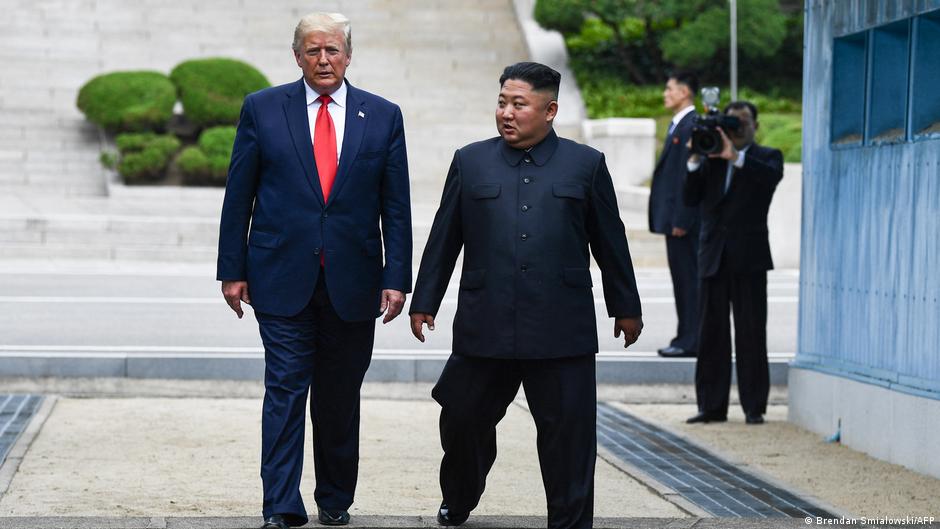
President Trump plans to meet Kim Jong Un during November's APEC summit to revive stalled nuclear negotiations, with significant implications for regional security and global economic stability.
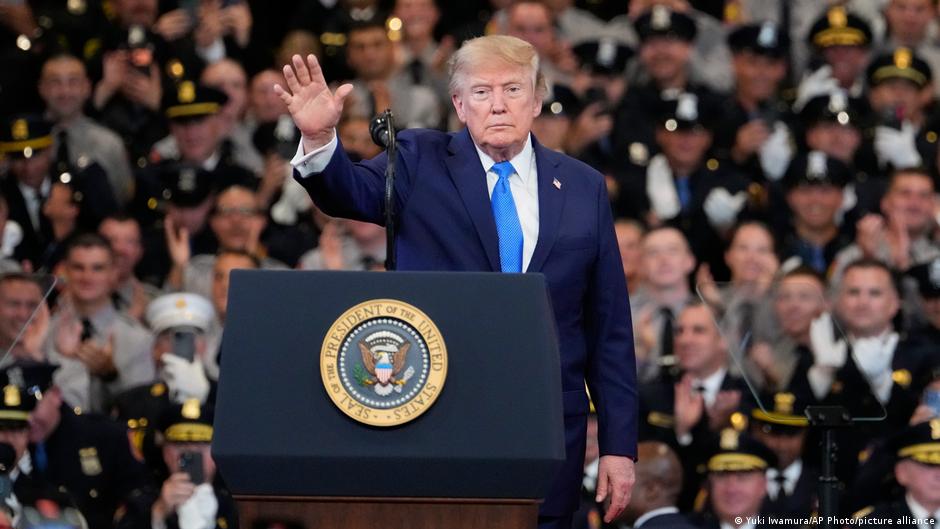
Trump threatens Oman with military strikes over Strait of Hormuz negotiations amid US-Iran tensions, risking global oil market stability.
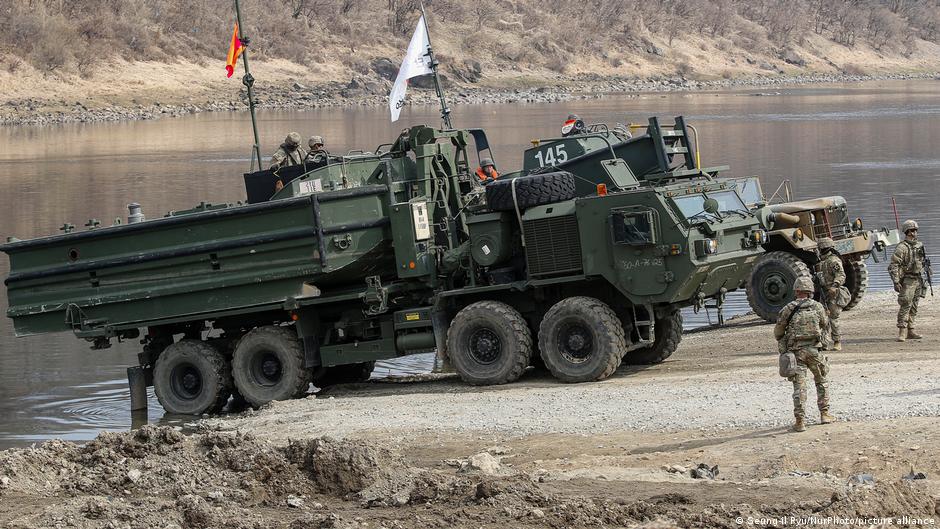
The US orders a significant reduction of joint military drills with South Korea, reflecting a strategic shift that impacts regional security and global economic stability.
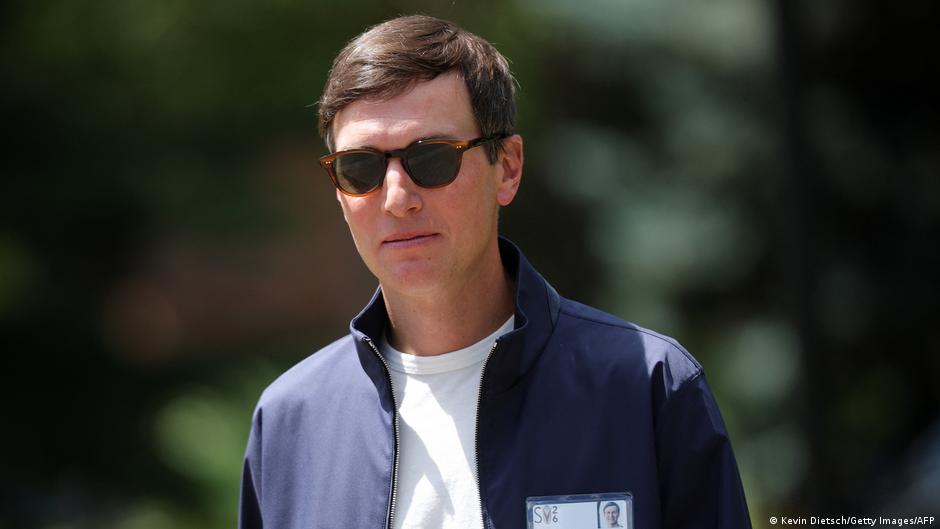
Jared Kushner's talks with Hamas in Egypt press for disarmament amid Israeli demands, highlighting pivotal shifts in Middle East diplomacy with major global economic effects.
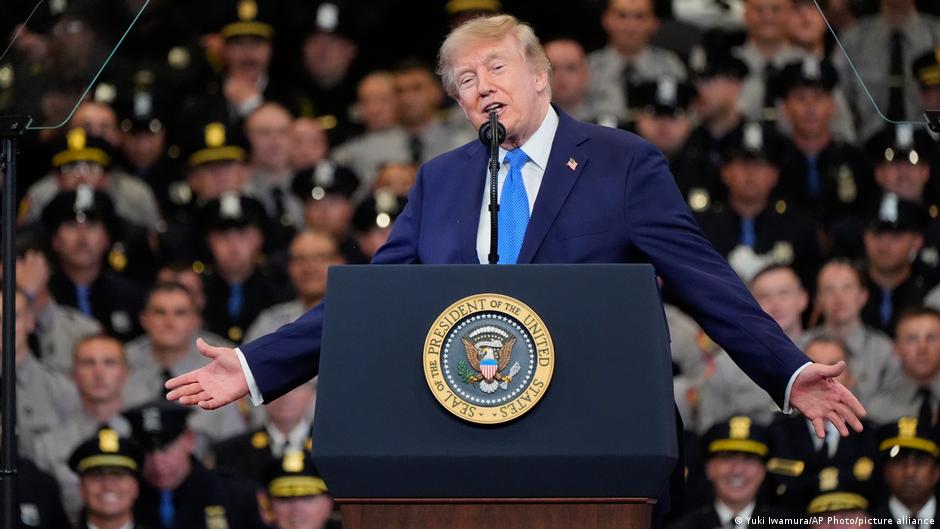
President Trump plans to declare the Strait of Hormuz US territory, signaling a permanent military presence with significant risks for global energy markets and geopolitical stability.
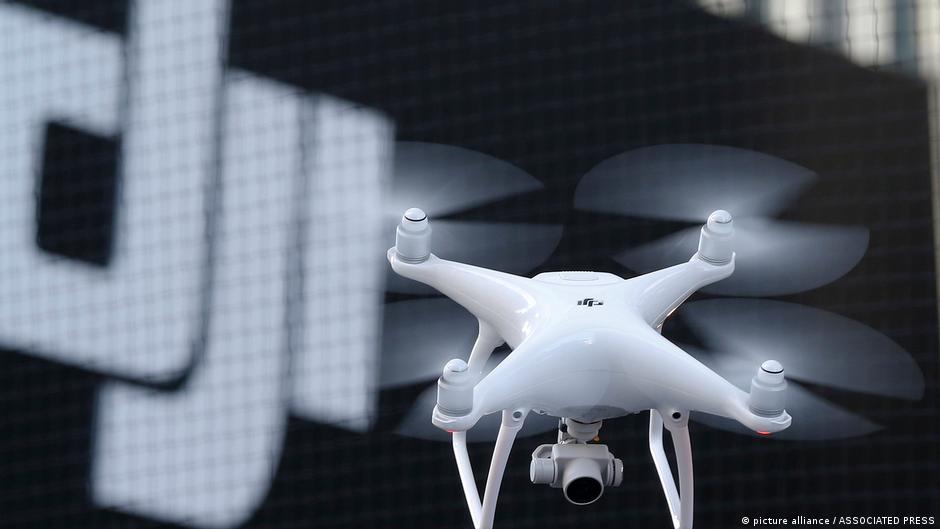
The US imposes tariffs up to 100% on imported drones and components to enhance national security and reduce reliance on foreign suppliers amid rising global tensions.
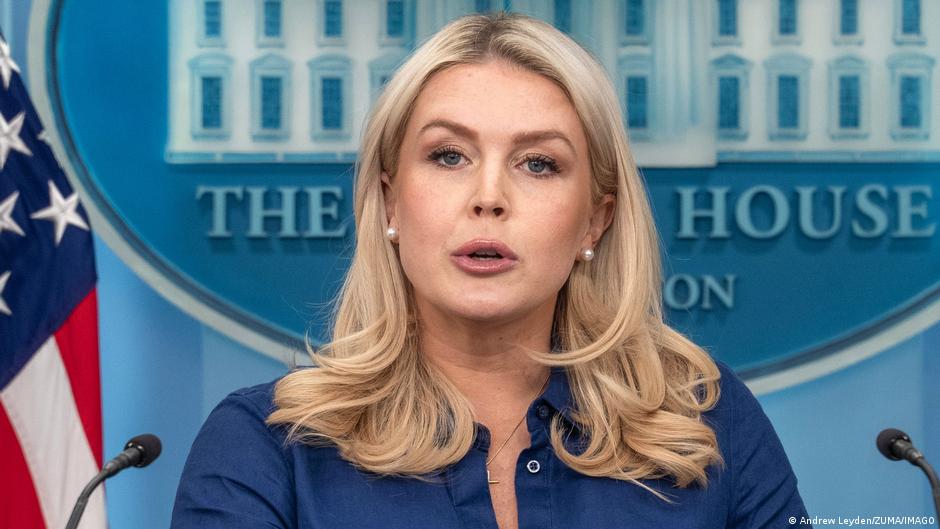
White House Press Secretary Caroline Leavitt resigns to focus on family, prompting potential shifts in administration communication and wider political strategy implications.