US Launches Extensive Economic War on Iran, Threatening Sanctions on Supporters
President Trump unveils unprecedented economic sanctions targeting Iran and warnings to countries maintaining ties with Tehran.
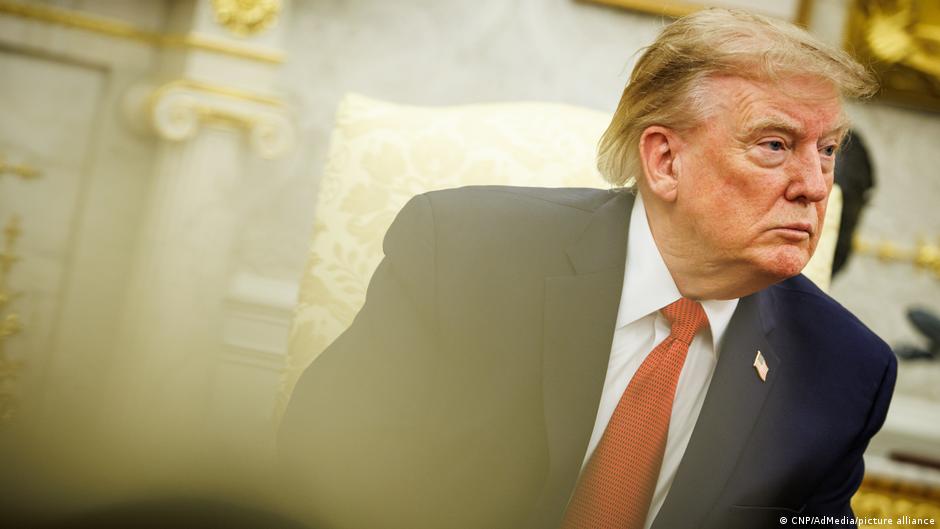
In a significant escalation of economic tensions, US President Donald Trump has announced the commencement of a large-scale economic war against Iran. This initiative involves imposing unprecedented sanctions not only on Iran but also on any country that provides support or engages in business with Tehran.
On August 20, Trump declared via his social media platform, Truth Social, that the United States would undertake "the most crushing economic operation ever conducted against any country." He characterized this campaign as an economic war and isolation effort of unparalleled scale, signaling a sharp intensification of pressure on Iran's economy.
Strategic Implications and Global Economic Repercussions
The administration’s strategy aims to sever Iran’s financial lifelines, particularly targeting its oil exports, shipping, and financial sectors, which are pivotal for Tehran’s revenue. This approach follows earlier US sanctions designed to curtail Iran’s energy exports, a vital source of income for the Iranian government.
"We need the support of all our allies to isolate and defeat the Iranian threat," Trump emphasized, underlining the call for a unified global front.
This expansive sanctions regime aligns with the ongoing campaign dubbed "Economic Fury," initiated earlier in April, marking a sustained effort to degrade Iran’s economic capabilities and regional influence.
Further complicating the geopolitical landscape, the United Arab Emirates (UAE) announced on August 18 a suspension of all trade, commercial exchanges, and financial operations with Iran until further notice. This move came amid accusations by UAE authorities that Iran launched two missiles targeting their territory, allegedly aiming to disrupt maritime shipping routes. Iran has denied these allegations.
The ripple effects of these developments extend beyond bilateral US-Iran relations. Countries engaged economically with Iran now face difficult choices under the threat of heavy US sanctions. The situation poses risks to global energy markets, given Iran’s role as a significant oil exporter, and may prompt shifts in international trade patterns and alliances.
Long-Term Economic Consequences and Policy Shifts
The United States’ stringent sanctions and calls for allied cooperation could lead to increased economic isolation of Iran, exacerbating tensions in an already volatile region. For senior policymakers and economic strategists, the evolving US-Iran dynamic necessitates reassessment of risk exposures, particularly in sectors connected to energy and finance.
The move also signals a broader policy posture emphasizing economic tools as primary instruments of foreign policy enforcement. This approach potentially sets a precedent for how economic warfare may be leveraged in future geopolitical conflicts, influencing global economic governance and international relations.
In this context, the global community must navigate a complex web of economic dependencies, security concerns, and diplomatic pressures. The sanctions’ broad reach underscores the critical need for strategic adaptability among international businesses and governments to mitigate the potential shocks in supply chains and financial systems.
Ultimately, the US initiative against Iran reflects a significant shift in the geopolitical economic landscape, with considerable implications for global economic stability and international policy frameworks.