US Plans to Declare Strait of Hormuz as American Territory Amid Iran Tensions
President Trump signals intent to assert US sovereignty over the Strait of Hormuz, implying long-term military presence with significant global economic risks.
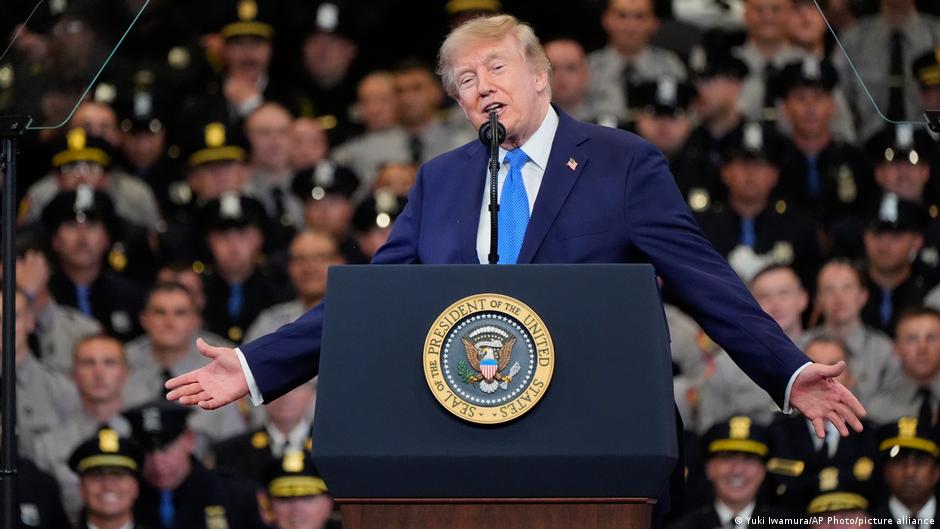
In a statement delivered on August 15, US President Donald Trump announced his intention to declare the Strait of Hormuz as American territory following a decisive victory over Iran. Speaking at a police academy event in New York State, Trump emphasized that American forces currently control the vital waterway, effectively blocking Iranian ports.
The Strait of Hormuz, a narrow channel linking the Persian Gulf with the Gulf of Oman and the Arabian Sea, is one of the world’s most strategic maritime passages, responsible for the transit of a significant portion of global oil shipments. Control over this strait is critical not only for regional power projection but also for global energy markets.
Iran denies that the United States controls the strait. Tehran asserts its own blockade, claiming sovereign rights over the passage and challenging the US narrative. Since the escalation of hostilities involving the US and Israel against Tehran earlier this year, the Strait of Hormuz's navigability has been severely compromised, exacerbating supply disruptions.
Implications for Global Energy Security and Geopolitical Stability
Declaring the Strait of Hormuz US territory would represent a significant shift in international maritime norms and carry profound geopolitical consequences. The move implies a permanent US military presence aimed at securing and enforcing control over the strait indefinitely, despite prior claims by the White House that any conflict with Iran would be short-lived.
"The Islamic Republic will not succumb to threats and displays of force from the United States," stated Iranian Deputy Foreign Minister Qasem Garibabadi in response to Trump's declarations.
This assertive stance risks further escalating tensions between Washington and Tehran. It also raises the prospect of disrupting global oil supply chains, as Iran has previously demanded compensation for damages and sanctions relief in exchange for reopening the strait to free navigation.
Currently, global oil reserves continue to dwindle amid ongoing blockades and rising conflict risks in the region. The Strait of Hormuz remains a flashpoint where US strategic ambitions intersect with Iranian sovereignty claims, complicating diplomatic efforts and threatening to destabilize energy markets worldwide.
President Trump’s broader strategic vision includes asserting US control over other geopolitically significant regions such as Greenland and the Panama Canal, and controversially referring to Venezuela as the "51st state". These ambitions underscore a pattern of territorial and economic expansionism with wide-ranging implications for global governance and international law.
While the US military recently reported clearing mines from the strait, Trump has emphasized that intensifying economic pressure on Iran might yield better results than further military strikes. This dual approach of military readiness combined with economic sanctions reflects the complexity of US policy toward Tehran.
For senior decision-makers, the declaration of the Strait of Hormuz as US territory signals a critical pivot in US foreign policy with long-term effects on global trade, energy security, and regional stability. Policymakers and economic strategists must carefully weigh the risks of escalating confrontation against the imperatives of maintaining open maritime routes that are essential for the global economy.