US Supreme Court Allows Trump to Proceed with White House Ballroom and Bunker Construction
The Supreme Court temporarily halts lower courts’ injunctions, enabling the continuation of Trump’s White House renovation plans including a ballroom and military bunker.
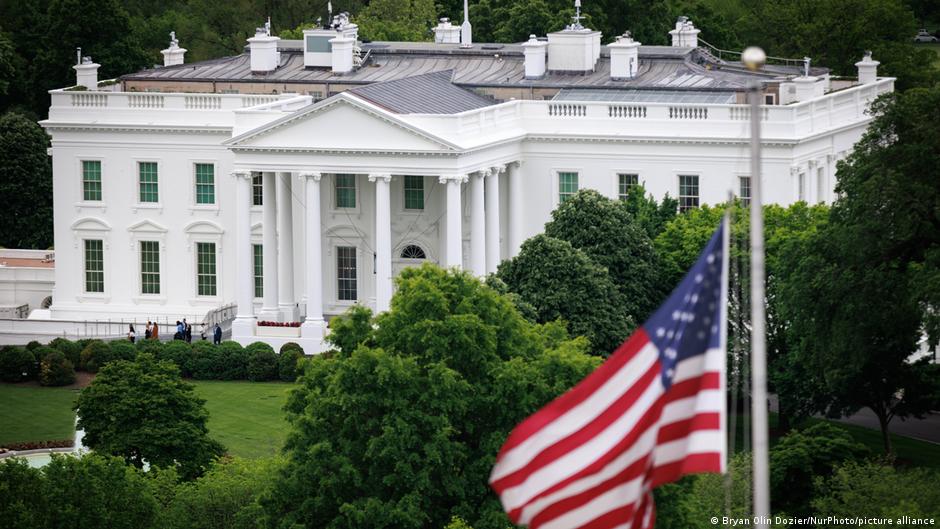
The US Supreme Court has temporarily allowed President Donald Trump to continue the reconstruction of the White House, which includes plans for a new ballroom and a military bunker. This decision overturns previous court rulings that had blocked the extensive renovation project.
Judicial Intervention in Presidential Renovation Plans
On August 21, Chief Justice John Roberts issued an order suspending the injunctions imposed by lower courts that required the halt of construction activities at the White House. The Federal Appeals Court in Washington had earlier prohibited the continuation of the reconstruction, arguing that the current administration does not possess "unlimited authority" to redesign and remodel the White House to align with the personal preferences of the sitting president.
President Trump’s administration swiftly challenged this ruling, emphasizing the strategic importance of the project. Trump described the planned complex—comprising a ballroom and a military bunker—as "the greatest facility of its kind," underscoring its critical role in bolstering national security.
Last year, without securing Congressional approval, Trump ordered the demolition of the historic East Wing of the White House to make way for the ballroom and bunker. This move ignited significant legal and political debate about executive authority and preservation of national heritage.
Implications for US Governance and Urban Planning
The White House renovation is part of a broader initiative by President Trump to transform the landscape of Washington, D.C., by the conclusion of his second presidential term in January 2029. The plans also include reconstructing the Reflecting Pool area to erect a 76-meter-tall triumphal arch, which would be almost three times taller than the Brandenburg Gate in Berlin.
"The complex, consisting of a ballroom and a military bunker, will be the greatest facility of its kind," stated President Trump, emphasizing its significance for national security.
The Supreme Court’s decision highlights the ongoing tension between executive actions and judicial oversight, raising important questions about the limits of presidential power in altering federal landmarks. Furthermore, these developments will have lasting effects on urban policy and cultural heritage preservation in the nation’s capital.
From a macroeconomic perspective, such large-scale governmental infrastructure projects entail considerable resource allocation and have implications for federal budget priorities. The intersection of security considerations and urban redevelopment also reflects shifting policy imperatives in the context of national resilience and political symbolism.