US-Iran Tensions Escalate as Trump Threatens Oman Amid Strategic Strait Negotiations
Trump warns Oman against disrupting US-Iran talks over the Strait of Hormuz, signaling heightened geopolitical risks to global oil supply and economic stability.
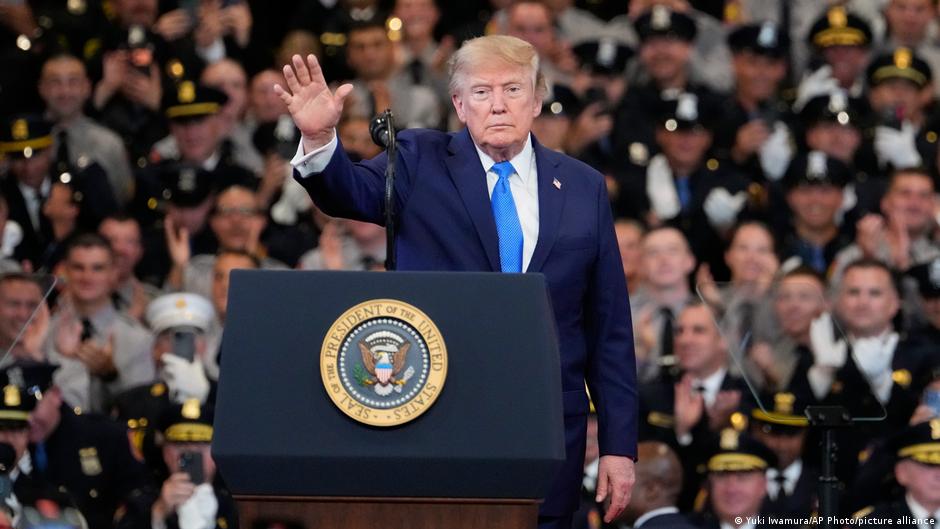
The escalating conflict between the United States and Iran has taken on a new dimension as former US President Donald Trump threatened Oman with military action if it interferes in negotiations concerning the Strait of Hormuz. This warning, delivered in an interview with Fox News on August 17, highlights the growing geopolitical tensions affecting one of the world’s most critical oil transit chokepoints.
Geopolitical Stakes in the Strait of Hormuz
The Strait of Hormuz is a strategic waterway through which approximately one-fifth of global oil shipments passed before the recent hostilities between the US, Israel, and Iran. Control over this narrow maritime corridor is crucial not only for regional powers but also for the stability of global energy markets. Oman, whose capital is Muscat, has been engaged in talks with Tehran regarding joint oversight of maritime navigation through the strait. However, these consultations have yet to yield a consensus.
"If Oman interferes, the US will ‘bomb the stupidity out of them,’" Trump declared, underlining the uncompromising US stance.
This rhetoric reflects the high stakes involved as the US aims to maintain dominance over the strategic route, while Iran and Oman consider cooperative security arrangements that could shift regional balances.
Deadlines and Diplomatic Breakdown
The tensions escalate against the backdrop of a 60-day negotiation deadline that expired on August 17. This timeline was set by a Memorandum of Understanding signed by Trump in June during the G7 summit. The memorandum intended for Washington and Tehran to reach an agreement addressing economic sanctions on Iran, Tehran's nuclear program, and other critical issues.
Although Trump emphasized that Iran should "raise the white flag and surrender," he also indicated no intention to extend the negotiation deadline. The diplomatic stalemate has been accompanied by a resurgence of military confrontations. Since July, Iran conducted attacks on several vessels in the Strait, prompting the US to launch a series of airstrikes on Iranian targets. Washington's declared objective is to diminish Iran's ability to threaten commercial shipping. Meanwhile, Iran has retaliated by striking US military bases in neighboring Gulf countries.
Regional and Global Economic Implications
The conflict's implications extend far beyond regional security. The Strait of Hormuz is a critical artery for global oil exports, and disruption here threatens to increase volatility in energy markets, potentially driving up oil prices worldwide. This instability poses significant risks to global economic growth, particularly for energy-dependent industries and countries.
Furthermore, the threat of US military action against Oman complicates diplomatic relations within the Gulf and jeopardizes efforts to stabilize the region. Oman's negotiating role with Iran illustrates the delicate balancing act smaller Gulf states perform amid superpower rivalries.
International Responses and Future Outlook
On August 17, Turkish President Recep Tayyip Erdogan called Trump, urging a continuation of talks with Iran to de-escalate tensions. Erdogan also offered Ankara's mediation services. This development underscores the broader international concern over the conflict's potential to spiral further and disrupt global economic and security frameworks.
Discussions between Turkey and the US also touched on other regional issues, including the Gaza conflict, a defense pact involving Turkey, Saudi Arabia, and Pakistan, and bilateral relations. These conversations reflect the interconnected nature of Middle Eastern geopolitics, where local conflicts have far-reaching economic and strategic consequences.
As the situation remains fluid, policymakers and markets alike must monitor these developments closely. The outcome will influence global oil supply security, regional power dynamics, and the broader geopolitical landscape affecting international economic stability.