US Imposes Up to 100% Tariffs on Drone Imports to Bolster National Security and Domestic Production
The US administration enacts high tariffs on imported drones and components, aiming to reduce foreign dependency amid rising security concerns.
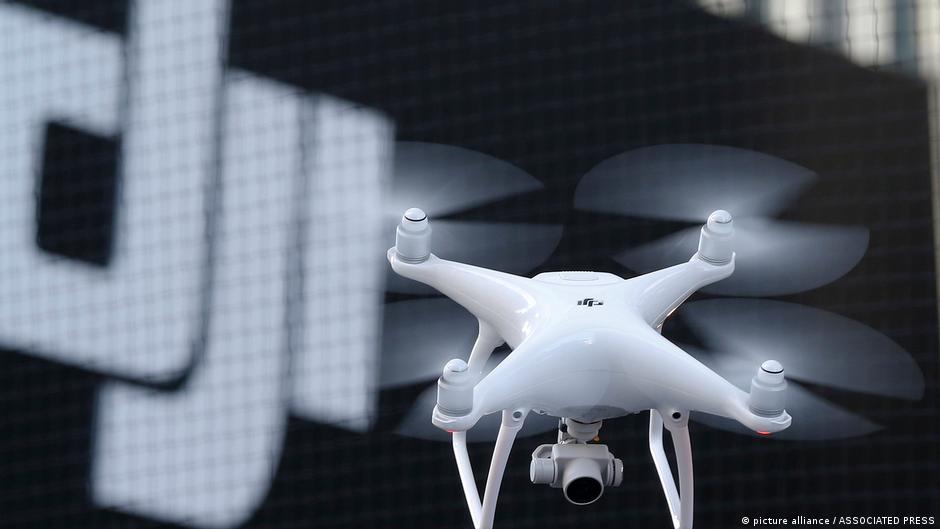
On August 13, 2025, US President Donald Trump signed a proclamation imposing tariffs on the import of drones and their critical components. The new tariffs target unmanned aerial vehicles (UAVs) with particular specifications deemed vital to national security, as well as key accessories such as docking stations.
Details of the Tariff Measures
The tariffs impose a 100% levy on drones exceeding 25 kilograms in maximum takeoff weight and equipped with thermal imaging capabilities. A reduced tariff of 25% applies to drones weighing 25 kilograms or less. Additionally, imports of drones and parts from certain allied countries will face lower tariffs: 15% from the European Union, Japan, South Korea, Switzerland, Taiwan, and Liechtenstein; and 10% from the United Kingdom.
The tariffs on drones and components classified as critical to national security will take effect 21 days after the proclamation’s signing, while tariffs on other non-critical parts will be implemented 180 days later.
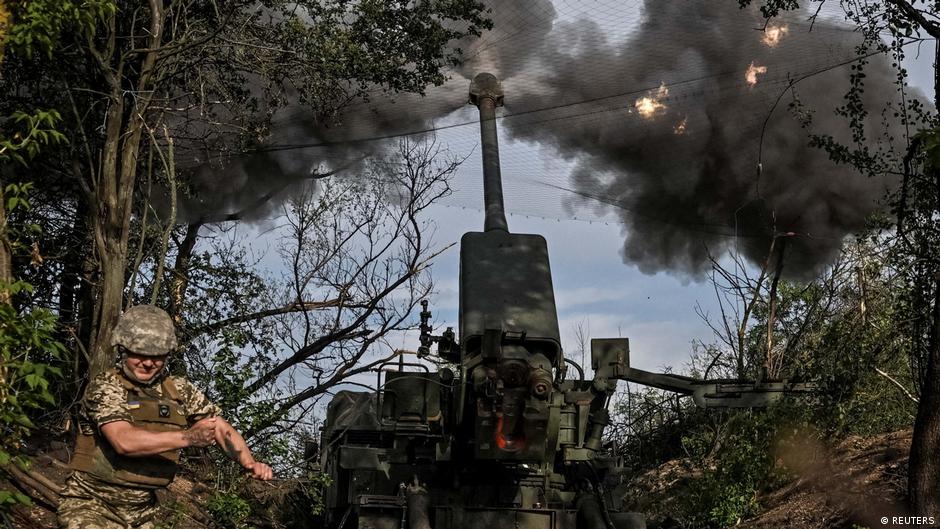
"Drones are key technology in modern warfare and are essential to current and future US military operations. Our reliance on foreign suppliers for critical components exposes significant national security vulnerabilities," the White House statement said.
Strategic Implications and Global Context
The move reflects deep concerns within the US administration over national security risks posed by dependence on foreign drone manufacturers, particularly China, which holds a dominant position in the global drone industry. Recent reports highlight that British naval reconnaissance drones equipped with Chinese components inadvertently transmitted sensitive data back to China, underlining potential espionage risks.
Further complicating geopolitical dynamics, Bloomberg reported that China has been supplying drones to Russia via Thailand, with Russia importing drones worth $125 million over the past 11 months of 2025. Concurrently, China has reportedly curtailed deliveries of key drone components to Western buyers while expanding exports to Russia.
These developments underscore the increasingly strategic nature of drone technology within international security frameworks and the broader trade and tech competition between major powers.
Economic and Policy Consequences
From an economic perspective, the tariffs aim to stimulate domestic drone manufacturing capabilities, reducing the US military’s exposure to supply chain vulnerabilities and geopolitical risks associated with foreign dependencies. This policy shift could reshape global drone supply chains and increase production costs for US buyers in the interim.
Moreover, allies facing elevated tariffs may reconsider their own supply arrangements and production strategies. The differential tariff rates for imports from allied nations indicate an attempt to balance strategic security with diplomatic considerations.
In the longer term, the tariffs could accelerate investments in domestic innovation and manufacturing for advanced drone technologies, with potential spillover effects for civilian drone markets and related technological sectors.