Putin, Zelensky Signal New Peace Openings as U.S. Shuttle Diplomacy Builds
Statements from Moscow and Kyiv point to renewed diplomatic movement that could reshape sanctions, trade risk and Europe’s medium-term economic outlook.
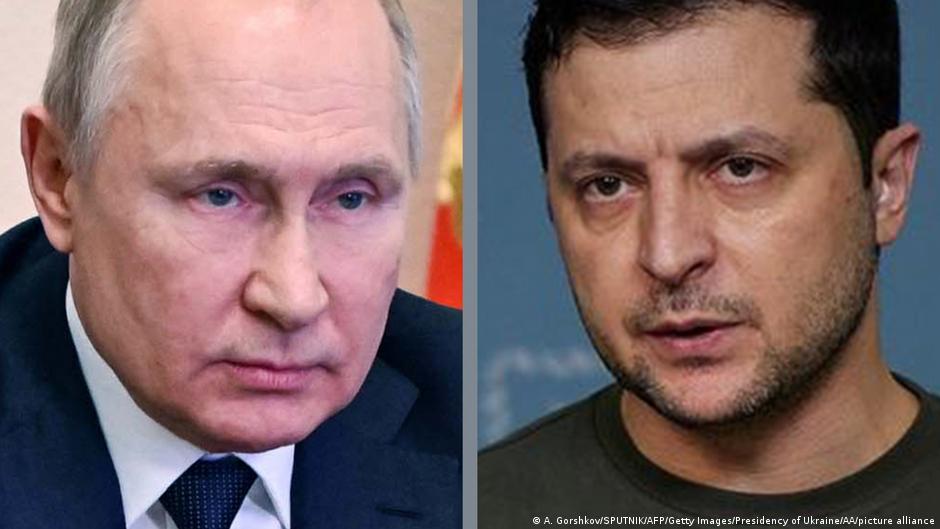
Russian President Vladimir Putin and Ukrainian President Volodymyr Zelensky on Thursday, September 3, separately signaled that a diplomatic path to ending the war in Ukraine remains possible, as expected visits by U.S. representatives to both Kyiv and Moscow add fresh momentum to a negotiation track with potentially wide economic consequences.
For policymakers, investors and corporate leaders, the renewed discussion matters well beyond the battlefield. Any credible move toward talks could eventually affect sanctions policy, Black Sea shipping risk, energy and agricultural trade flows, sovereign financing conditions and the broader medium-term outlook for Europe’s growth model. At the same time, the political signals remain preliminary, and both leaders pointed to obstacles that underscore how fragile any opening still is.
Speaking on the sidelines of the Eastern Economic Forum, Putin said Russia and Ukraine must be the principal parties to any peace settlement, while other countries should support that process. He also thanked states seeking to contribute to a resolution.
“Russia and Ukraine must first of all reach an agreement between themselves,” Putin said, adding that other countries should be ready to support and help and that, in his view, chances for peace do exist.
That formulation is economically significant because it suggests Moscow is continuing to frame any diplomatic outcome as a bilateral political arrangement, with external powers cast as facilitators rather than architects. For global markets, that distinction matters: it implies that even if Washington intensifies mediation, the timing and content of any settlement could remain highly contingent on direct Russian-Ukrainian bargaining, limiting the scope for rapid repricing of geopolitical risk.
Putin also said Moscow and Kyiv continue to maintain contacts through their intelligence services, although he said he could not judge how much that might help advance peace. At the same time, he cited Ukrainian attacks on transport vessels in the Black Sea and statements from Kyiv about the unsafety of Russian airspace, saying such factors complicate the possibility of bilateral peace talks.
Those remarks highlight the core macroeconomic tension around the diplomacy narrative. Even when political signaling improves, security incidents tied to shipping lanes and airspace can keep insurance costs elevated, restrict logistics planning and preserve a risk premium across regional trade. For Europe, the Black Sea remains strategically important not only for Ukrainian exports, but also for wider commodity market confidence and transport predictability.
Washington’s role returns to the center
Later the same day, Zelensky said prospects for renewed talks with Russia would be discussed as U.S. representatives prepare to visit both capitals. In his evening video address, the Ukrainian president said preliminary dates already exist and that Kyiv has confirmation the representatives of the U.S. president will meet in both Moscow and Kyiv.
Zelensky added that Ukraine remains in constant contact with the American team. Days earlier, he reported a phone conversation with U.S. President Donald Trump’s special envoys, Steven Witkoff and Jared Kushner, during which he told the U.S. representatives that Russia’s gains on the battlefield were “insignificant.”
For senior decision-makers, the expected U.S. shuttle diplomacy is notable because it may indicate a more structured White House effort to test negotiating terms directly with both sides. Even without a breakthrough, that kind of parallel engagement can alter policy expectations across sanctions enforcement, military assistance assumptions and the future architecture of Western support for Ukraine. Businesses exposed to Eastern Europe, energy transit, food supply chains or reconstruction planning will be watching whether the U.S. role becomes episodic or institutionalized.
Discussion of potential peace negotiations intensified soon after CIA Director John Ratcliffe made an unannounced visit to Moscow in late August. According to Axios, a representative of the Trump administration proposed, among other ideas, a trilateral meeting of the presidents of the United States, Russia and Ukraine to discuss ending the war through diplomacy.
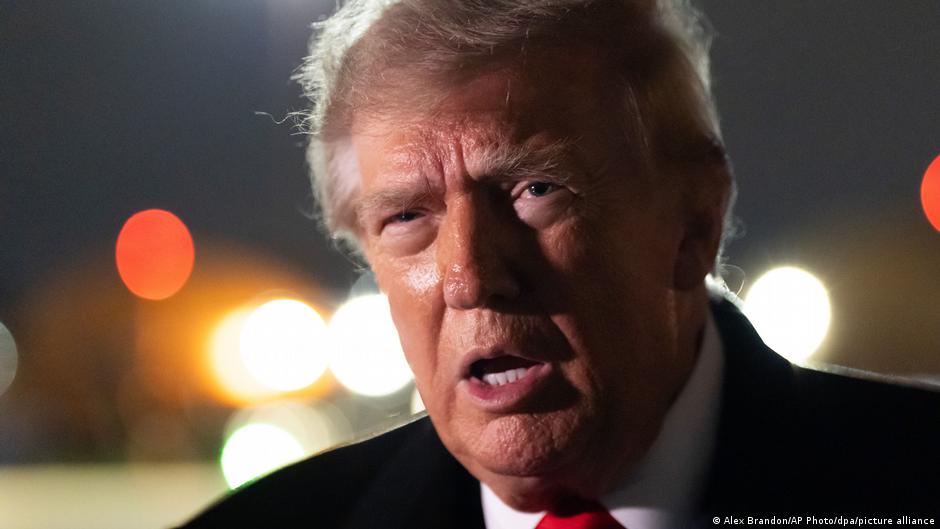
Trump later rejected the idea of holding such a trilateral summit in the near term. Speaking to reporters, the U.S. president said Putin would agree to such a meeting if Trump wanted it and that Washington could organize a summit “immediately.” But Trump said he wants a meeting only when the parties are ready to conclude a peace agreement.
That position is economically relevant in two ways. First, it suggests the White House is trying to avoid a high-visibility summit without substantive preparation, reducing the risk of a failed event that could harden positions and unsettle markets. Second, it implies the administration may prefer transactional diplomacy tied to deliverables, which in turn could affect how quickly sanctions relief, security guarantees or reconstruction commitments are discussed if talks advance.
Trump also said that “Putin and Zelensky should stop this stupid war,” again assigning blame for the continuing hostilities to both Moscow and Kyiv. He argued that personal hostility between the two leaders is a problem on the path to peace and said the conflict he had promised to end “in 24 hours” proved more difficult than the “eight wars” he says he stopped in less than two years in office.
From a macroeconomic perspective, the latest statements do not yet amount to a policy turn, but they do reopen a scenario that had been largely discounted in many planning assumptions: that diplomacy, however uneven, could re-enter the strategic baseline. If that happens, the immediate effects are likely to be psychological and financial before they are real-economy. Risk sentiment could improve faster than underlying conditions on the ground, while trade and investment decisions would remain constrained until concrete security arrangements emerge.
In practical terms, executives and officials should treat the current moment as an early-stage diplomatic signal rather than a resolution pathway. The upside case is clear: lower geopolitical risk, reduced transport disruption, eventual moderation of regional uncertainty and a more predictable framework for European fiscal and industrial planning. The downside is equally clear: if talks stall or violence around shipping and airspace intensifies, hopes of de-escalation could give way to renewed volatility in commodities, logistics and cross-border capital allocation.
For now, the message from both Moscow and Kyiv is that channels are active and outside mediation is moving. Whether that becomes a foundation for peace, or another short-lived diplomatic cycle, will determine not only the war’s next phase but also the broader economic risk environment facing Europe and the global economy.