Macron Warns Russian Mobilization Could Deepen Europe’s Security Costs
France views a new Russian mobilization of about 300,000 people as plausible, raising the risk of wider hybrid pressure on Europe.
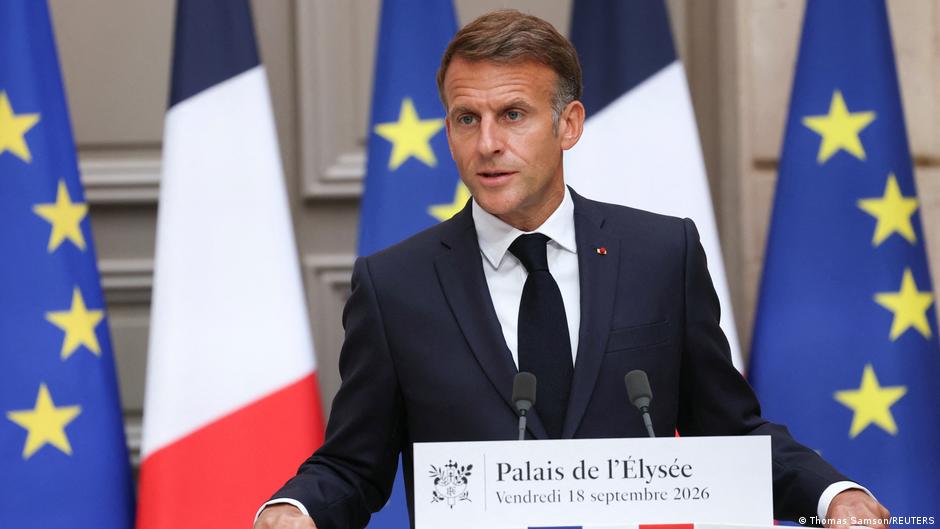
French President Emmanuel Macron said France considers it plausible that Moscow could mobilize around 300,000 people, a scenario that would carry consequences well beyond the battlefield in Ukraine and add to Europe’s mounting security and economic pressures.
Speaking on Thursday, September 24, on TF1 and France 2, Macron said Russia had waited for its elections to the State Duma, held from September 18 to 20, before moving toward such a step. He said it was now clear to France that Russia would proceed, although he added that it remained uncertain whether there would be a public announcement or whether mobilization would take place covertly.
“This is a scenario that seems credible to us,” Macron said, commenting on intelligence assessments from the United States, Europe and Ukraine.
The French president said there had been “several signs” suggesting Russia was preparing for the measure. His comments point to a broader European concern: a larger Russian force could prolong the war, raise the cost of military and financial support to Ukraine, and accelerate policy shifts already under way across Europe on defense spending, infrastructure protection and economic resilience.
A Wider Security Burden for Europe
Macron linked the potential mobilization to what he described as a broader escalation of hostile activity across Europe. In recent weeks, he said, such actions had intensified. He noted that he had convened representatives of political forces the previous week to warn them about the development of the threat and its consequences for France.
According to Macron, Russia views Europe as Ukraine’s “strategic rear” because Europeans are helping Ukrainians. He also pointed to Ukrainian strikes on oil refineries and facilities inside Russia, which Kyiv has used in an effort to force Moscow to stop the war. In that context, Macron said, Europe itself could become a target.
The warning is not only military. Macron said attacks are being carried out in the information sphere through the spread of fake news and in cyberspace. For senior economic decision-makers, that distinction matters: hybrid operations can create uncertainty without triggering formal conflict, disrupting markets, companies and public services while remaining difficult to price, attribute or insure against.
The French government has already been moving in that direction. On September 18, Macron said France was preparing a plan to protect critical infrastructure amid the growing threat of hybrid attacks from Russia. That policy focus reflects a shift in European risk management, where energy networks, transport systems, digital services and public institutions are increasingly treated as part of the strategic environment surrounding the war.
Hybrid Threats and Economic Exposure
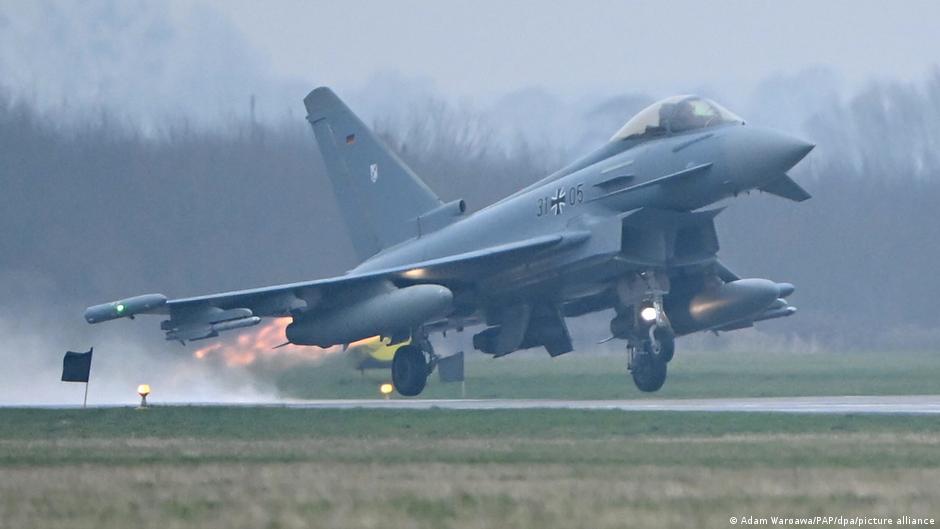
The Russian threat picture described in the source has broadened over time. Earlier, Russia was accused of interfering in elections and using migrants as an instrument of pressure on Europe. Now, European intelligence services suspect a Russian link in acts of sabotage, arson, attacks on critical infrastructure and violations of airspace.
Such incidents, if sustained, could have long-term economic consequences even where damage is limited. Companies operating in Europe may face higher cybersecurity costs, more stringent compliance expectations and greater pressure to audit supply chains tied to critical services. Governments, meanwhile, may need to allocate more resources to intelligence, civil defense, policing, infrastructure redundancy and public communications.
The source also states that many incidents, including cyberattacks and hacks, are not publicly reported. If that assessment is accurate, the visible picture may understate the scale of hybrid activity. For policymakers and corporate leaders, this implies a need to plan around incomplete information, where the absence of public disclosure does not necessarily mean the absence of risk.
A Russian mobilization of about 300,000 people would also raise questions about the duration of the war and the durability of Europe’s support architecture. A longer conflict could lock in higher defense budgets, accelerate procurement reforms and deepen the fiscal trade-offs already facing European governments. The same dynamic could affect energy security planning, industrial policy and the debate over how much strategic capacity Europe should build inside its own borders.
Macron’s remarks therefore sit at the intersection of military forecasting and macroeconomic planning. If Moscow expands its manpower while increasing hybrid pressure on Europe, the result could be a more persistent form of security competition, one that affects national budgets, infrastructure investment, corporate risk models and public confidence.
For Europe, the immediate challenge is to protect Ukraine while limiting vulnerability at home. The longer-term issue is whether the continent can adapt its economic and policy institutions to a security environment in which cyberattacks, disinformation, sabotage suspicions and infrastructure threats become recurring features rather than exceptional shocks.