Bolsonaro Election Challenge Deepens Brazil’s Institutional Risk
Flávio Bolsonaro’s fraud allegations and departure abroad add institutional uncertainty to Brazil’s policy outlook after Lula’s narrow election victory.

Flávio Bolsonaro’s fraud allegations and departure abroad add institutional uncertainty to Brazil’s policy outlook after Lula’s narrow election victory.

Russia’s designation of two StopTime musicians as foreign agents highlights growing compliance, human-capital and investment risks.

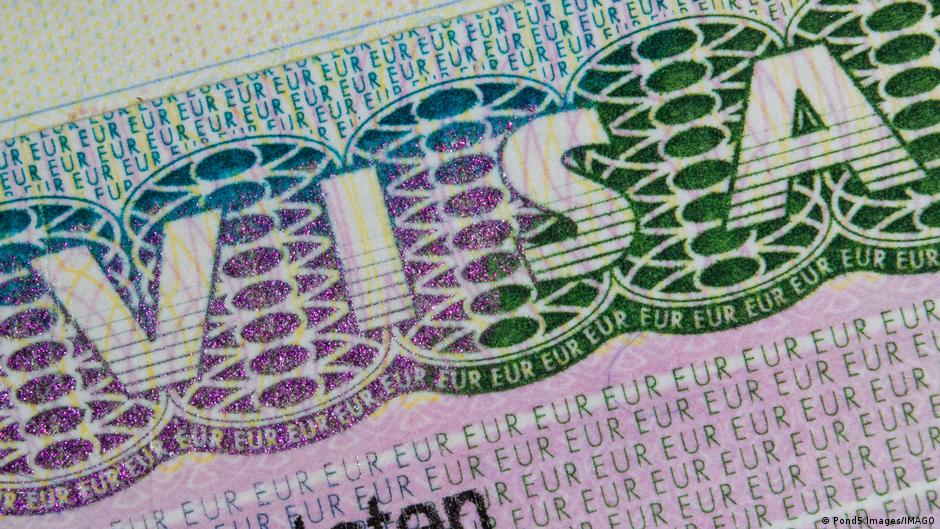
Finland is urging the EU to halt tourist visas for Russians, turning mobility rules into a broader tool of pressure over the war in Ukraine.

The White House is monitoring reports from Irkutsk as neighboring states tighten health controls and Trump offers U.S. assistance.

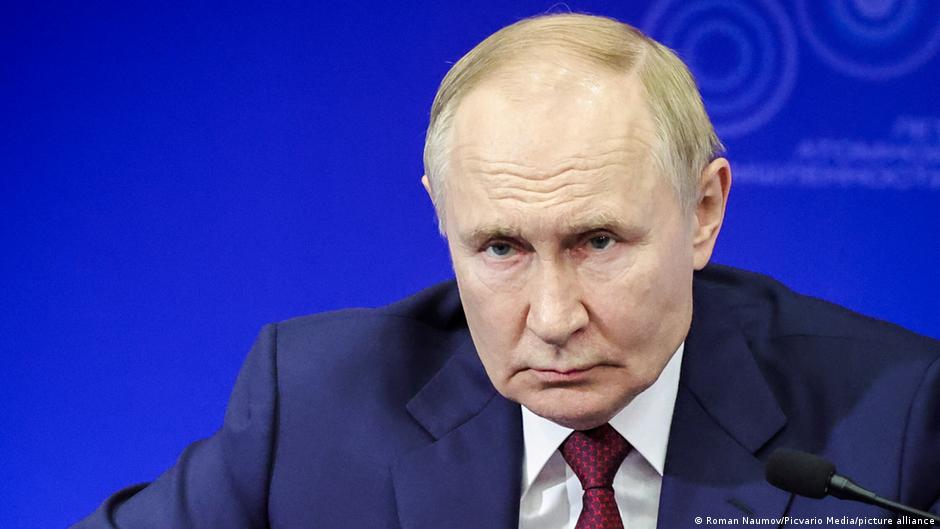
Putin’s Valdai speech sharpened nuclear rhetoric and blamed the West, reinforcing Europe’s long-term geopolitical and economic risk outlook.

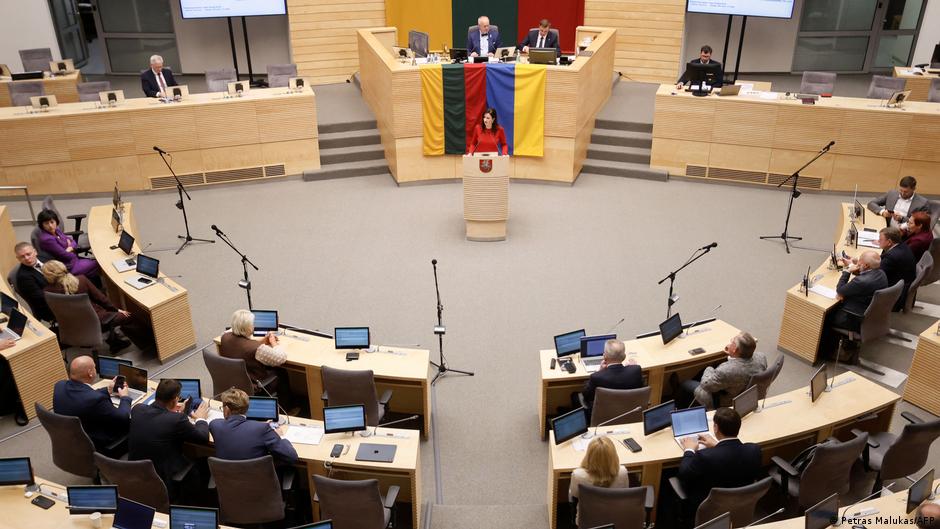
Lithuania’s planned property curbs signal how security policy is reshaping real estate, residency and foreign capital rules in Europe’s east.

The EU’s new €710 million aid package links humanitarian relief with migration management, regional stability and long-term fiscal risk.

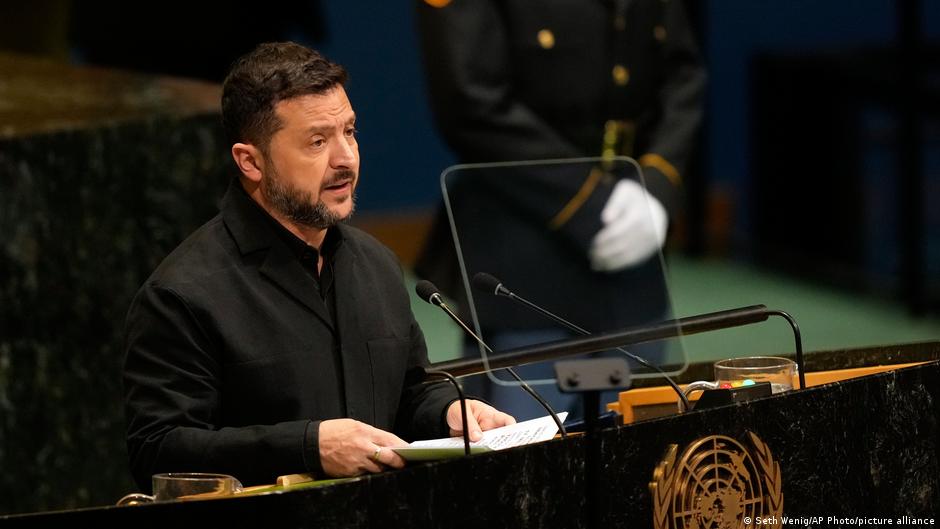
Zelenskyy used his UN address to link Russia’s war to energy revenues, global instability, AI risks and the long-term economic costs of conflict.

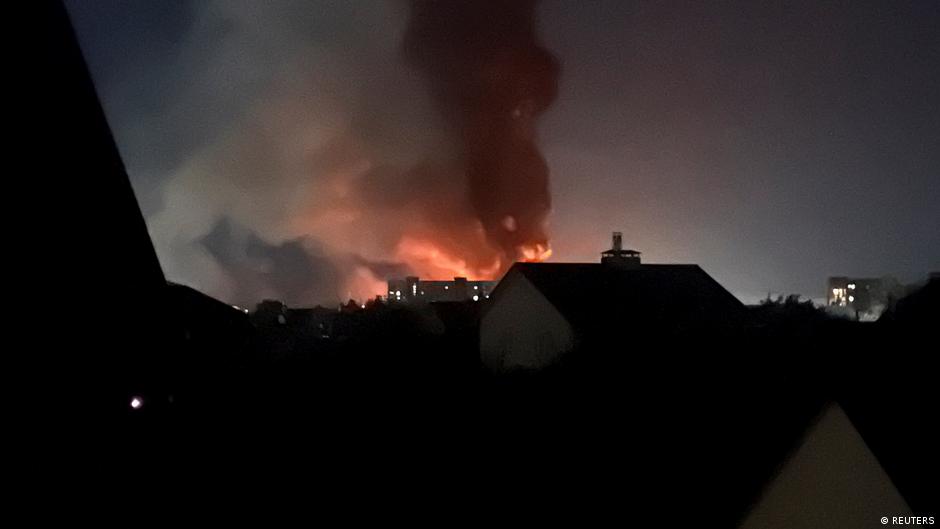
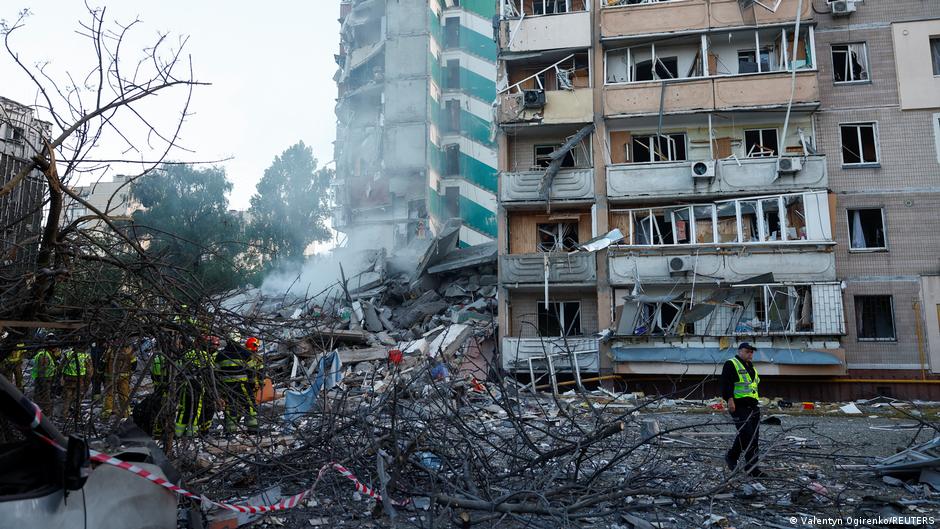
Two people were killed and six injured in Kyiv as Russian strikes damaged urban infrastructure, including areas near medical facilities.

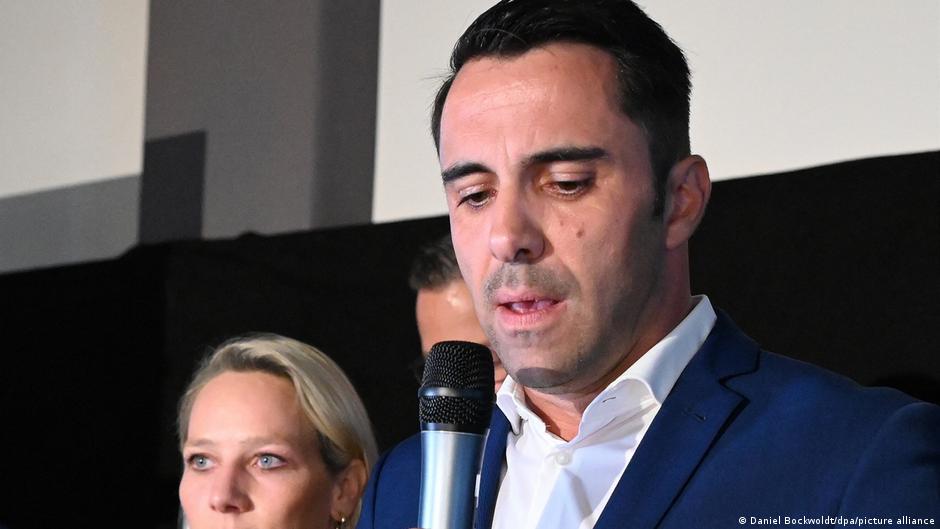
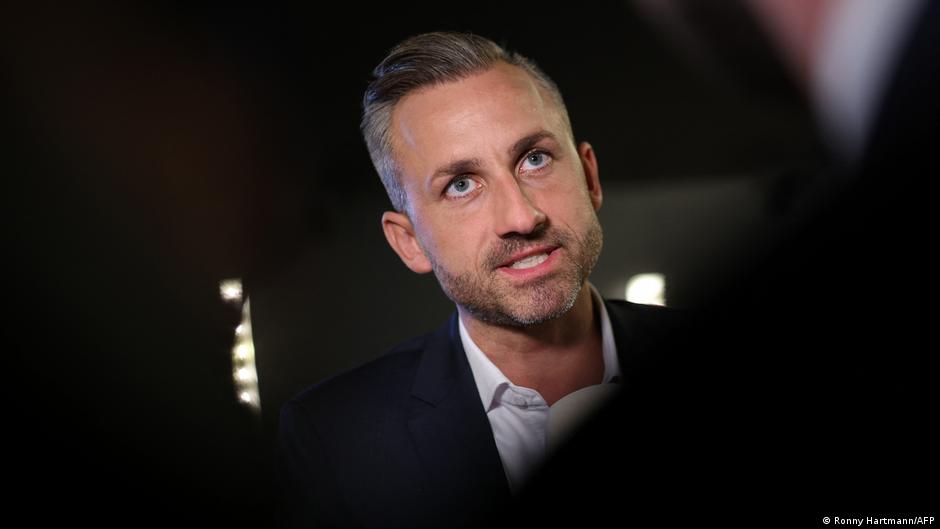
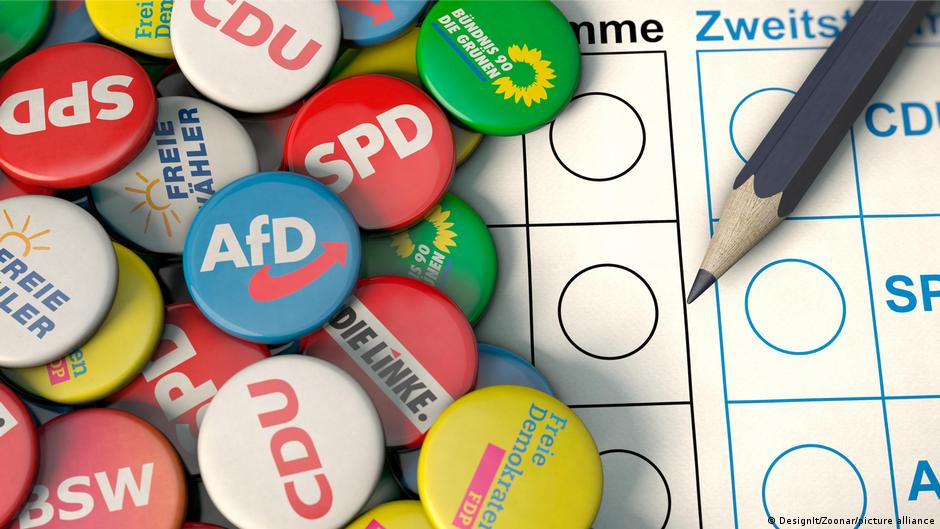
Daniel Peters resigned after the CDU won 4.9 percent in Mecklenburg-Western Pomerania, missing a state parliament for the first time.

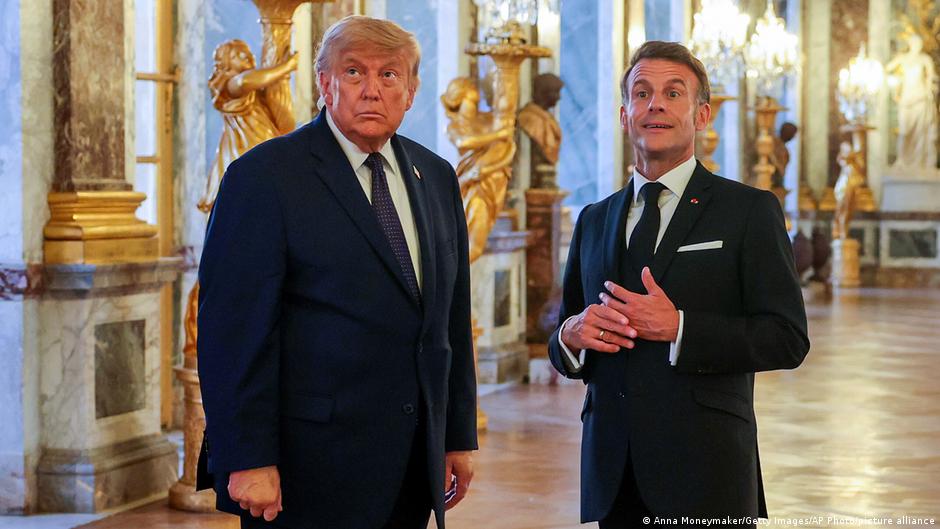
Macron and Trump discussed a moratorium on strikes against Ukraine’s energy and civilian infrastructure and stronger air defenses for Kyiv.

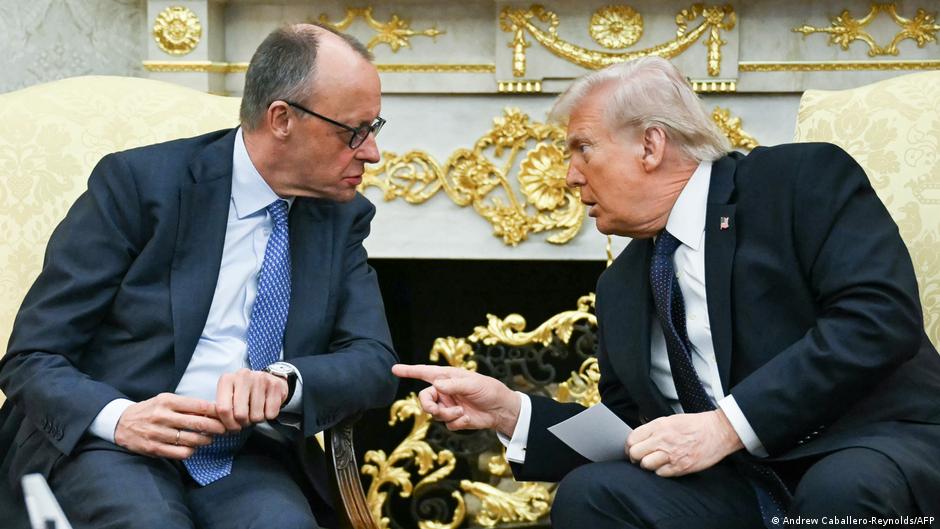
Friedrich Merz says unconditional transatlantic friendship may be over, framing U.S.-German tensions as a strategic test for Germany’s economy.

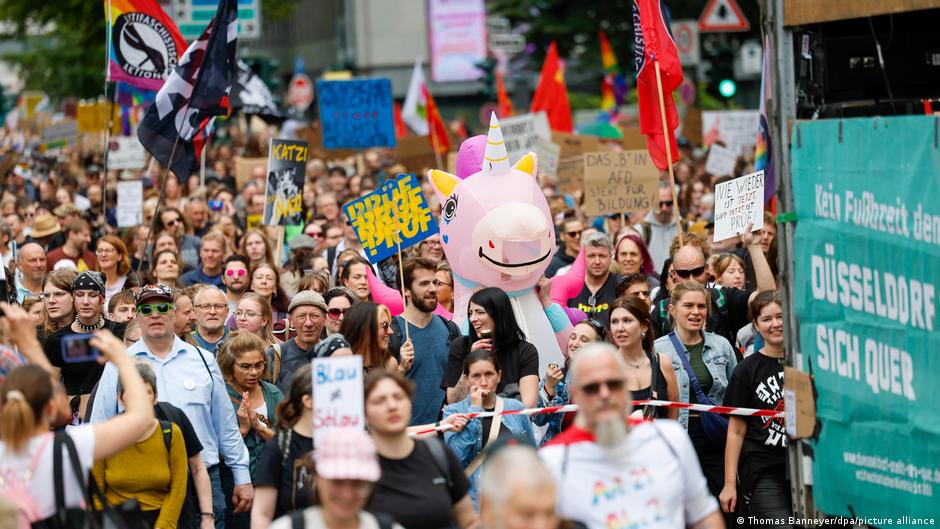
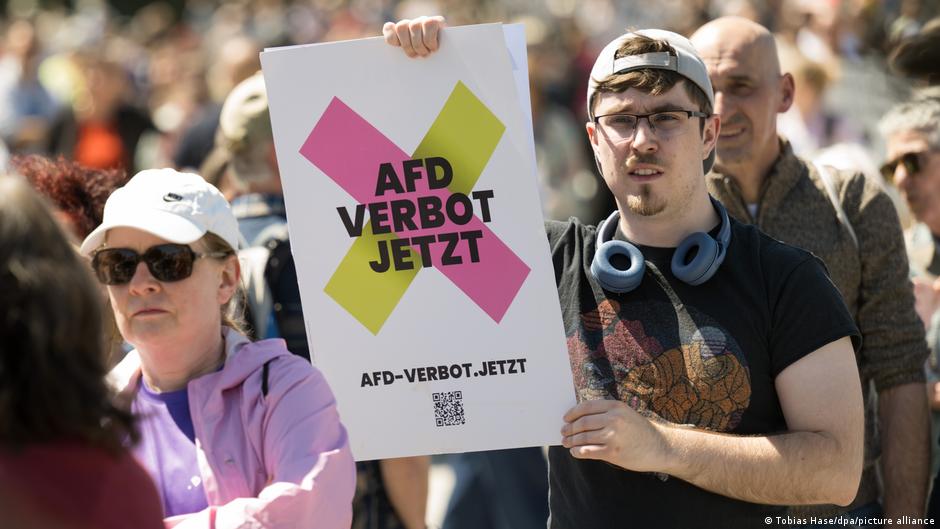
Mass protests across Germany reveal mounting political strain as the AfD gains ground and debate intensifies over bans and cooperation barriers.

France warned CNews it could face criminal proceedings if it airs expelled former RT France chief Ksenia Fedorova by video link.

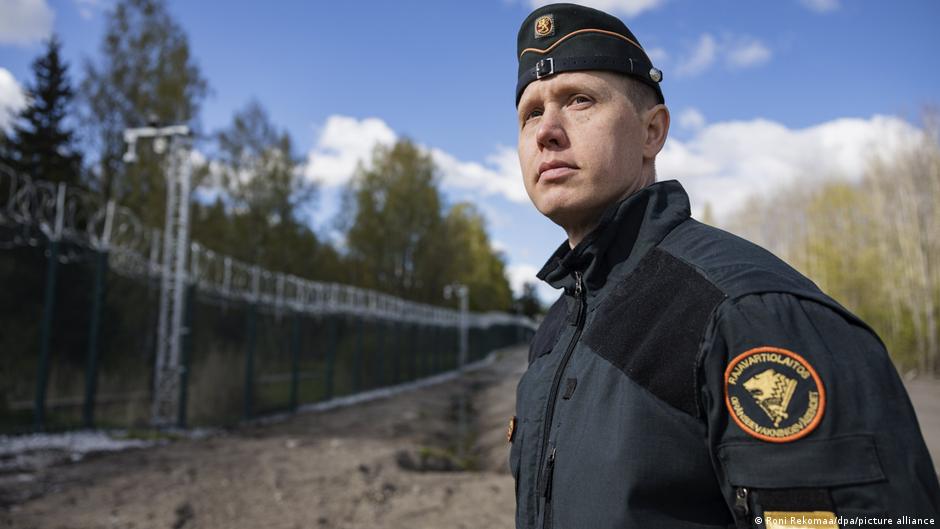
Finland has completed a 200-kilometer border fence with Russia, reflecting Europe’s shift toward security infrastructure amid geopolitical risk.

AfD’s strong Saxony-Anhalt result drew sharp reactions from Poland, France and the Czech Republic, raising wider EU policy concerns.

AfD’s landslide in Saxony-Anhalt leaves no clear governing majority and raises pressure on Germany’s energy, sanctions and coalition politics.

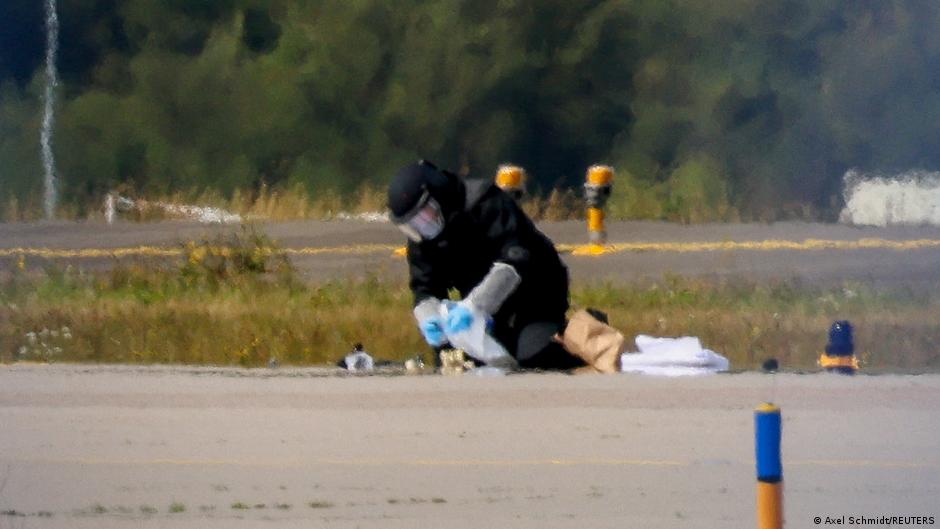
Latvia says a suspect in the Leipzig sabotage case had lived in Russia, as the incident drives wider EU security, sanctions and border-policy responses.

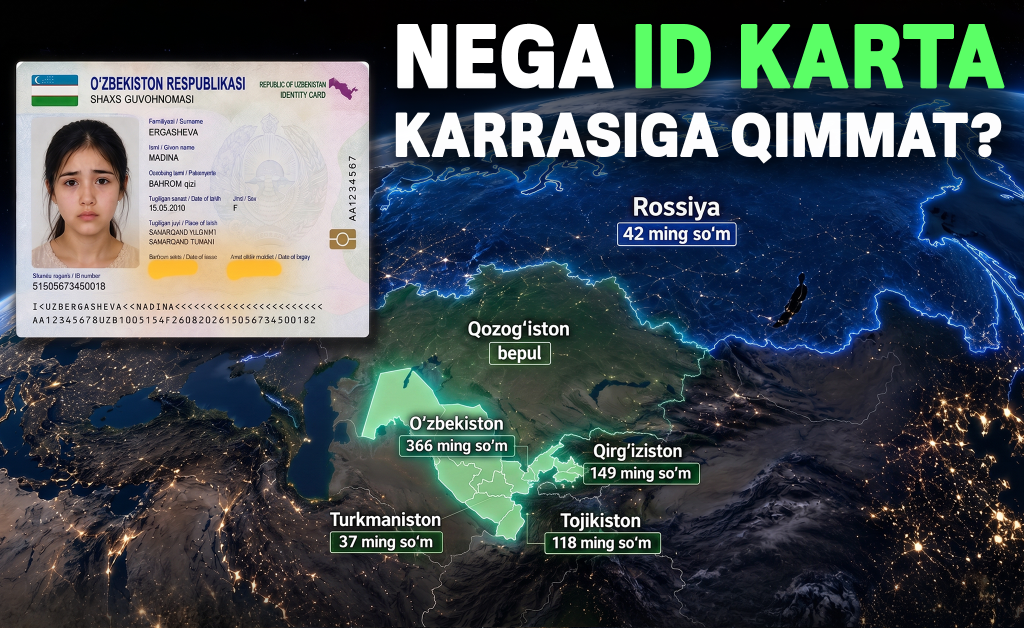
A debate over Uzbekistan's first ID card fee is widening as regional peers charge less or waive first-time costs, raising questions about access and policy design.

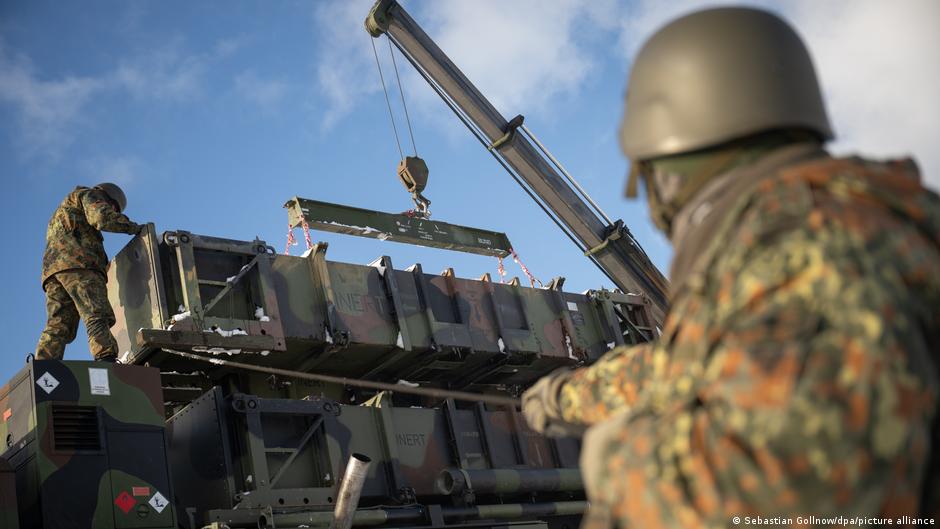
Several hundred Ukrainian soldiers have deserted military training programs in Germany since 2022, revealing new security and policy challenges for European defense cooperation.

Germany’s CDU/CSU support drops to 20%, the lowest in five years, as far-right AfD leads polls ahead of key federal state elections, signaling shifting voter dynamics.

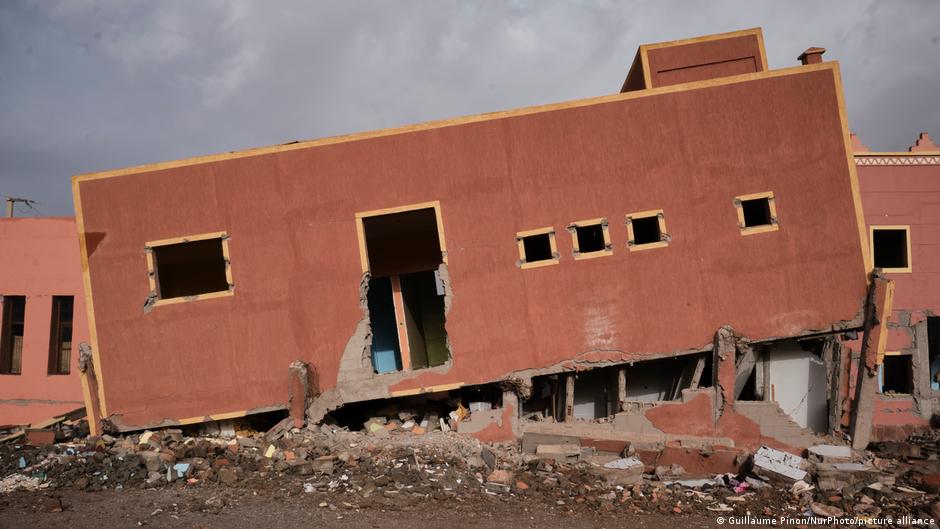
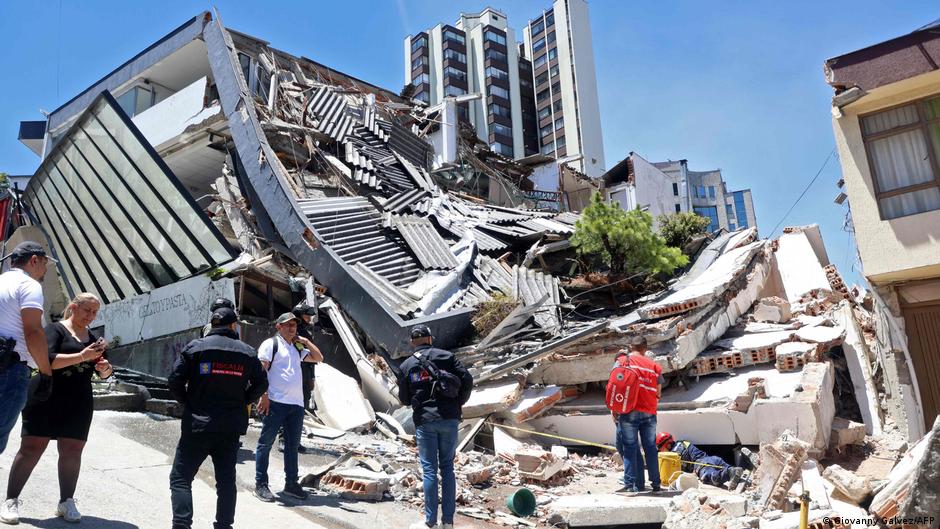
Colombia declares a national emergency after a 7.4 magnitude earthquake causes significant casualties and infrastructure damage, prompting U.S. aid and economic challenges for the new administration.

Vladimir Osechkin halts Gulagu.net amid global human rights crisis, increasing repression, and heightened personal security threats linked to Russian state actions.

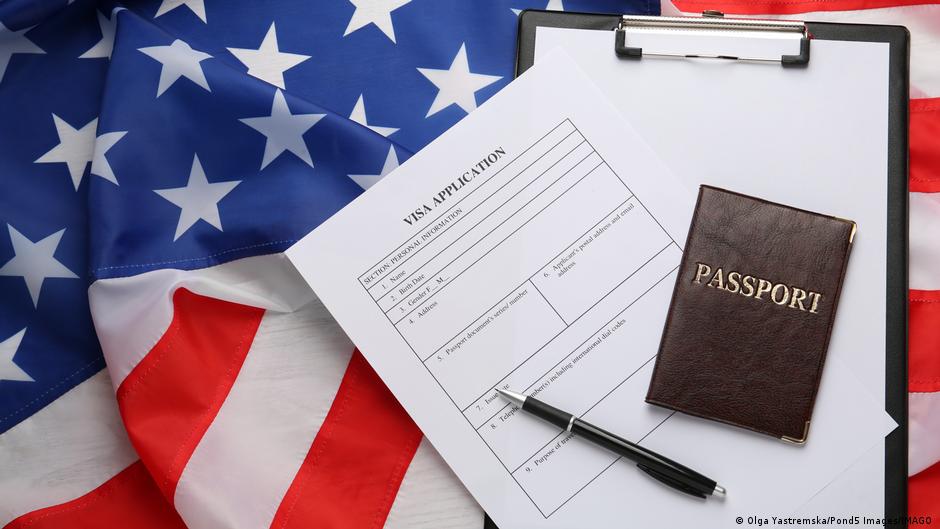
The US introduces a permanent visa bond of up to $20,000 for citizens of 50 countries to reduce visa overstays, excluding Russia, following a successful pilot phase.

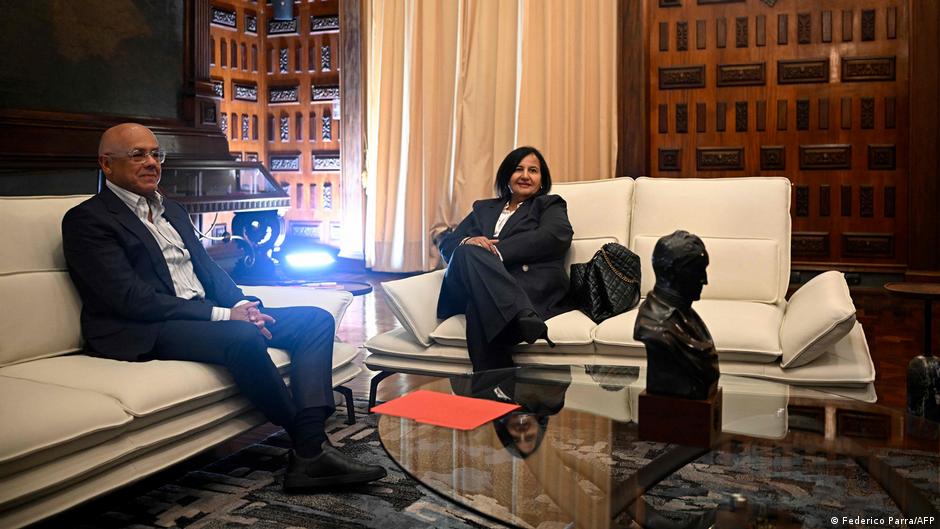
Venezuela's government and opposition plan direct talks in Caracas to address earthquake relief and set democratic reforms and election timelines.

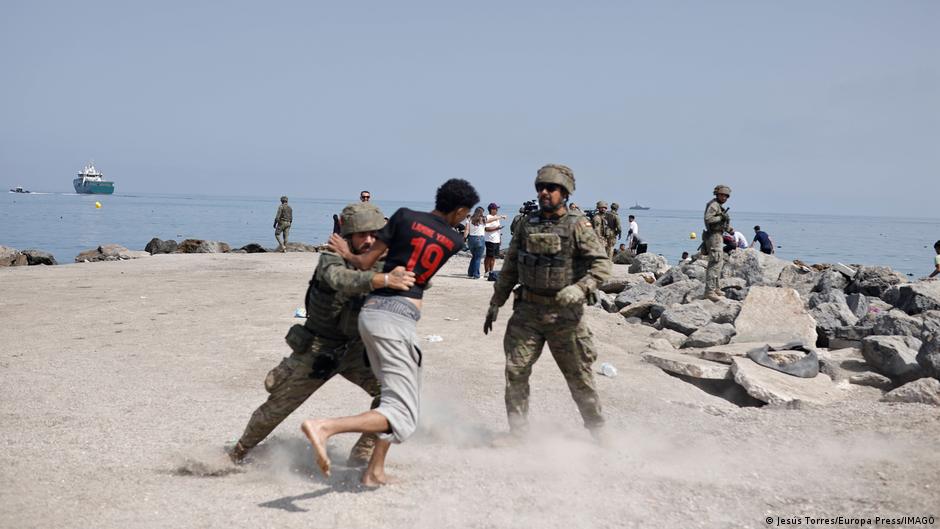
Spain confronts a massive migrant influx in Ceuta, triggering military deployment and Italy’s suspension of Schengen border-free travel with Spain.

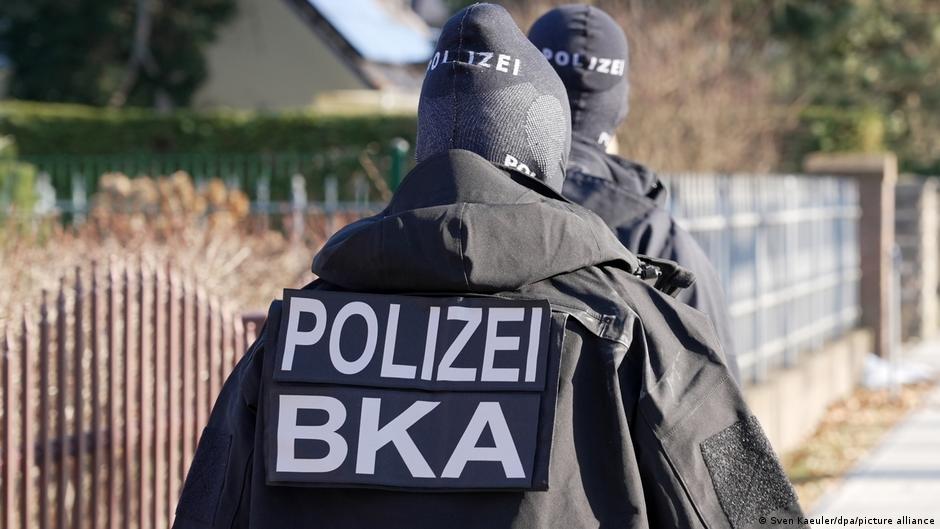
Germany reports 410 Islamist individuals posing threats, highlighting ongoing radicalization challenges and prompting calls for enhanced deradicalization and security measures.
Montenegro will end visa-free travel for Russian and Belarusian citizens by October 31, 2026, aligning its policy with EU accession requirements and security considerations.

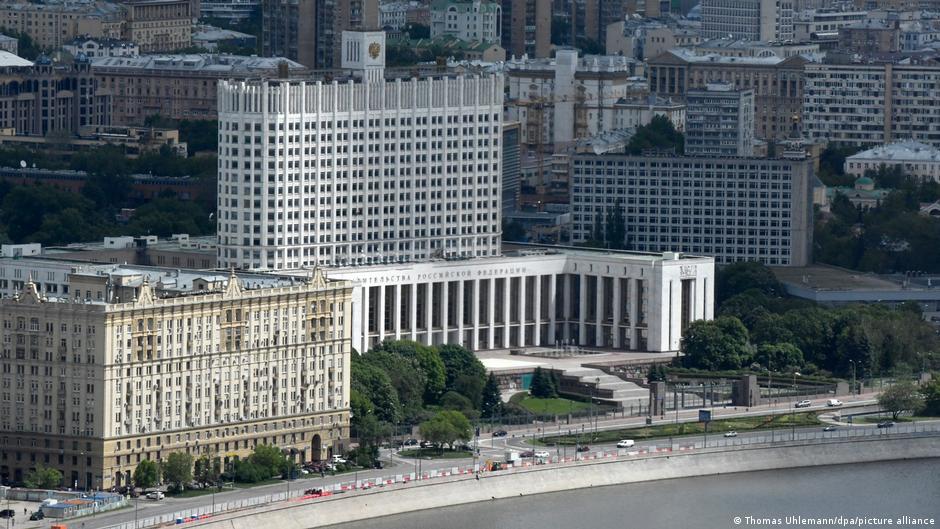
The Russian government proposes expanding criminal convictions eligible for military contracts amid mobilization, signaling deeper labor and defense challenges during ongoing conflict.
Former Spanish PM Rajoy's remarks questioning the Frenchness of France's football team ignite political backlash and debates on national identity in Spain and France.

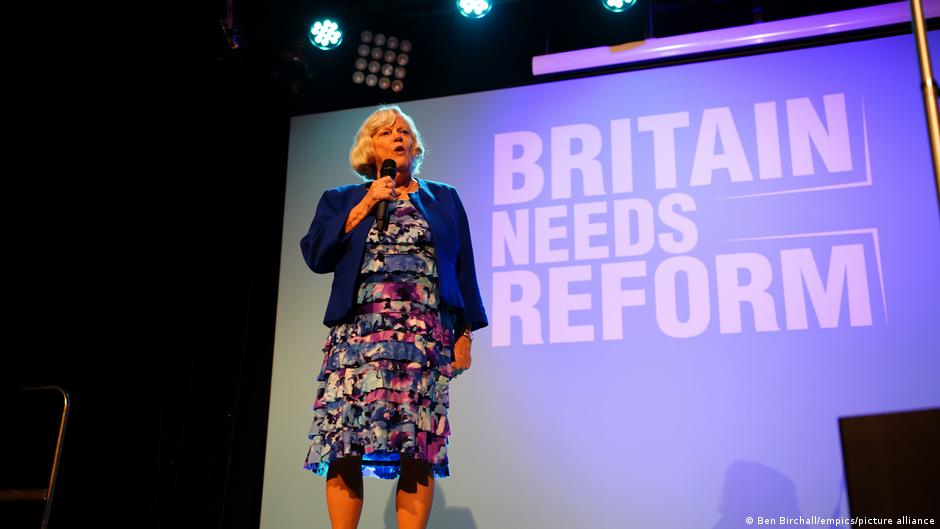
Anne Widdecombe, former Conservative MP and Reform UK speaker, was murdered in southwest England, prompting urgent calls to enhance security for British lawmakers amid rising political tensions.

A recent INSA poll shows 45% of Germans oppose banning the far-right AfD, which remains the country's most popular party, outpacing CDU/CSU by 8 points.

France and Italy express reservations about the EU's proposed ban on Russian combatants' entry, fearing broader travel restrictions and enforcement challenges amid new sanctions.

Belgium issued one-day visas to five Taliban representatives for EU talks on Afghan deportations, spotlighting the EU's complex migration and security challenges.

Right-wing businessman Abelardo de la Espriella narrowly won Colombia’s presidency, signaling a shift toward militarized security and economic deregulation with significant regional ramifications.

Germany's labor shortage is set to rise to 4.3 million by 2036 due to baby boomer retirements and reduced immigration, challenging economic growth and social welfare sustainability.
The U.S. House approved $70 billion funding for immigration enforcement agencies, reflecting critical policy shifts with significant global economic and geopolitical implications.

A U.S. federal judge has struck down the Trump administration's $100,000 fee on H-1B visas, ruling it an illegal executive overreach, impacting immigration and tech labor markets.

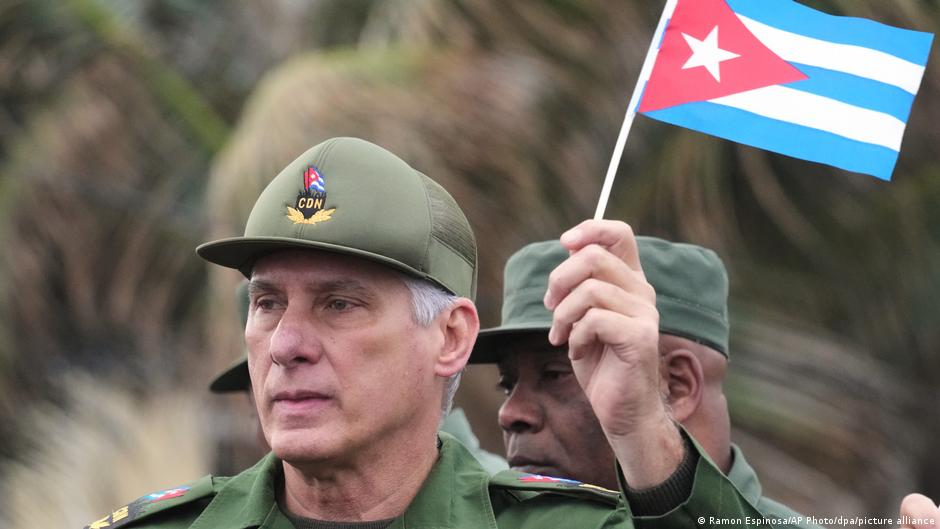
The US has expanded sanctions targeting Cuban President DÃaz-Canel and Castro family members, intensifying economic pressure amid ongoing tensions and regional instability.

After the EU ban on Russia Today, former RT France chief Ksenia Fedorova joins conservative French channel CNews, continuing pro-Kremlin commentary amid geopolitical tensions.

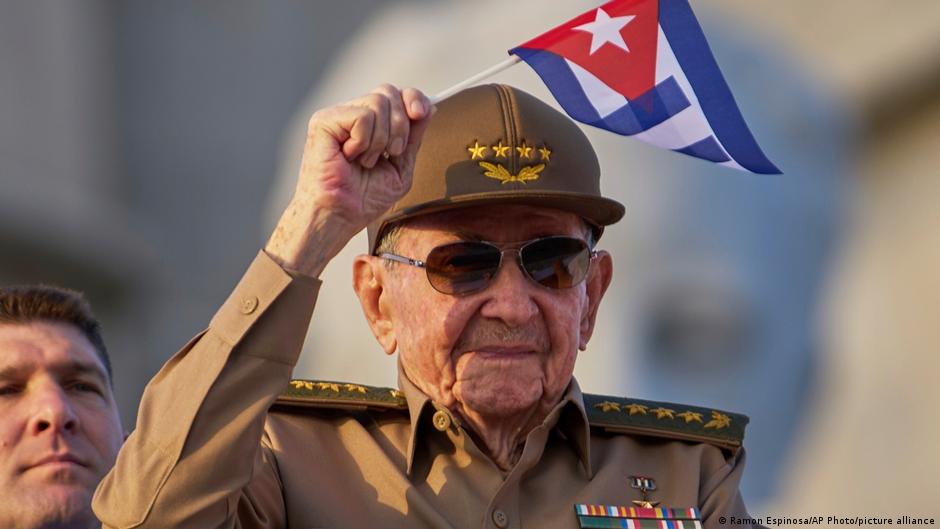
The US charges Raul Castro with murder related to a 1996 incident, signaling a tougher stance on Cuba amid heightened sanctions and geopolitical rivalry.

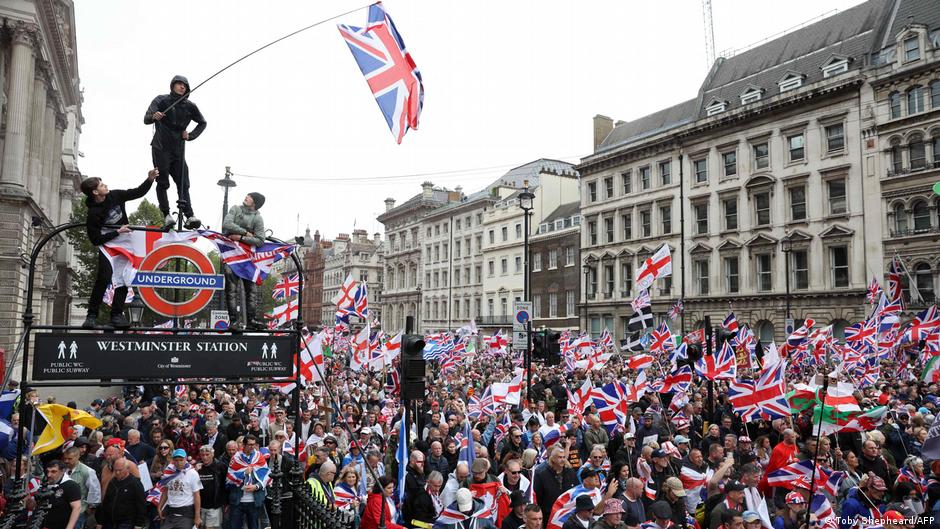
London hosted large opposing protests on migration and the Palestinian Nakba, highlighting political polarization with implications for economic policy and international relations.

Russia's extensive missile and drone strikes on Kyiv and other Ukrainian cities raise concerns about regional stability and economic disruption.

Octobank enables money transfers from South Korea to Uzbekistan’s HUMO cards via E9PAY, enhancing cross-border payment infrastructure and regional economic integration.

Uzbekistan faces rising urban divorce rates and declining birth rates, signaling demographic challenges that may impact its economic growth and policy landscape.