Germany Identifies 410 Islamist Threats Amid Rising Radicalization Concerns
Federal authorities classify 410 individuals as Islamist threats, reflecting ongoing challenges in countering radicalization in Germany.
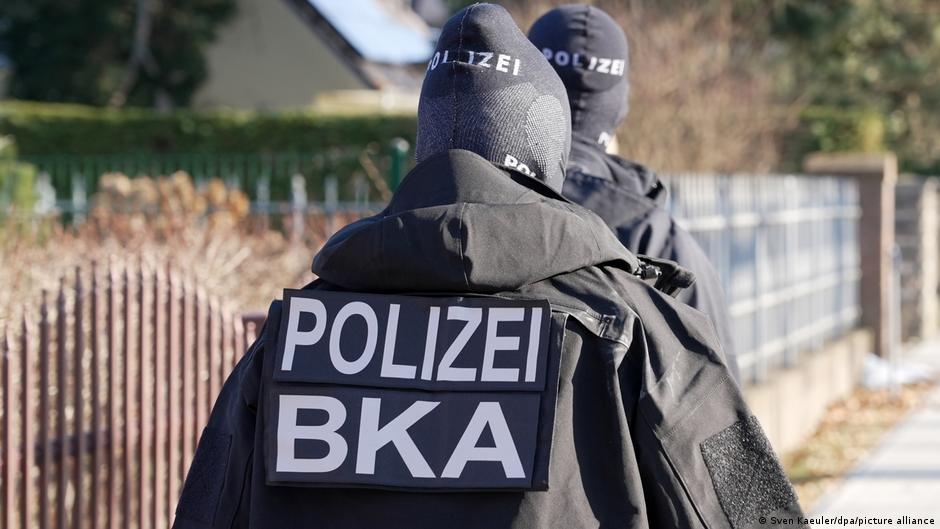
Germany’s Federal Criminal Police Office (Bundeskriminalamt, BKA) has identified 410 individuals considered threats due to Islamist activities as of July 1, 2026. This classification highlights persistent security concerns amidst a complex landscape of radicalization within the country, with significant implications for domestic policy and European security frameworks.
Rising Threats and Government Responses
The 410 individuals are regarded as capable of committing serious violent crimes such as terrorist attacks. In addition to Islamist threats, authorities have designated 65 persons as potential right-wing extremists and 17 as potential left-wing extremists. These figures underscore the multifaceted nature of extremism challenges facing Germany.
Responsibility for assigning and reviewing threat status lies with the federal states, which consider various individual factors. Consequently, the number of identified threats and their supporters fluctuates over time. The Federal Office for Migration and Refugees (BAMF) in Nuremberg registered 165 consultations in the first half of 2026 related to Islamist radicalization, maintaining levels comparable to 2023.
"The need for consultations regarding forms of Islamist radicalization remains high, reflecting ongoing concerns at multiple societal levels," a BKA representative noted.
Over half of these consultations in 2025 were initiated by official institutions including schools, while nearly 43% originated from family members of individuals suspected of radicalization. Parents constituted the largest group seeking advice. The average age of suspected radicals in 2025 was just under 19 years, illustrating the vulnerability of younger demographics.
Security Implications of Recent Terrorist Acts
The October 7, 2023 terrorist attack by Hamas against Israel marked a turning point in public sensitivity toward radicalization, resulting in increased consultations and heightened vigilance. This event has continued to shape Germany’s security policies and public discourse around Islamist threats.
One notable case underscoring these challenges is that of Abdul B., a 21-year-old German citizen of Lebanese descent. Abdul was involved in a violent attack during Berlin’s LGBT pride parade (Christopher Street Day) on July 25, 2026, where he drove a white van into the crowd and subsequently stabbed several participants. The attack resulted in one fatality and 29 injuries.
Abdul B. had previously been under surveillance, having been detained in December 2025 upon return from Lebanon and suspected of attempting to join the Islamic State in Syria. Released from a juvenile detention center only in May 2026, where he was held on charges related to planning a terrorist attack, his case has raised questions about Germany’s approach to managing high-risk individuals.
German Interior Minister Alexander Dobrindt classified the Berlin attack as an Islamist terrorist act. Meanwhile, Dirk Peglow, head of Germany’s Federal Criminal Police Union (BDK), criticized the management of individuals like Abdul B., emphasizing that releasing such persons from custody should not end state supervision. Peglow advocated for intensified deradicalization efforts both during detention and after release.
Bavaria’s Interior Minister Joachim Herrmann condemned the Berlin court’s decision to give Abdul B. a suspended sentence of one year and ten months for preparing a severe violent crime against the state, describing it as a "catastrophe." This judicial leniency has provoked debate about the balance between civil liberties and national security.
Long-Term Economic and Policy Considerations
The persistence of Islamist and other forms of extremism presents broader implications for Germany's economic stability and policy environment. Heightened public security concerns can influence domestic investment climates, labor market participation, and social cohesion—factors critical to Germany’s role as Europe’s largest economy.
Moreover, the government’s allocation of resources toward counter-radicalization programs and law enforcement may affect fiscal policy priorities. Sustained efforts in intelligence, prevention, and rehabilitation require coordinated federal and state responses, underscoring the importance of policy agility in confronting evolving security threats.
As radicalization increasingly involves youth, educational institutions and community organizations are critical fronts for intervention. The involvement of families in consultation processes also indicates the necessity for comprehensive social support mechanisms.
In the global context, Germany’s experience offers insights into the challenges democracies face in balancing security and civil liberties while addressing complex ideological threats. Continuous evaluation of legislative, judicial, and social strategies will be essential to mitigate risks and promote long-term stability.