Russia Proposes Expanding Eligibility of Convicted Individuals for Military Service Amid Mobilization
Russian government seeks to broaden criminal offenses allowing contracts with Defense Ministry during wartime, signaling shifts in military recruitment amid ongoing conflict.
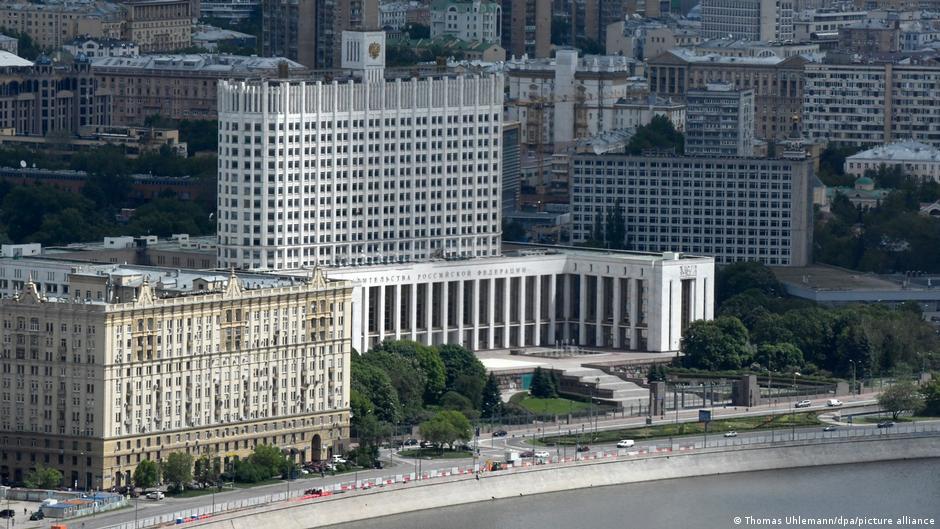
The Russian government has submitted a legislative proposal to the State Duma aiming to expand the list of criminal offenses whose accused and convicted individuals may sign contracts to serve in the Ministry of Defense during mobilization, martial law, and wartime. This move marks a significant policy shift in military recruitment amid sustained conflict pressures.
The draft law, registered on July 17, includes provisions to permit individuals convicted under specific articles of the Criminal Code—such as participation in banditry, organized crime groups, and drug smuggling—to join the military under contract.
Details of the Proposed Expansion
Specifically, the bill proposes allowing contract enlistment for people involved in banditry (Part 2, Article 209), organized criminal communities (Part 2, Article 210), and drug smuggling (Article 229.1, excluding organized group smuggling under certain clauses). It also covers offenses related to illegal migration organization (Part 2, Article 322.1), illegal acquisition and storage of nuclear and radioactive materials (Parts 1 and 2, Article 220), theft or extortion of nuclear materials (Part 1, Article 221), cash smuggling (Article 200.1), and loss of documents containing state secrets (Article 284).
The explanatory note clarifies that the initiative requires amendments to Article 34 of the Federal Law "On Military Duty and Military Service" and Article 78 of the Criminal Code. The government asserts that the adoption of this legislation will not lead to negative socio-economic, financial, or other consequences, nor will it adversely affect the achievement of state program objectives.
"The proposed legislative changes will not have negative socio-economic or financial impacts and are designed to support fulfillment of state defense tasks," the explanatory note states.
Context and Implications for Russia's Military and Economy
In recent months, Russia has introduced various measures aimed at boosting the inflow of contract soldiers. Notably, in late May, President Vladimir Putin extended a law allowing debt forgiveness for new contract servicemen. Recruitment efforts have extended beyond Russia’s borders, with reported enlistment drives in Belarus and China offering positions "behind the Special Military Operation" (SMO) front lines. There have also been reports of enforced contract signings in regions such as Penza Oblast.
Further, the Higher School of Economics (HSE) has committed to funding education for applicants who sign military contracts through the university to serve in specialized units like the "BARS" detachment or unmanned systems forces. Russian-language media outlets increasingly speculate about the prospect of renewed mobilization efforts.
Partial mobilization was conducted between late September and early October 2022. In January 2023, the Pskov branch of the opposition party Yabloko received official confirmation that the presidential decree on partial mobilization remains in effect. Kremlin spokesperson Dmitry Peskov explained that the decree also governs other military-related activities necessary for fulfilling armed forces’ objectives, underscoring the ongoing nature of these policies.
From a macroeconomic perspective, broadening military recruitment criteria to include individuals with serious criminal convictions may have complex long-term consequences. While it may temporarily alleviate manpower shortages amid protracted conflict, it raises concerns about social stability, potential increases in crime, and the effectiveness of military units. Additionally, such policy shifts reflect pressures on Russia’s labor market and defense sector, potentially indicating deeper economic strains linked to the ongoing war effort.
For global economic actors and policymakers, Russia’s legislative adjustments provide insight into the country’s internal challenges in sustaining its military operations. The expanded recruitment pool signals a possible lengthening of conflict duration, with associated risks for regional security, energy markets, and international economic relations.