US Strikes on Iran Escalate Regional Tensions with Global Economic Implications
US military attacks target Iranian infrastructure, provoking Iranian retaliation amid fragile Gulf security and impacting global energy markets.
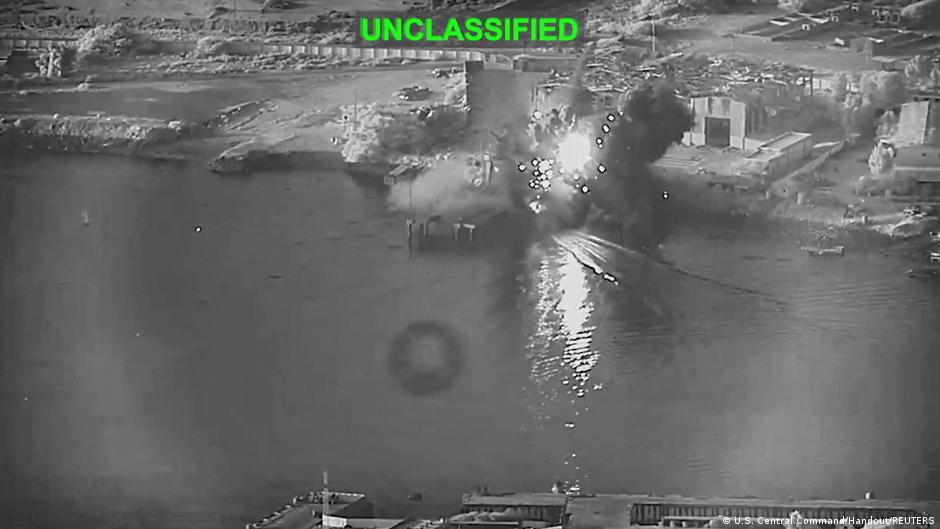
On July 16, the United States launched a fresh series of military strikes against multiple targets in Iran, aiming to further degrade the country’s military capabilities. According to Iranian state media, the attacks hit bridges, airports, and energy infrastructure, resulting in casualties and heightened regional tensions.
The US Central Command (CENTCOM) announced the strikes commenced at 20:00 Berlin time, marking the sixth consecutive night of US operations against Iranian assets. These actions underscore Washington’s intent to intensify pressure on Tehran amid deteriorating diplomatic relations.
Targets and Iranian Response
Iranian reports indicate the strikes targeted civilian infrastructure, including three bridges in the coastal Hormozgan province, a residential neighborhood in the port city of Bandar Abbas, and an electrical substation on Kish Island in the Persian Gulf. Additional strikes reportedly occurred near the airports of Bandar Abbas and Iranshahr, with explosions also reported in Bushehr, home to Iran’s only civilian nuclear power plant.
"The US continues to strike Iranian military potential, but attacks have also hit civilian sites," an Iranian media outlet stated.
Casualty figures released by Iranian Press TV mention three dead and 15 wounded as a result of these strikes.
In response, Iran’s Islamic Revolutionary Guard Corps (IRGC), together with the regular military, declared retaliatory strikes on American military assets in the region. Iranian sources reported drone attacks targeting US helicopters and reconnaissance aircraft stationed at the Al-Sakhir Air Base in Bahrain. Kuwait’s military confirmed air defense operations intercepting Iranian missile and drone attacks, while Bahrain activated emergency sirens warning of incoming threats.
Broader Context and Global Economic Risks
These hostilities occur against the backdrop of a June 17 framework agreement between the US and Iran aimed at halting hostilities and lifting the blockade in the strategically vital Strait of Hormuz. However, this fragile truce unraveled following a June 25 suicide drone attack by Iran on a civilian tanker transiting the strait, prompting US retaliatory strikes.
US President Donald Trump publicly declared the memorandum void during the NATO summit in Ankara on July 8 and asserted on July 13 that the US had gained control over the Strait of Hormuz. He warned that US strikes against Iran would continue until Washington deemed them sufficient and threatened further attacks on Iranian power plants and bridges if no agreement was reached.
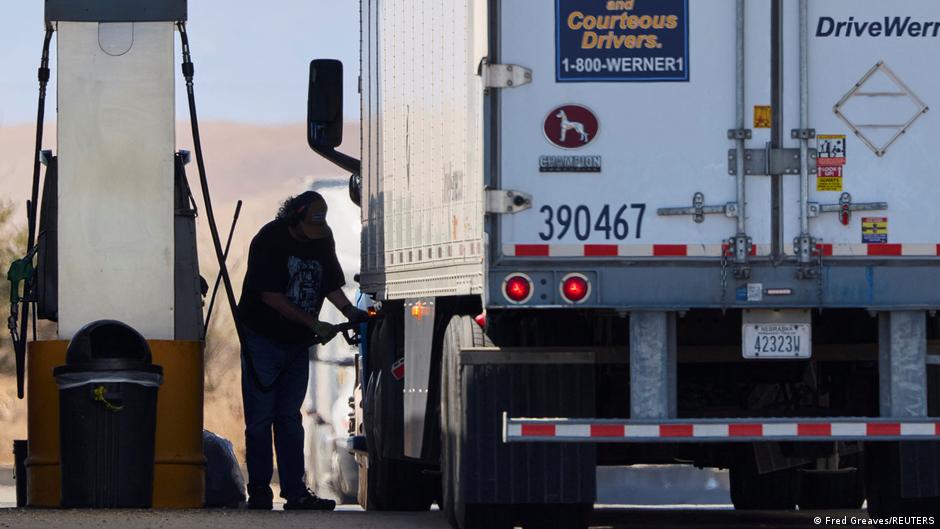
The escalating conflict threatens to disrupt global energy markets considerably. The Strait of Hormuz facilitates approximately 20% of the world’s petroleum trade, and renewed military confrontations risk constraining oil supply, driving up prices, and exacerbating inflationary pressures globally. The targeting of civil infrastructure, including energy facilities, may also impair Iran’s production and export capabilities.
Policy makers and senior economic decision-makers must carefully monitor developments as regional instability could derail efforts to stabilize energy prices and global economic recovery amidst ongoing geopolitical uncertainties.