CIA Director Reveals Russian Soldier Survival Time in Ukraine Battlefields Average 30 Minutes
CIA Director John Ratcliffe highlights the lethal impact of AI-enabled drones on Russian troop survival and shifting power dynamics in Ukraine conflict.
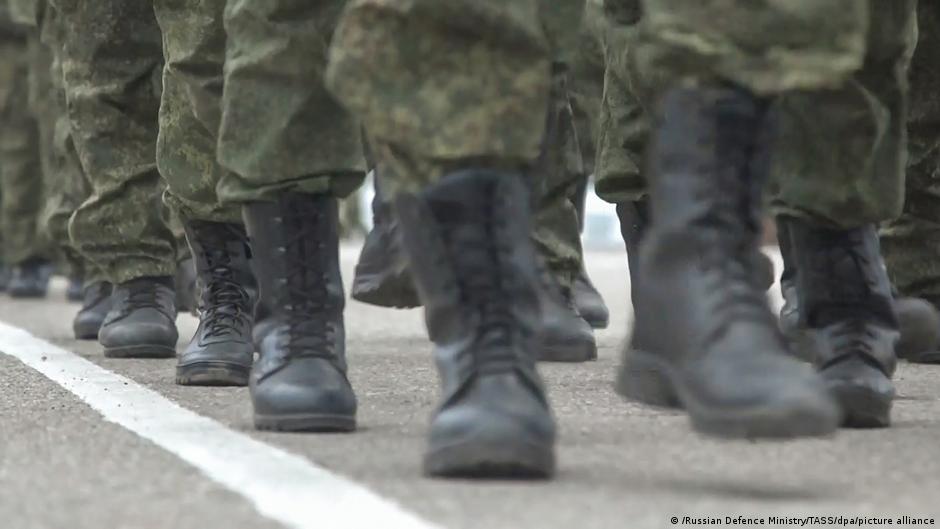
John Ratcliffe, Director of the Central Intelligence Agency (CIA), disclosed critical insights on the battlefield realities faced by Russian conscripts in Ukraine during the Defense and Innovation Summit in Pennsylvania on July 15. According to Ratcliffe, the average lifespan of a newly deployed Russian soldier in the conflict zone is estimated at just 20 to 30 minutes.
AI-Driven Drone Warfare Shaping Casualty Patterns
Ratcliffe attributed this alarming mortality rate primarily to the advent and deployment of artificial intelligence (AI)-powered drones. These unmanned aerial vehicles have evolved into highly specialized and cost-effective killing machines, fundamentally altering the tactical landscape and dramatically increasing the vulnerability of Russian ground forces.
"Drones equipped with AI have become specialized and inexpensive killing machines," Ratcliffe stated, emphasizing their role in leveling the battlefield.
The integration of such advanced technology by Ukrainian forces has emerged as a powerful equalizer, significantly impeding the momentum of the Russian military offensive. This shift underscores the transformative impact of technology-driven asymmetry in modern warfare, where smaller forces leverage precision strikes and enhanced situational awareness to counter numerically superior opponents.
Strategic and Economic Implications of Elevated Russian Casualties
Further analysis from the Washington-based Center for Strategic and International Studies (CSIS) corroborates Ratcliffe's observations, highlighting a stark increase in Russian military losses. By 2026, Russian forces are reportedly sustaining casualties at a rate eight times higher than the Armed Forces of Ukraine (AFU). Since the outbreak of the full-scale war in February 2022, approximately two million personnel have been killed, wounded, or gone missing, with 1.4 million attributed to Russian side losses.
Notably, the casualty ratio, which hovered between 2:1 and 3:1 in prior phases of the conflict, surged to an estimated 8:1 in the first half of 2026. More than 90% of Russian fatalities are reportedly the result of drone strikes rather than direct combat encounters, underscoring the decisive role of technological innovation in shaping battlefield outcomes.
The implications extend beyond immediate military considerations, reflecting significant shifts in operational doctrines and resource allocation. The high casualty rate imposes substantial human and material costs on Russia, potentially influencing broader geopolitical calculations and prompting strategic reassessments among global powers monitoring the conflict.
Broader Economic and Policy Impact
For senior decision-makers, these developments highlight the increasing importance of integrating AI and unmanned systems into defense strategies, as well as the need to anticipate the long-term economic consequences of sustained high-intensity conflict. The attrition inflicted on Russian forces may accelerate shifts in arms procurement, military modernization, and diplomatic engagement, while also affecting global energy markets and supply chains due to the conflict's geopolitical ramifications.
As the Ukraine war evolves, policymakers must consider not only the immediate tactical effects of emerging technologies but also their broader macroeconomic and strategic impact, including shifts in balance of power, regional stability, and international security architectures.