Trump Alleges Chinese Interference in 2020 U.S. Elections, Reveals Intelligence Data
Former President Trump claims China accessed data on 220 million American voters, citing election vulnerabilities with broad geopolitical consequences.
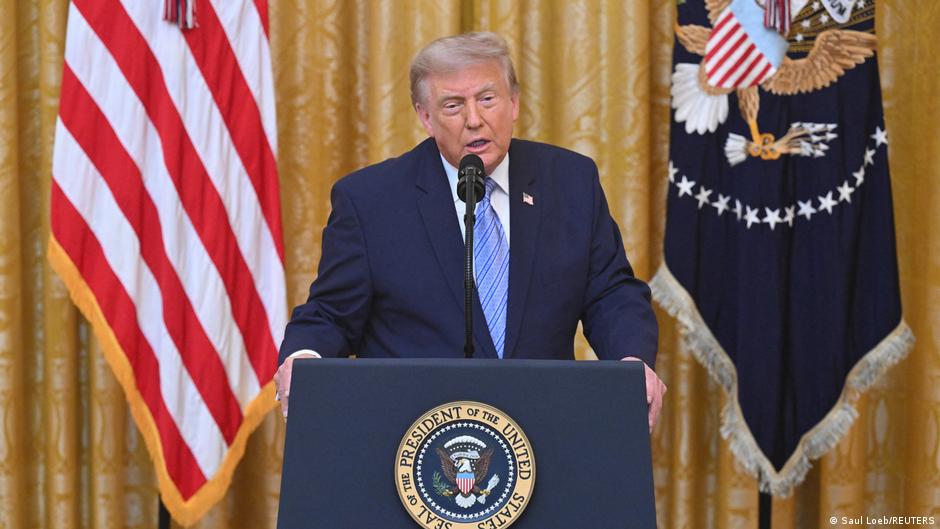
In a televised address to the nation, former U.S. President Donald Trump disclosed what he described as "shocking vulnerabilities" in the American electoral system and announced the declassification of intelligence reports that allegedly reveal extensive Chinese interference in the 2020 U.S. presidential elections.
Speaking in a 25-minute statement aired late on July 17, Trump asserted that China had obtained access to sensitive data pertaining to approximately 220 million American voters. The compromised information reportedly included names, addresses, phone numbers, party affiliations, and other voter details, which, according to Trump, were acquired through purchase, theft, or hacking operations.
Implications of Alleged Data Breach on Electoral Integrity and Global Policy
Trump framed the alleged Chinese operation as potentially the largest data breach involving election information in history. He emphasized that the vulnerabilities exposed by this breach could be exploited not only by China but also by other geopolitical adversaries such as Russia, Iran, North Korea, and various non-state actors. These claims underscore significant concerns about the integrity and security of democratic processes in the United States.
"China conducted an operation beginning with the 2020 campaign that is considered the largest-ever leak of election data," Trump stated, highlighting the scope and severity of the incident.
Furthermore, Trump accused China of leveraging the stolen data to influence the outcome of the 2020 elections with the intent of undermining his re-election bid. He alleged that tactics such as vote substitution and the bribery of journalists were employed to generate negative media coverage against him. According to Trump, China paid substantial sums to amplify adverse reporting, framing this as part of a broader campaign to defeat him.
These assertions come amid ongoing debates regarding foreign interference in U.S. elections and raise questions about the efficacy of existing cybersecurity measures in safeguarding electoral infrastructure.
Trump also highlighted systemic flaws within the U.S. electoral system, alleging that around 278,000 individuals registered to vote in four states lacked U.S. citizenship. This claim feeds into broader discussions about voter registration integrity and the potential for abuse within the electoral framework.
From an economic and geopolitical perspective, Trump's narrative links China's alleged interference to his administration's plans to impose multi-billion-dollar tariffs and to strengthen U.S. military capabilities. The implication is that these policy stances motivated Beijing to interfere in American elections to prevent his continued tenure.
In response to these revelations, Trump accused members of the so-called "deep state" within U.S. intelligence agencies of actively suppressing and minimizing the significance of the Chinese interference data. He claimed that such concealment was carried out without informing either the sitting President or the American public.
"I am directing the Office of the Director of National Intelligence, the Department of Justice, the FBI, and the CIA to investigate how and why this critical information was withheld," Trump declared. He demanded accountability through the dismissal of responsible parties and the initiation of criminal proceedings where appropriate.
These allegations, if substantiated, could have profound ramifications for U.S. domestic policy and international relations, particularly concerning cybersecurity protocols, election reforms, and diplomatic strategies toward China and other adversaries. The controversy also highlights the escalating complexity of geopolitical competition in the digital age, where data security and information integrity are pivotal to national sovereignty.