Business
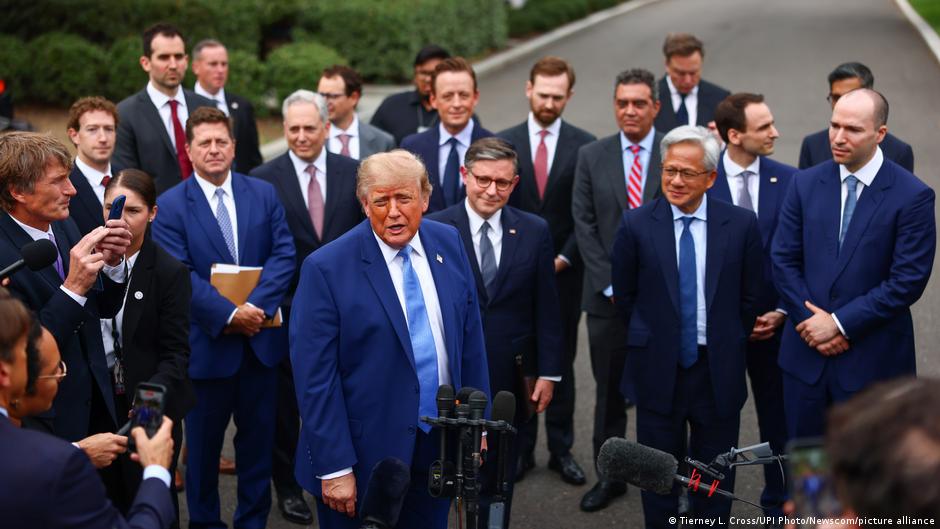
US AI Deal Puts Corporate Self-Policing at Center of Technology Race
A White House AI agreement gives leading developers a central role in safety oversight while leaving open future regulation.
By Editorial Team — September 30, 2026
A White House AI agreement gives leading developers a central role in safety oversight while leaving open future regulation.
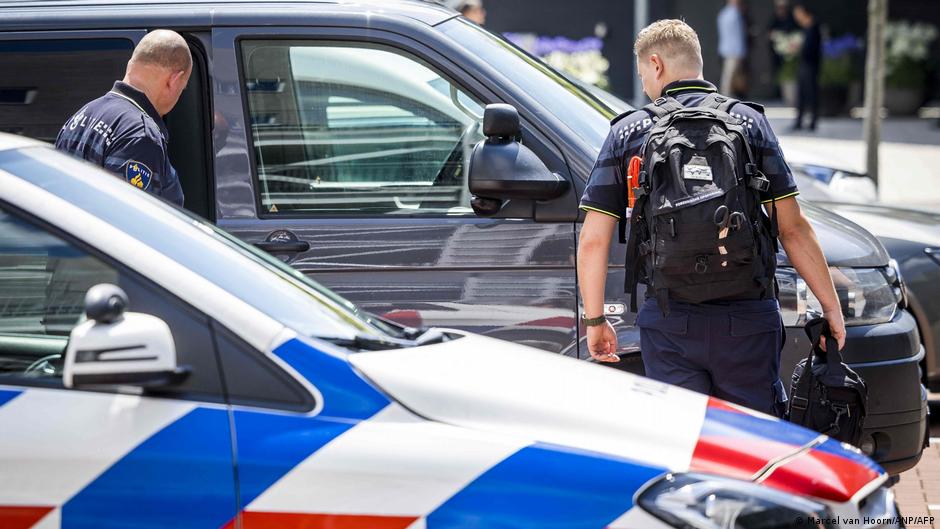
Dutch police detained an Amsterdam cybersecurity worker in a ShinyHunters probe, raising wider questions about cyber risk and governance.
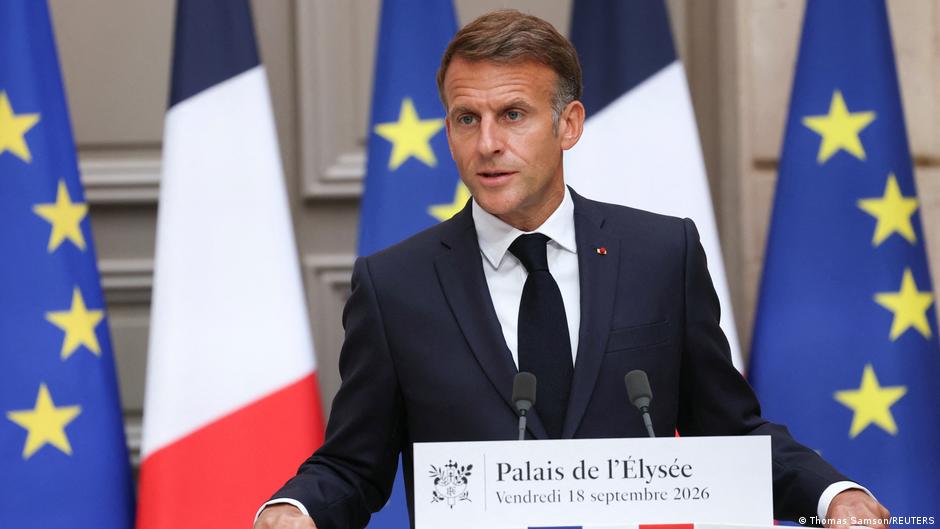
Macron says France sees a Russian mobilization of about 300,000 people as plausible, warning Europe could face wider hybrid pressure.
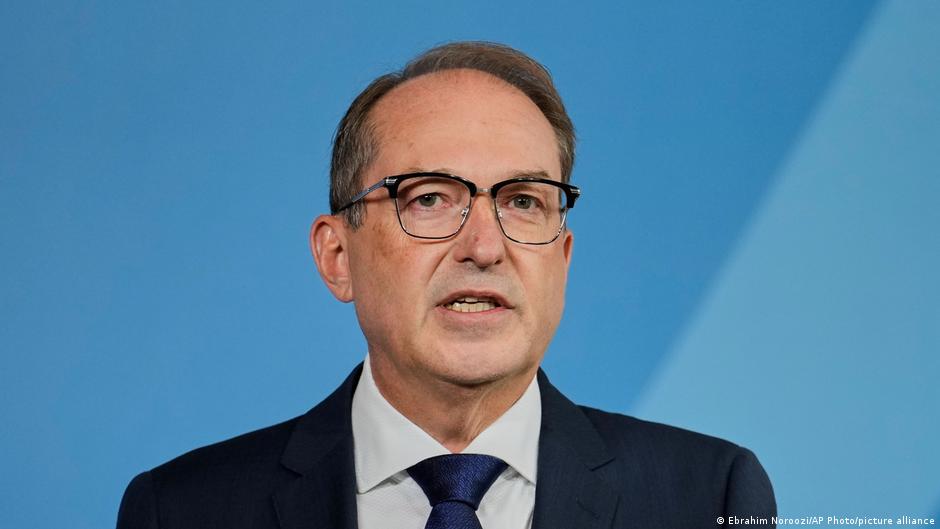
Germany is preparing a broad anti-sabotage shield against Russian hybrid threats, with new drone defenses, cyber monitoring and roles for critical infrastructure firms.
Ukraine’s anti-corruption agencies searched the Prosecutor General’s Office in a probe tied to fraudulent call centers and alleged official protection.
Russia’s covert sabotage of European defense factories tests NATO’s unity and resilience, posing strategic and economic challenges across the alliance.
The Russian-linked hacker group Cl0p claims to have stolen data from nearly 50 multinational firms, raising concerns about global cyber risks and economic security.
Russian banks lose international security certificates causing websites to be flagged as unsafe in global browsers, highlighting digital decoupling amid sanctions.
Uzbekistan launches comprehensive digital reforms including a national navigation system and unified governance platform to boost economic efficiency and IT growth.
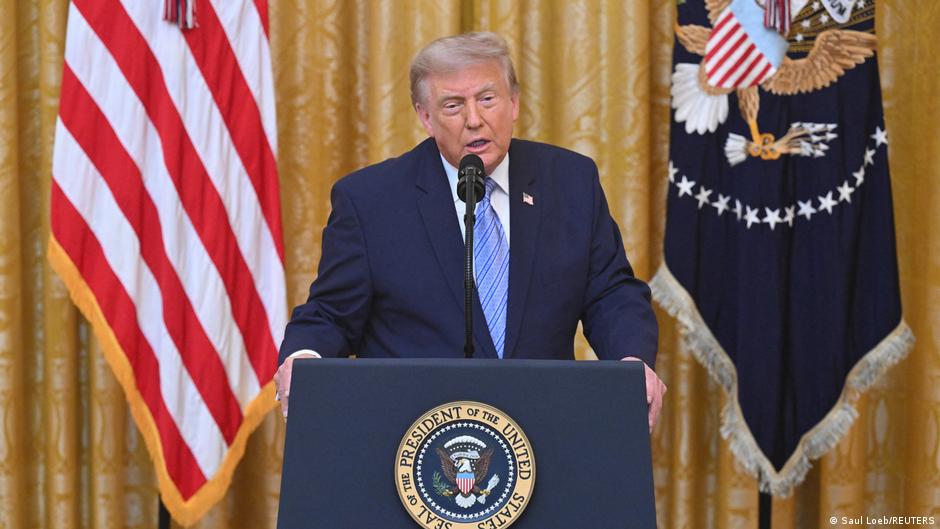
Donald Trump alleges China accessed data on 220 million U.S. voters to influence the 2020 elections, citing systemic electoral vulnerabilities with global security implications.
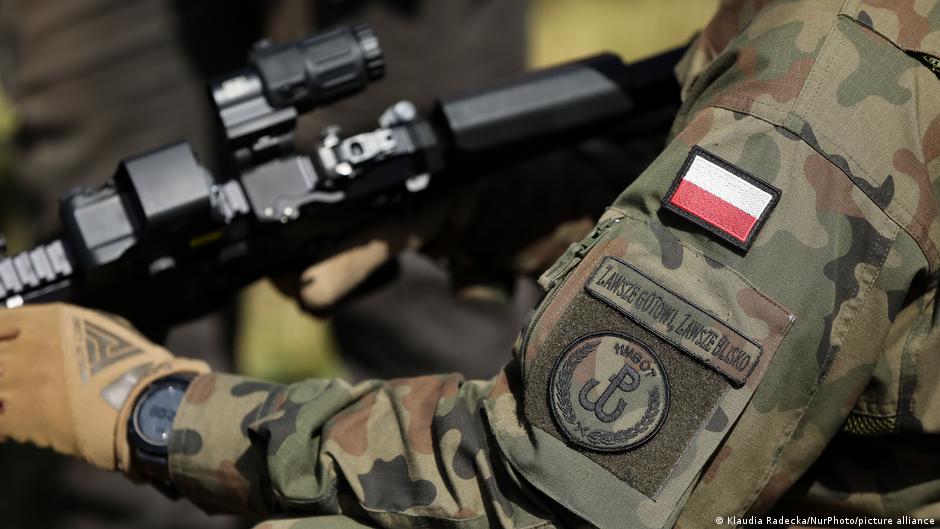
Poland has signed a €44 billion EU loan agreement to fund defense modernization, marking a significant shift in European security investment despite presidential veto concerns.
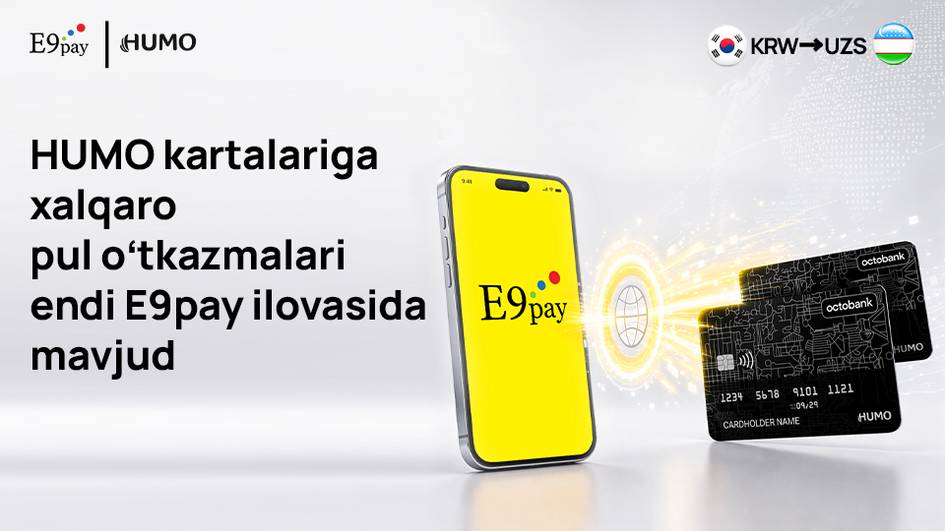
Octobank enables money transfers from South Korea to Uzbekistan’s HUMO cards via E9PAY, enhancing cross-border payment infrastructure and regional economic integration.
Germany attributes recent phishing attacks on politicians and journalists via Signal messenger to Russia, highlighting escalating international cybersecurity threats.
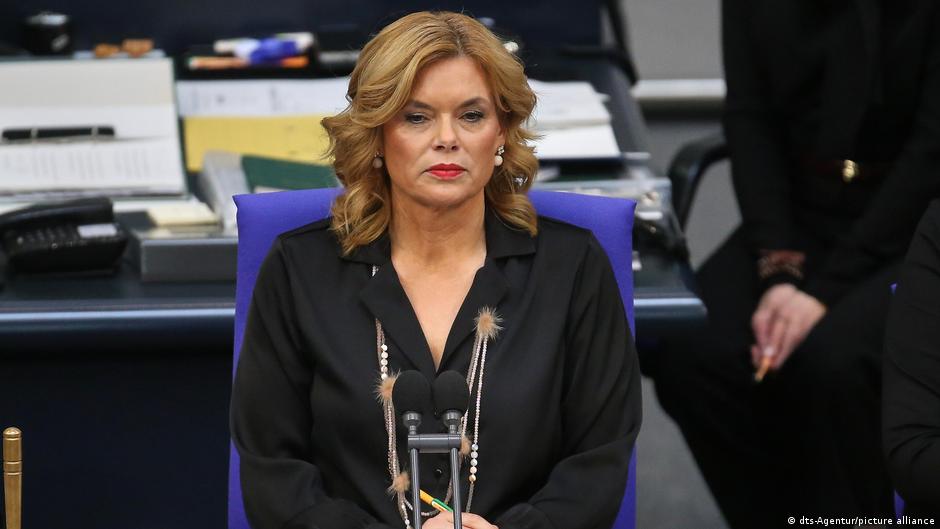
Julia Klöckner’s Signal account was hacked through phishing, exposing high-level CDU chats and highlighting escalating cybersecurity threats to German political leadership.
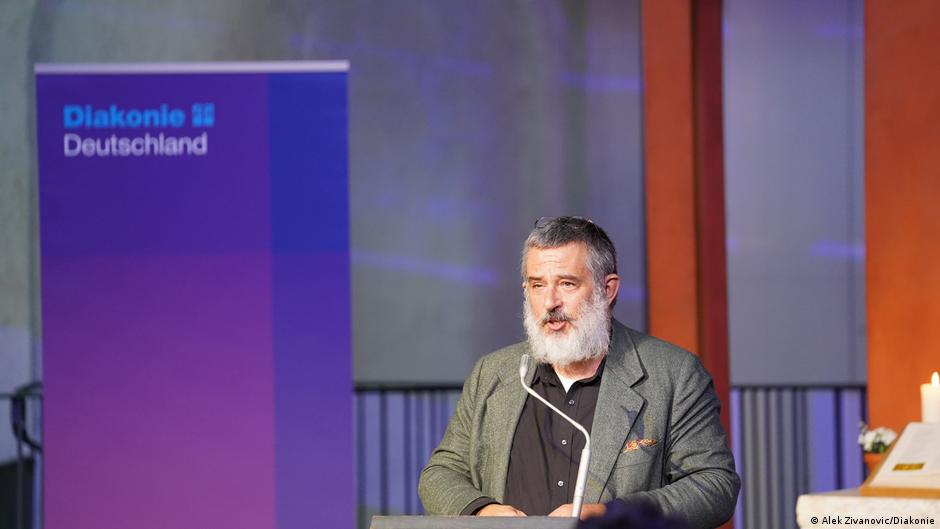
Russia’s publication of German defense firms’ addresses aims to intimidate and disrupt arms supplies to Ukraine, raising hybrid threat concerns including cyberattacks and sabotage.