Russian Coercion Targets German Defense Firms Amid Ukraine Arms Supply, Raising Hybrid Threat Concerns
Thuringia security chief warns Russia’s publication of German defense company addresses aims to intimidate and reduce support for Ukraine.
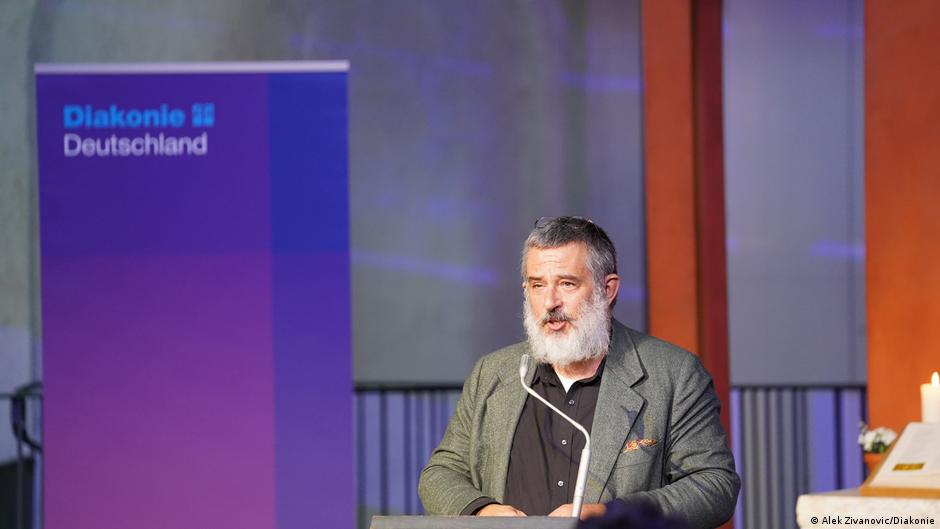
Russia’s recent publication of addresses belonging to German defense companies involved in arms supplies to Ukraine represents a deliberate strategy to intimidate corporate leadership, according to Stephan Kramer, head of Thuringia’s Office for the Protection of the Constitution. Kramer conveyed this assessment during an interview published on April 19, emphasizing the broader context of hybrid threats targeting Germany’s defense sector.
Psychological Warfare and Hybrid Threats
The Russian move to disclose sensitive corporate details is part of what Kramer described as a "psychological war" designed to undermine domestic support within Germany for Ukraine's defense efforts. This action follows a statement from Russia’s Ministry of Defense, which released a list of foreign companies allegedly manufacturing components for Ukrainian drones. Dmitry Medvedev, Russia’s Deputy Security Council Chairman, further escalated tensions by labeling these firms as "potential targets" for military strikes.
“The case of Rheinmetall demonstrates that these threats are not theoretical,” Kramer noted, referencing the failed assassination attempt on the company’s CEO, Armin Papperger, in 2024.
Stephan Kramer warns that German companies engaged in supplying arms to Ukraine, along with their technological and logistical contractors, are increasingly exposed to hybrid threats, including cyberattacks, espionage, and sabotage. Personal security risks for executives are also rising in this tense environment.
Implications for Germany and Broader Economic Stability
While Kramer acknowledged that a direct military assault on German firms remains unlikely due to its potential to escalate conflict to a new level, the hybrid threats present substantial challenges to Germany’s defense industrial base. The strategic intent underlying Russia’s coercive actions aims to destabilize key supply chains and dissuade private sector engagement, potentially disrupting the flow of critical military support to Ukraine.
From a macroeconomic perspective, these developments highlight the vulnerability of defense-related industries in geopolitically charged conflicts, underscoring the need for robust national security policies that mitigate hybrid threats. The situation also illuminates the broader global economic risk landscape, where political weaponization of corporate infrastructure can have ripple effects extending beyond immediate conflict zones.
For policymakers and senior decision-makers, the German experience serves as a cautionary example of how state actors may employ non-conventional means to influence not only military outcomes but also economic stability. Enhancing cybersecurity, protecting critical infrastructure, and ensuring executive safety emerge as priorities to safeguard industrial participation in strategic defense supply chains.
In summary, Russia’s intimidation campaign against German defense companies participating in Ukraine arms supplies underscores an evolving hybrid warfare paradigm, blending psychological pressure with covert operations. The approach seeks to impose economic and political costs far from traditional battlefields, signaling a shift in the nature of contemporary geopolitical conflicts and their economic ramifications.