Russian Advisor Predicts Prolonged War Impacting Economy and Society for Decades
Advisor to Rosneft’s Igor Sechin warns Russia faces potential decades-long conflict with significant economic and societal challenges ahead.
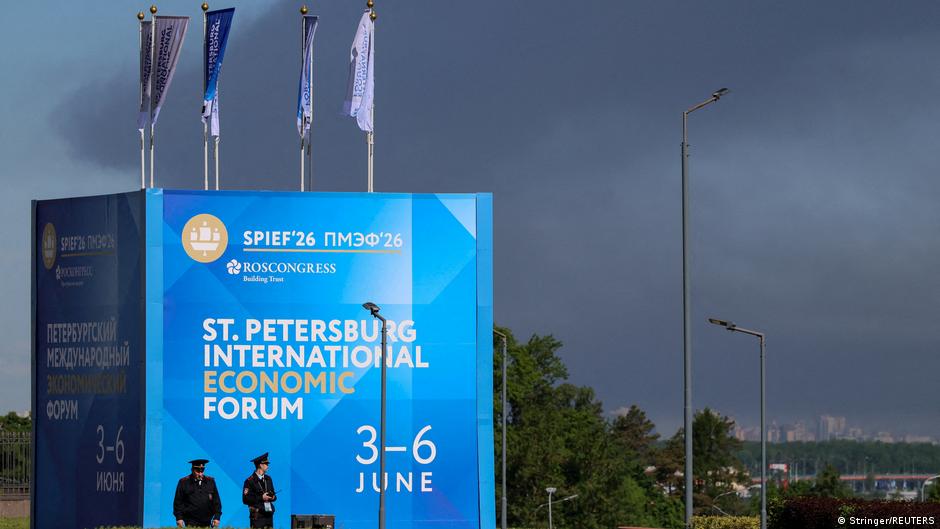
At the St. Petersburg International Economic Forum (SPIEF) on June 3, Andrey Bezrukov, a political analyst and advisor to Rosneft CEO Igor Sechin, projected that Russia could remain in a state of war for several years, possibly extending to a couple of decades. He emphasized the profound implications this prolonged conflict would have on Russia’s economic development and social fabric.
Enduring Conflict and Its Economic Ramifications
Bezrukov noted that Russia might experience "two generations practically considered to be at war," indicating a sustained state of military tension and instability. He described the current phase as a "very hot war," but suggested it could shift into a more protracted, creeping conflict involving different regions.
"We need to build a state system and economy that not only serve development goals but also meet defense requirements," Bezrukov stated, underscoring the necessity of adapting Russia’s economic and governance structures to long-term wartime conditions.
This perspective raises significant macroeconomic concerns. A prolonged conflict could divert financial and human capital toward defense and military-related industries, potentially at the expense of broader economic modernization and integration into global markets. The challenge for policymakers lies in balancing defense imperatives with sustainable economic growth, especially amid international sanctions and geopolitical isolation.
Strategic Threats and Security Challenges
Beyond conventional warfare, Bezrukov also highlighted the threat of "biowarfare," alleging the existence of technologies capable of creating viruses with catastrophic potential. This assertion echoes earlier Russian propaganda narratives about alleged biolaboratories in Ukraine, though independent experts have disputed these claims as implausible.
Recent Security Incidents in Saint Petersburg
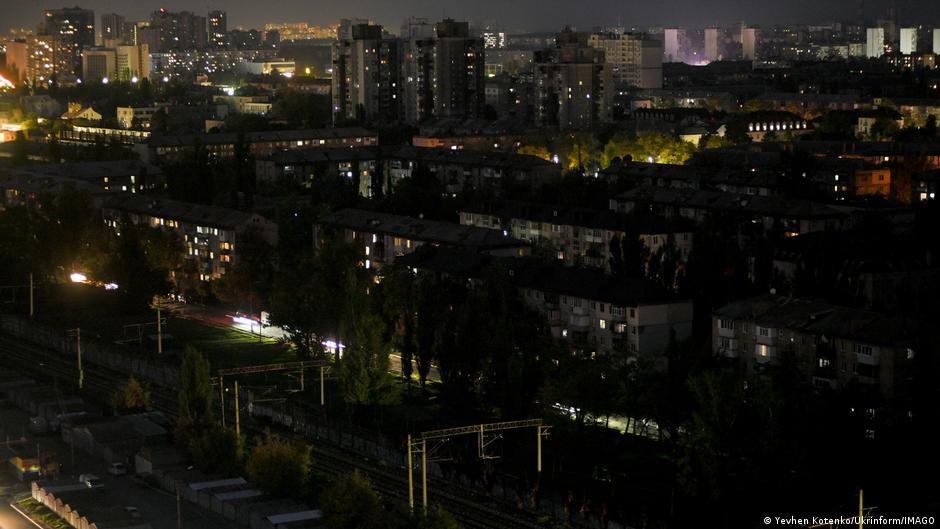
Concurrently, on the night of June 3, Saint Petersburg and the Leningrad region were targeted by dozens of drone attacks, resulting in explosions and fires, including damage to one of the region’s largest oil terminals. The attacks caused disruptions to mobile internet service and delayed flights at Pulkovo Airport, reflecting the growing security challenges facing Russia’s critical infrastructure.
Implications for Global Economic and Policy Landscapes
The prospect of a drawn-out Russian conflict carries considerable implications for global markets, energy security, and international policymaking. Persisting instability in Russia could exacerbate energy supply uncertainties, particularly in Europe, which remains heavily dependent on Russian oil and gas exports. Additionally, the potential militarization of the economy and technological competition in defense sectors could reshape trade patterns and international investment flows.
For global decision-makers, these developments underscore the importance of recalibrating economic and security strategies in response to a protracted conflict environment in Russia. Long-term policy frameworks must consider the dual imperatives of managing geopolitical risks while fostering economic resilience and diversification.