Belarus to Block Spotify in VAT Dispute From December 1
Belarus will block Spotify from December 1 over alleged unpaid VAT, highlighting rising tax and market-access risks for global digital platforms.

Belarus will block Spotify from December 1 over alleged unpaid VAT, highlighting rising tax and market-access risks for global digital platforms.

Sweden’s protest over incidents in Poland and Denmark points to higher defence costs, tighter mobility rules and a growing European geopolitical risk premium.

Poland’s proposed eastern no-fly zone could reshape NATO border policy while adding new considerations for defense budgets, aviation and regional investment.

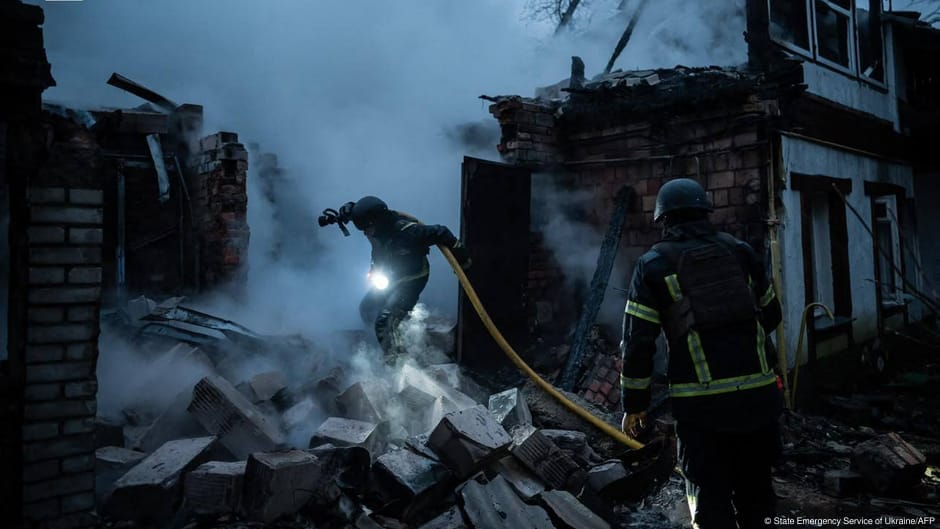
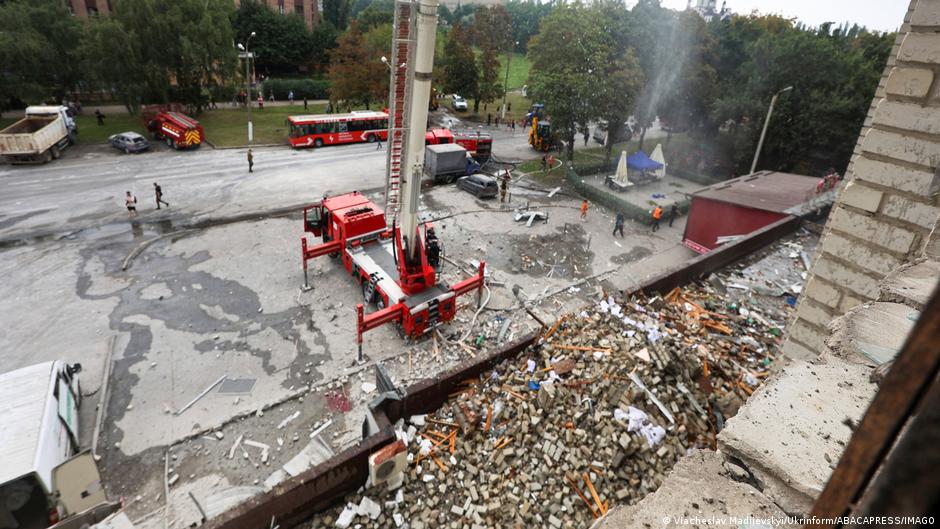
Strikes injured civilians and hit commercial, industrial, residential and critical infrastructure sites in Kyiv, Kharkiv and other Ukrainian regions.

Huawei’s US conviction adds legal and financial pressure while reinforcing the global fragmentation of telecommunications markets and supply chains.

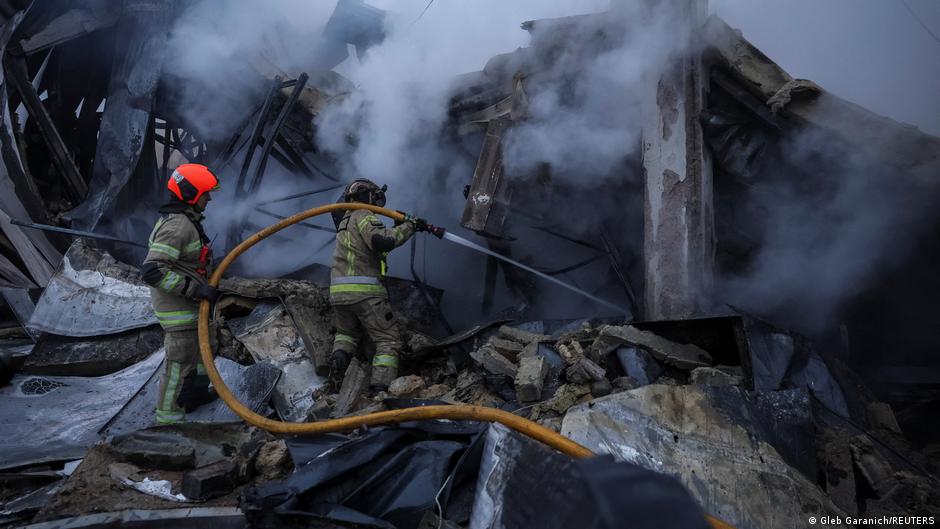
Russian attacks killed three people and damaged civilian assets as Ukraine imposed wider electricity restrictions affecting households and industry.

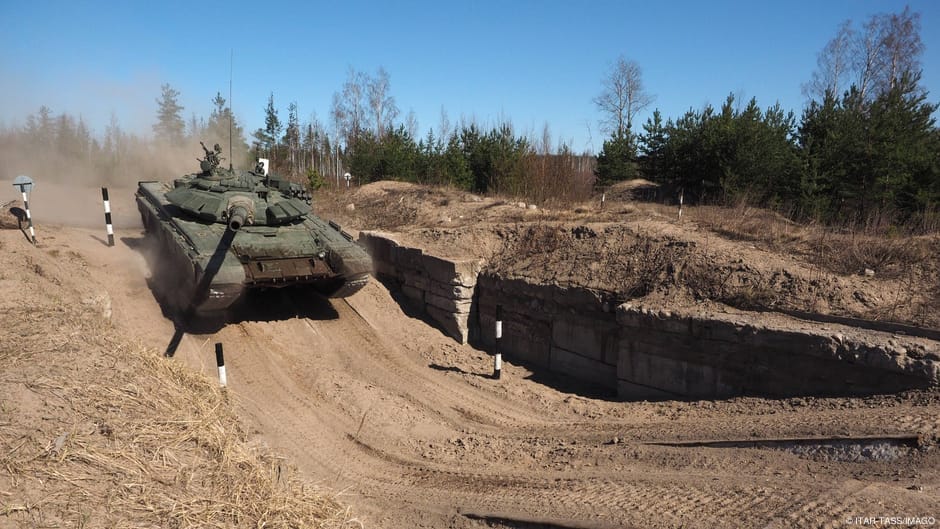
Russia is rebuilding the Kamenka garrison near Finland for a planned 11,000-strong division, underscoring a lasting shift in northern Europe’s security economy.

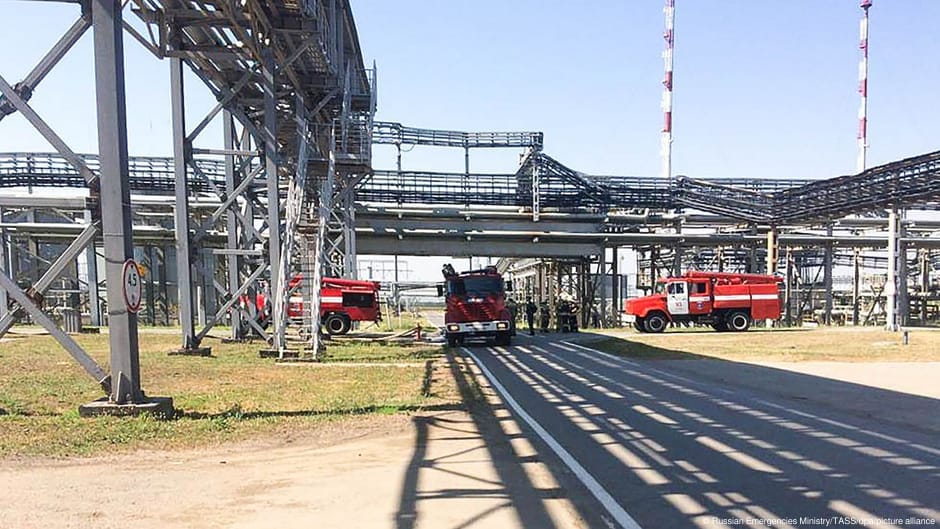
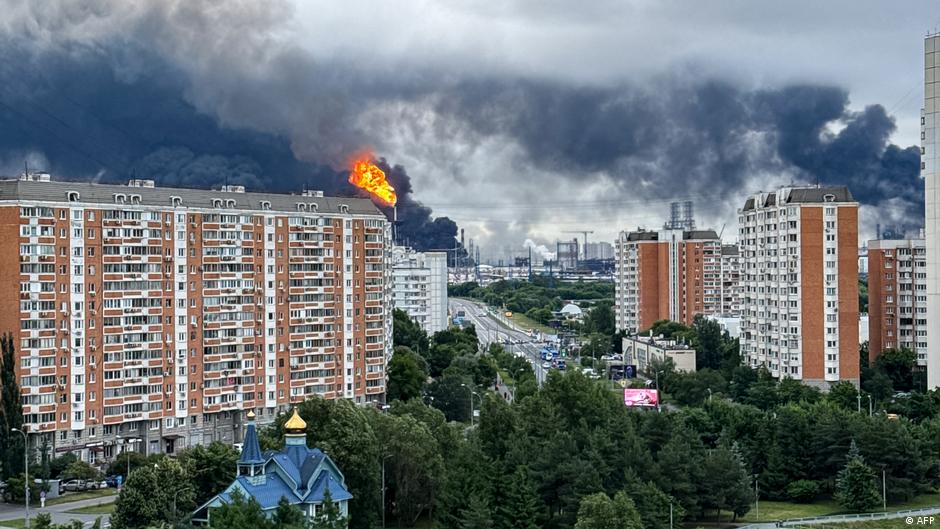
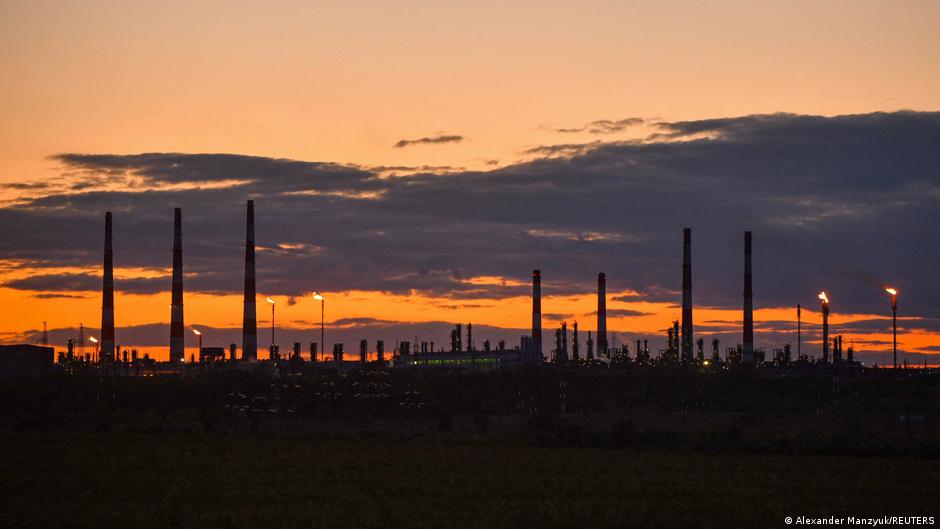
Reported drone strikes near oil assets in Rostov and Tatarstan highlight rising costs and supply-chain risks for Russia’s energy sector.

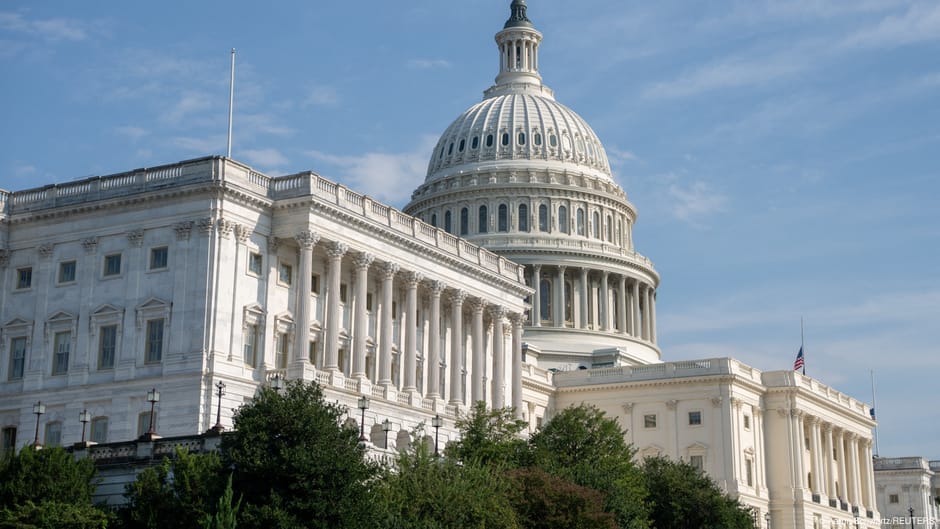
Democrats will hold at least 258 House seats and 56 Senate seats, creating broad scope for US fiscal and economic policy changes.
GTA VI earned a record $3.79 billion on its first day, demonstrating the growing economic power of global gaming franchises and digital platforms.

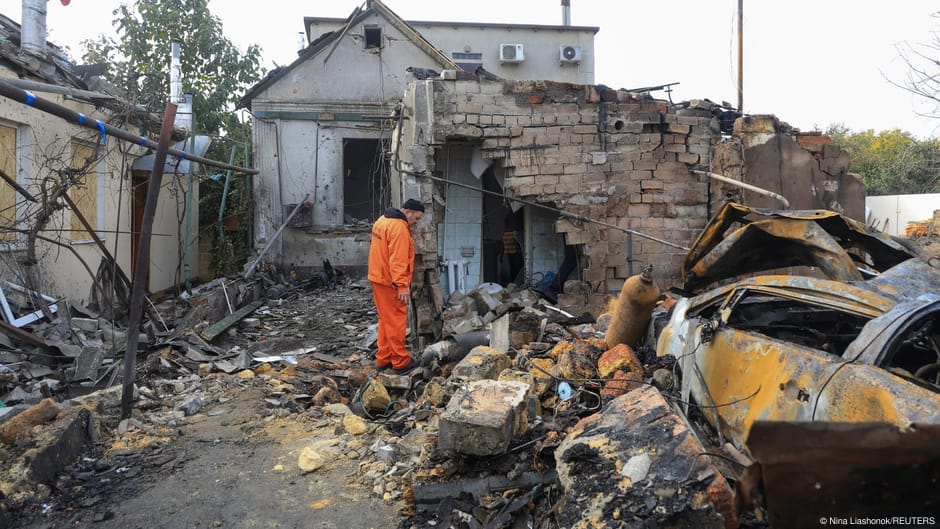
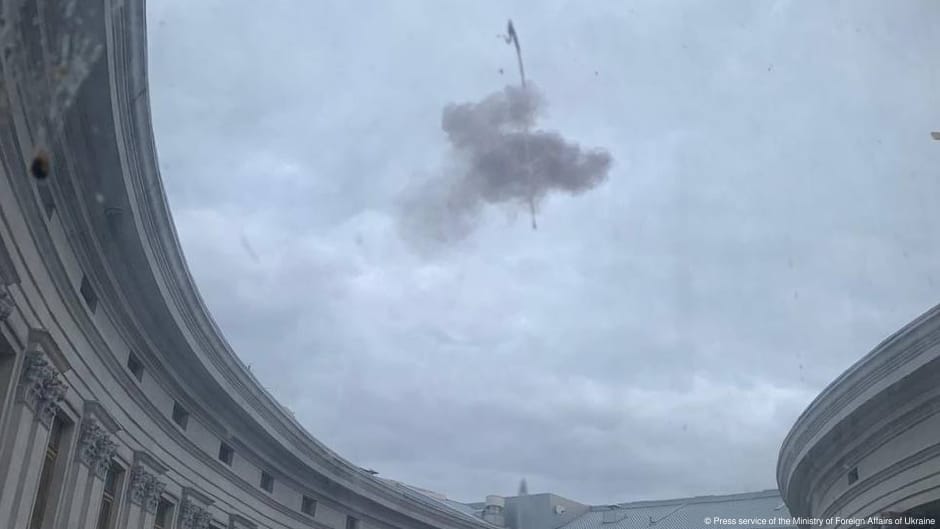
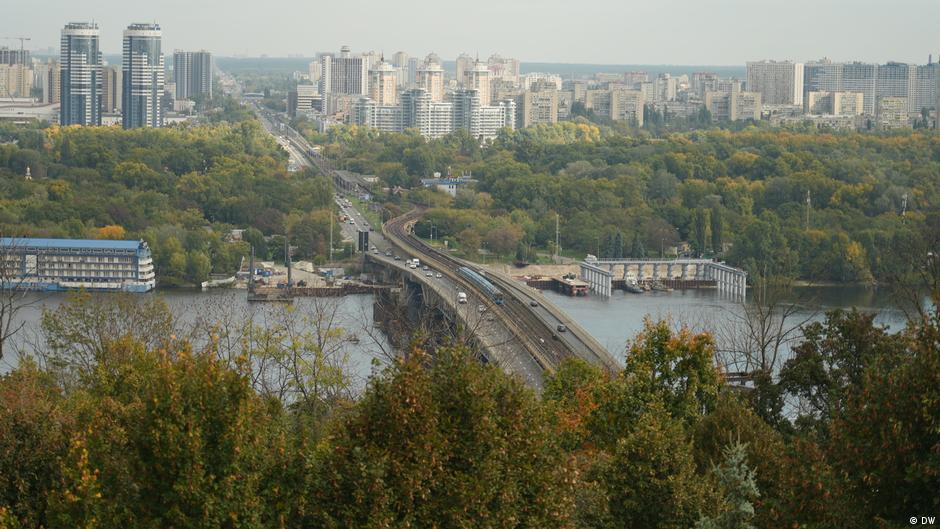
Russian missile strikes damaged Kyiv bridges and buildings, adding transport, fiscal and diplomatic pressures to Ukraine’s wartime economy.

A German poll shows broad concern over Russia but an almost even divide on restoring Russian energy imports, complicating long-term security and industrial policy.

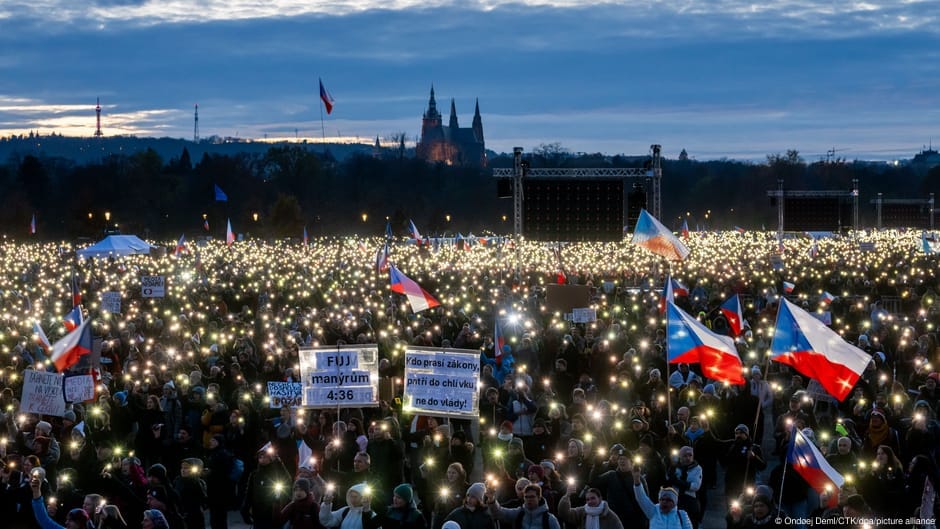
A Czech plan to replace broadcasting fees with state funding has prompted a huge Prague protest and warnings over media independence, fiscal pressure and institutional risk.

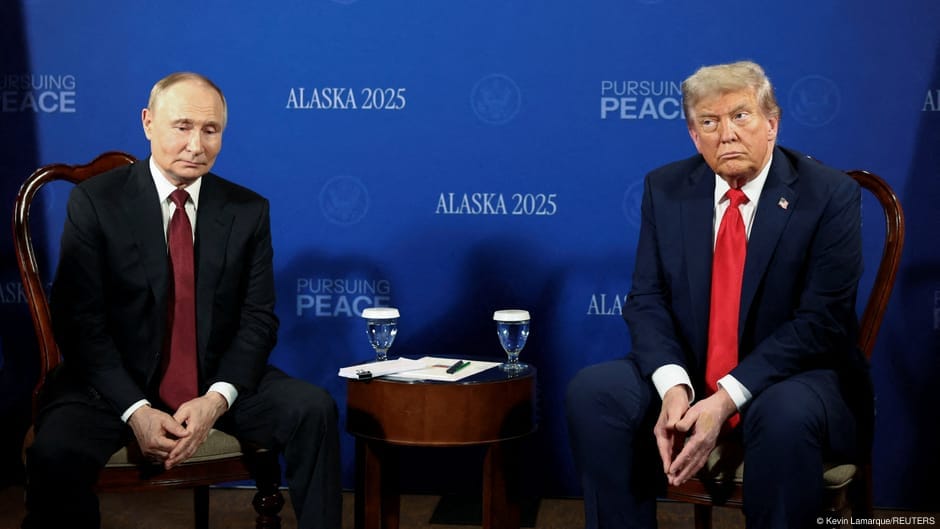
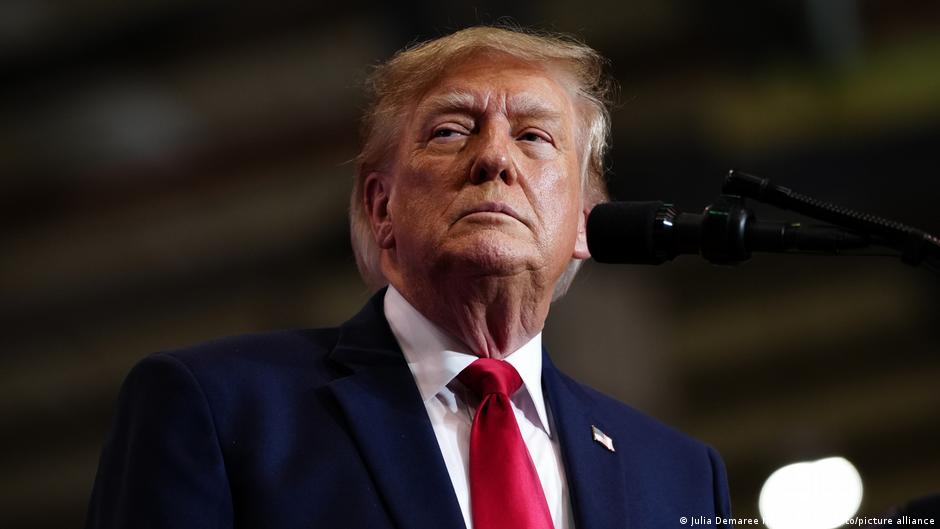
Trump, Putin and Xi are set to open trilateral nuclear arms-control talks at APEC, while Ukraine is expected to remain outside the agenda.

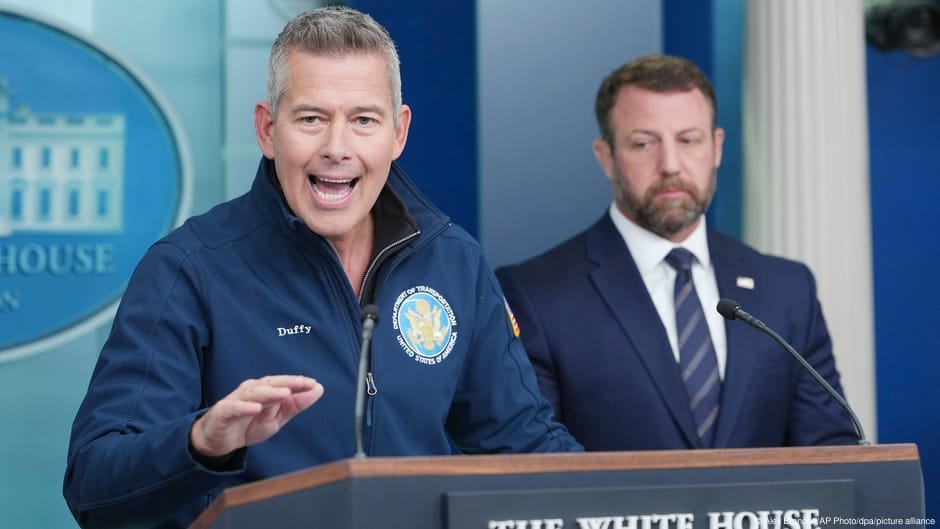
A four-hour US departure ban exposed the risks of aging air traffic systems as officials sought $50 billion in additional modernization funding.

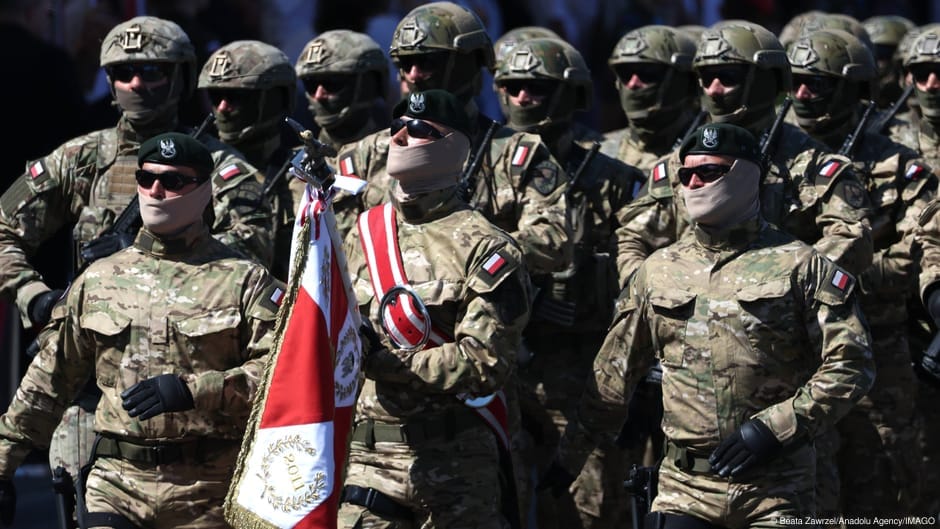
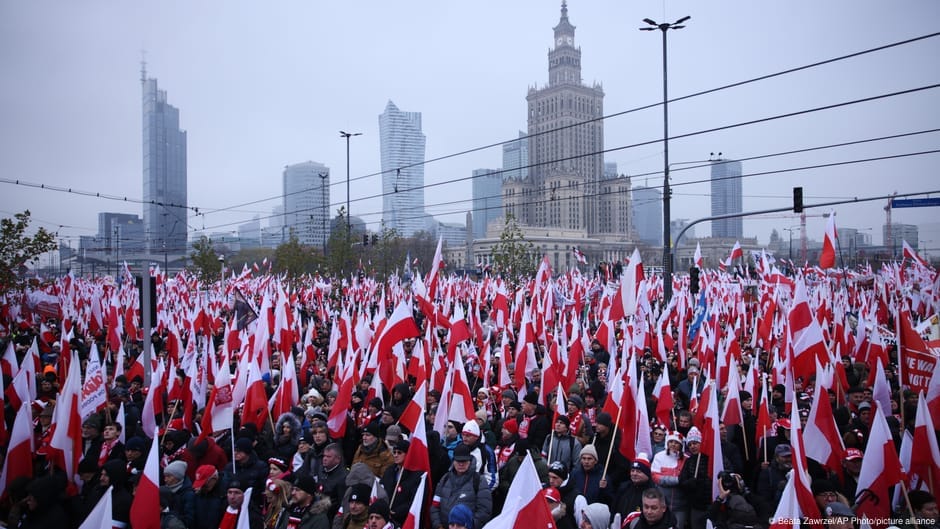
A mass nationalist march joined by President Karol Nawrocki highlighted Poland’s institutional tensions and potential risks to policy stability.

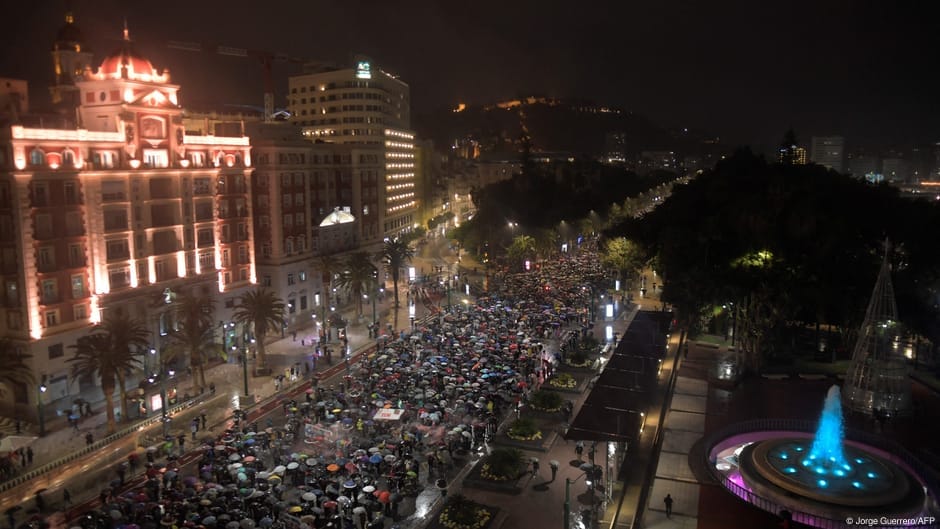
Spain’s housing shortage has triggered a nationwide strike, industrial disruption and mass protests weeks before a snap parliamentary election.

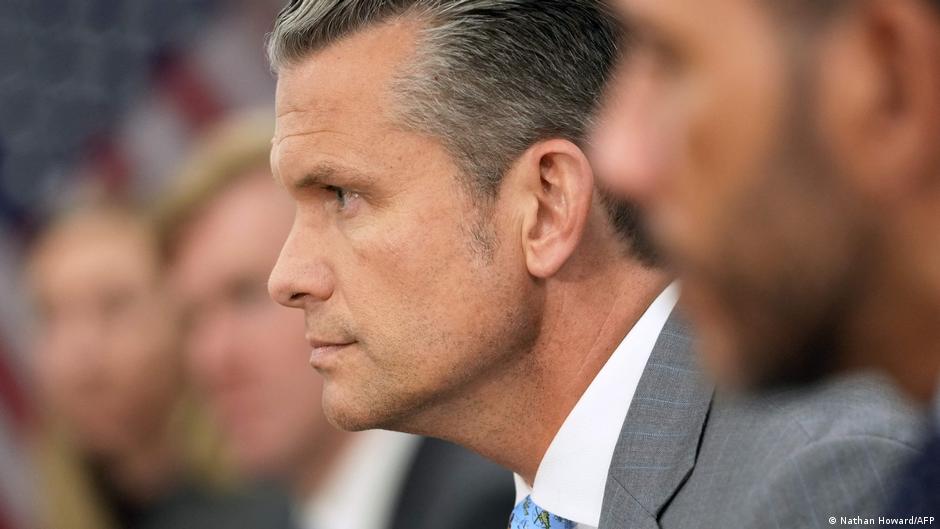
A Republican-led impeachment bid against Pete Hegseth highlights rising US war-powers tensions and risks to geopolitical and economic policy continuity.

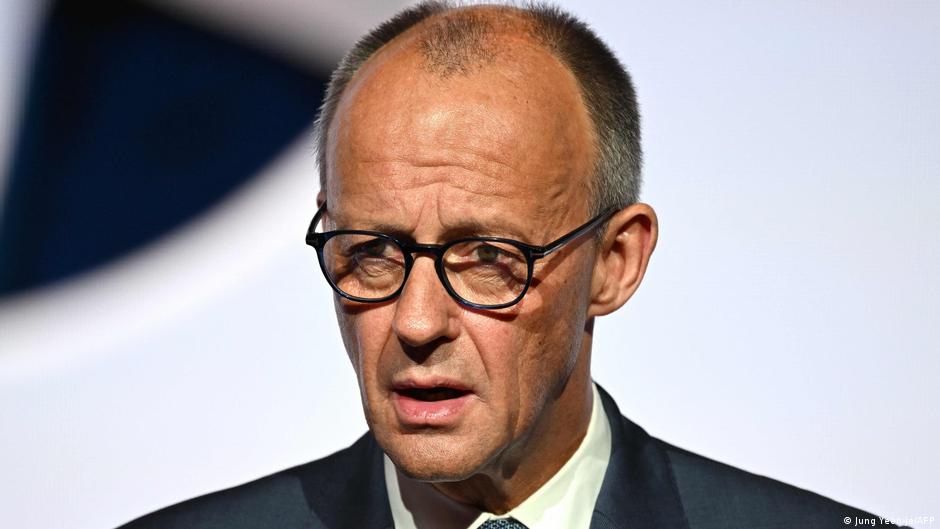
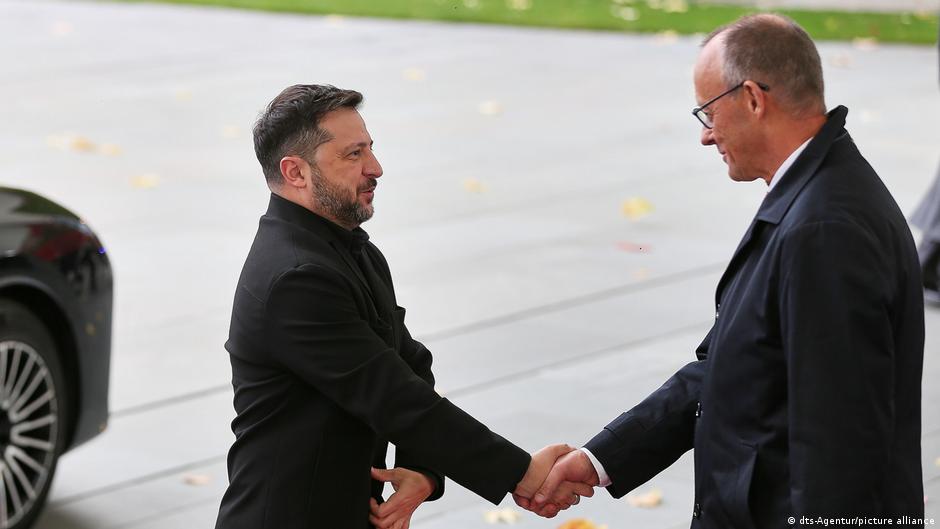
Germany is linking agreement on a €45 billion EU contribution for Ukraine to progress on other financial decisions and the bloc’s next long-term budget.

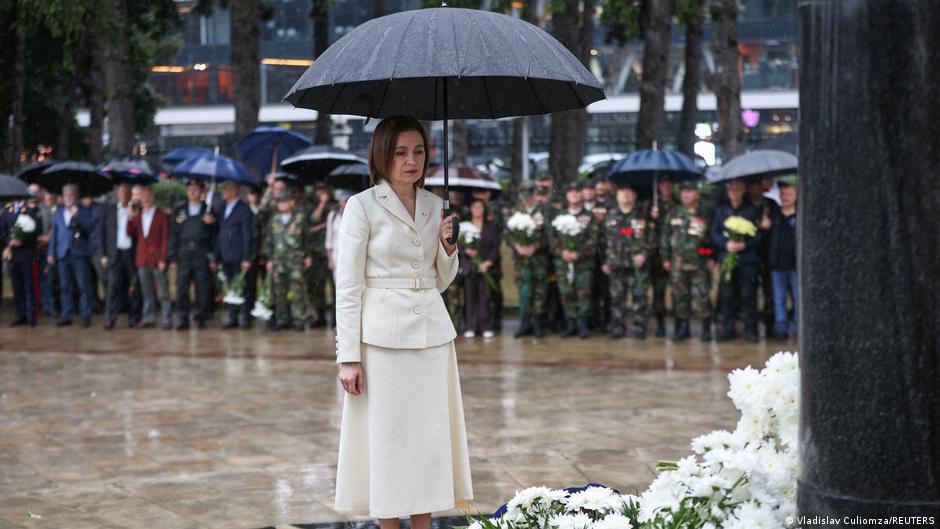
Moldova’s new power link with Romania reduces reliance on Russian-linked infrastructure and advances its economic integration with the European Union.

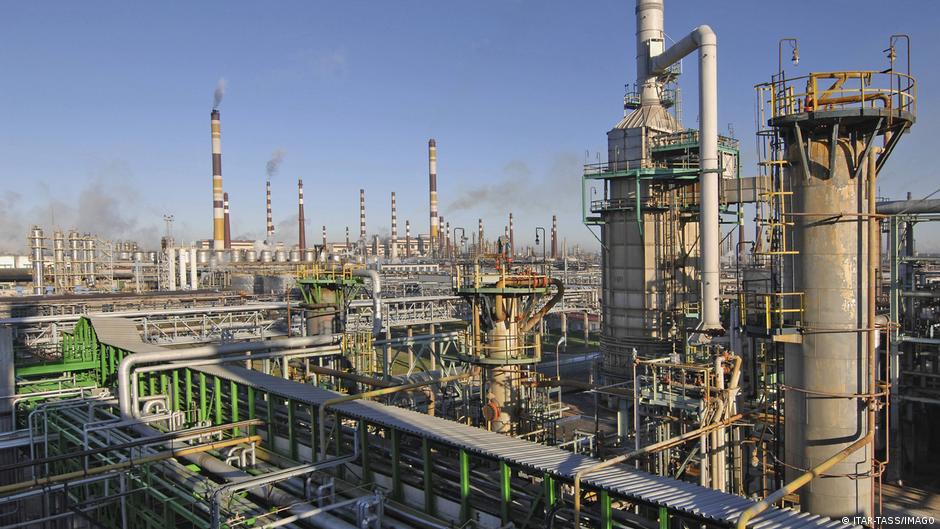
A drone attack on Russia’s Kirishi refinery puts a facility responsible for about 7% of national oil processing back at the center of fuel-security concerns.

Paraguay’s detention of former President Santiago Peña deepens a political and financial crisis that has blocked millions of Ueno customers from their accounts.

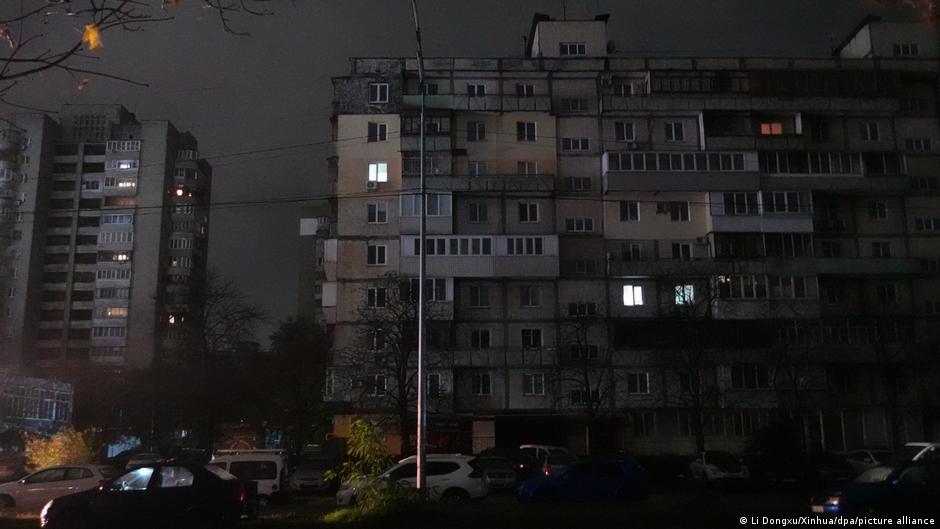
The dispute over Kyiv’s outages reveals how grid damage and strained coordination could magnify the economic costs of Russia’s attacks on Ukrainian energy infrastructure.

Germany plans an extra €100 million for Ukrainian infrastructure as attacks deepen energy losses and raise the long-term cost of economic recovery.

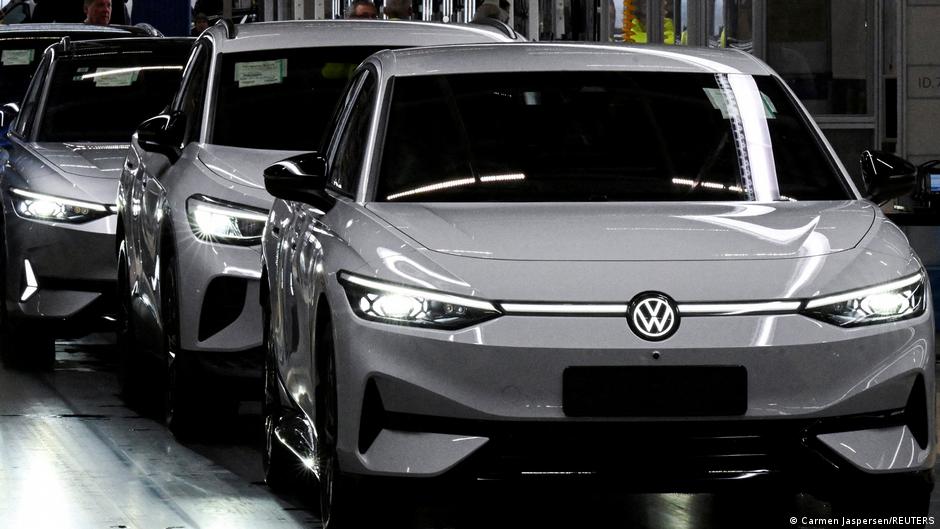
Germany’s EV registrations jumped about 80% in October, but Chinese producers gained market share as domestic automakers continued to lose ground.

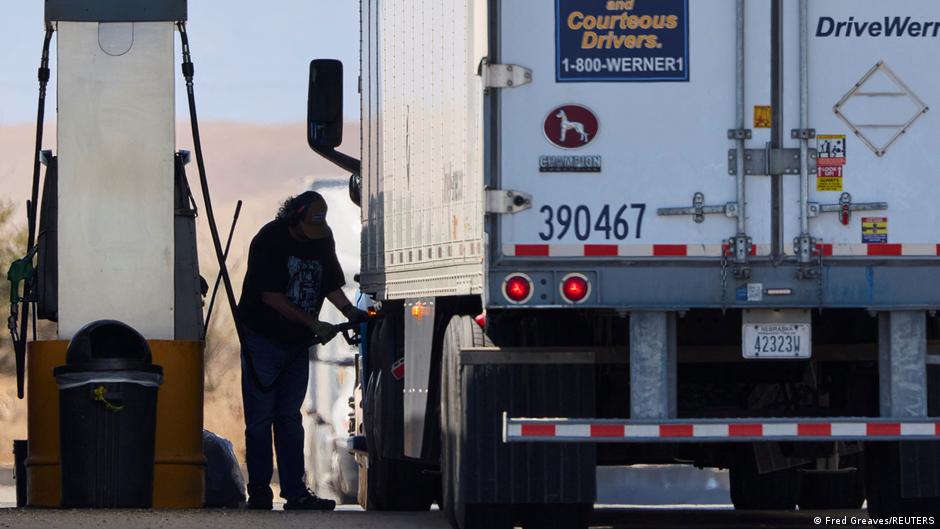
Two Russian fuel tankers changed course as sanctions concerns disrupted a Trump-Putin diesel agreement designed to ease high US prices.

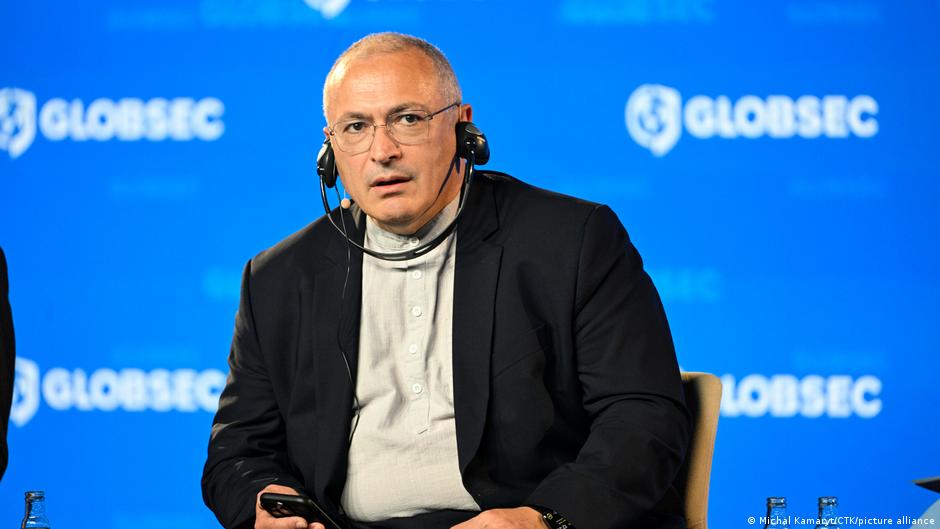
Khodorkovsky says Europe should offer Russian elites credible exit paths while avoiding transition policies that could trigger armed conflict and renewed authoritarianism.

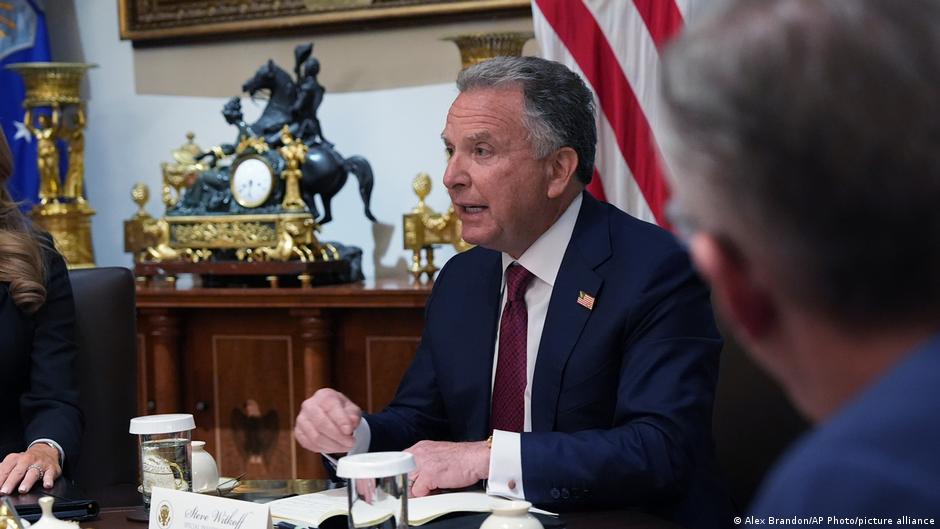
US-mediated Russia-Ukraine talks in Abu Dhabi will link de-escalation and security guarantees with the long-term financing of Ukraine’s reconstruction.

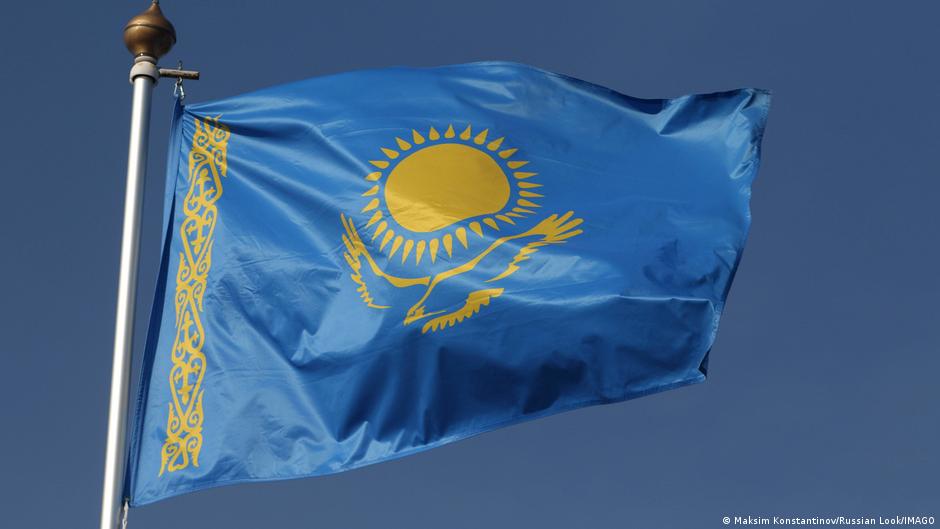
Kazakhstan detained 10 people in an alleged extremist-group case in Atyrau, putting security and institutional risks in an economically strategic region under scrutiny.

Trump questioned the FBI’s attribution of a $6.3 billion Binance theft to North Korea, highlighting the geopolitical and regulatory risks surrounding global crypto markets.

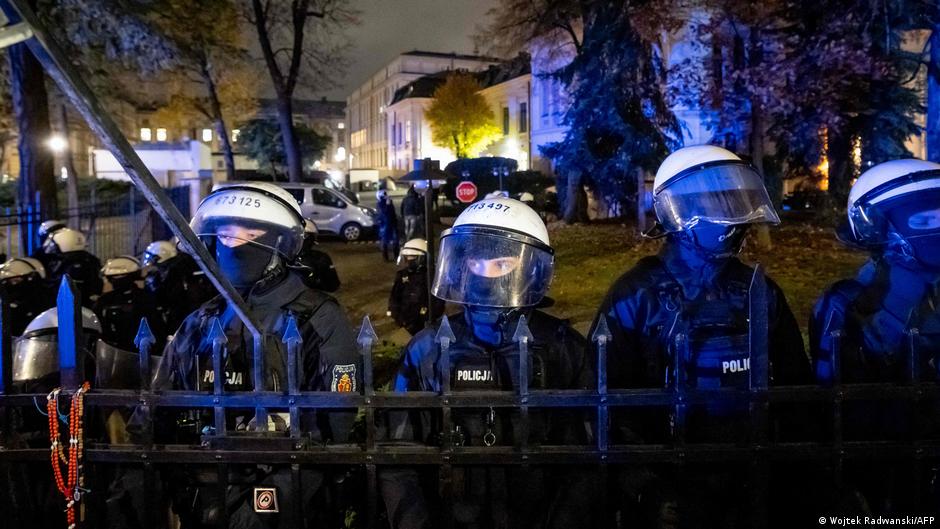
Poland’s tribunal leadership dispute has triggered protests and presidential intervention, intensifying concerns over legal certainty and policy credibility.

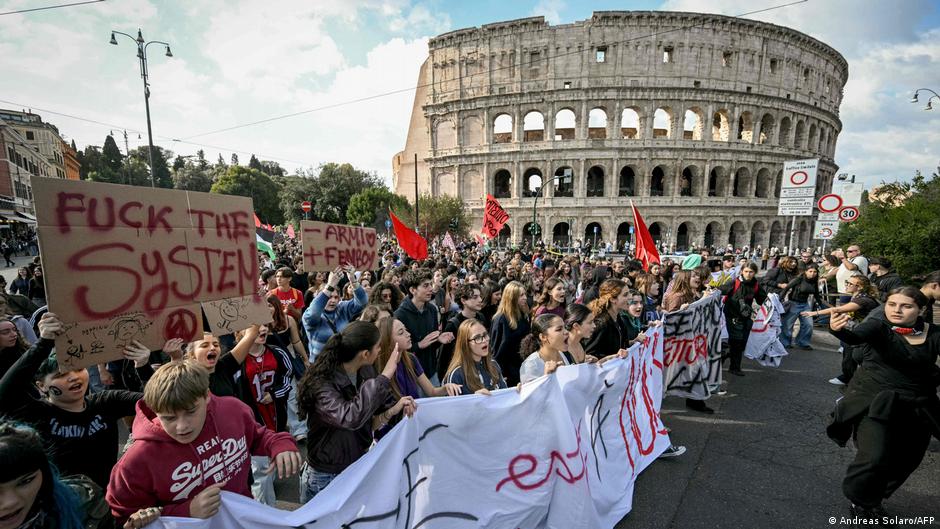
Italian protests over rents, fuel prices and military spending expose Europe’s growing struggle to reconcile defence commitments with household and social priorities.

Russian strikes killed at least 20 people across Ukraine and damaged rail, warehouse, residential and industrial assets, intensifying economic pressures.

Ukraine’s reported refinery-strike pause shows how US electoral pressure, fuel prices and dependence on American technology are reshaping wartime strategy.

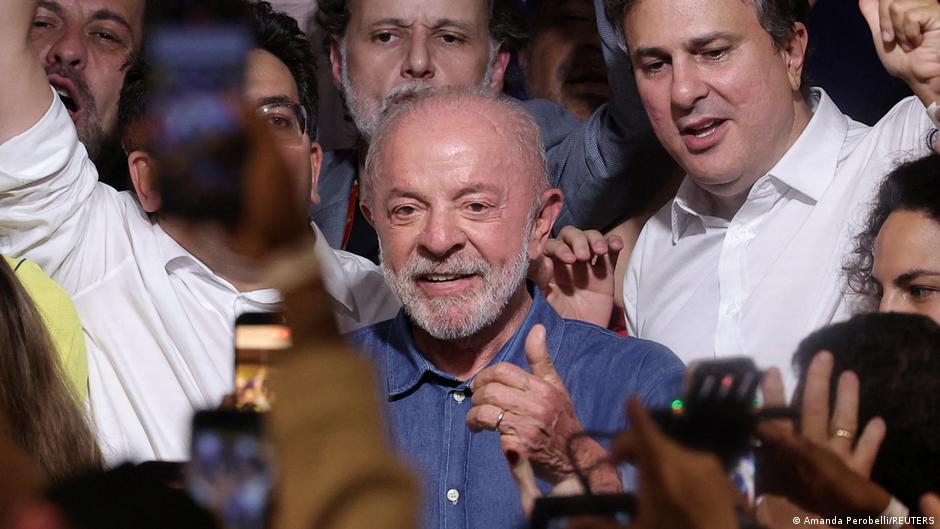
Flávio Bolsonaro’s fraud allegations and departure abroad add institutional uncertainty to Brazil’s policy outlook after Lula’s narrow election victory.

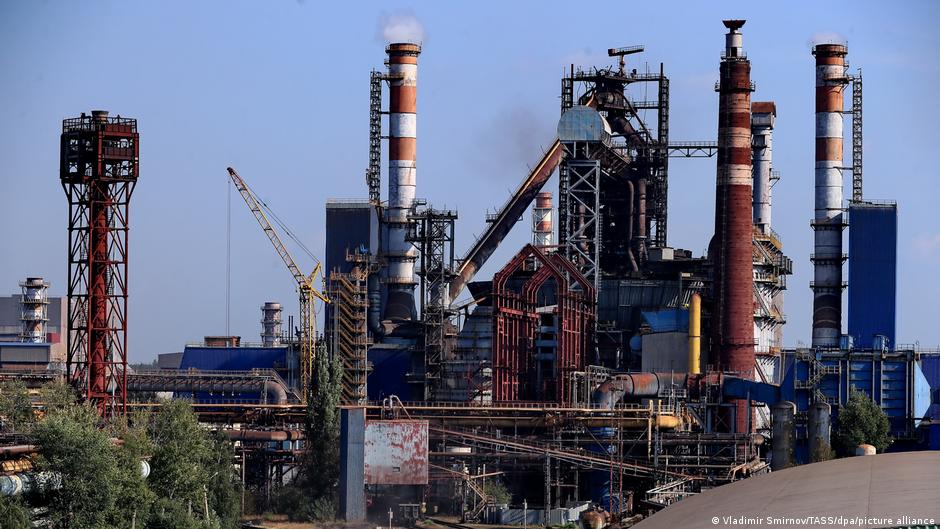
Reported strikes on steel, chemical and battery plants expose rising risks to Russia’s concentrated industrial base and defense-linked supply chains.

Missile strikes on Kyiv and Kharkiv killed at least three people and injured 14, damaging homes and public infrastructure in two major Ukrainian economic centers.

Lula won Brazil’s runoff with 51.8%, but Flávio Bolsonaro’s demand to annul the result adds institutional risk to an already fragile economic outlook.

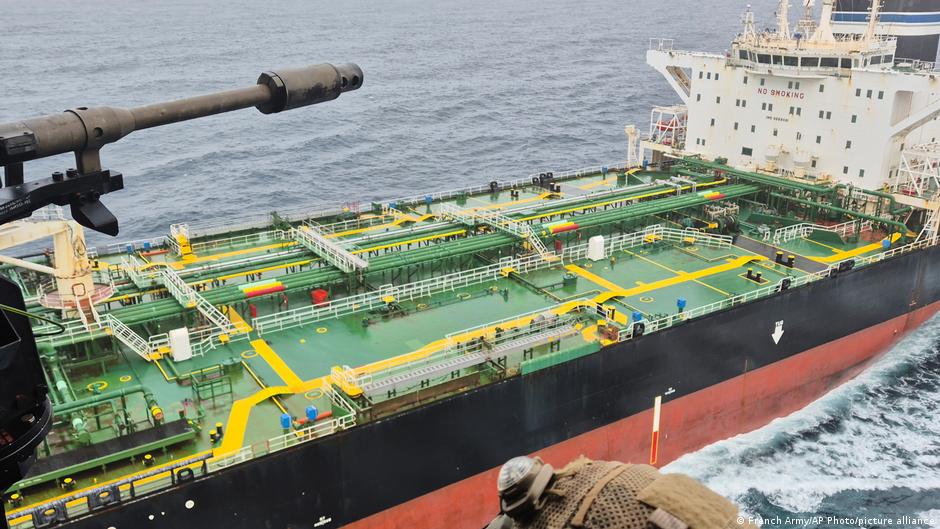
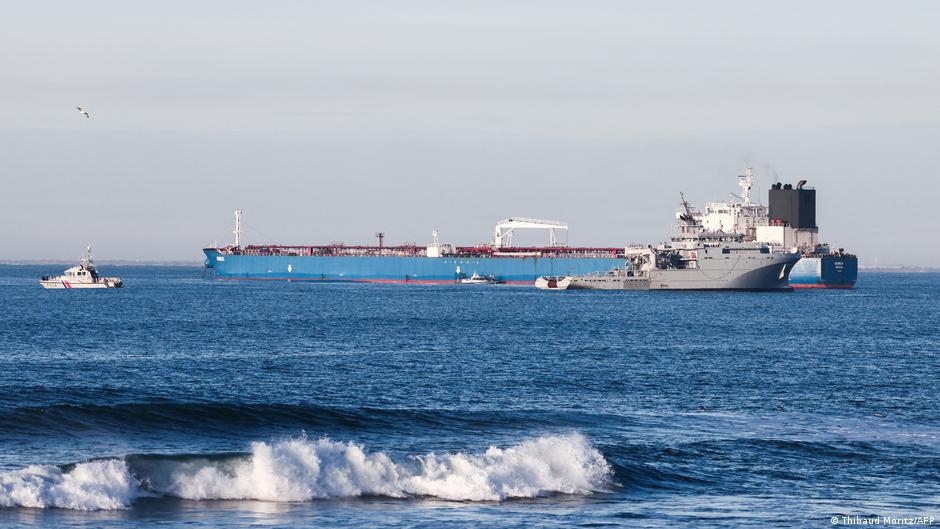
MYRA’s Atlantic distress call highlights the maritime, regulatory and economic risks created by opaque networks carrying sanctioned Russian and Iranian oil.

Audi will invest about $4 billion in a Georgia SUV plant as US tariffs push global automakers to localize production and reconsider European capacity.

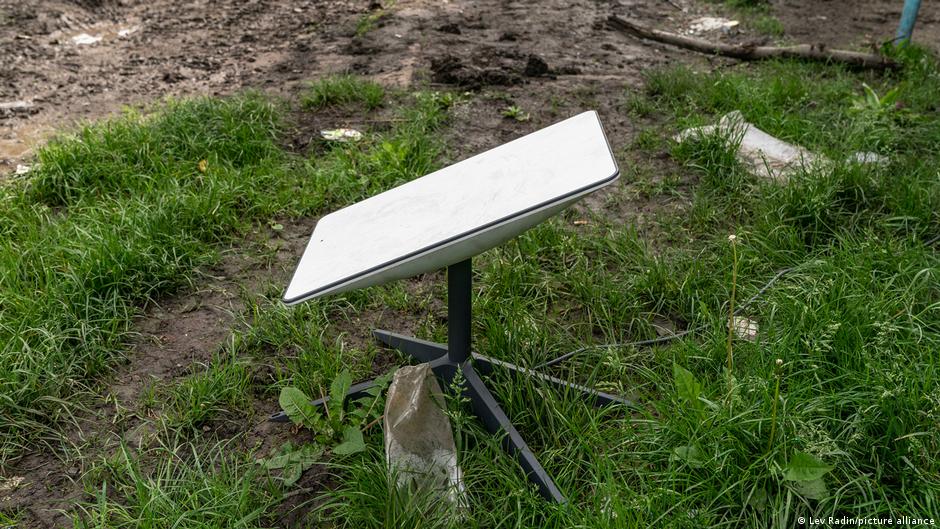
Ukraine says Starshield speed limits remain in force, exposing strategic and economic risks tied to private infrastructure and delayed allied support.

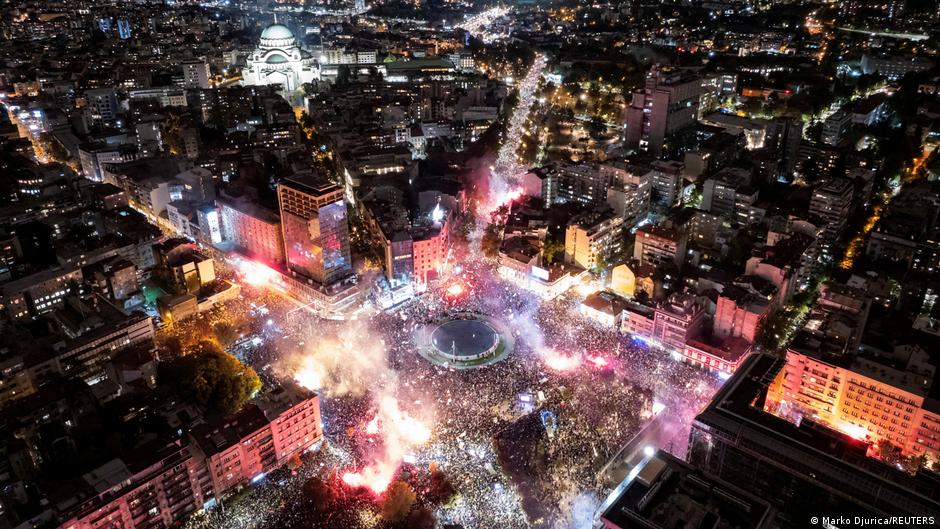
Serbia’s student-led opposition is narrowly ahead in polls as a mass Belgrade rally intensifies pressure on President Aleksandar Vucic before the October 25 election.

A Russian ballistic missile strike killed a 21-year-old woman and damaged buildings and metro infrastructure, highlighting Kyiv’s continuing economic vulnerability.

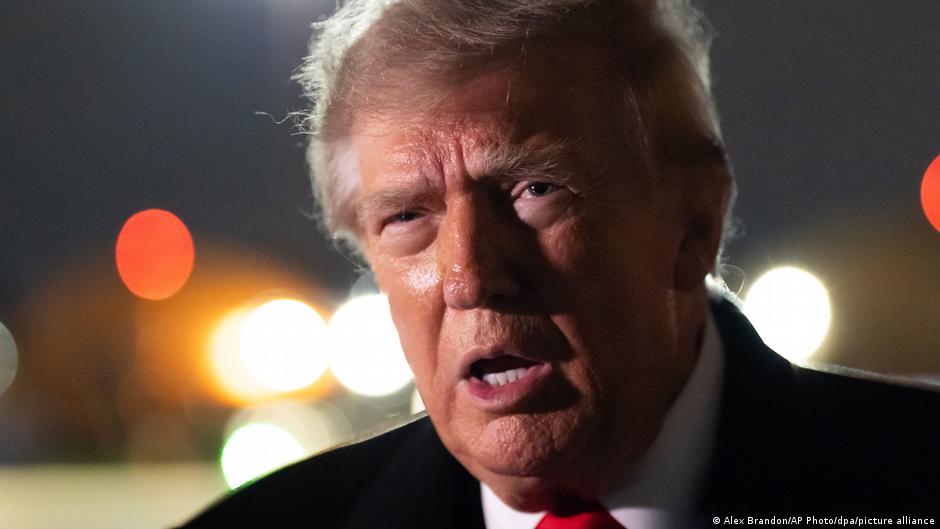
Trump has postponed sweeping Russia-linked tariffs, citing Ukraine negotiations, Moscow’s limited support for Iran and risks to global diesel markets.

A reported US peace proposal linking renewed Russian gas sales to an end to the Ukraine war challenges Europe’s energy phaseout and security strategy.

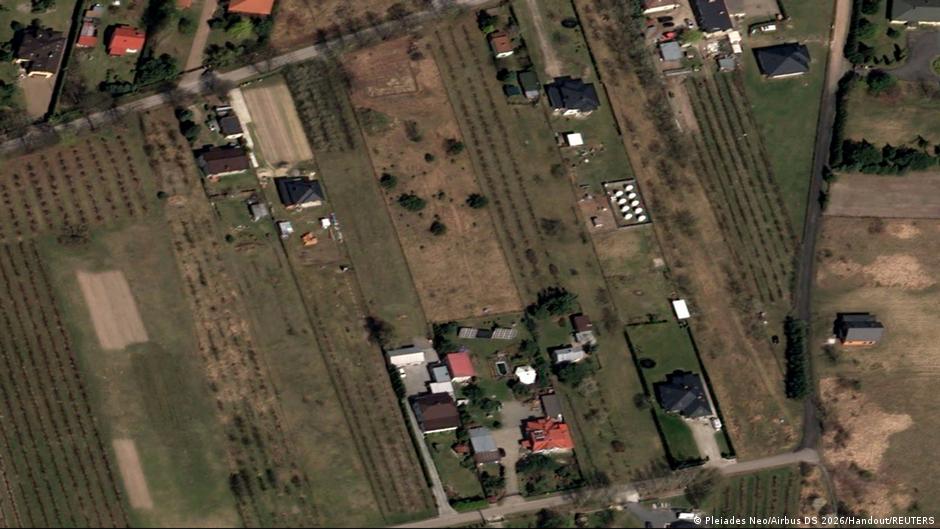
A suspected arson attack on a Polish Starlink station highlights the rising economic and security costs of protecting Europe’s strategic communications infrastructure.

Russia’s designation of two StopTime musicians as foreign agents highlights growing compliance, human-capital and investment risks.

Moldova recorded five drone incursions on October 16, intensifying security and policy pressures as spillovers from Russia’s war against Ukraine continue.

ECB approval gives UniCredit a path to control Commerzbank, advancing eurozone banking integration despite German concerns over jobs and business lending.

A bipartisan Senate group says Trump’s Russian diesel deal would offer little price relief while funding Moscow’s war effort.