US-China Summit in Beijing Highlights Strategic Cooperation Amid Global Economic Challenges
Trump and Xi Jinping discuss Iran Strait blockade, Taiwan tensions, and trade relations in pivotal Beijing talks.
High-Stakes US-China Dialogue in Beijing
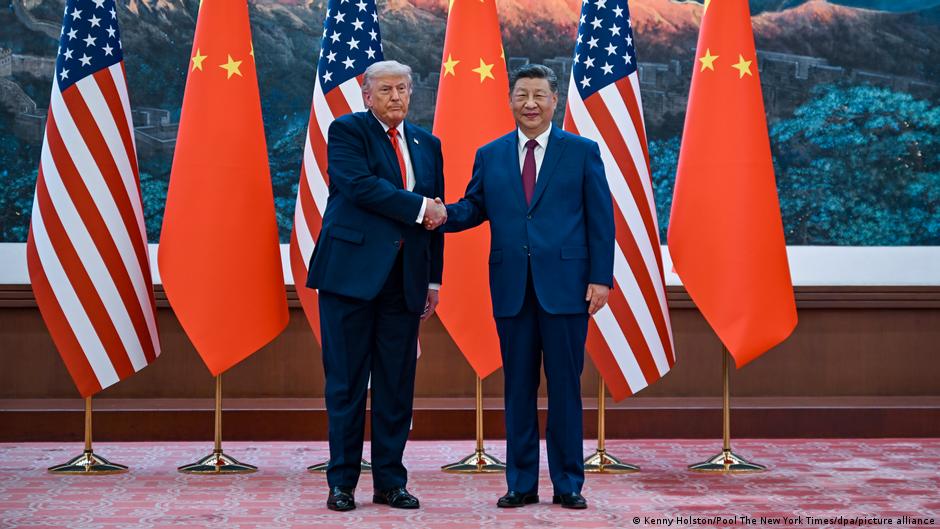
On May 14, 2024, Chinese President Xi Jinping hosted a ceremonious welcome for US President Donald Trump in Beijing, marking a significant diplomatic engagement between the world’s two largest economies. The meeting took place in the Great Hall of the People on Tiananmen Square, setting the stage for discussions with broad implications for global geopolitics and macroeconomic stability.
President Trump emphasized the potential for an exceptionally positive bilateral relationship, stating,
"For me, it is a great honor to be your friend, and US-China relations will be better than ever before."Xi Jinping reciprocated, highlighting the critical juncture at which the world finds itself and advocating for partnership over rivalry between the two powers. Such cooperation, he asserted, would benefit not only China and the United States but the entire international community.
Key Topics: Iran Strait Blockade and Energy Security
One of the central subjects on the agenda was the ongoing conflict involving the United States, Israel, and Iran, with particular focus on the blockade of the Strait of Hormuz. US Secretary of State Marco Rubio expressed Washington's expectation that China will assist in easing this blockade, which currently hampers maritime traffic including Chinese vessels.
The Strait of Hormuz is a strategic chokepoint in global energy supply chains. China's economy, heavily reliant on exports, faces headwinds amid the global energy crisis triggered by supply disruptions and geopolitical tensions. The blockade exacerbates these challenges by creating volatility in energy markets, thereby impacting Chinese manufacturing and export demand.
Trade Relations and Taiwan: Ongoing Diplomatic Priorities
The leaders also reviewed US-China trade relations and the sensitive issue of Taiwan. Following a prior agreement in October 2023 during a meeting in South Korea, both sides have committed to removing barriers impeding China’s exports of rare earth metals and reducing US tariffs imposed in response to the fentanyl crisis.
These negotiations are critical for stabilizing supply chains and alleviating inflationary pressures globally. Continued progress in resolving trade disputes could foster a more predictable economic environment, crucial for multinational corporations and investor confidence.
Regarding Taiwan, the dialogue underscored the importance of managing tensions to prevent escalation that could disrupt regional security and global markets.
Strategic and Economic Implications
The presence of senior US government officials—including Secretary Rubio, Treasury Secretary Scott Bessent, and Defense Secretary Pete Hegseth—alongside key figures from American industry, such as Apple CEO Tim Cook and Tesla's Elon Musk, signals the multifaceted nature of the summit. It reflects the intersection of security, diplomatic, and economic interests shaping US-China relations.
For global decision-makers, the outcomes of this summit could influence policy directions on trade liberalization, energy security, and conflict resolution. Enhanced cooperation may help mitigate supply chain disruptions and energy price volatility, while failure to achieve consensus might perpetuate geopolitical risks and economic uncertainty.
President Trump's visit marks his first to China since 2017, underscoring a renewed diplomatic effort amid evolving global challenges.
As the US and China grapple with shared challenges, their ability to navigate cooperation and competition will be pivotal in shaping the global economic landscape in the coming years.