Russia Quadruples Aviation Fuel Imports from Belarus Amid Domestic Production Disruptions
Sharp rise in Russian aviation kerosene imports highlights critical supply challenges and shifting energy policies with regional implications.
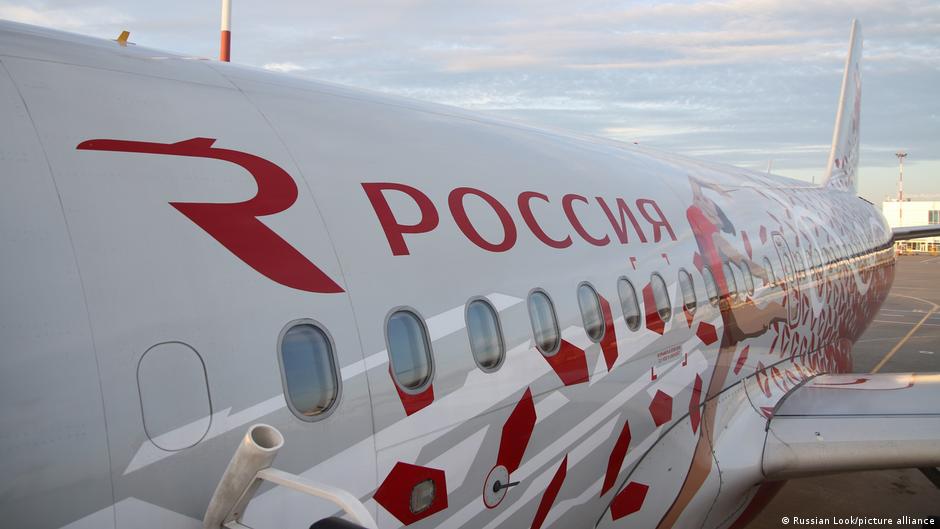
In May 2026, Russia imported 5,170 metric tons of aviation kerosene from Belarus, nearly quadrupling the volume imported a year earlier. In the first ten days of June alone, Russian imports from its neighbor reached 2,600 tons, signaling a sustained surge in reliance on Belarusian fuel supplies.
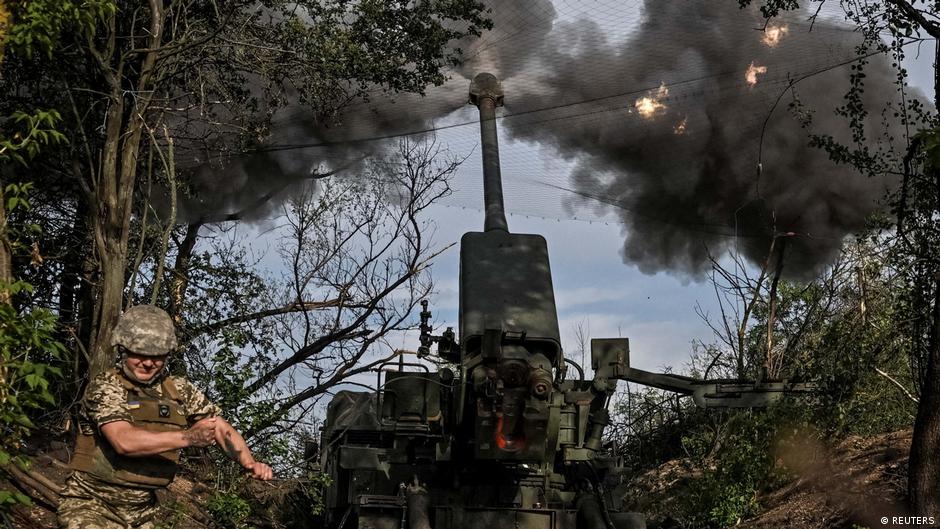
This dramatic increase reflects significant constraints in Russia's domestic aviation fuel production. Official figures on local production remain undisclosed, but estimates from the Center for Price Indices (CPI) put total output at 11.4 million tons for 2025. A critical blow to supply stemmed from the mid-June suspension of operations at the Moscow Refinery in Kapotnya following a drone attack. According to Reuters, the refinery is unlikely to resume full operations before winter, exacerbating supply pressures.
Discussions are underway about importing JET A-1 aviation fuel through Russian seaports and blending it with domestic fuel grades, signaling a potential shift in Russia's energy import strategy amidst tightening sanctions and logistical challenges.
Policy Shifts and Economic Implications
On June 1, 2026, Russia enacted an unprecedented ban on the export of aviation kerosene, effective until November 30. This policy aims to prioritize domestic consumption amid shrinking local production but also disrupts regional fuel markets. Mid-June reports from Russian airports warned of restrictions on aircraft refueling, illustrating immediate operational impacts on the aviation sector.
"The surge in Belarusian aviation fuel imports underscores the fragility of Russia’s domestic refining capacity under current geopolitical pressures."
Fuel shortages are not limited to aviation. Over 30 Russian regions have imposed restrictions on automotive fuel sales. Initial supply chain disruptions hit Crimea following Ukrainian military strikes on logistics infrastructure in occupied territories. These disruptions have since spread to other regions, driven by ongoing Ukrainian aerial attacks on Russian oil refineries.
Reuters reports a 25% year-on-year decline in gasoline production in Russia by late June 2026. Responding to these shortages, Russia has reportedly requested Kazakhstan to supply 50,000 tons of gasoline, indicating an increasing reliance on neighboring countries to meet critical fuel demands.
Long-Term Economic Consequences
These developments highlight significant vulnerabilities within Russia's energy supply chain that could have cascading effects on its broader economy. The reliance on Belarusian imports and foreign gasoline marks a strategic pivot with long-term implications for trade relations and regional energy security balances. Meanwhile, export bans and domestic restrictions may strain Russia’s aviation and transportation sectors, potentially disrupting economic activities reliant on stable fuel supplies.
For policymakers and international stakeholders, Russia's evolving aviation fuel landscape serves as a key indicator of how geopolitical conflict and infrastructure vulnerabilities can reshape regional energy markets and economic resilience.