Russia Closes Romanian Consulate in St. Petersburg Amid Diplomatic Retaliation
Moscow's move to shut down Romania’s consulate follows Bucharest’s closure of the Russian consulate in Constanța after a drone incident.
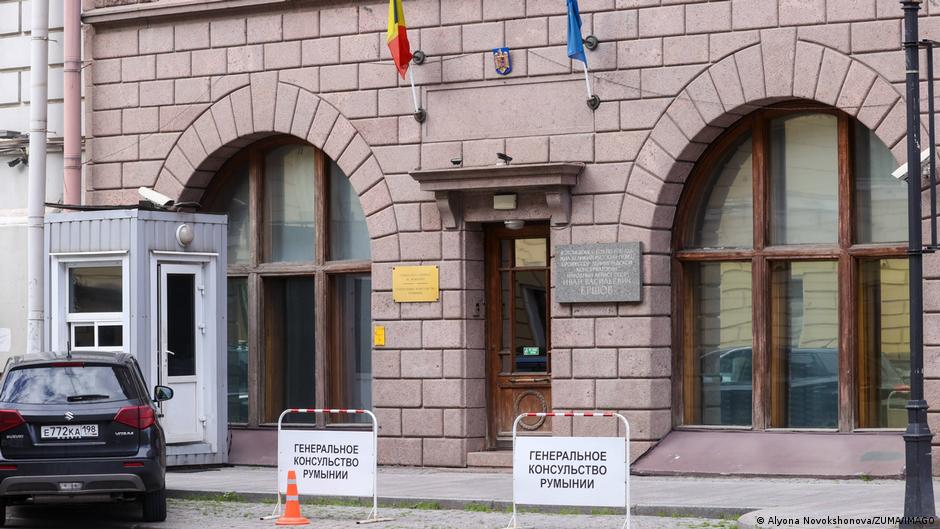
Russia has officially closed the Romanian consulate in St. Petersburg and declared its acting consul general, Laurențiu Constantin, persona non grata. This action, announced on June 25 by the Russian Ministry of Foreign Affairs, was described as a direct response to Romania’s earlier closure of the Russian consulate in Constanța and the expulsion of the Russian consul there.
According to a statement from the Russian foreign ministry, "This measure is a response to Bucharest's unfounded withdrawal of consent for the operation of the Russian General Consulate in Constanța and the declaration of its head persona non grata." This reciprocal diplomatic escalation underscores the growing tensions between Russia and NATO member Romania against the backdrop of the ongoing conflict in Ukraine.
Drone Incident in Galați Sparks Diplomatic Fallout
The Romanian government, led by President Nicușor Dan, ordered the closure of the Russian consulate in Constanța and declared the Russian consul persona non grata following a serious security incident on Romanian soil. On the night of May 29, a drone identified by the Romanian Ministry of Defense as Russian crashed on the roof of a residential building in Galați, a city in eastern Romania. The crash caused injuries to a 14-year-old teenager and a 53-year-old woman and ignited a fire on the 10th floor of the building.
Emergency services confirmed that the drone’s entire explosive payload detonated, resulting in injuries to two individuals who were hospitalized, and the evacuation of 70 residents. Romanian authorities condemned the incident as a violation of international law and subsequently requested NATO to strengthen Romania’s air defense systems.
"The Galați incident marked the first time a populated area in a NATO member state has been directly affected by unmanned aerial vehicles used in the Russia-Ukraine conflict," noted security experts monitoring the event.
This episode significantly shifted the security landscape of Eastern Europe by highlighting the spillover risks of the Ukraine conflict into NATO territories. Romania’s call for enhanced air defense is emblematic of broader concerns among Eastern European NATO members about the growing reach of Russian military operations.
Diplomatic Implications and Long-Term Economic Risks
The reciprocal expulsion of consular officials and closure of missions reflect a deepening rift that could complicate diplomatic and economic relations between Russia and Romania. As members of the global economic system, such escalations have wider macroeconomic consequences, including disruptions in trade flows, investment confidence, and regional economic integration.
Romania’s strategic position as a NATO and EU member makes these developments particularly significant. Heightened tensions may prompt further policy shifts within the alliance, including accelerated defense spending and reconfiguration of security cooperation in the Black Sea region.
For Russia, these moves represent a further international isolation that could exacerbate challenges to its economic stability given sanctions and reduced foreign investment. The tit-for-tat diplomatic expulsions signal a deteriorating political environment that may affect energy exports, supply chain continuity, and access to European markets.
Overall, the incident underscores the interconnected nature of geopolitical conflict and economic prospects in Eastern Europe. Senior decision-makers should assess these evolving risks as part of broader strategic planning, considering the implications for regional security, economic resilience, and international cooperation frameworks.