Trump Praises Zelensky’s Resilience Amid Russia-Ukraine Conflict, Signals Diplomatic Shifts
Former US President Donald Trump acknowledges Zelensky’s efforts in the ongoing Russia-Ukraine war and criticizes European allies, highlighting evolving geopolitical dynamics.
Former US President Donald Trump recently commended Ukrainian President Volodymyr Zelensky for his steadfastness amid the ongoing conflict with Russia, signaling potential shifts in diplomatic tone and policy perspectives within the broader geopolitical landscape.
Trump’s Remarks on Zelensky and the War
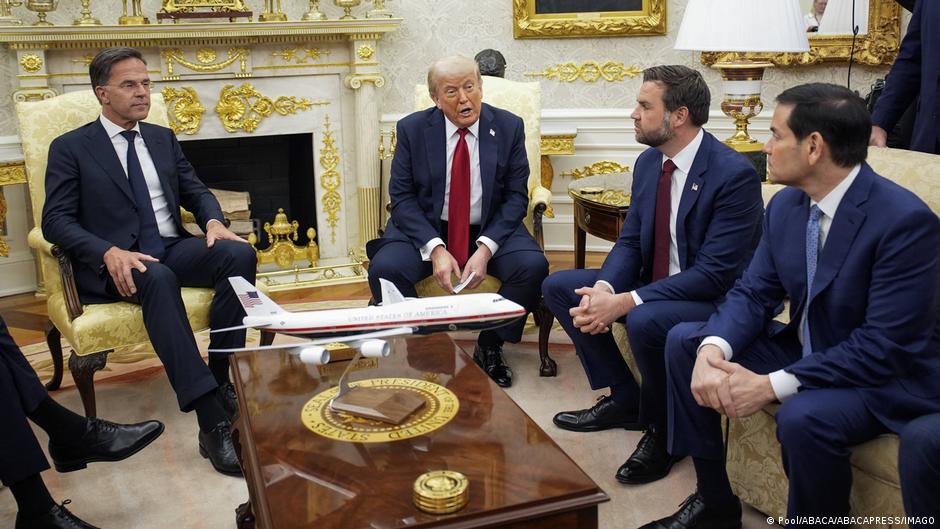
During a press conference at the White House on June 24, held alongside NATO Secretary-General Mark Rutte, Trump addressed a journalist’s question on whether Zelensky is prevailing in the war. He noted that despite the heavy casualties on both sides, Zelensky "is holding up pretty well." Trump’s comment marks a departure from his past criticisms of Zelensky, who he previously accused of obstructing peace efforts.
"At least he’s holding up. There are many casualties on both sides, but I think he’s doing quite well," Trump stated.
This shift in tone underscores a nuanced view of the conflict’s progression and Zelensky’s leadership, reflecting evolving US perspectives amid sustained hostilities that have profound humanitarian and economic implications.
Broader Geopolitical Context and European Relations
Trump also expressed disappointment with Germany and other European countries’ approaches towards the US and Israel in their policy towards Iran. He lamented that despite US investments amounting to hundreds of millions of dollars to maintain a military presence in Germany and Europe, Washington felt rebuffed, metaphorically stating that the US sought "at least a small kiss" but was denied.
This criticism highlights growing tensions in transatlantic relations and underscores challenges in unified Western responses to global security threats, including the Iran nuclear issue and Russia’s aggression in Ukraine.
Implications for Global Economic and Security Stability
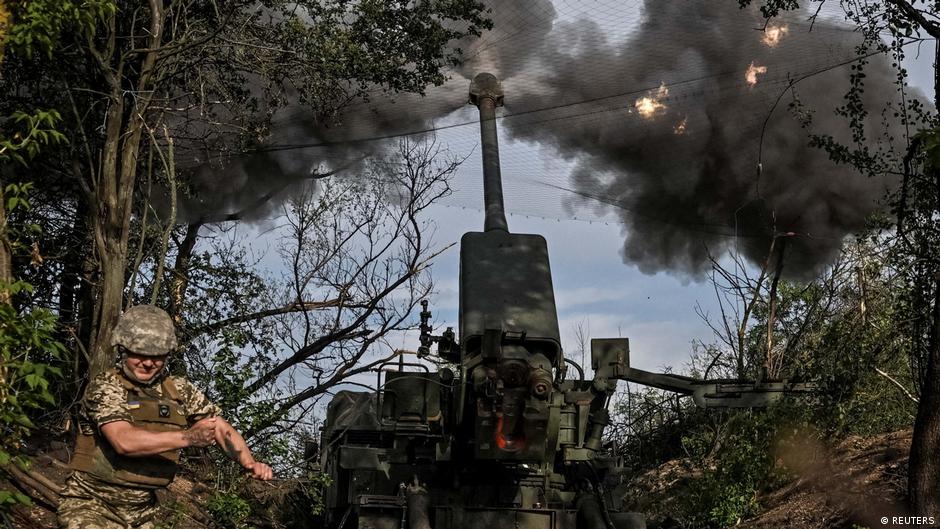
Against the backdrop of the war entering its fifth year, the sustained conflict continues to disrupt global markets, energy supplies, and international trade flows. The war’s extension poses risks of prolonged economic instability, particularly in energy-dependent regions, while sanctions against Moscow, reinforced recently by G7 decisions, aim to pressure Russia economically but also contribute to complex global market dynamics.
Earlier this month, at the G7 summit in France, Trump met with leaders from member countries and Zelensky. He described the meeting as "very good" and reiterated his belief that Russia should seek peace with Ukraine, pledging to do "everything in his power" to facilitate such an outcome.
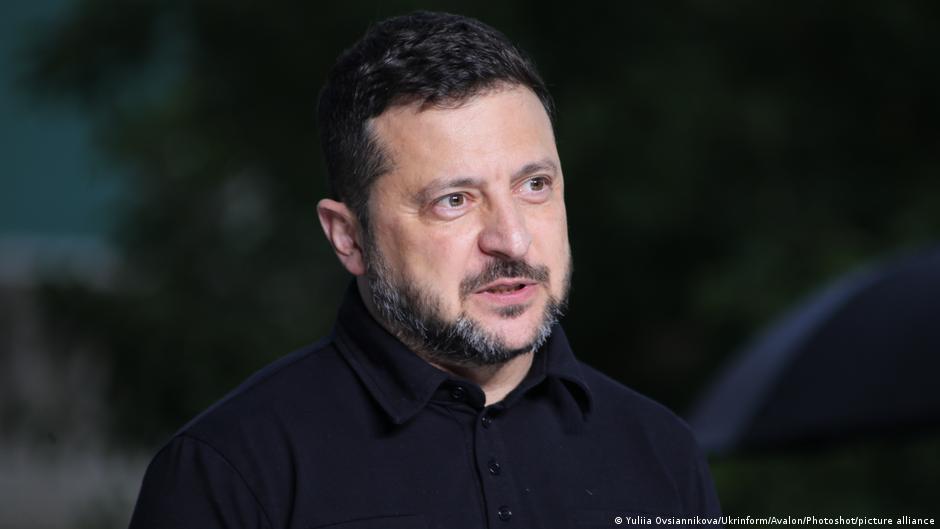
Meanwhile, Zelensky has stated that with adequate support from G7 nations, Kyiv could swiftly create conditions compelling Russia to opt for peace, although he did not detail the mechanisms for this strategy.
These developments illuminate shifting diplomatic strategies and the ongoing complexity of balancing military, economic, and political tools to resolve a conflict with profound long-term consequences for regional and global economic security.