Russian Blogger Ilya Remeslo Detained Amid Political Repression and War Critique
Former pro-Kremlin blogger Ilya Remeslo faces up to 10 years in custody following criticism of Putin and Ukraine war, highlighting Russia's tightening control over dissent.
Russian blogger Ilya Remeslo, once known for his staunch pro-government stance and active role in opposing the domestic opposition, has been detained and placed in pretrial custody amid a politically charged legal case. Following his sudden public denunciation of President Vladimir Putin and the ongoing war against Ukraine, Remeslo faces charges related to alleged dissemination of "fake news" about the Russian military.
Political Repression and Legal Measures Against Dissent
Remeslo's detention underscores an intensifying clampdown on dissent and free speech within Russia, particularly regarding criticisms of the Kremlin’s military actions. After posting a series of critical statements on his Telegram channel in March 2026, labeling Putin as a usurper, illegitimate president, "war criminal," and "thief," Remeslo was quickly subjected to psychiatric evaluation at the Serbsky Institute, a facility historically associated with punitive psychiatry during the Soviet era.
"Remeslo’s case reflects a broader pattern of suppressing political dissent through both legal prosecution and psychiatric measures reminiscent of Soviet-era tactics."
Shortly after his public criticism, Remeslo was involuntarily hospitalized for psychiatric examination, reportedly influenced by his sister. Following his release, he reaffirmed his commitment to opposition politics in an interview, further solidifying his position as a vocal critic of the regime.
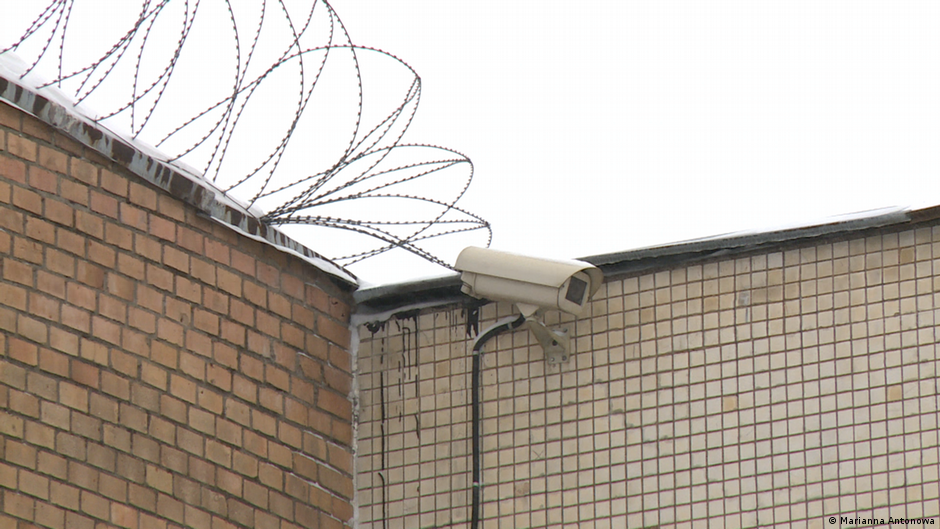
Currently held in the Moscow detention center known as SIZO No. 7 "Kapotnya," Remeslo awaits court proceedings scheduled for mid-September. Prosecutors have charged him under Russia’s stringent laws against spreading false information about the military, with potential penalties reaching up to ten years imprisonment.
Broader Economic and Political Implications
Remeslo’s trajectory—from a government-aligned informant targeting opposition activists to a dissident facing severe punitive measures—illustrates the volatile and repressive political climate within Russia. This development bears significance beyond domestic politics, as it signals the Kremlin’s zero-tolerance approach to internal criticism amid its protracted conflict in Ukraine.
For global economic stakeholders and policymakers, such intensification of authoritarian repression carries multifaceted risks. These include increased unpredictability in Russia’s domestic agenda, potential escalation of conflict-related disruptions, and further isolation from international economic systems. The use of psychiatric institutions as instruments of repression also raises human rights concerns, contributing to widening geopolitical tensions that may influence economic sanctions and foreign investment decisions.
Moreover, the targeting of former regime supporters who turn critical suggests internal fissures that could affect Russia’s political stability and policy continuity. For senior decision-makers monitoring geopolitical risk, the Remeslo case exemplifies the intersection of political control, information warfare, and state security strategies that shape Russia’s long-term economic prospects.
In conclusion, while Remeslo’s case appears as an isolated legal proceeding, it reflects broader systemic patterns relevant for comprehending Russia’s evolving governance landscape and its implications for global economic and political dynamics.