Russian Convoys Reverse Course After Ukraine Strikes Warship in Libya
Two Russian military convoys reportedly changed course after Ukraine sank a Russian corvette in Libya, raising Mediterranean security and logistics risks.

Two Russian military convoys reportedly changed course after Ukraine sank a Russian corvette in Libya, raising Mediterranean security and logistics risks.

Kyiv sought to limit fallout from its Benghazi operation as Libyan authorities condemned the strikes and European governments split over the risks of geographic escalation.

Washington’s push for a Ukraine deal before Democrats take Congress could reshape military aid, European defense spending and reconstruction prospects.

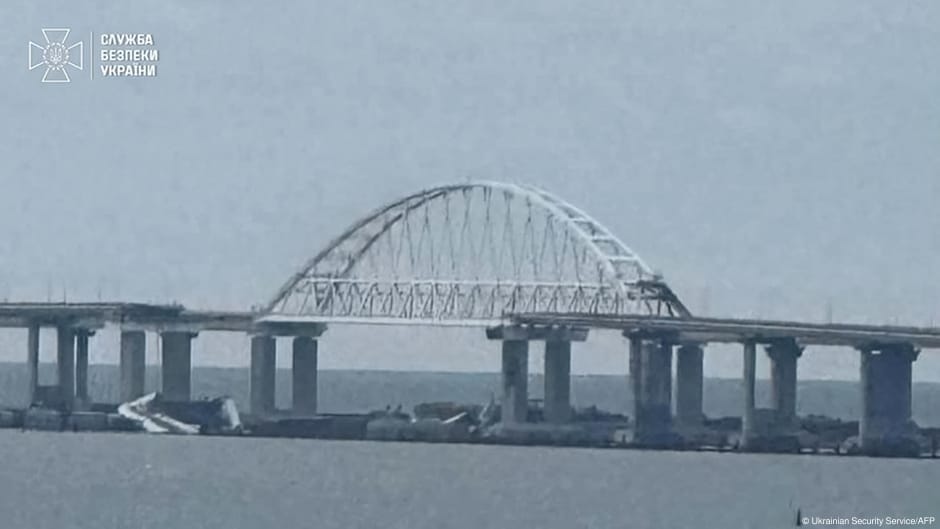
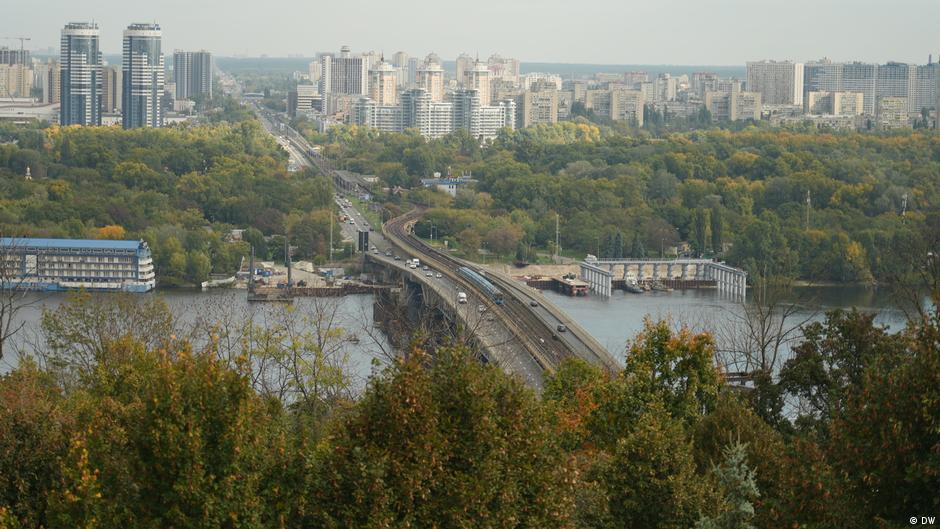
Zelensky says the Crimea Bridge will not survive, as severe damage threatens Russian logistics and creates a costly, uncertain reconstruction challenge.

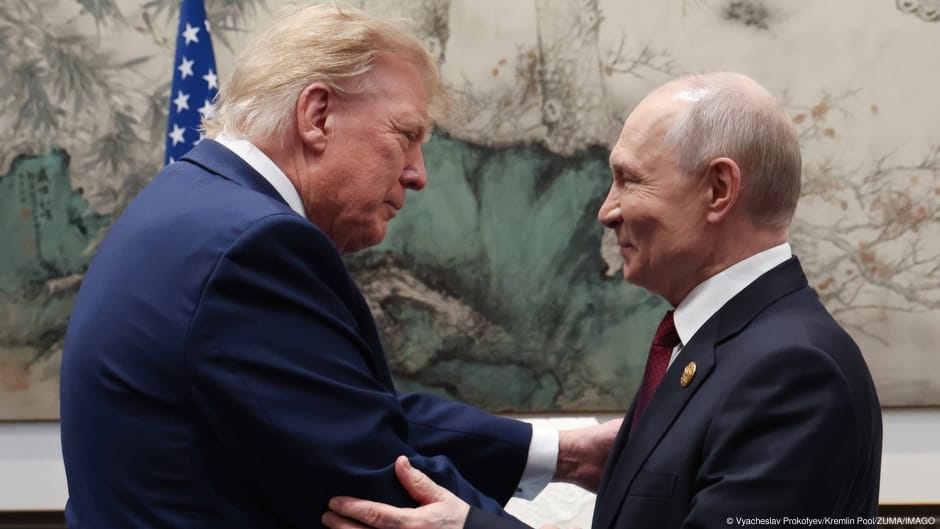
Trump backed Kyiv’s right to participate in decisions on the war as US, Chinese and Russian leaders opened a new but still inconclusive diplomatic channel.

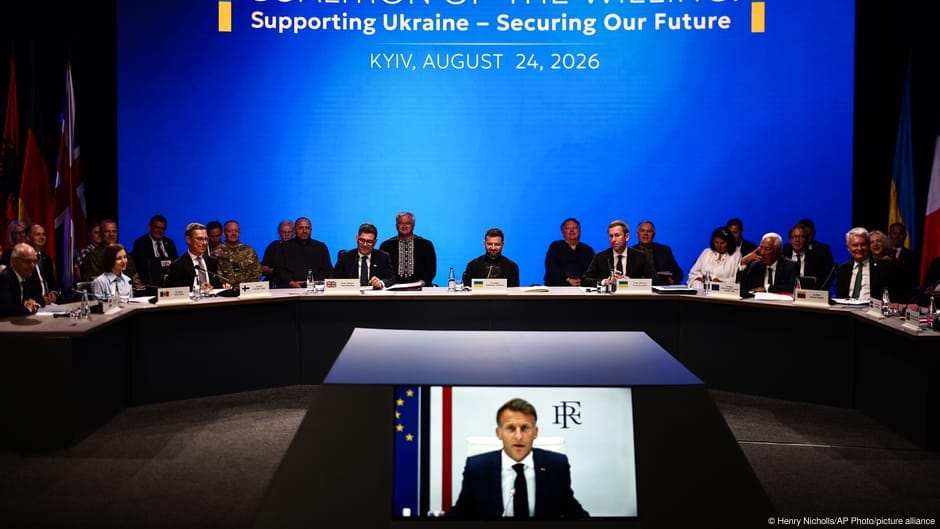
Kyiv wants a unified European position for potential talks with Russia while reviewing allied coalitions and seeking more energy and air-defense support.

Washington is bringing Europe into Ukraine peace talks, a shift with implications for regional security, public finances, investment and long-term economic risk.

Russia and Ukraine agreed to include European partners in the next peace talks, widening negotiations to cover postwar security as well as territorial issues.

Kyiv and Moscow discussed exchanging up to 3,000 prisoners as Abu Dhabi talks expanded toward energy, Black Sea security and possible leader-level negotiations.

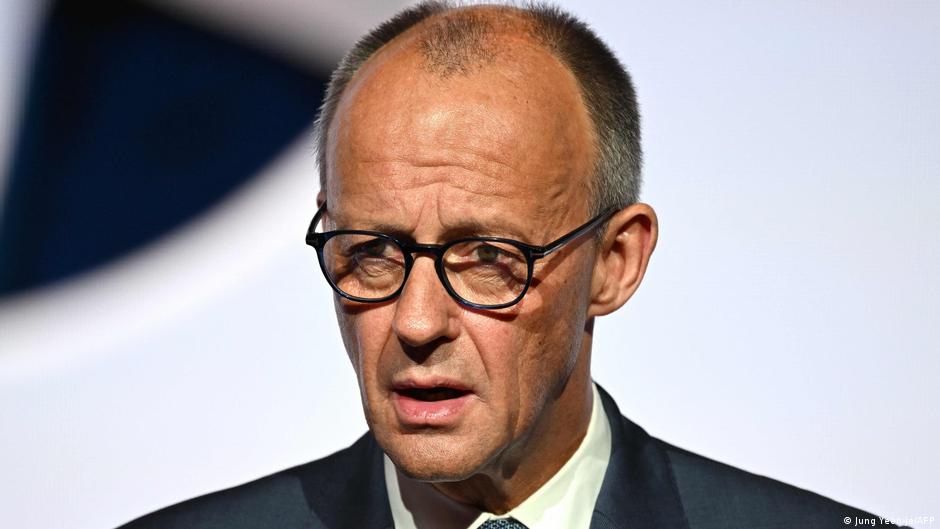
Germany is linking agreement on a €45 billion EU contribution for Ukraine to progress on other financial decisions and the bloc’s next long-term budget.

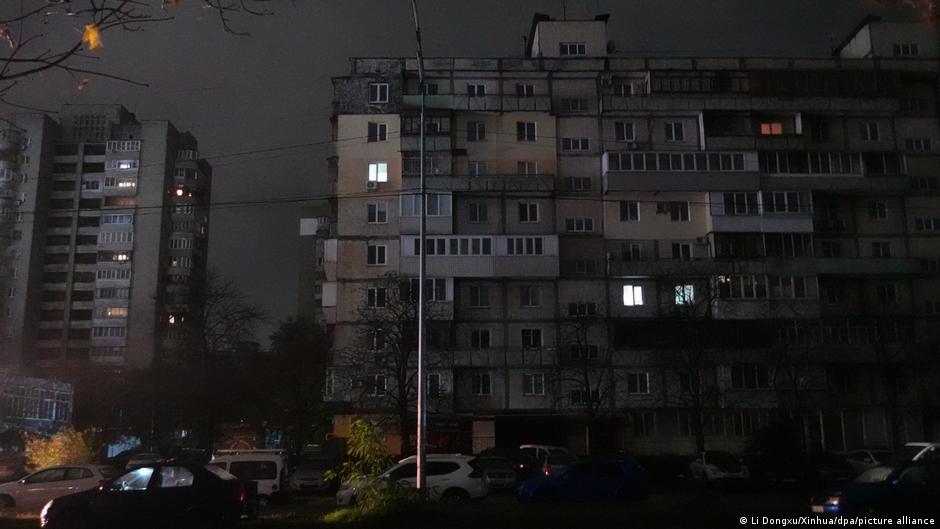
The dispute over Kyiv’s outages reveals how grid damage and strained coordination could magnify the economic costs of Russia’s attacks on Ukrainian energy infrastructure.

Zelensky expects Democratic control of Congress to bring stronger US financial and military support for Ukraine and closer coordination with Europe.

US-mediated Russia-Ukraine talks in Abu Dhabi will link de-escalation and security guarantees with the long-term financing of Ukraine’s reconstruction.

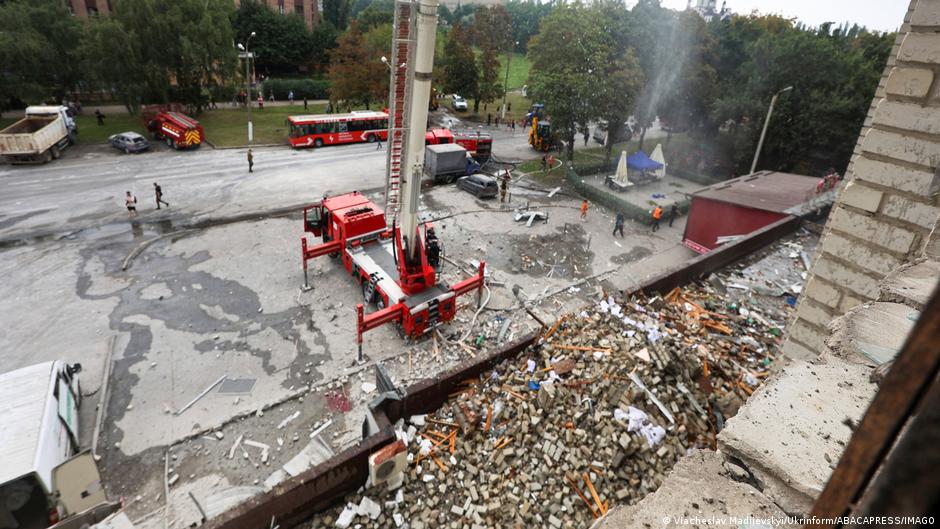
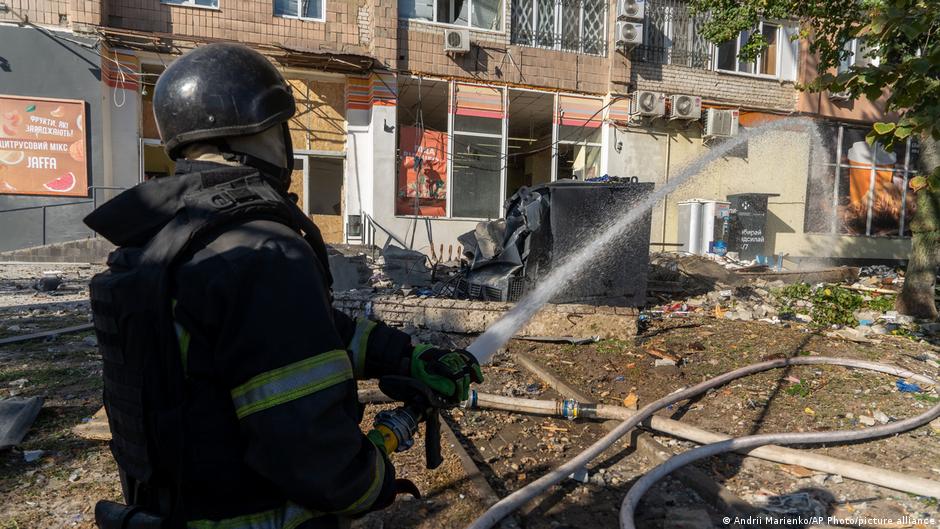
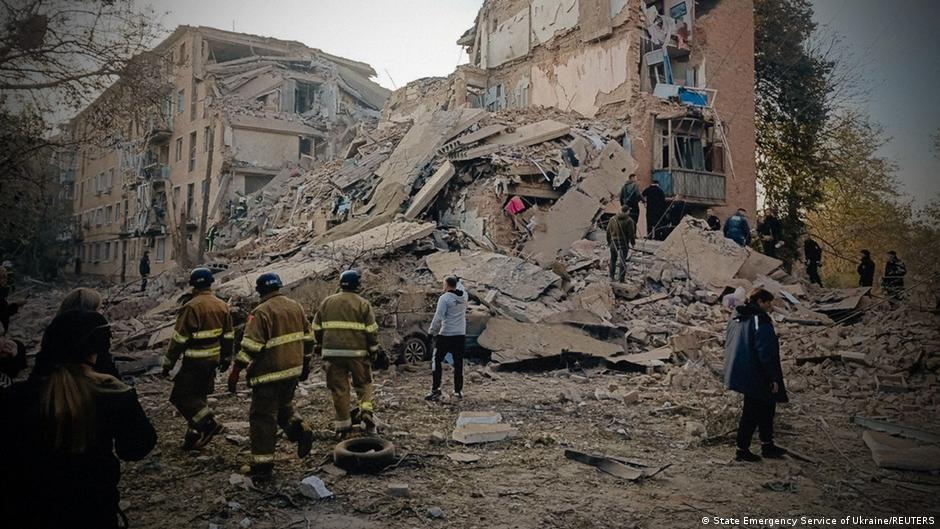
Russian strikes killed at least 20 people across Ukraine and damaged rail, warehouse, residential and industrial assets, intensifying economic pressures.

Ukraine’s reported refinery-strike pause shows how US electoral pressure, fuel prices and dependence on American technology are reshaping wartime strategy.

Britain and the Netherlands are combining winter defence assistance with loans, guarantees and multiyear funding for Ukraine’s reconstruction.

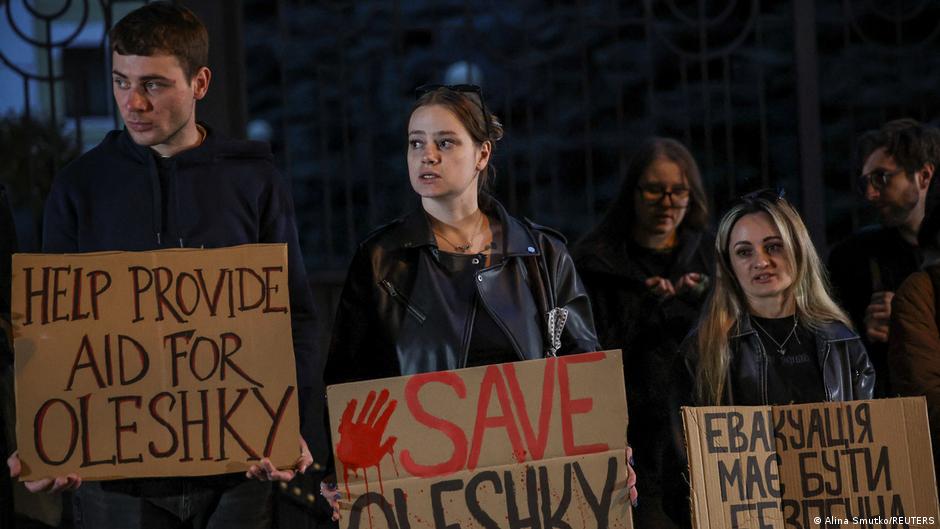
A temporary Oleshky ceasefire enables aid and evacuation preparations while exposing the infrastructure, demining and displacement costs facing southern Ukraine.

Ukraine says Starshield speed limits remain in force, exposing strategic and economic risks tied to private infrastructure and delayed allied support.

The US, Ukraine and Russia may meet in Abu Dhabi or Switzerland as negotiators seek a path toward leader-level talks and a postwar security framework.

Trump says SpaceX restored Starlink access in Ukraine, highlighting the strategic risks of relying on privately controlled wartime infrastructure.

Putin backed US-mediated talks with Kyiv but rejected freezing the current front, leaving territorial disputes and war-related economic uncertainty unresolved.

Trump has postponed sweeping Russia-linked tariffs, citing Ukraine negotiations, Moscow’s limited support for Iran and risks to global diesel markets.

A reported US peace proposal linking renewed Russian gas sales to an end to the Ukraine war challenges Europe’s energy phaseout and security strategy.

EU states agreed to open internal market and competitiveness accession clusters for Ukraine and Moldova, deepening economic integration talks.

Trump said Putin is more interested than Zelensky in a Ukraine peace deal as Kyiv urged U.S. pressure over an energy ceasefire.

Washington’s reported threat to block a Ukraine arms channel highlights the growing economic stakes of energy infrastructure strikes.

The EU plans new funding for Ukrainian drones and missiles as leaders prepare to discuss Kyiv’s financing needs and long-term support.

Zelensky warned that easing Russian diesel export limits without de-escalation would strengthen Moscow and risk prolonging the war.

Ukraine will discuss a new U.S.-linked peace proposal as Kyiv urges tougher sanctions on Russia and broader Starlink access.

Kyiv’s mayor urged temporary departures for residents with options elsewhere as intensified Russian strikes threaten water, heating and transport systems.

Ukraine says 28 people were killed in a Russian missile and drone barrage, renewing Kyiv’s warning that oil revenues and weak sanctions prolong the war.

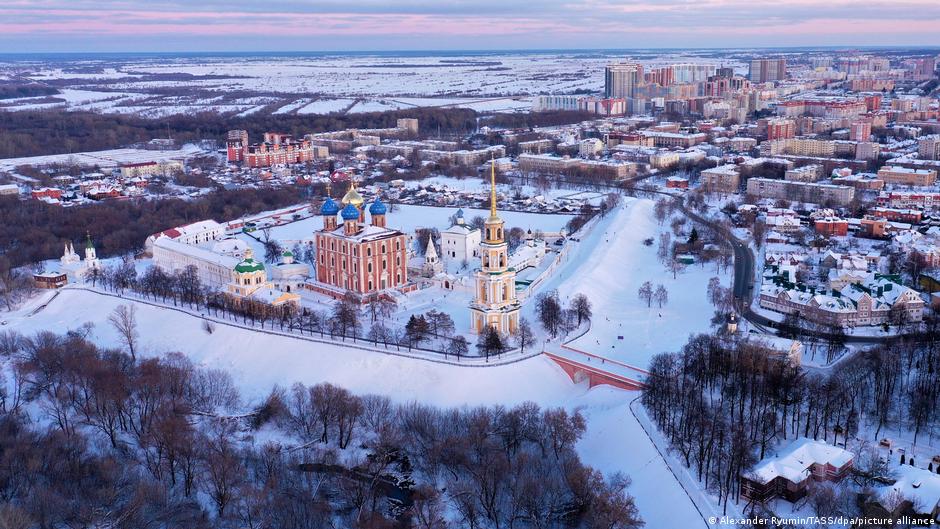
A reported fire at a sanctioned Ryazan machine-tool plant hosting a Yandex data center highlights infrastructure risks in wartime economies.

Western contingency plans to move embassies from Kyiv point to rising concern over Ukraine’s winter energy resilience and economic stability.

The EU declined to accelerate part of a €90 billion Ukraine loan, seeking wider partner support and reforms as Kyiv faces large funding gaps.

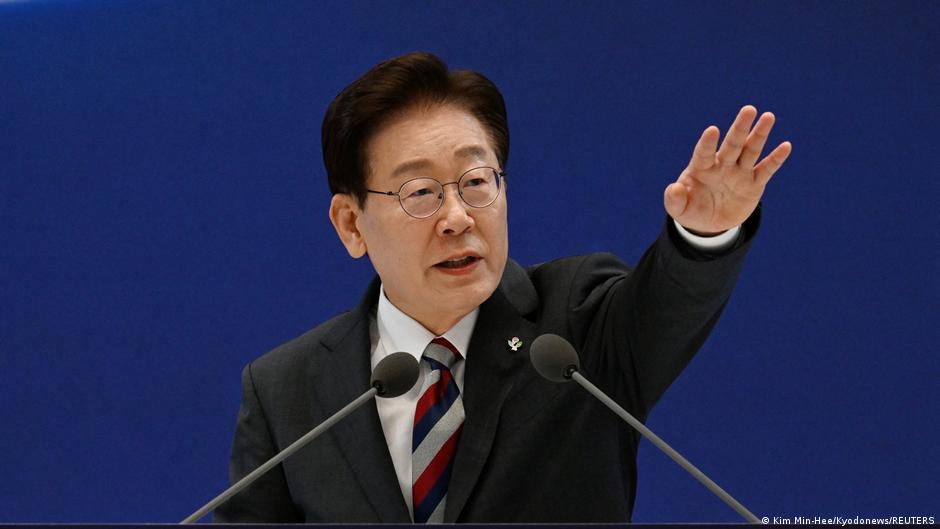
Seoul’s dispute with Kyiv over two North Korean prisoners raises risks for Ukraine support, defense policy and Northeast Asian stability.

Zelensky says North Korea plans to send about 10,000 more troops to Russia, deepening concerns over Moscow-Pyongyang cooperation.

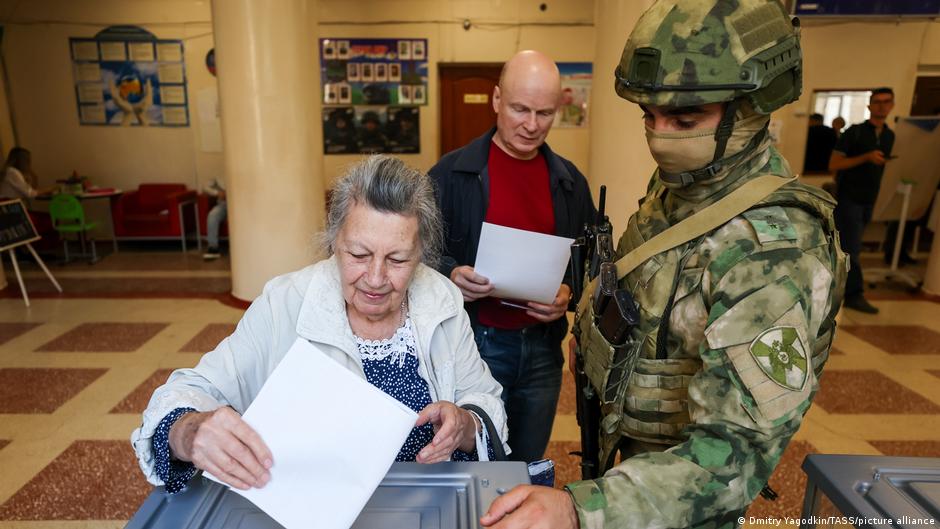
Ukraine sanctioned 44 people linked to Russian Duma voting in occupied regions, as the EU signals readiness for similar measures.

Kyiv denied that Trump proposed Moscow talks for Zelensky as U.S. diplomacy focuses on energy strikes and rising diesel prices.

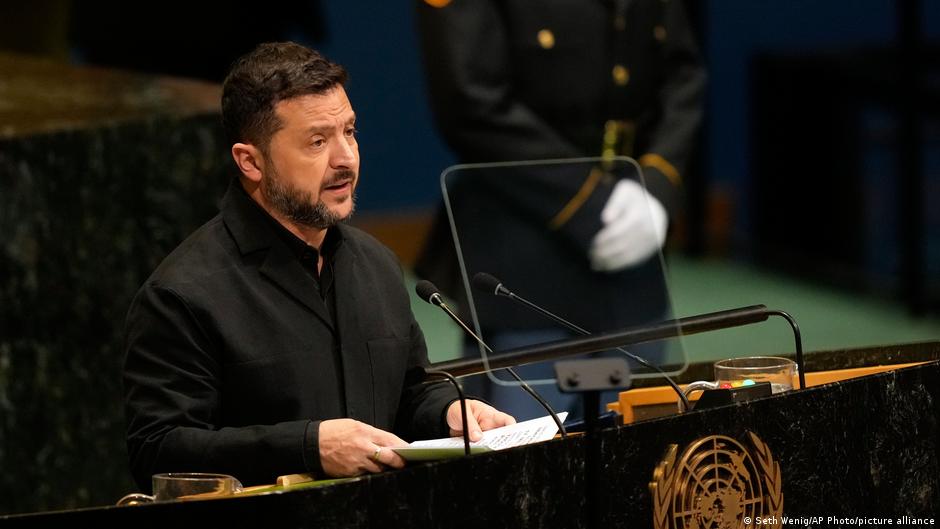
Zelenskyy used his UN address to link Russia’s war to energy revenues, global instability, AI risks and the long-term economic costs of conflict.

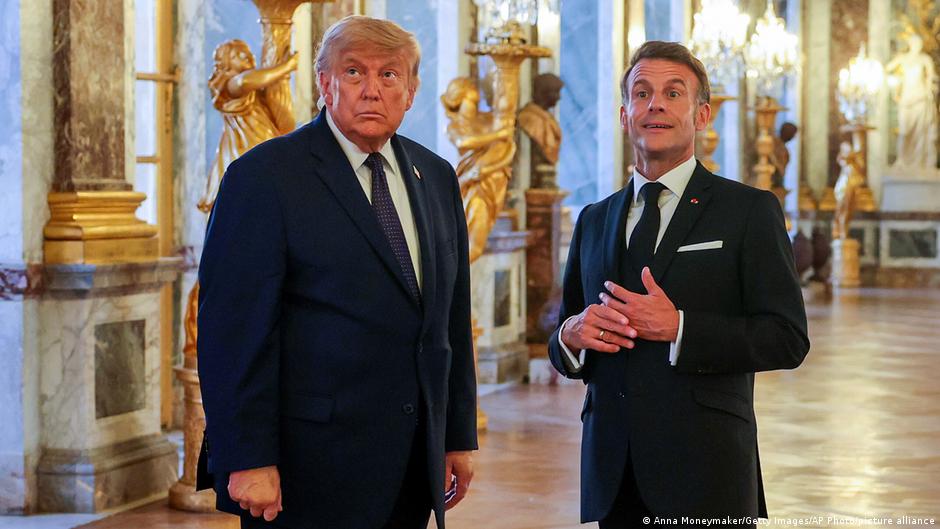
Macron and Trump discussed a moratorium on strikes against Ukraine’s energy and civilian infrastructure and stronger air defenses for Kyiv.

Trump signed the Graham sanctions law, giving the U.S. broad tariff powers over major buyers of Russian energy and sanctions evasion networks.

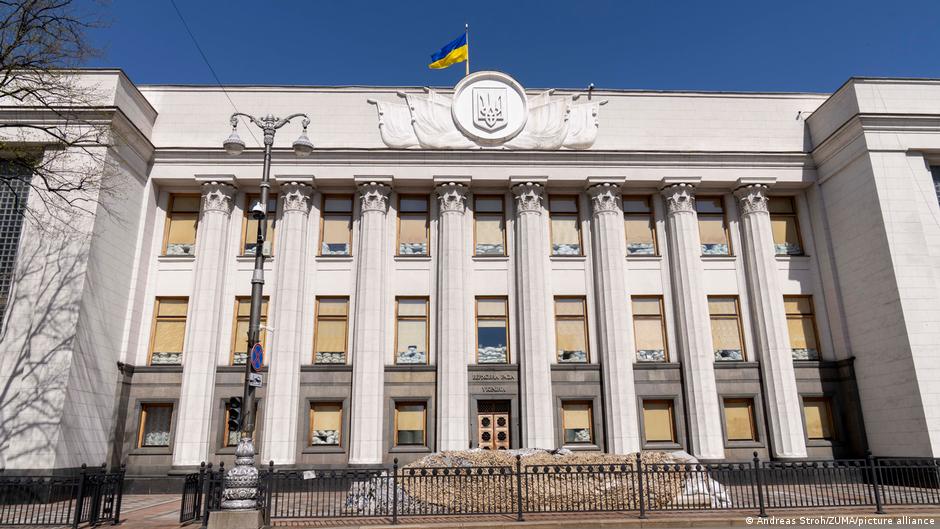
Ukraine’s parliament will consider seven difficult bills tied to Western financing as Kyiv seeks to close a major defense budget gap.

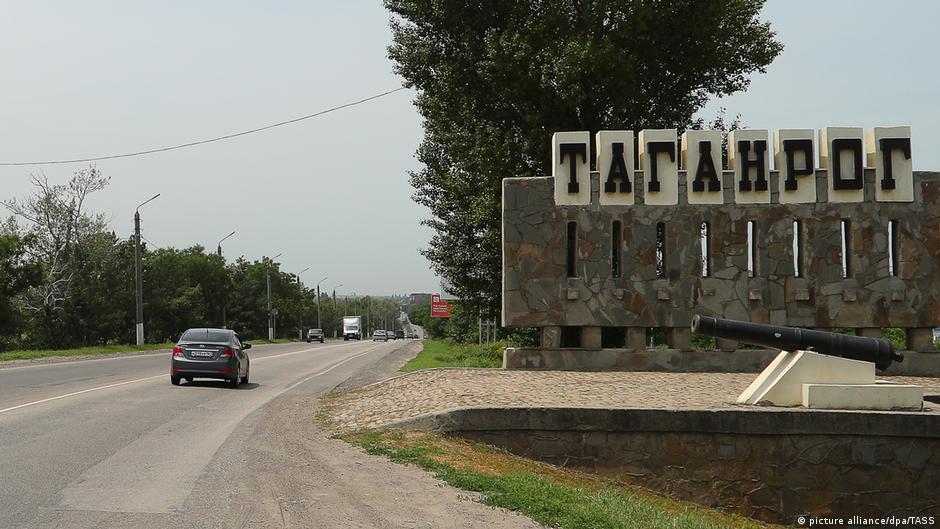
Strikes on Syzran refinery and Taganrog sites show how the war’s economic pressure is extending into Russia’s energy and industrial infrastructure.

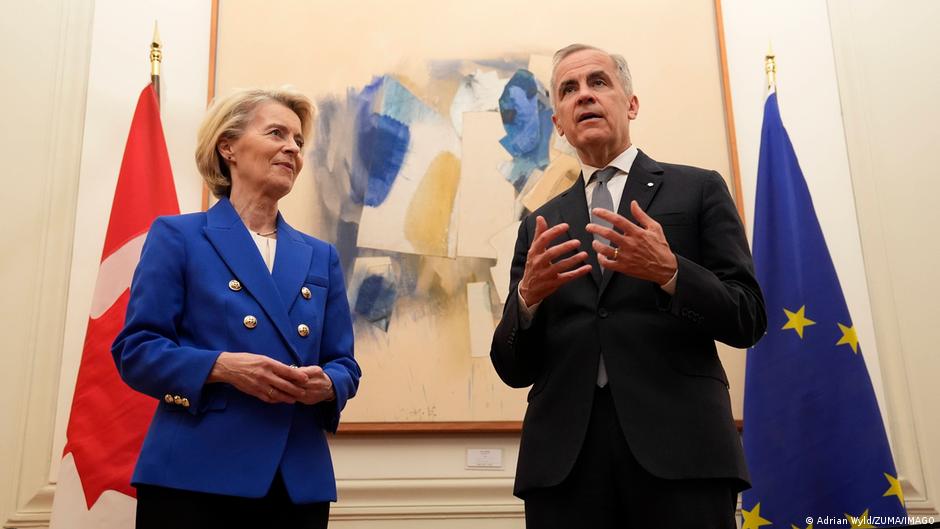
Canada is in talks to join the EU’s €90 billion Ukraine loan as Ottawa seeks deeper ties with Europe and less dependence on the United States.

Belarus plans wider army readiness checks, including mobilization preparedness, as Ukraine warns of continued regional security risks.

Zelensky expects late-September US talks on food and energy security as Ukraine warns of Black Sea export disruption and infrastructure attacks.

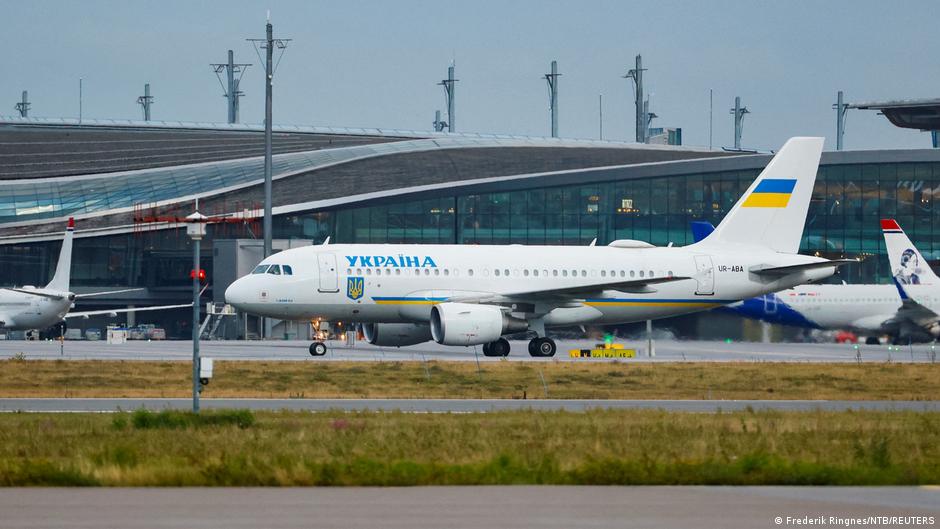
A drone threat in Moldovan airspace delayed Zelenskyy’s flight to Oslo, highlighting wider economic risks from regional security spillovers.

Germany’s foreign minister says Berlin’s defense industry should benefit from Ukraine support, tying aid policy to taxpayer and industrial interests.

Russian drone and missile strikes hit Kyiv and nearby industrial sites as Ukraine and Russia signal openness to a possible trilateral talks format.

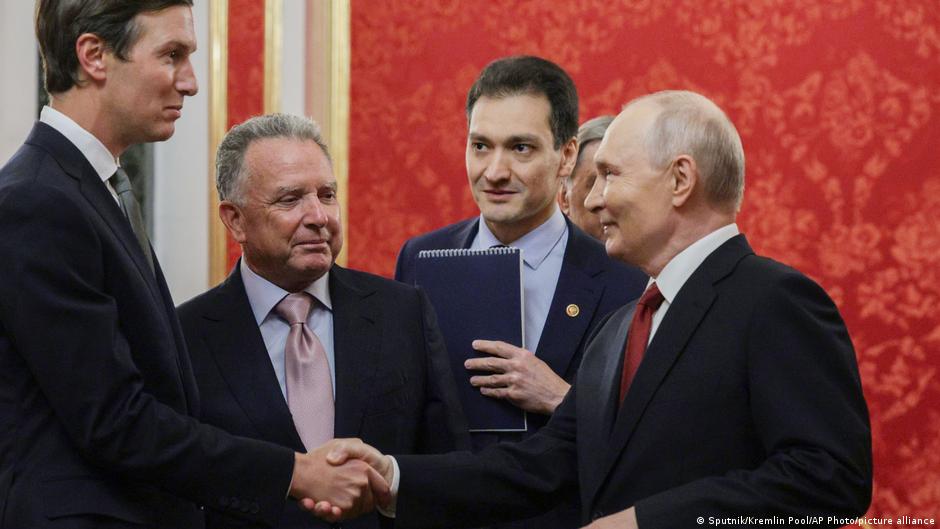
U.S. envoys discussed concrete Ukraine peace plans with Putin before Kyiv talks, raising major questions for sanctions, security and markets.