Zelensky Seeks Expanded US Support After Democratic Congress Victory
Ukraine’s president says stronger US financial and military backing could reinforce transatlantic ties and influence Moscow’s calculations.
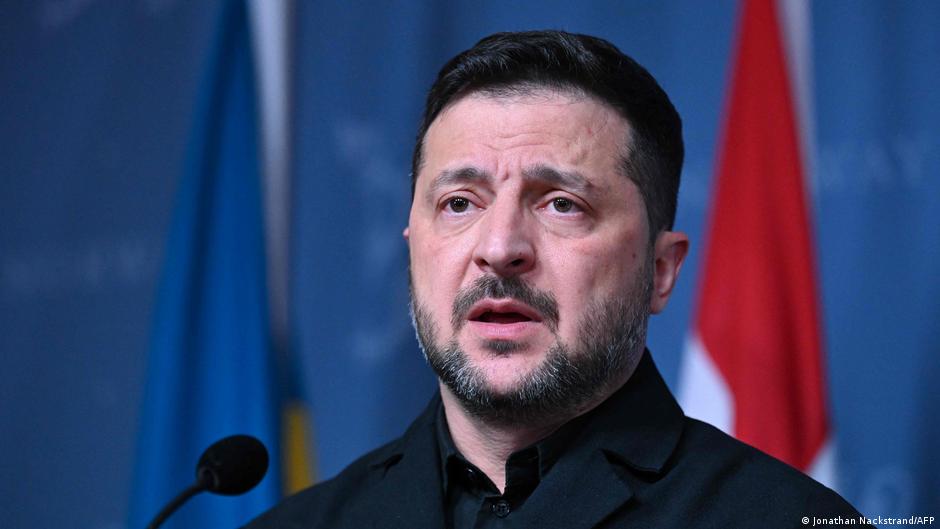
Ukrainian President Volodymyr Zelensky has expressed hope that Kyiv will receive greater financial and military support from Washington following the Democratic Party’s victory in the US midterm elections.
In an interview with German broadcaster ZDF on Wednesday, November 4, Zelensky said the election result could strengthen Ukraine’s ability to rely on the United States as it seeks additional weapons and financial assistance. The outcome, as described by the Ukrainian leader, gave Democrats majorities in both the Senate and the House of Representatives.
For senior economic and policy decision-makers, the central issue is whether the new congressional balance will translate into larger, more predictable commitments to Ukraine. Sustained US financing could affect Ukraine’s fiscal resilience, the scale of European burden-sharing and the broader trajectory of transatlantic economic policy.
Transatlantic coordination moves into focus
Zelensky said Democrats support an “ обновление связей между США и Европой,” or a renewal of ties between the United States and Europe. In his assessment, stronger congressional backing for Ukraine could bring US policy closer to the support currently provided and demonstrated by European countries.
Substantial US financial assistance and weapons deliveries, aligned with European support, would be a positive factor and could influence Russian President Vladimir Putin, Zelensky said.
The statement presents aid not only as an immediate instrument of Ukrainian defense but also as part of a wider effort to coordinate US and European policy. If congressional support produces substantial appropriations and weapons commitments, it could give Kyiv greater visibility over future resources while enabling European governments to plan their own contributions within a more stable transatlantic framework.
That coordination has wider macroeconomic relevance. Financial assistance can help a country under wartime pressure meet public obligations and preserve essential state functions, while military support can alter expectations about the duration and direction of a conflict. For Europe, US participation may also shape national debates over how fiscal resources are divided among defense, humanitarian assistance and domestic priorities.
Zelensky’s argument rests on deterrence as well as funding. He suggested that a Congress prepared to provide significant assistance could affect Putin’s calculations. From an economic perspective, credible long-term commitments may influence expectations surrounding geopolitical risk, future reconstruction needs and the persistence of conflict-related disruption. The source does not specify the size, timing or structure of any prospective US package, however, and Zelensky’s comments express an expectation rather than a confirmed policy decision.
Long-term consequences depend on policy execution
The election result may create political conditions for greater support, but congressional majorities alone do not determine the eventual scale of aid. The economic impact will depend on the legislation adopted, the balance between financial and military assistance, and the extent to which Washington coordinates implementation with European capitals.
For Ukraine, predictable financial support would be especially important because short-term or fragmented commitments can complicate public budgeting and longer-range planning. For the United States and Europe, sustained assistance would represent a continuing allocation of fiscal and industrial capacity to Ukraine. Weapons deliveries also carry implications for defense production and procurement, although Zelensky did not provide details about the systems sought or the amounts required.
The broader policy signal is that Kyiv views renewed US-European ties as a strategic asset. More closely aligned support could reduce uncertainty about the durability of Western assistance and demonstrate political cohesion. Conversely, any gap between electoral expectations and enacted policy could weaken that signal and make planning more difficult for Ukraine and its partners.
Humanitarian diplomacy accompanies aid appeal
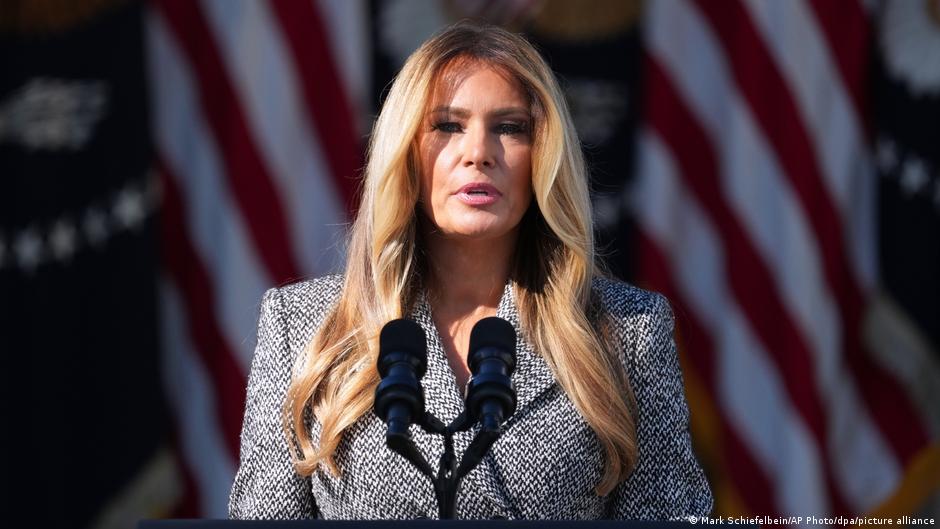
On the same day, the official website of the Ukrainian president published a decree awarding US first lady Melania Trump the Order of Princess Olga, First Class, a Ukrainian national honor. The award recognized her role in reaching an agreement on a temporary ceasefire in the Russian-occupied city of Oleshky, known in Russian as Alyoshki, in the Kherson region.
The decree cited Melania Trump’s “significant personal contribution” to humanitarian support for Ukraine, as well as her active work in human rights protection and charity. She had previously spoken repeatedly in support of Ukrainian children.
The award adds a humanitarian dimension to Zelensky’s effort to maintain high-level US engagement. While separate from congressional decisions on funding and arms, such diplomacy underscores Kyiv’s attempt to sustain support across political and institutional channels. For economic policymakers, the immediate question remains whether the post-election Congress will convert political alignment into durable commitments capable of shaping Ukraine’s finances, European policy coordination and Russia’s strategic assessment over the longer term.