Ukraine Says Starlink Speed Limits Persist Despite Trump’s Assurance
The dispute highlights the economic and security risks created when critical wartime infrastructure depends on private technology providers.

Ukraine says speed restrictions affecting the Starshield military communications service remain in place, despite US President Donald Trump’s statement that SpaceX had restored full Ukrainian access to the Starlink satellite network.
Ukrainian President Volodymyr Zelensky said the service had not returned to normal during a video address to the Hudson Institute, a conservative US think tank, on Friday, October 23. “The speed has not been restored,” he said.
The conflicting accounts raise broader questions about the governance of privately operated infrastructure that has become essential to national defense, public-sector resilience and wartime economic activity. For senior policymakers and business leaders, the episode demonstrates how operational decisions by a technology provider can affect logistics, military capacity and the use of public resources without the transparency normally expected of state-controlled infrastructure.
Connectivity Dispute Exposes Strategic Dependence
Ukraine uses Starshield, described as Starlink’s military package of satellite communications services. Zelensky’s adviser, Serhii Beskrestnov, said connection speeds may in some cases rise slightly above the imposed limit. He cautioned, however, that such variations could result from SpaceX algorithms or particular operating conditions rather than the removal of the restriction.
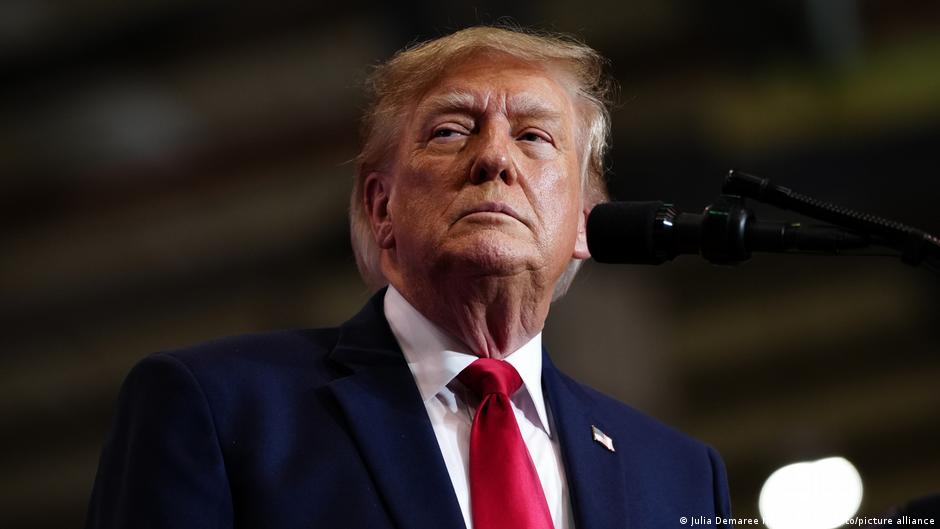
Trump said a day earlier that SpaceX had restored Ukraine’s full access to Starlink. He did not answer a question about who had ordered the removal of restrictions observed in Ukraine since October 14. Both Trump and SpaceX founder Elon Musk had previously denied that either of them instructed the company to slow the service.
The lack of clarity over whether the restrictions were imposed, lifted or merely fluctuating underscores a policy challenge for governments procuring commercially supplied strategic systems. Satellite connectivity can be deployed faster than conventional communications infrastructure and may remain available when terrestrial networks are damaged. Yet dependence on a single private operator can introduce uncertainty over service levels, accountability and continuity.
Those risks extend beyond immediate military operations. In prolonged conflicts, communications performance can influence the movement of personnel and equipment, the protection of productive assets and the functioning of supply networks. Disruptions may also force governments to divert scarce fiscal resources toward alternative systems or emergency redundancy, adding to the economic burden of war.
Operational Delays Carry Wider Economic Costs
The Ukrainian military uses Starshield in part to guide unmanned aerial vehicles during attacks on targets in territories occupied by Russia during its war against Ukraine. Zelensky has previously said Starlink disruptions slow frontline logistics and restrict drone operations.
For Ukraine’s economy, any loss of operational efficiency may deepen pressures already created by sustained attacks, infrastructure damage and the continuing demands of national defense. The dispute also has implications for allied governments, which must assess whether procurement contracts and regulatory frameworks provide sufficient guarantees when commercial technologies perform sovereign or military functions.
“The speed has not been restored,” Zelensky said.
The episode could strengthen the case for greater communications redundancy, clearer service obligations and more formal oversight of private suppliers whose systems have strategic importance. It also illustrates the growing overlap between technology policy, defense planning and macroeconomic resilience: a technical restriction on network speed can translate into slower logistics, reduced operational flexibility and higher replacement costs.
Interceptor Deliveries Remain Delayed
Zelensky also said deliveries of interceptor missiles intended to protect Ukrainian territory from Russian ballistic missiles were delayed, despite an earlier agreement. He described the delay as an immediate security problem because Russian attacks continue with high frequency.
“We are waiting for the interceptors that were already agreed upon. But they still have not arrived. This is a real problem because the Russians attack us almost every day,” Zelensky said.
Delayed air-defense supplies can have long-term economic consequences when they leave energy facilities, transport networks, industrial sites and urban areas more exposed. Persistent risk can deter investment, raise insurance and reconstruction costs, and complicate planning for businesses and public authorities. The combination of constrained satellite communications and delayed interceptor deliveries therefore points to a larger issue: the economic consequences of uncertainty in external support.
Ukraine’s armed forces nevertheless continue to maintain their defense, Zelensky said. “I am proud of how strong our people are,” he added.
For Ukraine and its partners, the immediate questions concern the restoration of communications performance and the arrival of agreed military supplies. Over the longer term, the dispute highlights the need to treat digital connectivity, air defense and supply reliability as components of economic security as well as military capability. Resilience increasingly depends not only on the availability of advanced systems, but also on predictable access, enforceable commitments and diversified providers.