Ukraine Pauses Russian Refinery Strikes as US Election Risks Mount
The reported 30-day pause underscores how US electoral pressures, energy prices and strategic dependencies are reshaping wartime policy.
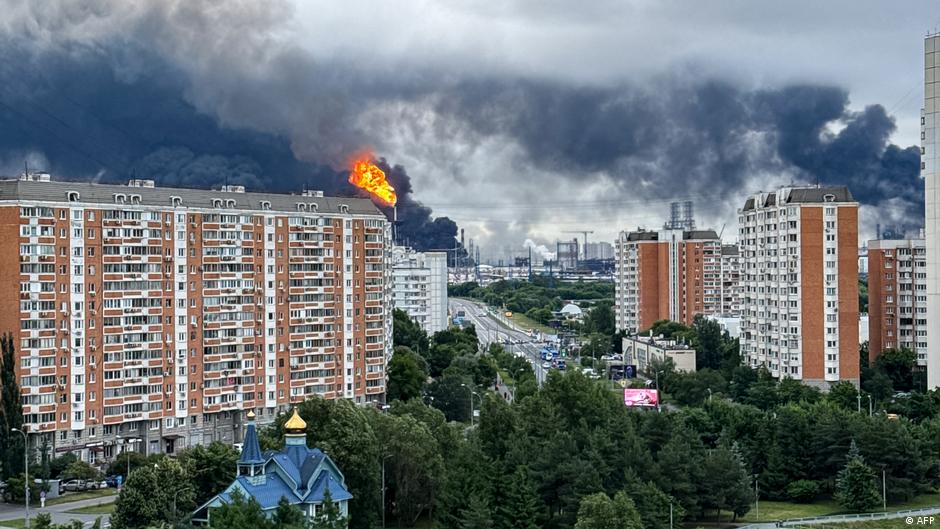
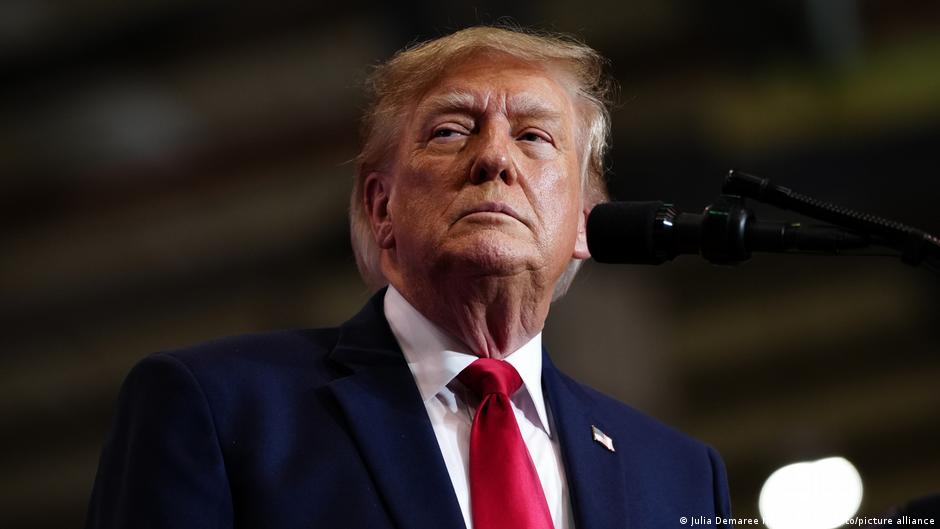
Ukraine has informally suspended strikes on Russian oil refineries following weeks of pressure from US President Donald Trump, The Wall Street Journal reported on Thursday, October 29, citing people familiar with the matter. The pause illustrates how energy-market concerns and the US political calendar are influencing decisions with consequences for the war, global fuel costs and the economic resilience of both Russia and Ukraine.
According to the report, the halt began early last week, when tensions between Kyiv and Washington were at their highest. It is expected to remain in place through the US midterm elections on November 3 and could extend further into November. Ukraine has not officially announced any suspension.
The immediate political calculation centers on fuel prices. Republican candidates reportedly feared that elevated prices could damage their prospects in the midterms. Trump has blamed Ukrainian attacks on Russian refineries for high global fuel costs, although energy experts cited in the article attribute those prices primarily to the US-Israeli war against Iran. His administration also eased sanctions affecting Russian diesel fuel in an effort to reduce pressure on American farmers and other consumers.
Energy Security Meets Electoral Policy
The refinery issue was raised directly during talks in Oslo on October 20. Two anonymous US officials told the newspaper that Jared Kushner, Trump’s son-in-law, joined by video a meeting involving US special envoy Steve Witkoff, Ukrainian President Volodymyr Zelensky and European delegations.
Kushner said that he and Witkoff were spending substantial “time, energy and jet fuel” negotiating with Moscow over conditions for ending the war in Ukraine. A 30-day suspension of Ukrainian refinery attacks, he reportedly suggested, could allow Kyiv to demonstrate its gratitude.
For economic policymakers, the reported pause links three normally separate domains: battlefield strategy, global refined-fuel supply and domestic US electoral risk.
Ukraine’s room for maneuver remains constrained by its reliance on US-controlled or US-supplied capabilities. The country depends on SpaceX’s Starlink satellite communications service, American intelligence and interceptor missiles for Patriot air-defense systems. Those dependencies have left Kyiv vulnerable to pressure from Washington even after Trump, who returned to the White House last year, ended most US military and financial assistance.
The day after the Oslo meeting, Trump called SpaceX chief Elon Musk and asked him to restore Starlink service for Ukraine, according to the report. Sources said the Starlink issue and the refinery-strike discussions were not connected. Nevertheless, service disruptions and the increasingly heated rhetoric between Trump and Zelensky alarmed some of Kyiv’s strongest European supporters.
One European official said European governments also advised Zelensky to refrain from attacking Russian refineries until the US midterms were over. This indicates that concern about Washington’s political reaction has spread beyond bilateral US-Ukrainian relations and into Europe’s management of its own security exposure.
Long-Term Costs of Strategic Dependence
The pause carries competing economic risks. Reducing attacks may ease fears of further disruption to Russian refining capacity and refined-product supply, potentially limiting upward pressure on international fuel prices. At the same time, it allows Russian energy infrastructure to operate with less immediate disruption, preserving an important component of the country’s wartime economy.
Kyiv is seeking a reciprocal benefit. Zelensky has said that, in exchange for refraining from refinery attacks, Ukraine wants stronger protection for its own energy infrastructure. Russia, meanwhile, continues to increase the intensity of missile and drone attacks on Ukrainian energy facilities and cities, while the number of civilian casualties rises.
Two unnamed military officials said Ukrainian units responsible for long-range strikes were told in mid-October that the refinery operation was “effectively on pause” once missions already under way had been completed. Another source said Ukrainian Defense Minister Yevhen Khmara told Zelensky that the military had concluded it was preferable to avoid refinery strikes because of the delicate diplomatic situation.
Zelensky agreed, according to that account, but emphasized that the armed forces could resume attacks if they considered them necessary. Speaking to reporters in Kyiv on October 28, he described recent operational restraint without confirming a formal prohibition.
“Our guys have tried to be more careful in recent days. But they have no order” not to strike refineries, Zelensky said.
For senior decision-makers, the episode demonstrates the growing economic leverage embedded in digital infrastructure, intelligence sharing and air-defense supply chains. It also shows how short-term electoral incentives in a major allied country can alter the strategic choices of a government at war. Even if the pause proves temporary, it may strengthen the case in Kyiv and European capitals for reducing reliance on individual US technologies and policy decisions.
The broader consequence is a more explicitly transactional model of wartime support. Access to communications, intelligence and defensive weapons can be used to influence operations that affect commodity markets and domestic inflation. That linkage may help stabilize fuel prices in the near term, but it also introduces political uncertainty into energy security, alliance planning and investment decisions across Europe.