Former German Foreign Minister Annalena Baerbock to Join Columbia University Faculty in New York
After concluding her term as UN General Assembly President, Baerbock will co-direct a global leadership public administration program at Columbia.
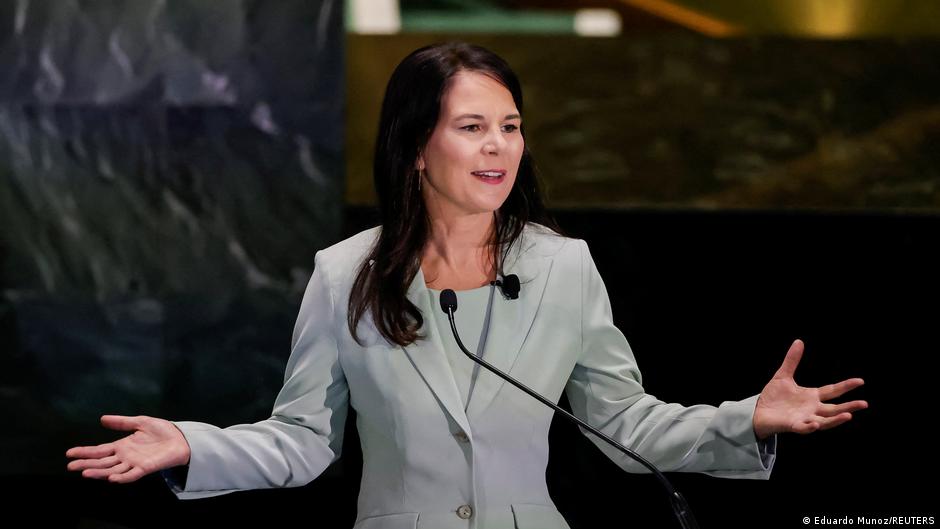
Announced on August 24, former German Foreign Minister Annalena Baerbock will transition to academia by taking a faculty position at Columbia University in New York following the completion of her one-year term as President of the United Nations General Assembly (UNGA).
Baerbock, a prominent member of the German Green Party (Alliance 90/The Greens), is set to become co-director of the Master of Public Administration in Global Leadership program housed within Columbia's School of International and Public Affairs (SIPA). This role is characterized as a practice-oriented professorship rather than a traditional research chair, reflecting an emphasis on applied policy education and leadership training.
Shifting from Global Diplomacy to Academic Leadership
Her collaboration with Columbia University is structured as a three-year appointment during which she will also serve as a visiting lecturer and public speaker. Baerbock’s appointment highlights a growing trend of senior policymakers moving into influential academic roles that shape future global leaders and policymakers.
Since assuming the UNGA presidency in September 2025, Baerbock has expressed appreciation for New York's cultural diversity, describing it as a source of personal relief and inspiration amid her global responsibilities. Though she initially did not wish to leave New York, UN regulations and the customary regional rotation of the General Assembly presidency preclude serving more than a single term.
In early September, Baerbock will hand over the UNGA presidency to Abdulla Shahid from Bangladesh, who, like Baerbock, previously served as his country’s foreign minister.
"I appreciate the opportunity to immerse myself in the diversity of New York—a city that offers both personal relief and a unique vantage point on global affairs," Baerbock remarked during her tenure.
Implications for Global Leadership and Policy Influence
Baerbock’s move underscores a broader pattern wherein experienced diplomats and political leaders leverage academic platforms to influence policy discourse and cultivate leadership skills among international cohorts. This pathway, exemplified previously by figures such as Joschka Fischer—another German Green Party politician and former foreign minister who taught at Princeton after his political career—demonstrates how academic institutions serve as critical nodes in the global governance ecosystem.
Fischer’s post-political career combined academia with consultancy roles in energy and infrastructure projects, indicating the multifaceted impact such leaders can have beyond traditional government roles. Baerbock’s upcoming professorship is expected to bring practical insights from her frontline diplomatic experience, particularly in navigating complex multilateral institutions like the UN.
For policymakers and economic strategists observing these transitions, Baerbock’s appointment may signal an increasing intertwining of international diplomacy, policy education, and leadership development. This convergence is pivotal for shaping responses to global challenges such as climate change, geopolitical tensions, and economic globalization.
In summary, Annalena Baerbock’s forthcoming academic role at Columbia University represents a strategic continuation of her influence on global governance, extending her impact from diplomatic arenas to shaping the next generation of international leaders.