EU Divisions Emerge Over Entry Ban on Russian Combatants Amid Broader Sanctions Debate
France and Italy express concerns that barring Russian war participants from the EU could inadvertently restrict access for all Russian citizens.
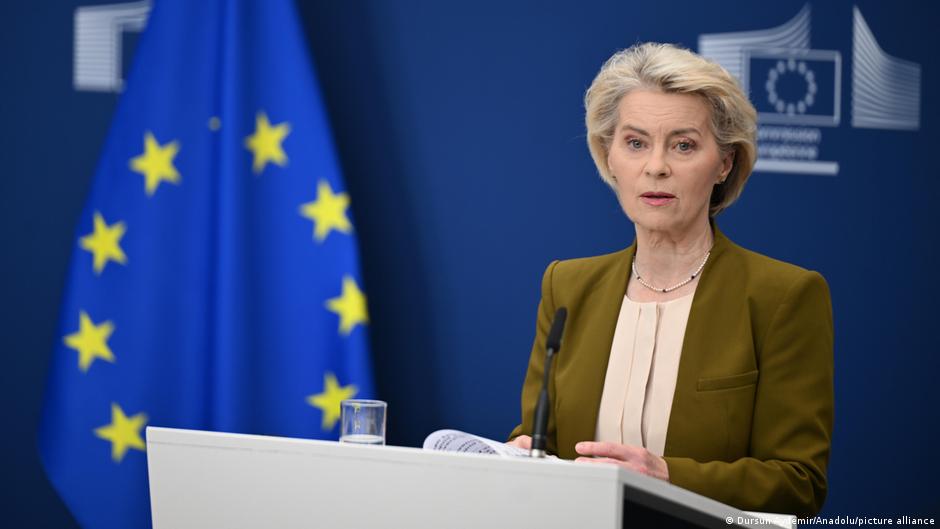
The European Union is poised to implement its 21st package of sanctions against Russia, including a proposed ban on entry to the bloc for Russian individuals involved in the ongoing conflict in Ukraine. However, key member states France and Italy have voiced reservations about the proposal, highlighting potential unintended consequences and enforcement challenges.
Concerns Over Implementation and Broader Implications
According to sources familiar with discussions, Paris and Rome do not oppose denying entry to Russian military personnel who have actively participated in the war against Ukraine. Yet, they worry that the current language of the measure could lead to a de facto travel ban on the entire Russian populace, which would have far-reaching diplomatic and economic repercussions.
One of the primary concerns stems from the complexity of verifying individual involvement in combat activities. The responsibility for determining who qualifies as a combatant would fall on national authorities across EU member states, a task that is both administratively burdensome and potentially inconsistent. Such fragmentation in enforcement might generate legal ambiguities and diplomatic tensions.
"Europe remains closed to all who took part in the invasion of Ukraine," European Commission President Ursula von der Leyen declared, emphasizing the EU's commitment to tightening restrictions.
This entry ban is part of a broader EU strategy aimed at exerting maximum pressure on Moscow to compel it toward negotiations, especially given recent improvements in the Ukrainian military situation on the front lines.
Broader Economic and Policy Implications
The entry restrictions on Russian combatants are just one element of the comprehensive 21st sanctions package, which also targets energy, finance, trade, and for the first time, fisheries. The EU is attempting to close loopholes in previous sanctions and ensure tighter controls on revenue streams fueling Russia’s war efforts.
However, observers note that enforcing measures such as the proposed price cap on Russian oil may prove challenging in the current high-price environment. Ensuring compliance across global markets demands robust coordination and monitoring mechanisms, and any lapses could undermine the efficacy of sanctions.
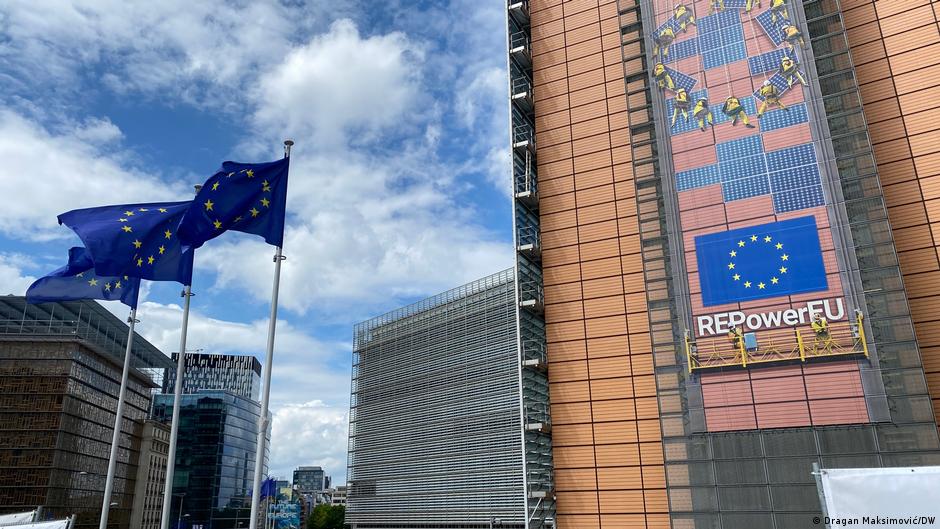
The EU’s unanimous approval is required for the sanctions to take effect, and divergent views among member states like Italy and France underscore the delicate balancing act Brussels faces. The bloc must weigh the strategic necessity of pressuring Russia against risks to intra-EU cohesion and unintended economic fallout.
Long-Term Consequences for EU-Russia Relations
These developments signal a more complex phase in EU-Russia relations, where sanctions are simultaneously deepening and becoming more nuanced in their application. The ongoing debate in EU capitals reflects not only geopolitical calculations but also concerns about migration, trade, and the treatment of Russian citizens abroad.
For senior decision-makers, the key takeaway is the importance of clear, enforceable policies that minimize collateral impacts while sustaining pressure on Russia. As the EU navigates these challenges, the broader economic and diplomatic landscape will require careful monitoring to anticipate shifts in global trade patterns, energy markets, and geopolitical alliances.