Council of Europe Assembly Criticizes Democratic Backsliding in Georgia Amidst Political Tensions
PACE urges Georgian authorities to halt opposition persecution and ensure free democratic elections, highlighting risks to regional stability and governance.
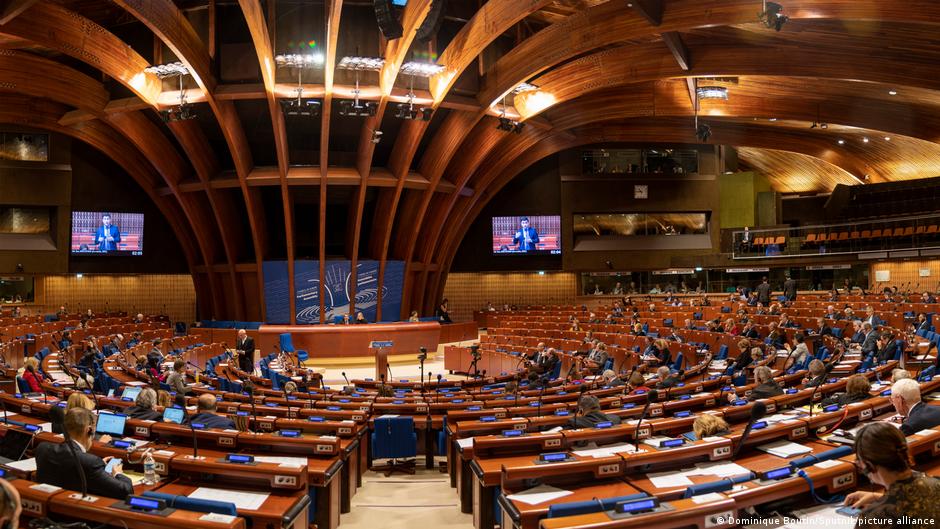
The Parliamentary Assembly of the Council of Europe (PACE) has adopted a resolution sharply criticizing the recent decline in democratic standards in Georgia. The resolution, approved on June 24, calls on Georgian authorities to cease persecution of the political opposition, revoke several repressive laws, and create conditions for free and democratic elections.
Implications for Governance and Regional Stability
The resolution passed with 83 votes in favor, 5 against, and 4 abstentions. It expresses deep concern over the ongoing democratic backsliding in Georgia, evidenced by the suppression of civil society, political opposition, and dissenting voices despite previous resolutions and recommendations.
"The Assembly calls on Georgian authorities to end the persecution of opposition leaders, repeal repressive legislation, and ensure the conditions for free and democratic elections," the resolution states.
Membership in the Council of Europe entails certain non-negotiable commitments, including adherence to democratic norms. The resolution highlights that recent reforms affecting academic freedom and transnational repression of journalists undermine these commitments.
PACE also urges thorough investigations into reported incidents of police violence during demonstrations and emphasizes the need for Tbilisi to comply with rulings from the European Court of Human Rights (ECHR) and recommendations from the Organization for Security and Co-operation in Europe (OSCE).
Despite the sharp critique, the Assembly reaffirms its commitment to dialogue aimed at restoring democratic principles in Georgia, signaling a willingness to engage constructively with Georgian authorities.
Political Reactions and Wider Economic Considerations
The resolution has triggered strong reactions from Georgian leadership. The Speaker of the Georgian Parliament, Shalva Papuashvili, condemned the resolution as "anti-Georgian," asserting that PACE and the European Parliament do not recognize Georgia's sovereignty. He argued that PACE ignored the will of the Georgian people expressed in the 2024 parliamentary elections, which saw the ruling Georgian Dream party elected. This disagreement led Georgia's delegation to suspend its membership in PACE about 18 months ago.
From a macroeconomic perspective, Georgia's democratic trajectory is critical for its long-term economic stability and integration into European markets. Political instability and perceived governance weaknesses risk undermining investor confidence, slowing foreign direct investment inflows, and hampering reforms essential for sustainable growth.
Furthermore, Georgia's strategic location as a transit corridor between Europe and Asia amplifies the regional economic impact of its political developments. Continued democratic backsliding could jeopardize ongoing international partnerships and development assistance, complicating efforts to strengthen economic resilience.
International observers note that maintaining democratic governance structures is integral not only for political legitimacy but also for ensuring robust institutions that underpin effective economic policymaking and the rule of law.
Conclusion
PACE's resolution marks a significant intervention highlighting concerns over Georgia's democratic health, with potential ripple effects across the region's political and economic landscape. For senior decision-makers and policymakers, Georgia's path forward underscores the intricate linkages between governance quality, geopolitical alignment, and economic prospects.