Drone Attack Sparks Fire at Poltava Oil Depot Near Krasnodar Amid Broader Strikes in Crimea
Ukrainian drone strikes targeted critical fuel and energy infrastructure in southern Russia, signaling shifts in regional conflict dynamics and energy security risks.
In the early hours of June 25, a significant fire broke out at the Poltava oil depot in Krasnodar Krai's Krasnoarmeysky district following an attack involving unmanned aerial vehicles (UAVs), according to local authorities. The fire reportedly ignited after debris from a downed drone fell onto the facility, which serves as a crucial fuel supply hub for parts of Krasnodar Krai and the Republic of Adygea.
Alexander Kharitonov, head of the district, noted that the incident necessitated temporarily closing the road connecting the Poltava settlement and the Trudobelikovsky hamlet. Local Telegram sources reported that three storage tanks caught fire during the strike. The depot houses approximately 28 storage tanks, underscoring its regional importance in maintaining fuel logistics.
Coordinated Drone Strikes Target Energy Infrastructure in Crimea
Simultaneously, multiple drone attacks were reported on occupied Crimean Peninsula infrastructure, including the Balaklava and Tavricheskaya thermal power stations (TPS), as well as a significant explosion near the Kacha airfield. These strikes have caused brief electricity outages in cities such as Simferopol, Yalta, and areas near Evpatoria. Eyewitness reports indicate that several explosions occurred within Simferopol itself. Energy targets in Sevastopol were also reportedly hit by drone attacks, further highlighting the strategic nature of these operations.
"The Poltava oil depot is a regional fuel infrastructure facility supplying parts of Krasnodar Krai and the Republic of Adygea," noted local observers, emphasizing the attack's potential to disrupt regional energy stability.
These coordinated strikes reflect a tactical escalation in the ongoing conflict, focusing on critical infrastructure to exert pressure on Russian-controlled territories.
Implications for Regional Security and Energy Supply
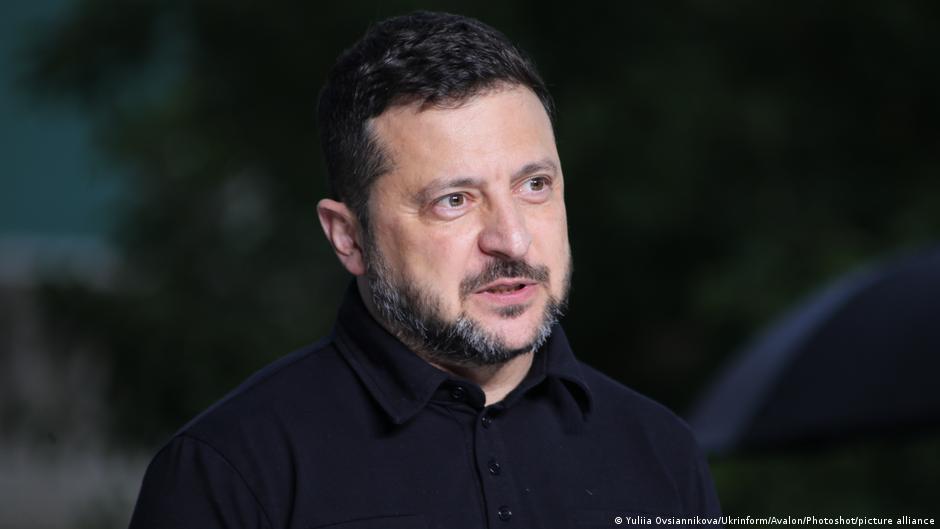
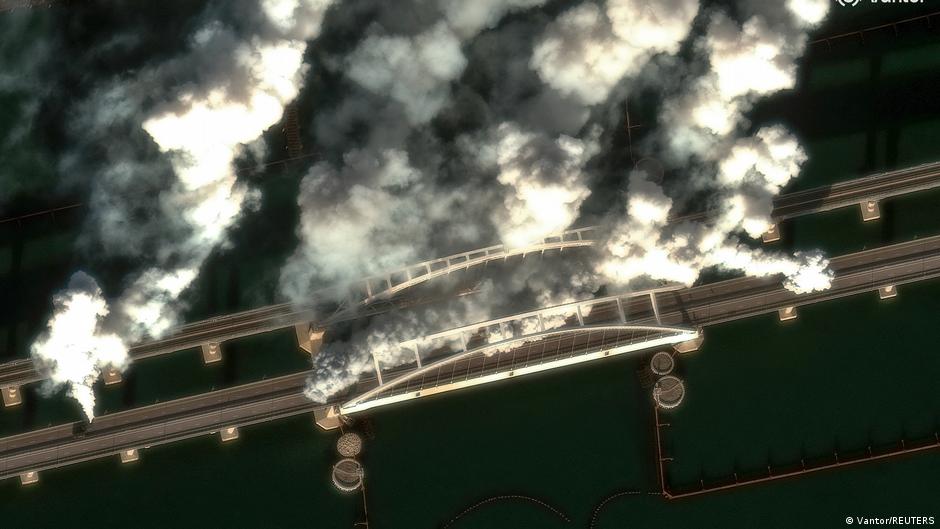
Ukrainian President Volodymyr Zelensky, in a public address on June 24, confirmed that Ukraine's operations in Crimea are meticulously planned. He suggested that with the support discussed among G7 partners, Ukraine could compel Russia toward peace negotiations, though specific assistance was not detailed. Zelensky also noted that Russia is reallocating air defense assets to Moscow and near the Crimean Bridge, potentially weakening defenses in other regions.
This redeployment may increase vulnerabilities across various parts of southern Russia, raising the stakes for energy infrastructure security and regional stability. The strikes on fuel and energy assets could have ripple effects on fuel supply chains and electricity availability, impacting both civilian populations and industrial operations.
Given the strategic targeting of critical infrastructure, these events may prompt a reassessment of energy security policies and military postures in the region by both Russian authorities and international stakeholders. The disruption to fuel supplies in Krasnodar Krai and energy grids in Crimea illustrates the growing interconnection between military conflict and economic vulnerabilities in contested territories.