Finland Lifts Ban on Nuclear Weapons Import Amid Shifting Security Landscape
Finland amends atomic energy law to allow nuclear weapons import as part of strategic deterrence aligned with NATO membership.
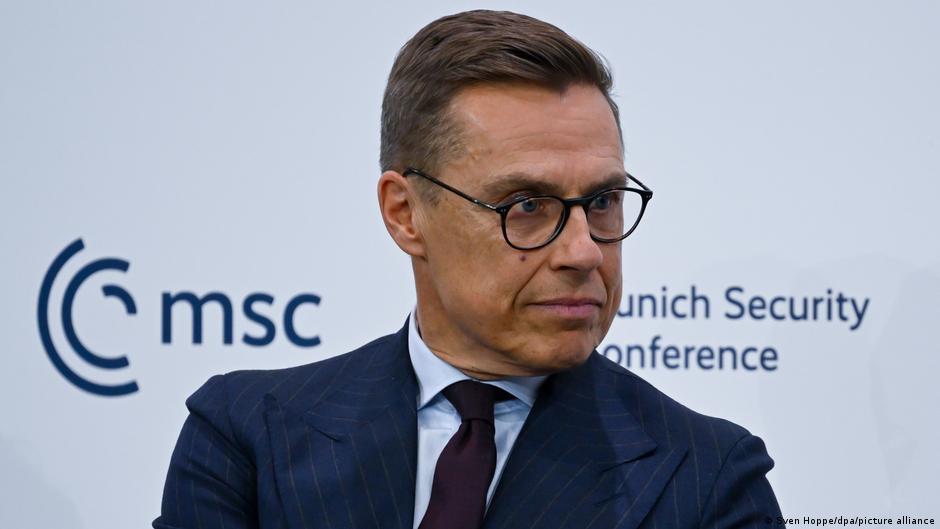
In a significant policy shift marking Finland's evolving security posture, the Finnish President Alexander Stubb has signed amendments to the Atomic Energy Act, effectively lifting the longstanding prohibition on the import and storage of nuclear weapons within the country. These legislative changes will take effect on July 1.
The Finnish Parliament ratified the amendments on March 17 with a decisive majority of 125 votes to 61, reflecting broad parliamentary support. The move underscores Finland’s strategic recalibration amid heightened regional tensions and its recent accession to the North Atlantic Treaty Organization (NATO).
Strategic Deterrence and Regional Security Implications
Defense Minister Antti Häkkänen described the reform as “historic,” emphasizing that it strengthens the security framework of both Finland and NATO at large. President Stubb clarified that Finland does not intend to station nuclear weapons on its territory during peacetime. Instead, the policy is focused on nuclear deterrence — a preventive measure to ensure such weapons would never need to be deployed.
“This is about nuclear deterrence — a factor designed to guarantee that nuclear weapons would never have to be used,” stated President Stubb.
The lifting of the ban represents a strategic response to the increasingly complex security environment in Northern Europe. Following Russia’s full-scale military invasion of Ukraine in early 2022, Finland’s security calculus has undergone a profound transformation, culminating in its NATO membership in April 2023. With a shared border exceeding 1,300 kilometers, Finland’s defense policies are critical to regional stability.
Despite Russia’s explicit warnings of "retaliatory measures" should nuclear weapons be deployed on Finnish soil, Finnish officials maintain preparedness for such eventualities. Defense Minister Häkkänen underscored that the legislative changes may reduce the risk of Finland becoming a direct target of Russian military actions by bolstering deterrence.
This policy evolution complements Finland’s broader defense strategy, which earlier included a formal withdrawal from the Ottawa Treaty banning the production and use of anti-personnel mines. Citing deteriorating global security conditions and citing Russia’s non-participation and use of landmines, President Stubb justified this exit as necessary for national security.
Long-term Economic and Geopolitical Consequences
From a macroeconomic perspective, Finland’s legislative amendments and NATO integration signal a decisive shift in defense expenditure priorities and international alignments. Enhanced military readiness and infrastructural investments will likely influence Finland’s public budgets and economic policies in the long term.
Furthermore, Finland’s move has implications for EU security dynamics and transatlantic relations. It reiterates the evolving nature of European defense architectures, prompting both cooperation and strategic recalibration among neighboring countries.
In May 2026, President Stubb called for Europe to engage in a direct dialogue with Russia, acknowledging the complexity of the geopolitical environment and the necessity for diplomatic engagement despite rising tensions.
Overall, Finland’s policy shift highlights the intersection of national security priorities and broader geopolitical trends. It exemplifies how states adjust legislative and defense frameworks in response to perceived threats, alliance commitments, and the imperatives of deterrence.