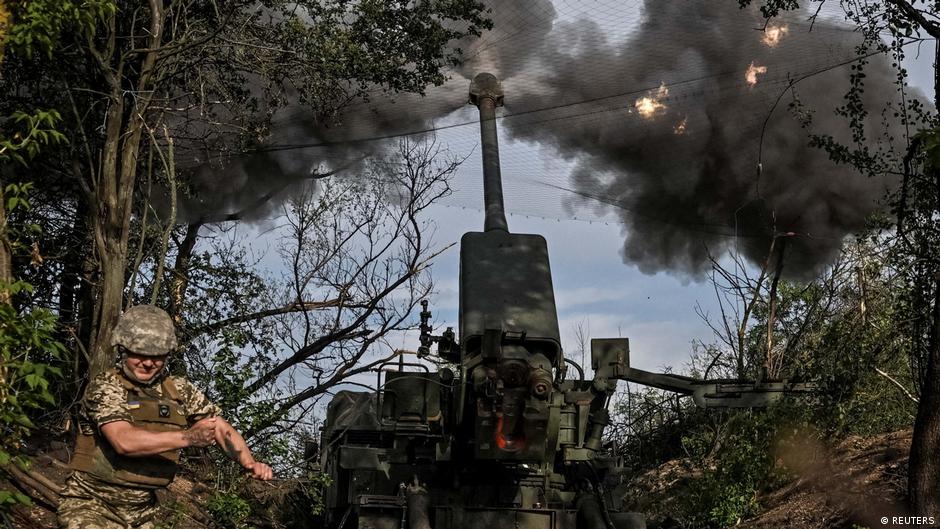
US Military Strikes Iranian Targets Amid Rising Tensions in Strait of Hormuz
US forces launched strikes on Iranian military infrastructure in response to attacks on commercial shipping, escalating tensions in a key global oil transit route.
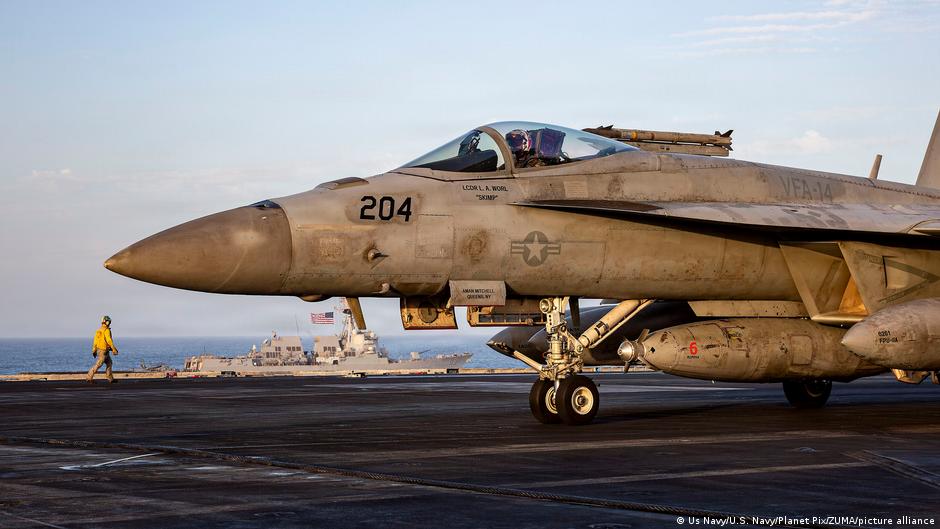
On June 27, US military forces conducted airstrikes targeting Iranian military observation posts, communications systems, air defense installations, drone storage facilities, and mine-laying assets. The strikes were a direct response to ongoing Iranian aggression against commercial shipping vessels navigating the strategically vital Strait of Hormuz.
The US Central Command (CENTCOM) stated that the action followed a series of Iranian attacks on merchant ships, including the drone kamikaze strike on the Panama-flagged oil tanker Kiku, which was transporting over two million barrels of crude oil. This incident took place near the Strait of Hormuz, a critical chokepoint through which approximately 20% of global petroleum passes.
Geopolitical and Economic Implications
The strikes underscore the fragile security environment in the Persian Gulf region, where maritime transit remains vulnerable to military confrontations. Despite a ceasefire agreement signed on June 17 intended to de-escalate hostilities and ensure safe navigation, Iranian forces have continued offensive operations, undermining regional stability and threatening global energy markets.
"The US forces maintain vigilance, readiness, and the capability to apply force to ensure the free flow of commerce through the Strait of Hormuz," CENTCOM affirmed.
Concurrently, Iranian Revolutionary Guard Corps (IRGC) forces have struck military targets in Kuwait and Bahrain, claiming these were retaliatory attacks against US installations in the region. These developments exacerbate geopolitical tensions and raise the risk of a broader conflict that could disrupt global energy supplies and economic stability.
Both Washington and Tehran have accused each other of violating the ceasefire, raising questions about the durability of diplomatic efforts. US President Donald Trump emphasized the seriousness of the situation, warning that continued Iranian provocations may compel the US to adopt a more forceful military stance, which could lead to the collapse of the Islamic Republic of Iran.
The Strait of Hormuz remains a critical artery for global energy trade; any disruption could have significant long-term economic consequences, including spikes in oil prices, increased volatility in energy markets, and broader impacts on global inflation and growth trajectories.
Policy Considerations for Global Stakeholders
Senior policymakers must closely monitor the evolving security dynamics as instability in the Gulf region threatens to undermine the global economic recovery amid fragile post-pandemic conditions. Strategic navigation of US-Iran relations will be pivotal in maintaining open shipping lanes and avoiding escalation.
Economic ramifications extend beyond energy markets: heightened regional tensions can disrupt supply chains, increase insurance costs for maritime transport, and cause shifts in international investment patterns. Coordinated diplomatic engagement and contingency planning are essential to mitigate these risks.