G7 Nations Announce New Sanctions on Russian Energy and Enhanced Military Aid to Ukraine
G7 leaders commit to intensify economic pressure on Russia and bolster Ukraine’s defense capabilities amid shifting geopolitical dynamics.
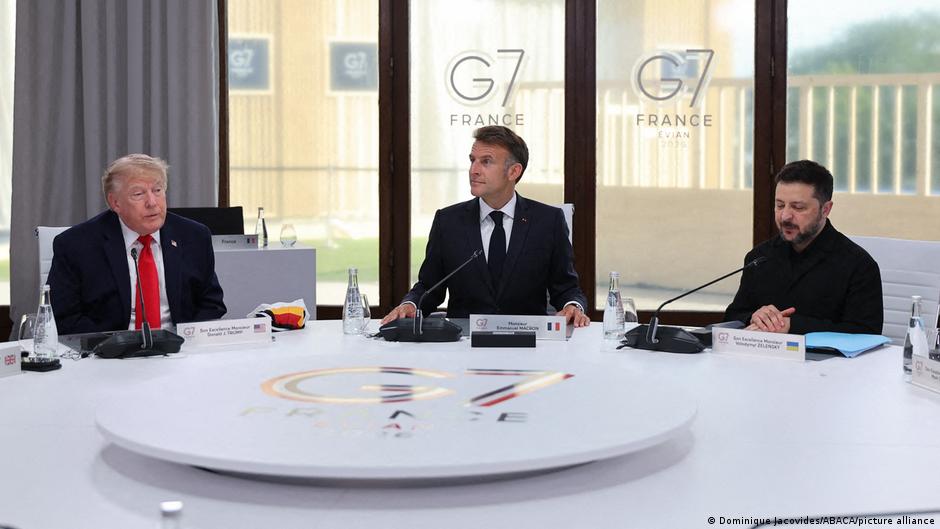
Following the recent summit in Évian-les-Bains, the Group of Seven (G7) countries unveiled plans to impose new sanctions targeting Russia's oil and gas sectors. This move is part of a broader strategy to escalate economic pressure on Moscow while simultaneously increasing military assistance to Ukraine in its ongoing conflict.
Strategic Economic Measures Amid Geopolitical Shifts
The G7 leaders, representing Germany, the United States, the United Kingdom, France, Italy, Japan, and Canada, released a joint statement underscoring their unified stance against Russia's military actions. They pledged to "strengthen pressure on Russia's military economy," with specific emphasis on enhancing sanctions affecting the Russian energy sector.
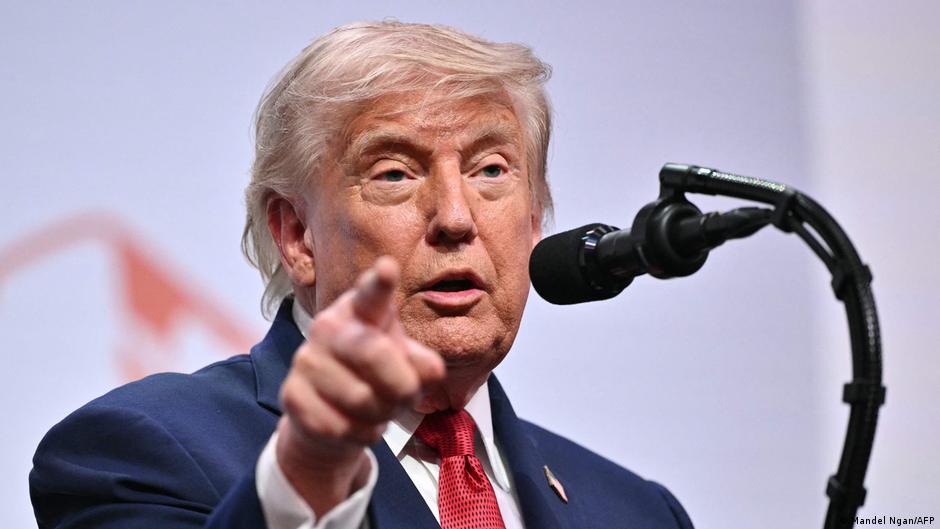
This timing aligns with recent developments, such as the agreement brokered by former US President Donald Trump with Iran to reopen the Strait of Hormuz—an essential maritime chokepoint through which significant volumes of oil and gas transit. The G7 views this as an opportune moment to implement stricter measures on Russian fossil fuel exports without severely disrupting global energy supplies.
"We are united in our unwavering support for Ukraine, which defends its freedom, sovereignty, and territorial integrity," the statement said, highlighting both solidarity and a recognition of a new dynamic on the battlefield.
Military Support and Energy Resilience for Ukraine
In addition to sanctions, the G7 countries committed to augmenting military aid to Ukraine, focusing on advanced air defense systems, interceptors, long-range weaponry, and other critical defense equipment. Leaders also indicated plans to consider licensing agreements aimed at expanding Ukraine's domestic military production capabilities.
This enhanced military support reflects the recent successes Ukraine has achieved in combat operations, signaling a shift in momentum that the G7 seeks to sustain and amplify.
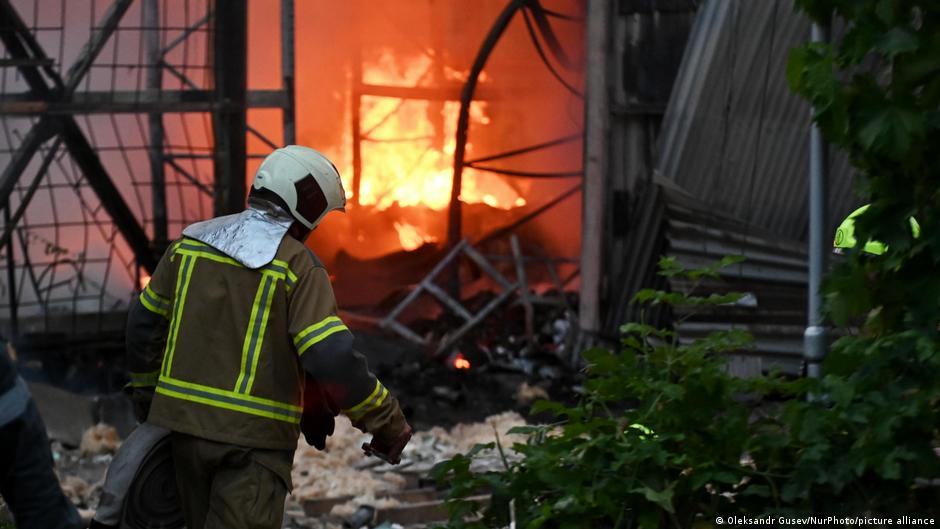
Recognizing Ukraine’s vulnerability to energy disruptions—particularly with the approaching winter—the G7 also vowed to continue their assistance in energy sector support. This commitment aims to bolster Ukraine’s energy infrastructure resilience, enabling the country to better withstand potential disruptions during colder months.
Global Economic and Policy Implications
The G7's coordinated approach to imposing new sanctions and increasing military aid signals a significant policy shift with far-reaching economic consequences. By targeting Russia's primary revenue streams from hydrocarbons, the bloc intends to constrain Moscow's capacity to finance its military operations.
However, these measures also carry potential risks for global energy markets, given the interconnected nature of supply chains and geopolitical dependencies. The reopening of the Strait of Hormuz emerges as a mitigating factor, potentially easing global supply constraints that might otherwise have exacerbated energy price volatility.
From a macroeconomic perspective, the G7's strategy underscores a broader trend towards leveraging economic statecraft to achieve geopolitical objectives. It also reflects a recalibration of international alliances and economic policies in response to evolving security challenges.
As the conflict continues, closely monitoring the interplay between sanctions, military aid, and energy markets will be critical for policymakers and economic stakeholders globally.