Water Levels Plunge at Belgorod Reservoir After Ukrainian Strikes, Raising Regional Economic Concerns
Following targeted attacks on the Belgorod Reservoir dam by Ukrainian forces, uncontrolled water discharge has resulted in severe depletion of the reservoir, impacting local infrastructure and economic stability.
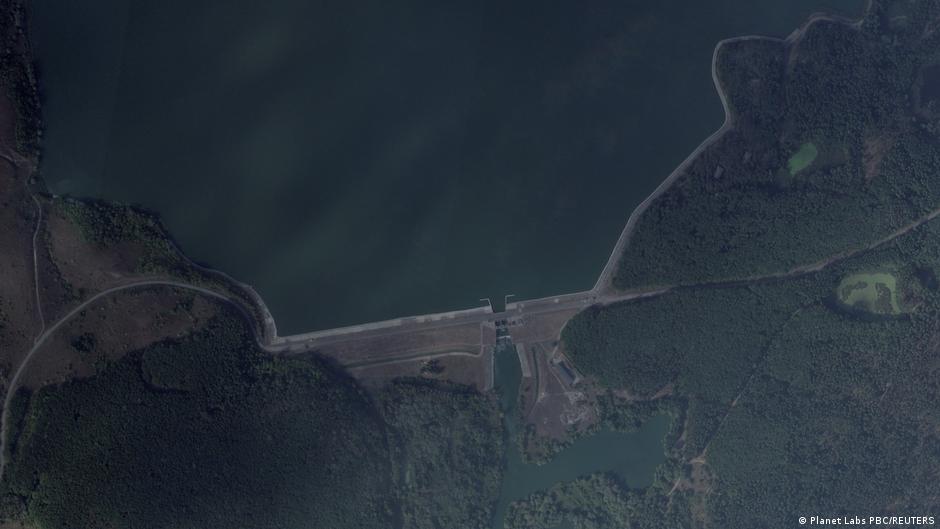
In July 2026, the Belgorod Reservoir experienced significant depletion due to uncontrolled water discharge following multiple strikes by Ukrainian forces on its dam. Eyewitness reports indicate that water depths have diminished dramatically, ranging between 10 and 40 centimeters—levels not seen in recent history.
Strategic Attacks and Immediate Consequences
Local sources reported on August 2 that after Ukrainian missile and drone attacks targeting the dam near Bezlyudovka and Grafovka villages in the Shebekino district, the reservoir began an intense and uncontrolled release of water. The uncontrolled discharge was only halted after intervention by regional authorities, but damage had already been done.
Visual confirmation through photographs and videos circulated on social media platforms corroborate the sharp decline in water levels, with the reservoir receding to the historical riverbed of the Severky Donets River. Vladimir Titov, a prominent urbanist from Belgorod, noted that the current water depth ranges from just 10 to 40 centimeters, underscoring the reservoir’s critical state.
"The reservoir has essentially reverted to its original riverbed due to the unprecedented water loss," said Vladimir Titov.
This recent assault follows earlier incidents in October 2025 when Ukrainian forces targeted the reservoir’s hydraulic infrastructure, leading to damage and water release, highlighting the reservoir’s growing vulnerability amid ongoing regional conflict.
Macroeconomic Implications and Long-term Outlook
The depletion of the Belgorod Reservoir portends broader economic and infrastructural challenges for the Belgorod region and adjacent areas reliant on this water source for agriculture, industry, and urban consumption. Water scarcity can disrupt agricultural cycles, affect food production, and elevate operational costs for industries requiring consistent water supply.
From a macroeconomic perspective, such disruptions threaten regional economic stability and could necessitate costly infrastructural repairs and alternative water sourcing. Policymakers must consider adaptive water management strategies and reinforce critical infrastructure resilience against further conflict-driven damage.
Moreover, the reservoir’s condition reflects the increasing strategic targeting of infrastructure in modern conflicts, emphasizing the need for international dialogue on protecting civilian resources. Prolonged water shortages may also exacerbate population displacement and strain social services, compounding economic pressures across the affected regions.
In conclusion, the attacks on the Belgorod Reservoir exemplify the intersection of geopolitical conflict and resource security, with significant ramifications for regional economic sustainability and policy planning.