US Announces New Phase in Iran Negotiations Amid Military Posturing
President Trump confirms upcoming diplomatic talks with Iran as Washington postpones further strikes, signaling potential shifts in Middle East policy.
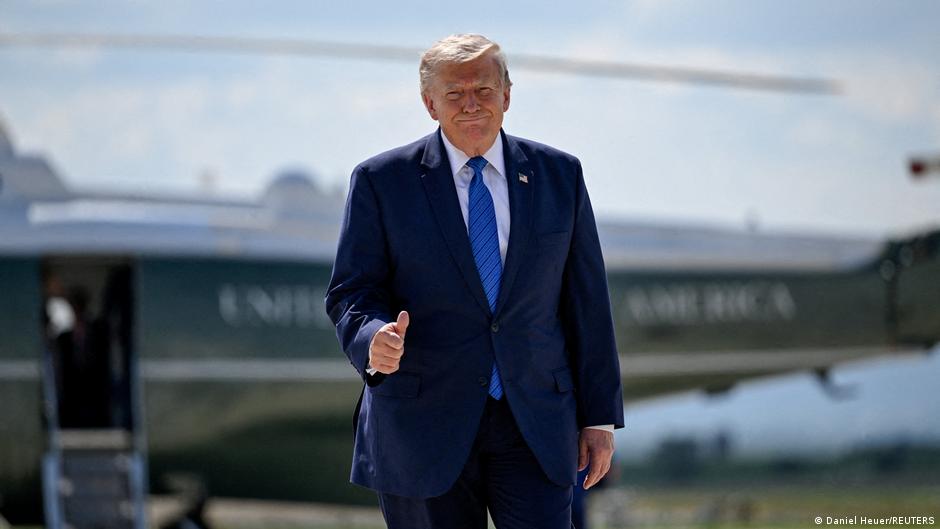
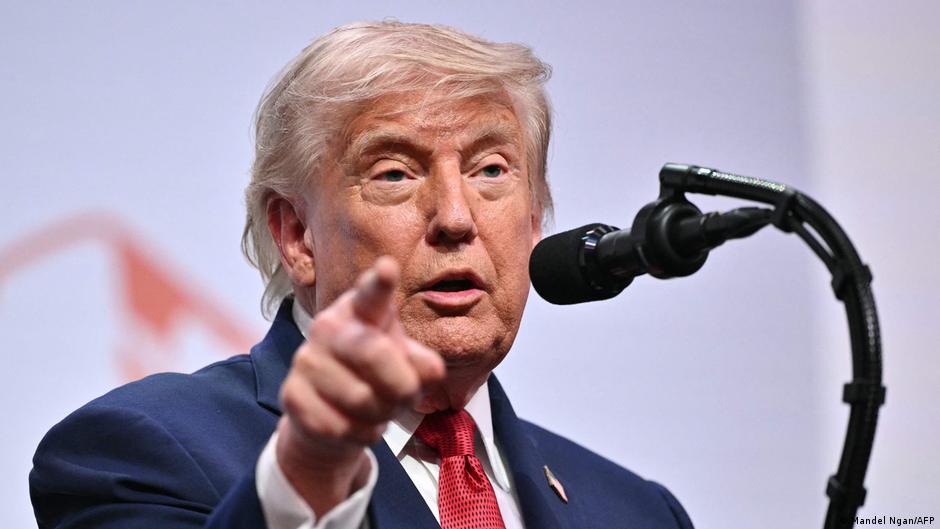
In a significant development with far-reaching implications for global geopolitics and economic stability, U.S. President Donald Trump announced that a new phase of negotiations with Iran will commence on Monday, August 3. This announcement comes as the White House has postponed additional military strikes against Tehran, signaling a cautious approach aimed at diplomatic resolution.
Strategic Delay of Military Action to Prioritize Diplomacy
Speaking aboard Air Force One, President Trump emphasized the administration's decision to forgo further attacks to allow diplomatic efforts to take precedence. "This will save many lives," he stated, underscoring the humanitarian dimension influencing policy decisions. He acknowledged that the prospective deal will likely address critical issues, including the control of the Strait of Hormuz—a vital chokepoint for global oil shipments—and Iran's nuclear program.
"I would rather make a deal. I don't like killing people," Trump remarked, reflecting a preference for negotiation over conflict, though he affirmed that military options remain on the table if deemed necessary.
Earlier, the President revealed that proposed military action had been deferred at the request of Iran and regional actors in the Middle East, demonstrating the complex interplay of diplomatic and security considerations influencing U.S. policy. Trump highlighted the scale of planned military intimidation, describing it as unprecedented since World War II, but ultimately called off to serve the "greater good of the world" in light of an agreed-upon framework with Iran.
Background: Recent Military Engagements and Diplomatic Efforts
The announcement follows a series of escalations and partial de-escalations between Washington and Tehran. In June 2026, the two countries signed a memorandum of understanding to halt hostilities for 60 days and initiate peace talks. However, tensions reignited when the U.S. accused Iran of violating the ceasefire, leading to resumed military strikes.
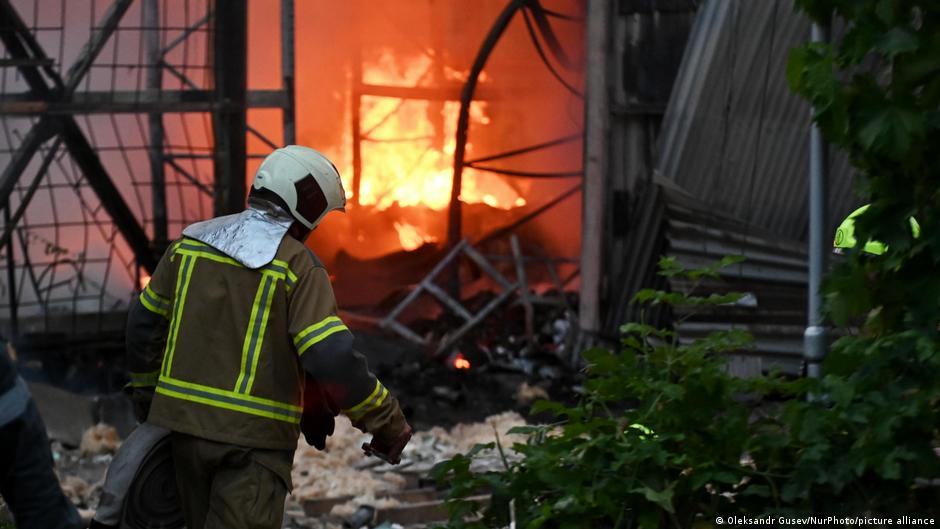
Most recently, on July 30, U.S. forces conducted strikes targeting multiple sites associated with Iran's Islamic Revolutionary Guard Corps (IRGC), including command centers and missile launch facilities. Iranian state media reported collateral damage impacting civilian areas on Qeshm Island, resulting in fatalities and highlighting the risks of military confrontations extending to non-combatants.
Global Economic and Strategic Implications
The potential diplomatic breakthrough arrives amid heightened volatility in the Middle East, a region critical to global energy markets. The Strait of Hormuz, through which approximately 20% of the world’s petroleum passes, remains a focal point of strategic contention. Any disruption there could have profound effects on oil prices, supply chains, and by extension, the global economy.
For senior decision-makers, these developments underscore the delicate balance between military preparedness and diplomatic engagement in managing geopolitical risks. The administration’s pivot toward negotiation suggests an awareness of the economic costs and global market instability that could arise from intensified conflict.
Moreover, the prospect of addressing Iran's nuclear ambitions through dialogue could help mitigate long-term security threats, potentially stabilizing regional alliances and easing sanctions regimes that have constrained economic activity in the area.
As this new negotiation phase unfolds, monitoring its outcomes will be crucial for policymakers and investors alike, given the interplay between geopolitical stability and economic performance in interconnected global markets.