Germany Urges EU-Turkey Gas Contracts to Exclude Russian Supplies Amid Energy Realignments
Berlin insists future gas agreements with Turkey exclude Russian sources, reflecting EU’s strategic push to reduce dependence on Russian energy.
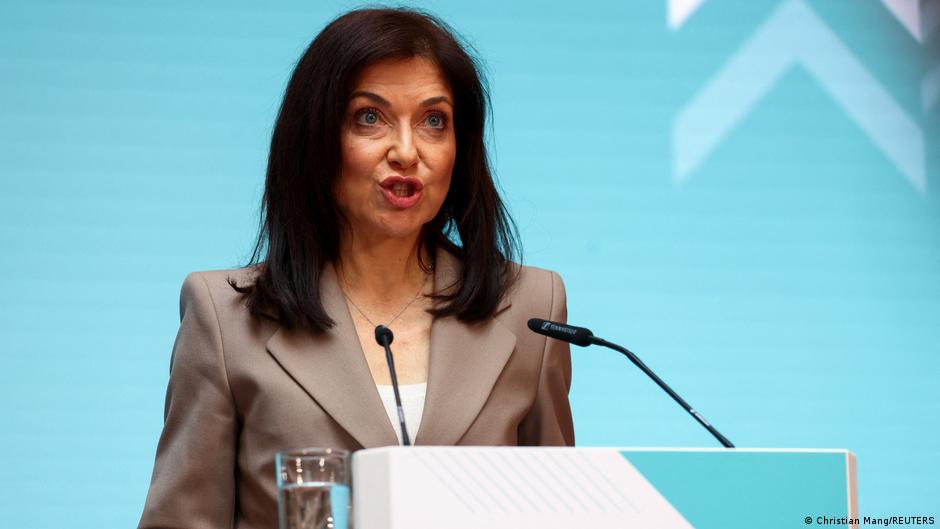
During a recent visit to Ankara, Germany’s Economy Minister Katherina Reiche emphasized that the European Union will insist on excluding Russian natural gas from any future energy contracts involving Turkey. This declaration highlights the EU’s ongoing efforts to reduce dependency on Russian energy amid broader geopolitical and economic shifts.
EU’s Strategic Energy Realignment and Turkey’s Role
Germany’s position, articulated on June 19 during a two-day visit to Turkey’s capital, aligns with Brussels' firm stance on diversifying energy sources away from Russia. Minister Reiche, accompanied by a German business delegation, reiterated that the EU aims to ensure all gas supplied under new contracts with Turkey does not originate from Russia.
“Brussels will insist on gas supplies not sourced from Russia as part of any future energy agreements involving Turkey,” Minister Reiche stated.
Reiche’s discussions with Turkey’s Energy Minister Alparslan Bayraktar underscored Ankara’s strategic importance to the EU. Turkey, being the EU’s fifth-largest trading partner with nearly balanced trade relations, is viewed as a reliable commercial ally and a key player in achieving shared political objectives amid global conflicts including Russia’s war in Ukraine and tensions involving the US, Israel, and Iran.
Turkey currently ranks as the second largest buyer of Russian gas, negotiating new supply agreements with Moscow as existing contracts near expiration. Concurrently, Ankara is actively pursuing ambitions to establish itself as a regional gas hub, a role that could recalibrate energy flows across neighboring regions.
Challenges in Transitioning Away from Russian Gas
While Turkey recognizes the EU’s determination to sever reliance on Russian raw materials, Turkish officials have conveyed that replacing Russian gas abruptly is neither economically nor logistically feasible at present. The transition requires careful management of existing energy infrastructure and supply chains.
In parallel developments, Turkey’s refineries have increased crude oil purchases from Iraq and Kazakhstan, responding to Western sanctions targeting Russia’s oil sector introduced after Russia’s invasion of Ukraine. This diversification reflects broader regional shifts in energy trade patterns driven by geopolitical pressures.
Germany’s insistence on excluding Russian gas from future contracts with Turkey signals a strategic pivot that could reshape energy security dynamics for both the EU and Turkey. It underscores the complexities involved as major economies navigate the challenge of reducing dependence on Russian energy while maintaining stable supply lines and economic partnerships.
Long-Term Economic Implications
The EU’s energy policy adjustments, including the insistence on non-Russian gas supplies via Turkey, may accelerate broader shifts in global energy markets. These developments can potentially stimulate increased investments in alternative energy sources, diversification of supply routes, and strengthened cooperation within the region.
However, the transitional period could introduce volatility in gas markets, impacting prices and economic stability across Europe and neighboring regions. Policymakers will need to balance geopolitical objectives with pragmatic supply considerations to ensure energy security and economic resilience.